
Light Requirements
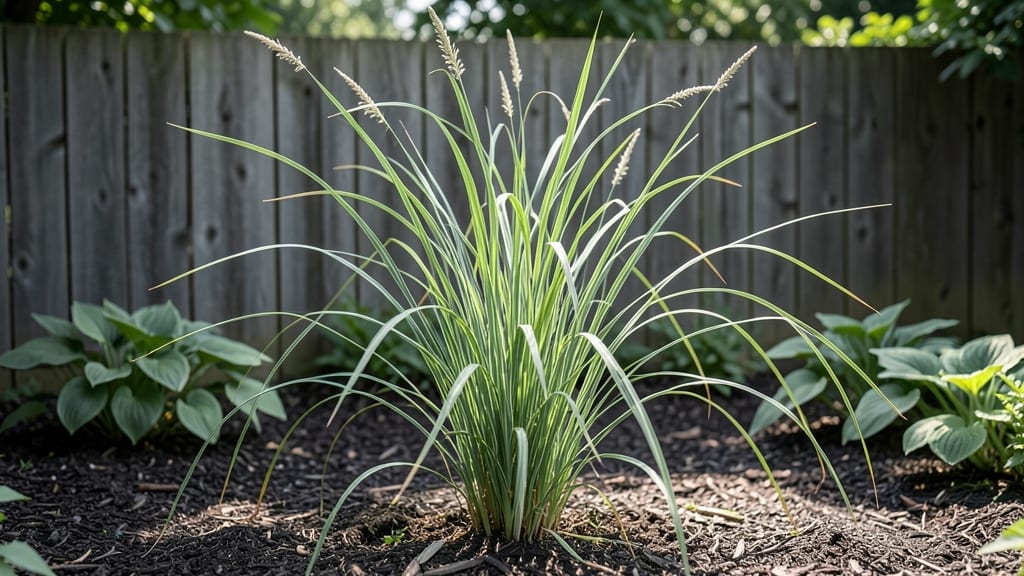
Citronella can grow in shade, but not all varieties thrive there without some adjustments — the key is choosing the right type and tweaking your care routine.
If you’re dreaming of a mosquito-repelling garden but your yard is mostly dappled shade or downright dim, don’t give up yet. While most citronella 🌿 loves full sun, certain hybrids and care tricks can help them flourish in low-light spots.
The secret? Picking shade-tolerant strains and giving them a little extra love.
Too much shade weakens scent production and stunts growth, but with the right variety — like Cymbopogon winterianus or its variegated cousin — you can still enjoy fragrant foliage that keeps bugs at bay.
I’ll walk you through the best low-light options, how to spot the signs of struggling plants, and simple fixes to keep them happy.
Ready to turn your shady corners into a pest-free retreat? Here’s how to grow citronella in shade without sacrificing health or that signature citrusy aroma.

How to grow citronella in shade: light requirements and adaptations
Citronella plants (Cymbopogon spp.) are famous for their mosquito-repelling oils, but most varieties thrive in full sun to partial shade. The challenge? Many gardeners assume these tropical herbs need bright light to produce strong scents and grow vigorously.
While traditional citronella struggles in deep shade, shade-tolerant varieties and smart adaptations can make it work in your low-light garden. The key lies in understanding their light needs and making strategic adjustments.
Most citronella plants require 4-6 hours of sunlight daily to produce optimal essential oils and dense foliage. Without enough light, they become leggy, weak-scented, and prone to pests. However, some citronella hybrids and dwarf varieties adapt better to shade by growing slower and focusing energy on root development.
These adaptations allow them to survive—and even thrive—in spots where other varieties would fail.
Can citronella grow in shade? The answer depends on the variety, soil quality, and care adjustments. While full shade (less than 3 hours of sunlight) will stunt growth, partial shade (4-6 hours of dappled light) is often manageable with the right approach. Below, we’ll break down the science, variety choices, and practical tips to maximize your shade-grown citronella’s potential.
| Factor | Full Sun (6+ hrs) | Partial Shade (3-4 hrs) | Full Shade (<3 hrs) |
|---|---|---|---|
| Growth Rate | Fast (3-5 ft/year) | Moderate (1-3 ft/year) | Slow (<1 ft/year) |
| Scent Strength | Strong (high oil) | Moderate (reduced oil) | Weak (minimal oil) |
| Pruning Needs | Regular (3-4x/year) | Occasional (2x/year) | Minimal (1x/year) |
| Water Needs | Moderate (1-2 cups/week) | Higher (2-3 cups/week) | Very High (3+ cups/week) |
| Best Varieties | C. winterianus | C. nardus 'Variegatus' | Dwarf hybrids |
| Pest Risk | Low (strong oils) | Moderate (watch aphids) | High (fungus risk) |
If your garden only gets 3-4 hours of sunlight, focus on dwarf or variegated citronella varieties like Cymbopogon nardus 'Variegatus'. These types prioritize foliage over height and tolerate lower light better than standard varieties.
For spots with less than 3 hours of light, consider container growing near a window or supplementing with a grow light for 4-6 hours daily. Even artificial light can boost growth and oil production significantly.
One of the most effective adaptations for shade-grown citronella is pruning for bushiness. Instead of letting the plant grow tall and leggy, trim back the top 1/3 of stems every 6-8 weeks.
This encourages lateral branching, which increases leaf surface area and improves photosynthesis—critical in low-light conditions. Pair this with thinning out older leaves to redirect energy to new growth.
Spacing is another critical factor in shade. While full-sun citronella can be planted 18-24 inches apart, shade varieties need closer spacing (12-18 inches) to create a denser canopy. This helps them compete for limited light and share nutrients more efficiently.
If growing in containers, use pots that are at least 12 inches deep to accommodate their root systems and improve stability.
Companion planting can also enhance shade-grown citronella’s performance. Pair it with tall, fast-growing companions like sunflowers or corn to provide dappled shade during peak sunlight hours. Alternatively, plant it near low-growing herbs like mint or lemongrass, which share similar water and soil needs.
Avoid planting near competitive root systems like rhubarb or raspberries, which can steal nutrients.
Soil quality makes a surprising difference in shade-grown citronella. Amend your soil with organic matter like compost or coconut coir to improve drainage and nutrient retention. Citronella prefers slightly acidic to neutral soil (pH 6.0-7.0). Test your soil and adjust with lime
3 Best citronella varieties for shady gardens (with care tips)
If you're dealing with shady garden spots but still want that mosquito-repelling citronella scent, don't worry—some varieties actually thrive in low light. The key is selecting the right shade-tolerant citronella types and adjusting your care routine.
Unlike their sun-loving cousins, these varieties adapt beautifully to partial or full shade while still producing that signature citrusy aroma.
Most citronella plants—like the classic Cymbopogon nardus—struggle in deep shade, growing leggy and weak with poor scent production. However, specific hybrids and variegated cultivars have been bred or naturally adapted to handle lower light conditions.
These shade-friendly varieties not only survive but can even flourish with proper care, making them perfect for north-facing gardens, under trees, or near buildings that cast long shadows.
| Variety | Shade Tolerance | Height (ft) | Scent Strength | Care Tip |
|---|---|---|---|---|
| Cymbopogon nardus 'Variegatus' | Full shade to partial shade | 2-3 ft | Moderate (variegation reduces oil) | Prune tips to encourage bushiness |
| Cymbopogon winterianus 'Shade Hybrid' | Partial shade (4+ hours sun) | 3-4 ft | Strong (best for repellent) | Use reflective mulch for extra light |
| Cymbopogon flexuosus 'Dwarf Shade' | Partial shade (2-3 hours sun) | 1.5-2 ft | Mild (compact growth) | Grow in containers for mobility |
The Cymbopogon nardus 'Variegatus' is my top pick for full-shade gardens. Its striking creamy-white striped leaves not only add visual interest but also signal its adaptation to low light. While its scent is slightly less potent than traditional citronella, it still deters mosquitoes effectively.
To maximize its performance, I recommend pruning the tips regularly to encourage bushier, denser growth—this helps it capture whatever light is available.
For gardeners with partial shade (even just a few hours of morning sun), the Cymbopogon winterianus 'Shade Hybrid' is a game-changer. This variety maintains strong citronella oil production while tolerating up to 60% shade.
The secret to its success? Reflective mulch—I use white gravel around the base to bounce extra light onto the foliage. This simple trick can double its growth rate in low-light conditions.
If space is limited, the Cymbopogon flexuosus 'Dwarf Shade' is perfect for containers or small gardens. This compact variety stays under 2 feet tall and handles just 2-3 hours of indirect light daily.
Its milder scent is ideal for patio planters or windowsill growing. The key with this variety is rotating the pot weekly to ensure all sides get even exposure, preventing lopsided growth.
No matter which variety you choose, soil moisture becomes even more critical in shade. I water deeply but less frequently—about every 5-7 days—to prevent root rot while ensuring the plant has enough hydration.
A layer of organic mulch helps retain moisture and regulates soil temperature, which is especially important in shady, cooler microclimates. For extra insurance, I add a balanced fertilizer (like 10-10-10) every 6-8 weeks during the growing season to support leafy growth and oil production.
With the right variety and a few shade-specific adjustments, you can enjoy mosquito-free evenings even in the darkest corners of your garden.
Start with one of these shade-tolerant citronella types, and soon you'll be harvesting fragrant leaves for homemade repellents or simply enjoying their natural pest-deterring magic all season long. 🌿