
Shrubs
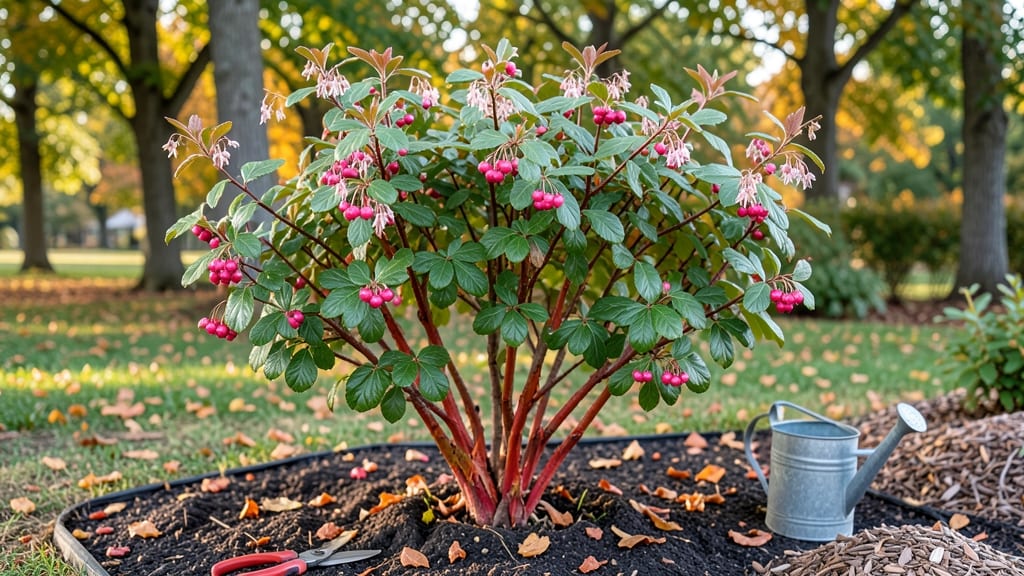
Shade-tolerant burning bush varieties can transform dark corners of your garden into vibrant focal points 🌿—even when sunlight is scarce.
Struggling to find a shrub that thrives in low-light spots? The right burning bush variety won’t just survive in shade—it will thrive, delivering bold foliage and seasonal color without demanding full sun.
From compact 'Little Devil' to the striking 'Dwarf Firedance,' these shade-loving cultivars bring structure and drama to gardens where other shrubs fade. Below, I’ll share the top 4 varieties that excel in partial shade, plus the care secrets to keep them looking their best year-round.
You’ll also discover how to pair them with companion plants, avoid common pitfalls, and maximize their seasonal interest—even in the trickiest shaded areas of your yard.
 Best Window Placement
4 Best burning bush varieties for shade gardens
If you thought burning bush (Euonymus alatus) only thrives in full sun, think again! While these shrubs love light, some shade-tolerant varieties bring vibrant color and structure to dim corners of your garden.
The key is selecting the right cultivar—one that handles low-light conditions while still delivering that signature fiery fall foliage. These four varieties prove you don’t need blazing sun to enjoy a stunning burning bush.
Shade gardens often struggle with colorful foliage shrubs, but these burning bush types defy expectations. They adapt to partial shade (3-6 hours of sun) while maintaining their signature red-orange fall color and exfoliating bark.
Whether you’re working with a woodland garden, north-facing yard, or simply a spot under mature trees, these varieties will add seasonal drama without demanding full sun.
Comparison Table: Best Burning Bush Varieties for Shade Gardens
'Dwarf Firedance' is my top pick for small shade gardens. This compact variety reaches just 3-4 feet tall and wide, making it perfect for foundation plantings or container gardening. Its slow growth rate means less pruning, and it handles 3-4 hours of sun daily without stress.
The deep red-orange foliage in fall creates a striking contrast against dark evergreens or hosta clumps.
'Little Devil' stands out for its bold red fall color and slightly larger size, ideal for mid-height hedges or privacy screens in shady areas. Unlike traditional burning bushes, this variety tolerates 4-5 hours of sun while still thriving in woodland gardens.
Its moderate growth rate means you’ll see noticeable color development within 2-3 years of planting.
For a statement shrub with a twist, 'Angelfire' delivers pinkish-red fall foliage—a rare color in burning bush varieties. This medium-sized option (5-6 feet tall) works well as a focal point in partially shaded borders.
It’s more adaptable than other varieties, handling 3-6 hours of sun and even tolerating dappled shade under tall trees.
'Compacta' might not have the flashiest name, but its deep orange-red fall color and slow growth habit make it a low-maintenance champion for shade. This variety stays under 5 feet tall, perfect for tight spaces or urban gardens.
Its ability to thrive with just 4 hours of sun makes it one of the most forgiving options for challenging shade spots.
When selecting a burning bush for shade, prioritize well-draining soil and moisture-retentive amendments like compost. These varieties still need regular watering during their first year to establish roots, but once settled, they become drought-tolerant. Avoid planting in waterlogged areas, as even shade-tolerant burning bushes dislike soggy soil.
For maximum impact, pair these burning bushes with shade-loving perennials like heuchera (coral bells) or astilbe. The contrasting textures and colors create a layered garden effect that highlights their fall foliage. Place them near pathways or patios where you can enjoy their seasonal transformation up close.
Remember, even shade-tolerant burning bushes benefit from spring
How to maximize color in shade: pruning and care tips
Even in shady spots, your burning bush (Euonymus alatus) can maintain its signature vibrant foliage with the right care. The key lies in understanding how shade affects growth and adjusting your maintenance routine accordingly.
Unlike sun-loving varieties, shade-adapted burning bushes need gentler pruning and moisture-sensitive soil to prevent stress. Let’s explore how to keep your shrub thriving while maximizing its natural color intensity.
First, focus on pruning for shape rather than size reduction. In shaded conditions, burning bushes grow more slowly, so aggressive cuts can stunt new growth. Instead, remove dead or crossing branches in early spring to encourage airflow and light penetration.
This simple step prevents fungal issues while maintaining that bold autumn color you love. Remember, shade-loving varieties like 'Compactus' or 'Emerald Gaiety' respond best to minimal pruning.
⚠️ callout tip
When to Prune: Late winter or early spring (before buds swell)
Tools Needed: Clean, sharp bypass pruners
Key Focus: Remove 1/3 of oldest stems to refresh growth
Shade Adjustment: Avoid heavy pruning—it stresses slow-growing varieties
Color Boost: Prune after fall color peak to preserve next year’s vibrancy
Soil health is equally critical for shade-dwelling burning bushes. Amend your garden soil with organic matter like compost or well-rotted manure to improve drainage and nutrient retention. Shady areas often have compacted or acidic soil, which can dull foliage color.
Test your soil’s pH—burning bushes prefer a slightly acidic to neutral range (6.0–7.0). If needed, add lime for alkalinity or sulfur for acidity in early spring.
Watering habits must also shift for shade-grown burning bushes. Unlike their sun-loving cousins, these plants need consistent moisture but hate soggy roots. Water deeply once a week (or more in extreme heat) and always in the morning to reduce fungal risks.
Mulch around the base with 2–3 inches of organic mulch to retain moisture and regulate soil temperature. This simple layer also suppresses weeds that compete for nutrients.
To enhance color intensity, consider a light fertilizer application in early spring. Use a balanced 10-10-10 formula to encourage lush foliage without overstimulating growth. Avoid heavy fertilizers, which can lead to leaf burn in shaded conditions.
Instead, focus on micronutrients like iron—deficiencies often cause pale foliage in low-light environments. A foliar spray in late summer can give your burning bush that extra color boost before autumn.
Finally, monitor your burning bush for signs of stress or disease, which are more common in shaded, damp conditions. Yellowing leaves may signal overwatering or nutrient deficiency, while brown edges often point to underwatering or salt buildup.
Adjust your care routine accordingly, and don’t hesitate to repot container-grown varieties if roots become root-bound. With these adjustments, your shade-loving burning bush will reward you with vibrant foliage and seasonal interest year after year. 🌿