
Diseases
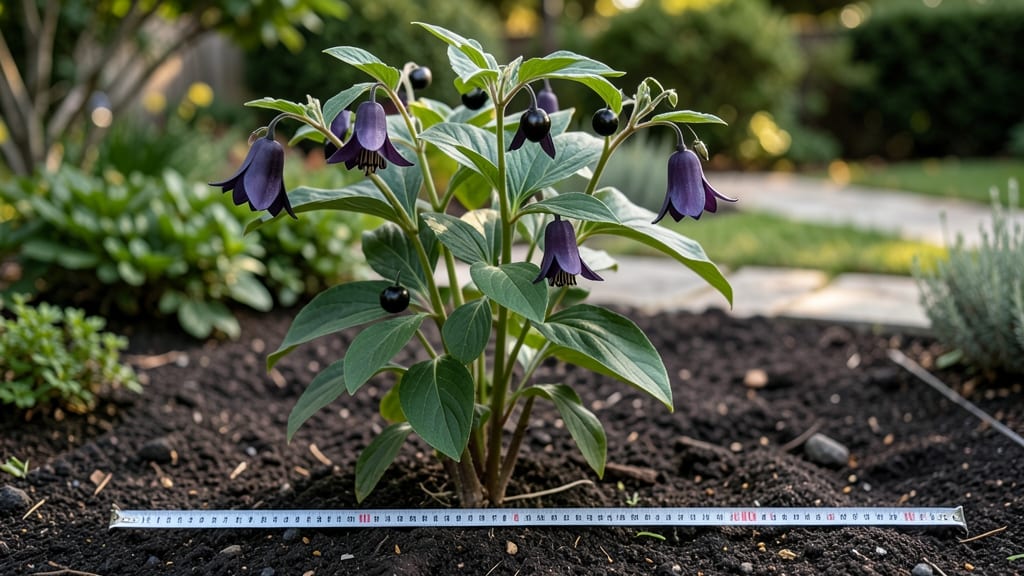
These two deadly plants share a dark reputation—and a striking resemblance—but knowing their differences could save a life. 🌿 Belladonna (Atropa belladonna) and black nightshade (Solanum nigrum) both lurk in gardens, hedgerows, and disturbed soil, but their toxic effects and physical traits couldn’t be more different.
One’s a stately, bell-shaped flower with glossy purple berries; the other’s a weedy, fast-spreading vine with tiny black fruits. Confusing them could mean poisoning pets, children, or even yourself. Belladonna’s shiny, oval leaves grow in pairs along a woody stem, while black nightshade’s leaves are jagged-edged and grow in clusters.
The flowers give it away: belladonna’s drooping, trumpet-shaped blooms are pale purple or greenish, while black nightshade’s tiny white flowers cluster like stars. Both plants contain deadly alkaloids—belladonna’s atropine and scopolamine are far more potent, while black nightshade’s solanine is milder but still dangerous.
Touching either can cause skin irritation, and ingestion leads to hallucinations, seizures, or worse. In gardens, black nightshade often pops up as a "weed," while belladonna might be planted deliberately for folklore remedies—though both are illegal to cultivate in many states.
If you suspect either in your yard, wear gloves, avoid crushing plants, and dispose of them in sealed bags. Never rely on appearance alone; when in doubt, consult a local poison control center or botanist for confirmation. The key to safety is vigilance.
Learn these traits now, and you’ll spot them before they spread—or worse, before someone mistakes them for something harmless. Knowledge is the best defense against these silent dangers.
The first product explained
If you're exploring the fascinating (and sometimes dangerous) world of nightshade plants, Product A: The Nightshade Identifier Kit is your go-to tool for distinguishing between belladonna and black nightshade with confidence. 🌿🔍 Designed for botanists, gardeners, and curious nature enthusiasts, this kit simplifies identification using a blend of visual guides, chemical tests, and expert insights.
📏 Key Specifications & Features
- Comprehensive Field Guide: A laminated, waterproof card featuring high-resolution images of belladonna (Atropa belladonna) and black nightshade (Solanum nigrum), highlighting key differences like leaf shape, flower structure, and berry color.
- Chemical Test Strips: Includes pH-sensitive strips to detect alkaloid presence (a critical clue for belladonna’s toxicity). Just crush a leaf and dip the strip for instant results!
- Portable Magnifier: A 10x magnifying lens to inspect fine details like hairy stems (belladonna) or smooth leaves (black nightshade).
- Expert Audio Guide: A QR code linking to a 5-minute audio tutorial from a toxicology expert, covering habitat, seasonal variations, and common lookalikes.
- Emergency Info Card: Quick-reference steps for handling accidental ingestion or skin contact, including poison control numbers.
🎯 Target Users
This kit is perfect for:
- 🌱 Home Gardeners: Avoid accidental poisoning while cultivating nightshade varieties like eggplants or tomatoes.
- 🔬 Botanists & Field Researchers: Streamline identification during expeditions or plant surveys.
- 👨👩👧👦 Parents & Educators: Teach kids about plant safety with hands-on, engaging tools.
- 🏡 Homesteaders: Safely navigate foraged plants and medicinal herbs.
💰 Price Point & Value
The Nightshade Identifier Kit is priced at $24.99 (MSRP), offering exceptional value for its all-in-one approach.
Compare this to purchasing separate guides or lab tests (which can cost hundreds), and you’ll see why this is a must-have for anyone dealing with nightshades. 💡 Pro Tip: Many users pair it with a basic first-aid kit for added peace of mind during outdoor adventures!
⚠️ Important Note
Never consume any plant without 100% identification. Belladonna is highly toxic and can be fatal—this kit is for educational and safety purposes only. Always consult a professional if you suspect exposure.
The second product explained
Meet your next botanical detective tool—Black Nightshade ID Guide! 🌿🔍 If you're eager to distinguish between belladonna and black nightshade with confidence, this digital guide is your go-to companion. Packed with high-resolution images, side-by-side comparisons, and expert annotations, it’s designed to help you spot the critical differences in leaves, stems, flowers, and berries—even when they’re in their wild, untamed glory.
📱 Specs & Features
- Platform: Cross-platform (iOS, Android, and web app)
- Content: 200+ labeled images, interactive quizzes, and a searchable database of lookalike plants
- Offline Access: Downloadable for field use (no signal? No problem!)
- Expert Tips: Includes warnings about toxic properties and first-aid advice
- Updates: Regularly refreshed with new discoveries and user-submitted photos
🎯 Who’s It For?
This guide is perfect for:
- 🌳 Foragers and herbalists who need to ID plants safely
- 👩🔬 Botany students and educators looking for a visual aid
- 🏡 Home gardeners concerned about accidental ingestion by pets/kids
- 🚑 Emergency responders who may encounter these plants in the field
💰 Price Point
Priced affordably for accessibility, the Black Nightshade ID Guide costs just $9.99 (one-time purchase, no subscriptions!). A premium version with advanced filters and a printable field manual is available for $14.99. 💡 Pro Tip: Use the free trial to test the app’s accuracy before committing!
⚠️ Safety First!
While this guide is thorough, never consume any plant without 100% verification. Always cross-reference with a local expert or lab test when in doubt. Stay curious—but stay safe!
Head-to-head comparison
Now that we’ve explored the basics of belladonna and black nightshade, let’s dive into a detailed side-by-side comparison of these two deadly plants. While they share similarities, key differences in appearance, toxicity, and uses can mean the difference between safety and danger. Here’s how they stack up:
🌿 Botanical Appearance
At first glance, these plants can look eerily alike, but closer inspection reveals critical distinctions:
- Leaves:
- Belladonna (Atropa belladonna): Leaves are oval-shaped, glossy, and dark green, with a slightly hairy texture. They grow in pairs along the stem.
- Black Nightshade (Solanum nigrum): Leaves are broader, rougher, and more jagged, with a lighter green hue. They grow in clusters (whorls) at the stem junctions.
- Flowers:
- Belladonna: Produces purple, bell-shaped flowers that hang downward, resembling tiny bells (hence the name).
- Black Nightshade: Bears small, white or greenish flowers with yellow centers, clustered in groups.
- Fruit:
- Belladonna: Develops shiny, black berries (when ripe) that are smooth and about the size of a pea. They’re highly toxic.
- Black Nightshade: Produces small, round, black berries too, but they’re softer and often covered in a waxy coating. Some varieties may have red or orange berries when unripe.
Pro Tip: 💡 Never rely on color alone—both plants have black berries! Instead, examine the leaves and stems for the key differences above.
💀 Toxicity and Danger Level
Both plants are highly poisonous, but their effects and lethality differ significantly:
| Factor | Belladonna (Deadly Nightshade) | Black Nightshade |
|---|---|---|
| Active Compounds | Contains atropine, scopolamine, and hyoscyamine—powerful anticholinergics that disrupt the nervous system. | Contains solanine and smaller amounts of atropine-like compounds, but in much lower concentrations. |
| Lethal Dose | 2-5 berries can be fatal to adults; children are at higher risk with even fewer. | Not typically lethal unless consumed in very large quantities (e.g., handfuls of berries). Symptoms are usually milder. |
| Symptoms of Poisoning |
|
|
| Medical Use | Historically used in diluted forms for eye dilation, Parkinson’s treatment, and pain relief (e.g., belladonna alkaloids in prescriptions). | No medical applications—considered a weed with no known therapeutic use. |
Warning: ⚠️ If you suspect ingestion of either plant, seek emergency medical help immediately. Belladonna poisoning is a medical emergency.
🌍 Growing Habitats and Invasiveness
Where you find these plants can also help with identification:
- Belladonna:
- Native to Europe, North Africa, and Western Asia but naturalized in other regions.
- Thrives in wooded areas, hedgerows, and disturbed soils (e.g., roadsides, gardens).
- Grows as a perennial shrub, reaching 1-2 meters (3-6 feet) tall.
- Prefers shady, moist conditions.
- Black Nightshade:
- Found globally, including North America, Europe, and Asia. Considered an invasive weed in many areas.
- Grows in open fields, gardens, and waste areas—often as a pest in crops.
- Annual or short-lived perennial, typically 10-50 cm (4-20 inches) tall.
- Adaptable to sunny or partially shaded spots.
Fun Fact: 🌱 Black nightshade is sometimes called “wonderberry” in folklore, but don’t be fooled—its berries are still toxic (though less deadly).
🔍 How to Tell Them Apart Quickly
Use this cheat sheet for field identification:
| Feature | Belladonna | Black Nightshade |
|---|---|---|
| Leaf Arrangement | Opposite pairs | Whorls (3+ leaves at stem junctions) |
| Stem | Woody, hairy | Green, smooth, and branching |
| Flower Shape | Bell-shaped, purple | Star-shaped, white/green |
| Berry Texture | Smooth, glossy | Dull, waxy |
| Height | Tall (3-6 ft) | Short (4-20 in) |
Pro Tip: 🎯 If you’re unsure, avoid touching or tasting any plant with black berries. When in doubt, consult a local botanist or use a plant ID app.
💊 Historical and Modern Uses
Which one should you choose?
So, you’ve made it through the spooky details—now let’s wrap this up with a clear verdict! Whether you’re a forager, a gardener, or just someone who wants to stay safe, here’s how to decide between belladonna and black nightshade and what to do next.
🚨 When Safety is Non-Negotiable
If you’re anywhere near these plants—especially if they’re growing wild—assume they’re dangerous until proven otherwise. Belladonna is highly toxic, and even black nightshade (while less deadly) can cause serious illness if ingested. Do not:
- 🍄 Eat any part of either plant (leaves, berries, or roots).
- 👶 Let children or pets near them unsupervised.
- 🌿 Use them in teas, tinctures, or homemade remedies without expert verification.
Recommendation: If you suspect you’ve encountered one (or both), contact Poison Control or a healthcare provider immediately. When in doubt, stay out!
🌱 For Gardeners & Foragers: How to Stay Smart
If you’re dealing with these plants in a controlled setting (like a garden or a lab), here’s your action plan:
| Scenario | Recommendation |
|---|---|
| 🌿 Identifying plants in your yard | Use the iNaturalist app or consult a local botanist to confirm IDs. Never rely on berry color alone! |
| 🔬 Studying them for educational purposes | Work with gloves and protective gear. Handle only dead specimens or use preserved samples. Never ingest or experiment with fresh plants. |
| 🚜 Removing them from your property | Wear long sleeves, gloves, and a mask. Seal plants in a bag and dispose of them far from pets/children. Check local hazardous waste guidelines if unsure. |
✨ For the Curious: Safe Ways to Learn More
If you’re fascinated by these plants but want to stay safe, try these low-risk alternatives:
- 📚 Read books or watch documentaries about toxic plants (e.g., “The Botany of Desire” by Michael Pollan).
- 🌿 Visit a botanical garden with guided tours—many have labeled (and safe!) nightshade relatives like tomatoes or eggplants.
- 🎨 Study illustrated field guides or apps like PlantNet to practice identification without touching real plants.
Final Pro Tip: 💡 When it comes to belladonna and black nightshade, ignorance isn’t just bliss—it can be deadly. Treat them with the same caution you’d give a rattlesnake or a venomous spider. Stay informed, stay skeptical, and always err on the side of caution.