
Shrubs
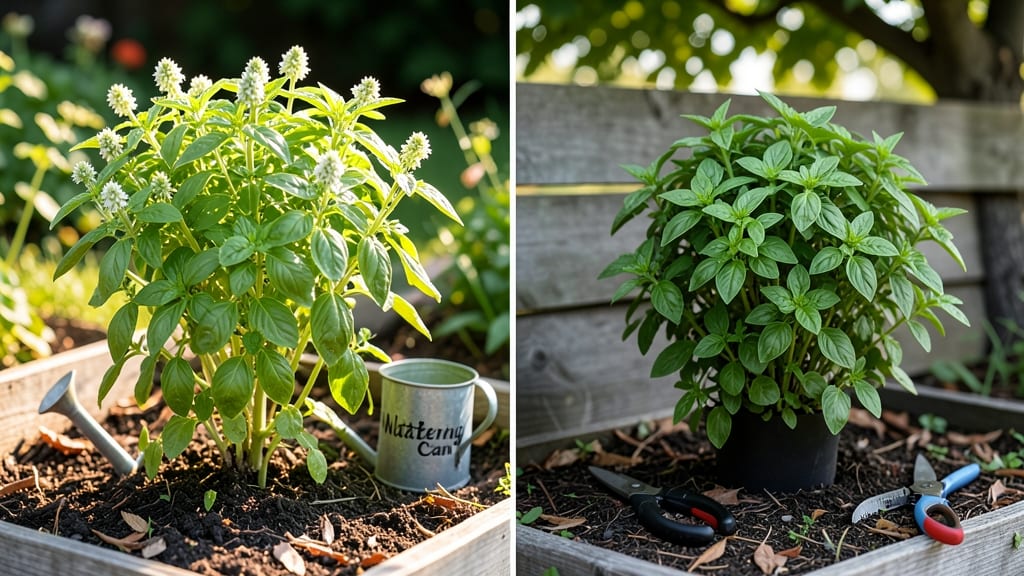
Growing basil in sun or shade makes all the difference between a fragrant, flavorful herb and a sad, leggy shadow of its potential.
Picture this: you’ve planted your 🌿 basil with high hopes, only to end up with bitter leaves or spindly stems that barely hold their own. The culprit?
Light—or the lack of it. Basil thrives in bright conditions, but even partial shade can work if you know the tricks to keep it happy and productive.
Most gardeners assume basil needs full sun, but the truth is more nuanced. While 6+ hours of direct sunlight unlocks the boldest flavors, even shadier spots can yield edible herbs with the right adjustments.
Whether you’re dealing with a south-facing windowsill or a north-facing patio, I’ll show you how to tweak care for the best results.
From choosing the right variety to adjusting water and fertilizer, you’ll learn exactly how to balance light for basil that tastes like it belongs in a fresh caprese salad. Let’s get started.
 Best Window Placement
Ideal sunlight requirements for basil growth and flavor
If you’ve ever grown basil that tastes bland or grows leggy, your plant’s sunlight exposure is likely the culprit. Basil thrives in full sun, but even slight adjustments can dramatically impact its growth and flavor intensity.
Without enough light, your basil will stretch toward any available source, producing weak stems and muted taste. Let’s break down exactly how much sun your basil needs—and what happens when it gets too much or too little.
Basil is a sun-loving herb that requires at least 6 to 8 hours of direct sunlight daily to develop its signature aromatic oils and robust flavor. In regions with intense afternoon sun, providing morning sun and afternoon shade can prevent leaf scorch while still meeting its light needs.
Without sufficient light, basil becomes leggy, with sparse leaves and a lackluster taste—far from the vibrant herb you’d find in your favorite Italian dish.
| Light Condition | Sunlight Hours | Growth Impact | Flavor Impact |
|---|---|---|---|
| Full Sun | 6–8+ hours | Compact, bushy, strong stems | Bold, aromatic, peak flavor |
| Partial Shade | 3–6 hours | Leggy, sparse leaves, weak stems | Mild, watery, lacks complexity |
| Deep Shade | <3 hours | Stunted, pale, prone to disease | Bland, almost flavorless |
In hot climates, basil can tolerate afternoon shade to prevent wilting, but it still needs at least 6 hours of morning sun. If your basil is in a container, rotate it every few days to ensure even light exposure on all sides.
Without rotation, one side of the plant will lean toward the sun, creating uneven growth and reducing yield.
For indoor basil, place it near a south-facing window where it can receive 4–6 hours of direct light daily. If your home lacks natural light, supplement with a grow light for 12–14 hours per day.
Without adequate light indoors, basil will become etiolated—stretched out with tiny leaves—making it nearly useless for cooking.
If your basil is already struggling in partial shade, don’t despair. You can still salvage it by pruning leggy stems to encourage bushier growth and moving it to a sunnier spot gradually.
Sudden exposure to full sun can shock shade-acclimated basil, so acclimate it over 3–5 days by increasing sunlight incrementally.
One common mistake is assuming more sun is always better. While basil loves light, intense afternoon sun in hot climates can cause leaf scorch, turning edges crispy and brown.
To avoid this, provide dappled shade during peak heat hours (12–3 PM) using a sheer curtain or shade cloth with 30–50% coverage.
For container gardeners, choose a location that gets at least 6 hours of sun and ensure your pot has drainage holes to prevent root rot. Basil in containers dries out faster, so water consistently and use a lightweight potting mix to improve aeration.
A mix of peat moss, perlite, and compost works well for optimal drainage and nutrient retention.
If you’re in a shady microclimate, consider reflective surfaces like white gravel or a mirror to bounce extra light onto your basil. This trick can add 1–2 extra hours of effective light, helping your plant thrive even in less-than-ideal conditions.
Pair this with regular harvesting to encourage new growth and maintain a compact shape.
Remember, the flavor of basil is directly tied to its light exposure. The more sunlight it gets, the more essential oils it produces, which is what gives basil its distinctive aroma and taste. So, if you’re growing basil for cooking, prioritize full sun—your pesto will thank you!
How to adapt basil care for shady conditions without sacrificing flavor
Growing basil in shady spots doesn’t mean giving up on bold flavor—it just requires a few strategic adjustments. While basil thrives in full sun, many gardeners successfully grow it in partial shade by compensating for lower light levels.
The key lies in understanding how shade affects growth and flavor, then adapting your care routine accordingly.
When basil gets less than 4-6 hours of sunlight, its growth slows, stems elongate (a condition called etiolation), and flavor intensity weakens. However, with the right techniques—like choosing shade-tolerant varieties or using reflective surfaces—you can still harvest aromatic leaves.
Let’s explore practical solutions to keep your basil thriving, even in shady corners.
⚠️ Common Mistake: Overcompensating with Water
Shady basil often gets overwatered because gardeners assume it needs more moisture to survive low light. Too much water in shade leads to root rot and yellowing leaves. Instead, water only when the top inch of soil feels dry—usually every 2-3 days in containers or 3-4 days in garden beds.
🌱 Fix it: Use a moisture meter or stick your finger 1 inch deep before watering. Ensure pots have drainage holes to prevent soggy roots.
Start by selecting shade-tolerant basil varieties like Thai basil or Spicy Globe basil, which handle lower light better than Genovese or Sweet basil. These varieties produce smaller leaves but retain their signature flavors even in partial shade.
Pair them with reflective surfaces, like white gravel or aluminum foil wrapped around containers, to bounce extra light onto the leaves.
For indoor shady spots, grow lights are a game-changer. Place a full-spectrum LED grow light 6-12 inches above your basil and keep it on for 12-14 hours daily. This mimics sunlight and prevents leggy growth.
If using natural light, position your basil near a south-facing window where it can catch indirect rays for at least 4-6 hours.
Companion planting also boosts shade-grown basil’s health. Pair it with tall, sun-loving plants like tomatoes or peppers, which provide dappled shade while protecting basil from harsh afternoon sun. Alternatively, plant basil near low-growing herbs like parsley or cilantro, which share similar water needs and create a microclimate that retains moisture.
Finally, prune regularly to encourage bushier growth and prevent etiolation. Pinch off the top sets of leaves when the plant reaches 6-8 inches tall, and harvest leaves frequently to stimulate new growth.
Avoid fertilizing heavily in shade, as excess nitrogen promotes leafy growth at the expense of flavor—stick to a balanced 10-10-10 fertilizer every 4-6 weeks.
With these adjustments, your shady basil can still deliver the aromatic punch you crave—no Italian restaurant required. 🌿