
Planting
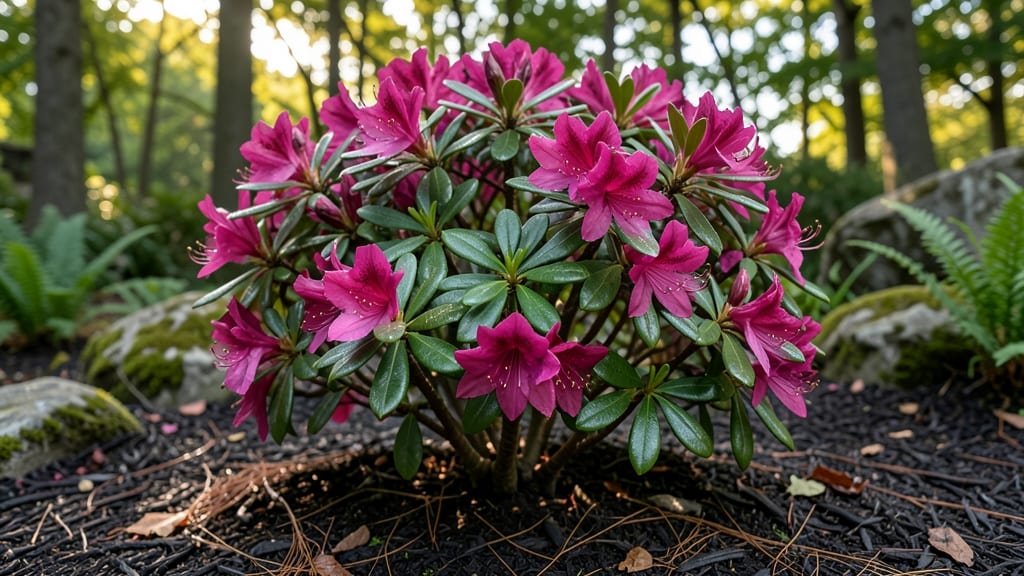
Azalea plants thrive in shade where others fail—my pink Enchantress blooms like crazy under my oak tree every spring. 🌿 The secret isn't forcing them into bright light but matching their natural woodland habitat with the right conditions.
Most gardeners overlook shade levels, but azaleas need dappled light—bright morning sun with afternoon shade. Full shade stunts blooms, while harsh afternoon sun scorches leaves. Test your spot: if it's shady but gets a few hours of filtered light, it's perfect.
With the right soil (acidic, well-draining mix) and consistent moisture, you'll see vibrant blooms for weeks. Even my black thumb**> can't kill these when the basics are right. Works for understory plantings, north-facing yards, or patios with afternoon shade. Let's get those roots happy!
📚 In This Guide
- What you need
- Instructions
- Tips and common mistakes
- Wrapping up and next steps
What you need
- ● Azalea plants: Choose shade-tolerant varieties like Rhododendron 'Catawbiense' or 'Nova Zembla' (2–5 plants, depending on garden size).
- ● Well-draining acidic soil: Peat moss or pine bark (5–10 gallons) to amend clay-heavy soil (aim for pH 4.5–6.0).
- ● Organic mulch: Pine needles or shredded bark (2–3 inches thick) to retain moisture and acidity.
- ● Slow-release fertilizer: Azalea-specific granules (e.g., Osmocote) for spring planting.
- ● Watering can or hose: With a gentle spray nozzle to avoid disturbing roots.
- ● Garden gloves & trowel: For planting and soil prep.
- ○ Soil pH test kit: To confirm acidity levels (optional but helpful).
- ● Pruning shears: For shaping after blooming (sterilize with rubbing alcohol).
- ● Shade cloth (30–50% coverage): If your garden gets partial sun (e.g., morning light).
- ● Container (if potted): 10–15 gallon pots with drainage holes for urban gardens.
- ○ Epsom salt (magnesium sulfate): 1 tbsp/month in water for yellowing leaves (optional boost).
Step-by-Step guide to growing thriving azaleas in shade
Here's how to coax vibrant blooms from azaleas in low-light spots—my foolproof method for shade-loving gardens.
🌿 Step 1: Select the Right Azalea Variety for Shade
Not all azaleas tolerate shade equally. Choose evergreen azaleas like 'Girard's Pink' or 'Hino Crimson'—these handle partial shade best. Deciduous azaleas like 'Kaleidoscope' also work but need slightly more light. Avoid rhododendrons, which demand full sun.
Look for plants labeled "partial shade" at nurseries. The key is selecting mature plants (2-3 years old) already adapted to low light—they'll bloom faster than seedlings. You'll know you've picked well when the foliage stays deep green year-round, even in winter.
🪴 Step 2: Prepare the Planting Site with Acidic, Moist Soil
Azaleas refuse to thrive in alkaline soil. Test your garden bed's pH—it should be between 5.0 and 6.0. If your soil tests higher, amend it with peat moss or sulfur before planting. I mix 3 inches of organic matter (like composted pine needles) into the top 6 inches of soil.
Choose a spot with dappled shade—morning sun with afternoon shade works best. Avoid deep, dense shade where leaves stay dark and blooms fade. Dig a hole twice as wide as the root ball but only as deep—planting too deep suffocates roots. Water the hole thoroughly before placing the plant.
☀️ Step 3: Position and Plant for Optimal Airflow
Place the azalea so the top of the root ball sits 1 inch above soil level. This prevents waterlogging, which causes root rot. Backfill with the amended soil, pressing gently to remove air pockets. Water deeply to settle the soil around roots—you'll see water bead on the surface when done right.
Space plants 3-5 feet apart to allow airflow. Crowded azaleas develop fungal issues like powdery mildew or leaf spot. Mulch with 2-3 inches of pine bark (not wood chips) to retain moisture and acidify the soil over time. Keep mulch 6 inches away from the stem to prevent rot.
💧 Step 4: Water and Fertilize for Consistent Moisture
Azaleas in shade need consistent moisture—never let the soil dry out completely. Water 1-2 times per week, depending on rainfall, until the top 2 inches of soil feel damp. Overwatering is worse than underwatering; soggy roots invite pests like root weevils or nematodes.
Feed with an acid-loving plant fertilizer (like Miracid) every 4-6 weeks during growing season. Avoid high-nitrogen fertilizers—they produce lush foliage but few blooms. You'll know your feeding routine is right when new growth appears pale green (not dark green or yellow) and buds form by early spring.
✂️ Step 5: Prune and Maintain for Long-Term Health
Prune azaleas right after blooming (late spring) to shape the plant. Remove dead or crossing branches with clean cuts just above a leaf bud. Never prune more than one-third of the plant at once—this stresses shade-adapted azaleas. Use sterilized shears to prevent disease spread.
Watch for yellowing leaves—this signals overwatering or nutrient deficiency. Brown edges mean low humidity; mist leaves occasionally in dry climates. In fall, apply a thin layer of sulfur to maintain soil acidity. With proper care, your azaleas will reward you with vibrant blooms for decades—even in shade.
Tips & tricks for perfect azalea care in shade gardens
Between us, these little details make all the difference when growing azaleas in shade. Here's what nobody tells you about keeping them thriving.
Variety Matters: Evergreen azaleas like 'Girard's Pink' are your best bet for deep shade—they've evolved to handle low light better than deciduous types. Look for plants with glossy, deep green foliage year-round; dull or yellowing leaves mean poor shade adaptation. In Step 1, when selecting your plants, check for this vibrant foliage as your first clue of shade tolerance.
Soil Science: That pH range of 5.0-6.0 isn't just a number—it's the difference between thriving and struggling azaleas. In Step 2, when amending your soil, mix in 1 part sulfur for every 10 parts soil if your test shows pH above 6.0. I've seen azaleas go from wilted to blooming within months after this simple adjustment. The key is patience: soil acidification takes time, so test again in 3-4 months if needed.
Planting Precision: The 1-inch elevation above soil level in Step 3 isn't just about drainage—it's about aeration. When backfilling, press the soil gently but firmly around the roots to eliminate air pockets. I use my fingers to create small channels between the root ball and surrounding soil to encourage root growth outward rather than circling the plant. This simple technique prevents that classic "pot-bound" look in container-grown azaleas.
Watering Wisdom: The 1-2 times per week guideline in Step 4 is a starting point, but the real secret is the 2-inch soil test. Use a screwdriver or clean stick to check moisture depth—this is how you'll know when to water consistently. In dry climates, I increase to 2-3 times per week but always check that top 2 inches first. The goal is to keep roots moist but never soggy; azaleas in shade are particularly prone to root rot from overzealous watering.
Pro Tips for Azalea Plant Shade
- Between us, these little details make all the difference when growing azaleas in shade.
- Variety Matters: Evergreen azaleas like 'Girard's Pink' are your best bet for deep shade—they've evolved to handle low light better than deciduous types.
- Soil Science: That pH range of 5.0-6.0 isn't just a number—it's the difference between thriving and struggling azaleas.
Frequently asked questions
Got questions about keeping your azaleas happy in the shade?
You’re not alone! Here are some of the most common concerns—plus quick, practical answers to help your azaleas thrive.
Can azaleas grow in full shade?
While azaleas prefer partial shade (4–6 hours of dappled light daily), some varieties like Rhododendron obtusum (evergreen azalea) can tolerate full shade—though blooms may be sparser. For best results, choose a spot with morning sun and afternoon shade. Pro tip: If your azalea is struggling, try moving it to a slightly brighter spot gradually.
How long does it take for azaleas to adjust to shade?
Azaleas are adaptable but may take 2–4 weeks to adjust to a new shade environment. Watch for wilting or yellowing leaves—signs they need more light. If the soil stays soggy, reduce watering slightly to prevent root rot. Patience pays off: once settled, they’ll reward you with lush foliage (and hopefully blooms!).
Do azaleas need extra care in deep shade?
Yes! In deep shade, azaleas rely on consistent moisture and nutrient-rich soil. Mulch with organic matter (like pine bark) to retain humidity, and fertilize lightly in early spring with an acid-loving plant formula. Avoid heavy pruning—it stresses them further. Bonus: A slow-release fertilizer can simplify care.
Why aren’t my shade-grown azaleas blooming?
Shade often reduces blooms, but it’s not always the culprit. Check for:
- Light levels: Are they getting any sunlight? Even indirect light helps.
- Over-fertilizing: Too much nitrogen = leaves over foliage.
- Age: Young azaleas (under 3 years) may wait to bloom.
- Stress: Yellow leaves or pests? Address those first.
If all else fails, try a bloom-boosting fertilizer in late winter—just follow the label!
What’s a good shade-tolerant alternative to azaleas?
If azaleas seem too finicky, try these low-light stars:
- Hydrangea macrophylla (loves shade, big blooms)
- Pieris japonica (evergreen, white spring flowers)
- Calathea (tropical foliage, thrives in dim corners)
- Ferns (like Dryopteris) for texture
Each has unique care needs, but all handle shade better than azaleas in extreme low-light spots.
Wrapping up and next steps
Growing azaleas in shade isn’t just possible—it’s rewarding! 🌿 With the right variety, soil prep, and care, these vibrant bloomers can thrive even in low-light spots, adding bursts of color to your garden.
Whether you’re a beginner or a seasoned gardener, shade-loving azaleas prove that beauty doesn’t need sunshine to shine.
Ready to transform your shady patch into a floral paradise? Start by choosing your azalea (like Rhododendron obtusum or Rhododendron carolinianum) and testing your soil—then get planting! For extra tips, check out our FAQ section or explore local nurseries for shade-tolerant varieties. Happy gardening!