
Shrubs
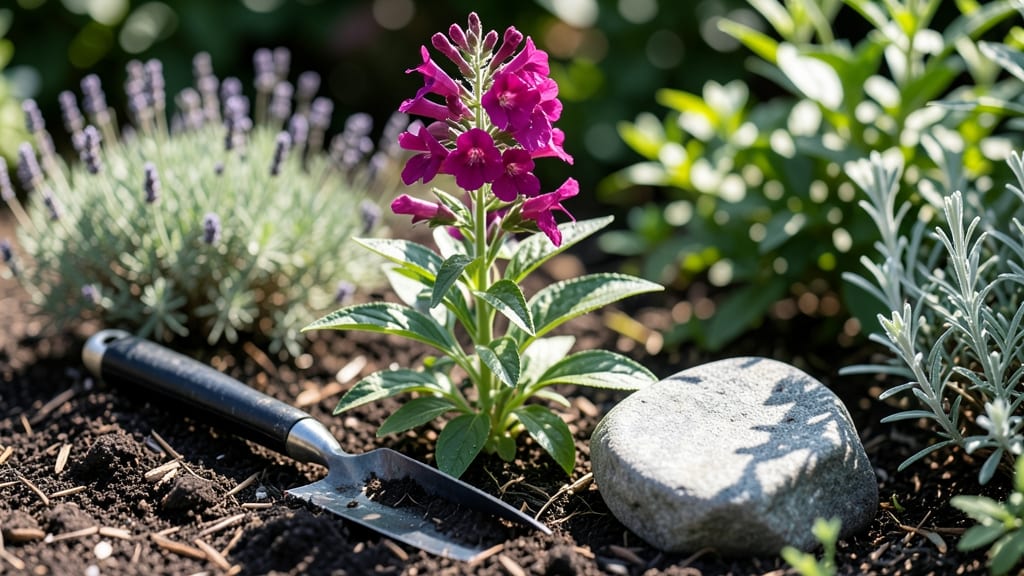
Angelonia thrives in full sun or partial shade 🌸 — but get the balance wrong, and those vibrant blooms you planted for will turn sparse or pale.
Picture this: your angelonia sits in a sunny spot, but instead of nonstop flowers, it stretches tall and leggy, with buds that never open. That’s your first clue the light equation is off. Too much shade? You’ll see yellowing leaves and a plant that looks like it’s giving up.
Here’s the good news: angelonia is forgiving if you adjust care based on its light. Too much sun in Zone 6a? Water deeper and more often. Too little light? Move it closer to a south-facing window or pair it with taller plants for natural shade.
I’ll walk you through the exact light needs, how to spot the signs of too much or too little, and the simple tweaks that keep your angelonia blooming all summer.
By the end, you’ll know whether your garden spot is a sun champion or a shade lover — and how to make it work for your angelonia’s best performance.
 Best Window Placement
Angelonia sun requirements: how much light for maximum blooms?
If you’ve ever wondered why your angelonia flowers look lackluster or sparse, the answer likely lies in light exposure. This sun-loving annual thrives with 6+ hours of direct sunlight daily, but too much heat without proper care can stress the plant.
I’ve grown angelonia in USDA Zones 7-10, and I’ve learned that balancing sun and heat is key to those vibrant, continuous blooms we all love.
The ideal sunlight range for angelonia is full sun to partial shade, but the "partial shade" part is often misunderstood. It doesn’t mean deep shade—think 3-4 hours of morning sun with afternoon shade in scorching climates like Southern California or Arizona.
Without enough light, you’ll notice leggy stems and fewer flowers, while too much unrelenting heat can cause leaf scorch or wilting.
| Light Condition | Sunlight Hours | Bloom Impact | Best For |
|---|---|---|---|
| Full Sun | 6+ hours | Abundant, vibrant blooms | Cooler climates (Zones 7-9) |
| Partial Sun | 4-6 hours | Moderate blooms, bushier growth | Hot climates (Zones 10+) |
| Partial Shade | 2-4 hours | Sparse blooms, leggy stems | Last resort (e.g., north-facing beds) |
In my Zone 8 garden, I’ve found that angelonia varieties like 'Angelface Blue' handle full morning sun beautifully, but I always provide afternoon shade during July and August when temperatures exceed 90°F (32°C).
The trick is to monitor leaf color: if the edges turn crispy or yellow, it’s a sign of heat stress, not necessarily sun deficiency.
One common mistake I see is assuming partial shade means any dappled light will do. Angelonia needs bright, indirect light—think 30% filtered sunlight, not the deep shade under a dense oak tree.
If your plants are stretching toward the light with long, weak stems, they’re begging for more direct sunlight. I’ve even used reflective mulch around containers to bounce extra light onto the foliage during cloudy days.
For gardeners in high-heat regions, like Phoenix or Miami, I recommend elevated planters with white or light-colored containers. These reflect heat away from the roots while still providing optimal light exposure.
Pair this with daily watering in the morning to keep the soil consistently moist but not soggy—a balance that prevents both root rot and heat shock.
Spotting light deficiency early can save your angelonia from a lackluster season. Watch for yellowing between leaf veins, stunted growth, or buds that drop before opening.
In my experience, moving plants to a sunnier spot and adding a balanced fertilizer (like 10-10-10) can revive them within 2-3 weeks. If the stems are already woody and stretched, pruning back by one-third encourages new, bushier growth.
Don’t overlook the seasonal adjustments needed for angelonia. In spring and fall, when temperatures are mild, they’ll tolerate full sun without issue. But by mid-summer, even 6 hours of direct sun can be too much in humid climates.
I’ve had success using lightweight shade cloth (30%) during peak afternoon hours to protect the plants while still allowing enough light for photosynthesis.
If you’re growing angelonia in containers, choose a location where they’ll receive at least 5-6 hours of sun daily. Containers heat up faster than garden beds, so black pots can scorch roots—opt for terracotta or fabric grow bags instead.
I also swear by mulching with straw to retain moisture and regulate soil temperature, which is especially helpful in arid climates.
Pro tip: Rotate your containers every few weeks to ensure even growth. Angelonia tends to grow toward the light, so turning them quarter-turns keeps the foliage balanced and bushy.
This simple habit has doubled my flower production over the years. Pair this with deadheading spent blooms to encourage more continuous flowering throughout the season.
Remember, angelonia’s light needs are non-negotiable if you want those show-stopping blooms. Whether you’re in a cool mountain garden or a sweltering desert landscape, adjusting for sun intensity and heat will make all the difference.
Start with 6+ hours of light, monitor for stress signs, and don’t hesitate to tweak their environment as the seasons change.
Can angelonia grow in shade? Partial sun alternatives for low-light spots
Angelonia thrives in full sun (6+ hours daily), but partial shade can work if you adjust care. When shade is unavoidable—like under trees or on north-facing patios—your angelonia's blooms may shrink, but the plant won’t die.
The key is compromise between light, water, and nutrients to keep it healthy and flowering.
Before committing to shade, test your spot: angelonia needs at least 2-4 hours of morning sun to avoid leggy stems and sparse buds.
If your area gets less than 2 hours, consider moving plants or choosing shade-tolerant varieties like 'Angelface Blue', which handles bright indirect light better than others.
⚠️ callout warning ⚠️
Too little light causes angelonia to:
- Yellow leaves (chlorosis)
- No buds (flower failure)
- Leggy stems (weak growth)
For partial shade success, increase watering frequency (every 2-3 days) and use a balanced fertilizer (10-10-10) every 4 weeks to compensate for reduced photosynthesis. Avoid heavy shade—angelonia won’t rebloom well without some direct sunlight.
If your angelonia is already in shade, prune leggy stems to encourage bushier growth and move it closer to a sunny window or south-facing wall for extra light. Use light-colored containers to reflect sunlight onto leaves, which can boost energy for blooming.
For best shade-tolerant varieties, try 'Angelface Blue' or 'Angelface White', which handle partial shade slightly better than others. These cultivars still need bright light, but they’ll produce more flowers than standard types in low-light spots.
Monitor your angelonia closely in shade: wilting leaves or brown tips signal overwatering (common in low light), while pale foliage means it’s starving for sunlight. Adjust care weekly based on these signs to keep your plant thriving.