
Orchid Care
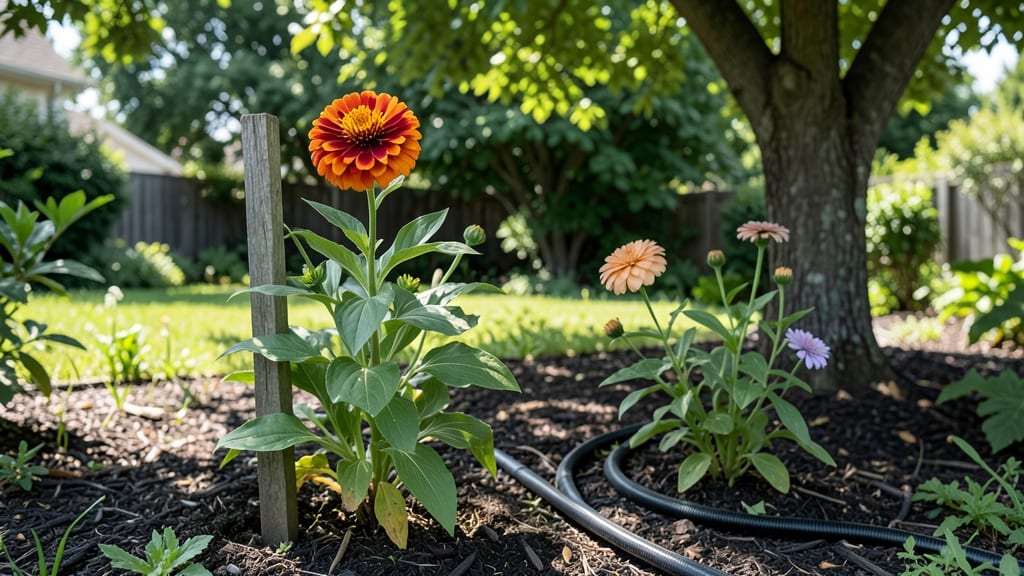
Zinnias thrive in full sun but can also bloom beautifully in partial shade—with the right variety and care, you’ll get those vibrant flowers no matter where you garden.
Picture this: you’ve spent weeks nurturing your zinnias 🌼, only to watch them stretch toward the light or refuse to open. The truth? Zinnias aren’t picky, but they do need the right conditions to shine.
Whether your garden gets six hours of sun or just a few dappled rays, there’s a zinnia that’ll reward you with bold colors and long-lasting blooms.
Most gardeners assume zinnias demand full sun, but shade-tolerant varieties like ‘Profusion’ or ‘Thumbelina’ prove that’s not always the case. The key? Matching your light conditions to the right type—and knowing how to tweak care for maximum impact.
Below, I’ll break down the best varieties for sun or shade, plus the simple adjustments that keep your zinnias thriving all season.
Ready to turn your garden into a nonstop color show? You’ll learn which zinnias outperform others in low light, how to revive leggy stems, and why a little extra love in partial shade pays off in bigger blooms.
 Best Window Placement
Best zinnia varieties for full sun: maximizing bloom potential
If you’re dreaming of a sun-drenched garden bursting with zinnia blooms, you’re in luck! These heat-loving annuals thrive under 6+ hours of direct sun, producing bold, long-lasting flowers from summer through fall.
The key? Choosing the right zinnia varieties for your climate and maximizing their sun exposure. Let’s dive into the top performers that will turn your garden into a colorful paradise.
Full sun is a zinnia’s best friend, but not all varieties handle intense heat or dry conditions equally. Some varieties, like Benary’s Giant, are heat-tolerant powerhouses, while others, such as Profusion Mix, offer compact growth perfect for containers.
Whether you’re in a sweltering desert climate or a humid southern garden, there’s a sun-loving zinnia that will thrive with the right care.
Before we explore the best full-sun zinnias, let’s clarify what full sun means for these plants. While zinnias can tolerate partial shade, they truly shine (literally!) in 6+ hours of direct sunlight. This ensures strong stems, vibrant blooms, and prolonged flowering.
Without enough sun, you’ll likely see leggy growth and fewer flowers. So, if your garden gets plenty of morning sun or afternoon rays, you’re in the perfect spot for these sun-seekers.
| Variety | Height | Bloom Time | Heat Tolerance | Best For |
|---|---|---|---|---|
| Benary’s Giant | 3–4 ft | June–Frost | Excellent | Cut flowers, borders |
| Profusion Mix | 1–2 ft | June–Frost | Good | Containers, mass planting |
| State Fair Mix | 2–3 ft | July–Frost | Very High | Drought-prone areas |
| Crystal Mix | 1–2 ft | June–Frost | High | Cutting gardens |
| Dwarf Star | 6–12 in | June–Frost | Good | Window boxes, borders |
Let’s start with Benary’s Giant, a classic zinnia that’s a garden staple for good reason. This tall, robust variety reaches 3–4 feet and produces large, dinner-plate blooms in shades of pink, red, and yellow. It’s perfect for cut flowers and adds height and drama to sunny borders.
Plant these in early spring after the last frost, and they’ll bloom nonstop until frost hits. For maximum impact, pair them with tall sunflowers or spiky ornamental grasses.
If you’re working with limited space or want zinnias for containers, Profusion Mix is your best bet. This compact variety stays 1–2 feet tall and produces clusters of small, cheerful blooms in a mix of colors.
It’s ideal for hanging baskets, patio pots, and window boxes, making it a versatile choice for small gardens or urban spaces. Plus, its prolonged blooming season ensures color all summer long.
For hot, dry climates, State Fair Mix is a game-changer. This drought-resistant variety thrives in intense heat and
Top shade-tolerant zinnias: hidden gems for low-light gardens
Not all zinnias need 6+ hours of sun to shine! While most varieties thrive in full light, these shade-tolerant zinnias bring color to spots with 3–6 hours of sun or dappled shade.
Perfect for woodland gardens, patio containers, or areas under trees, these varieties prove zinnias aren’t just sun-worshippers.
My top pick for containers is the 'Thumbelina' series, which stays compact (6–12 inches tall) and blooms prolifically even with 4 hours of light. Their butterfly-friendly flowers add a whimsical touch to shady corners while attracting pollinators you might miss in low-light areas.
For extended blooming, try 'Profusion Mix'—a dwarf variety (12–18 inches) that produces nonstop blooms from summer to frost. It tolerates partial shade better than most zinnias and handles humidity well, making it ideal for eastern-facing beds or porch planters.
Shade-Tolerant Zinnias: Pros & Cons
| Variety | Pros | Cons |
|---|---|---|
| 'Thumbelina' Series | Compact (6–12"), great for containers, 4+ hours sun | Smaller blooms, needs regular deadheading |
| 'Profusion Mix' | Nonstop blooms, 12–18" tall, humidity-tolerant | May need support stakes in wind |
| 'Crystal Series' | Double blooms, 5–6 hours sun, disease-resistant | Slower to bloom in deep shade |
🌱 Tip: Boost shade performance by amending soil with compost and pairing with tall companion plants (like foxgloves) to filter light gently.
To maximize blooms in shady spots, I amend the soil with organic matter like compost or peat moss to improve drainage and nutrient retention. Zinnias in shade also appreciate regular feeding—use a balanced fertilizer (5-10-10) every 4–6 weeks to encourage vigorous growth.
For a pollinator-friendly display, pair shade zinnias with salvias or coleus. These companions thrive in similar light conditions while adding texture and extended seasonal interest. Just avoid planting near mint, which can outcompete zinnias for nutrients.
With the right variety and a little extra care, your shady garden can rival sun-drenched beds in color and vibrancy. Start with 'Thumbelina' for containers or 'Profusion' for borders, and watch your low-light space transform into a blooming oasis.