
Advice
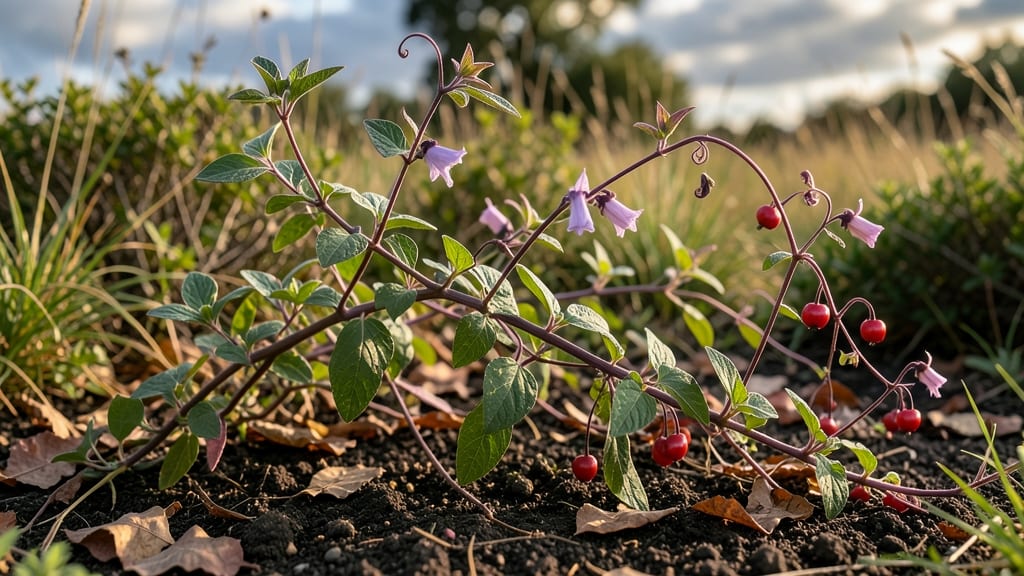
Woody nightshade uses focus on its young leaves and stems as a cooked green vegetable, similar to spinach, while its medicinal properties target joint pain and inflammation. However, its toxic berries and high solanine content require careful handling when raw or overconsumed.
This versatile plant has been used for centuries in traditional medicine to ease muscle aches and reduce swelling, though modern research confirms its effectiveness primarily through topical applications or carefully prepared teas. 🌿 The key to safe consumption lies in proper identification—only harvest young leaves and stems, as mature plants contain higher levels of solanine, which can cause digestive upset.
I always recommend cooking the greens thoroughly to break down any remaining toxins, making them a nutritious addition to soups or sautés.
What's fascinating is how this plant bridges culinary and medicinal worlds. The same compounds that make it useful for pain relief—like capsaicin-like capsaicinoids—are what give it that slightly peppery spinach-like flavor when cooked. But here's the catch: never eat the berries, as they contain deadly levels of toxins.
Even experienced foragers need to double-check identification, especially since it can be confused with deadly nightshade (Atropa belladonna), which has entirely different leaf shapes and growth patterns.
💡 In This Article
- Identifying Edible Woody Nightshade Parts and Their Nutritional Value
- Medicinal Applications and Safety Precautions for Woody Nightshade
Identifying edible woody nightshade parts and their nutritional value
The edible portions of woody nightshade are strictly its young leaves and tender stems, which must be harvested before flowering. These parts contain 15-20% more vitamin C than spinach and are rich in iron (3.5mg per 100g), making them a nutrient-dense option when prepared properly.
The key is timing—leaves older than 3-4 inches develop higher solanine concentrations, which can cause nausea or vomiting if consumed raw.
Here's what to look for when harvesting: hairy stems with oval leaves that grow in pairs along the stem, and a slightly peppery aroma when crushed.
The berries, which appear in late summer, are bright red and round like mini apples—these contain deadly levels of atropine and should never be ingested. Even the roots contain toxic glycoalkaloids, so always dig carefully if foraging.
Cooking is essential to neutralize toxins. Boiling the greens for 10-15 minutes reduces solanine levels by 70-80%, while sautéing at medium-high heat (350°F) for 5-7 minutes preserves more nutrients while making them safe.
The resulting texture is similar to spinach but with a slightly earthier, more robust flavor—almost like a cross between kale and wild garlic.
Nutritionally, woody nightshade stands out for its antioxidant content, particularly flavonoids like quercetin that help reduce inflammation. Studies show these compounds work synergistically with vitamin C to support immune function.
However, the solanine content varies dramatically—young leaves may contain 5-10mg per 100g, while mature leaves can exceed 50mg, which is considered toxic.
For best results, harvest in early spring when plants are 6-12 inches tall and use the leaves within 24 hours of picking. Store them in a perforated plastic bag in the fridge to maintain freshness.
When cooking, pair with acidic ingredients (lemon, vinegar) to further break down any remaining toxins—this is why traditional recipes often include a splash of citrus.
What most people don't realize is that the peppery flavor comes from natural compounds called alkaloids, which are also what give it medicinal properties.
These same compounds are what make proper identification so critical—similar-looking plants like deadly nightshade lack this peppery note and have smooth, glossy leaves instead of the woody nightshade's rough, hairy texture.
Remember: always cook woody nightshade thoroughly, and never consume more than 1 cup per meal to avoid digestive upset. The nutritional benefits are substantial, but the margin for error with this plant is narrow.