
Size
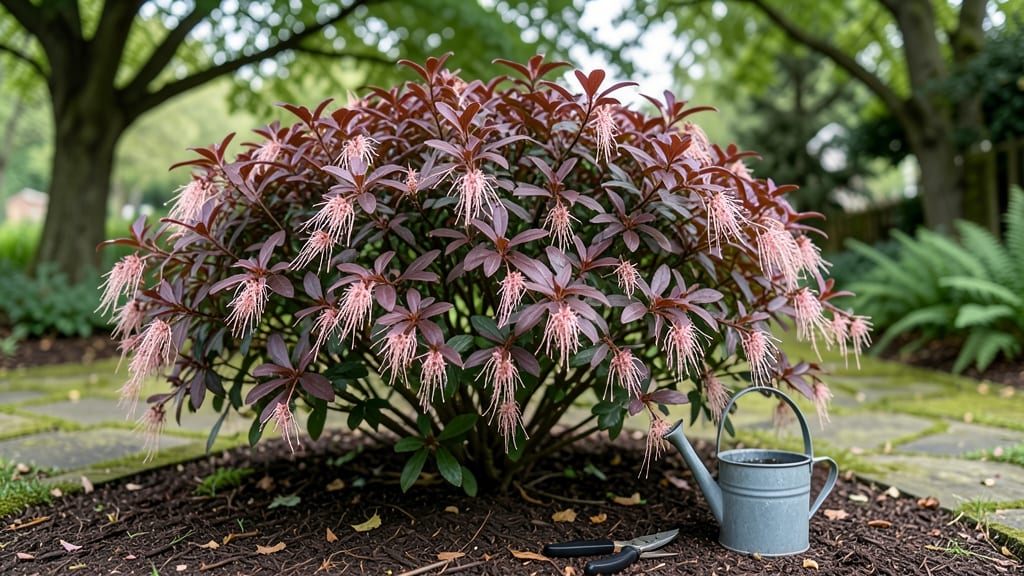
Will Chinese fringe flower grow in shade? Yes, but it thrives best with partial shade to full sun, handling 3-6 hours of filtered light daily while avoiding deep, dark shadows that reduce blooms and weaken foliage.
Chinese fringe flower (Loropetalum chinense) isn't a shade-lover but can survive in low-light spots—though its growth and blooms will suffer.
The key is filtered light, like dappled sunlight through trees, which prevents leaf scorch while still supporting photosynthesis. 🌿 In deep shade, expect fewer flowers and slower growth, as the plant struggles to produce enough energy for vibrant foliage.
I've seen it adapt surprisingly well in morning sun with afternoon shade, making it a great choice for east-facing gardens or understory plantings.
For optimal results, pair your fringe flower with shade-tolerant companions like hydrangeas or ferns. These plants create a microclimate that retains moisture and improves light conditions. If your yard is mostly shady, consider container growing—larger pots allow for better root aeration and soil amendments that mimic sun-exposed conditions.
Just remember: while it can tolerate shade, bright, indirect light is the sweet spot for keeping this plant healthy and blooming beautifully.
💡 In This Article
- Chinese Fringe Flower Light Requirements Explained
- Shade Adaptation Tips for Chinese Fringe Flower
Chinese fringe flower light requirements explained
Chinese fringe flower's light needs revolve around photosynthesis efficiency. In deep shade (less than 3 hours of light daily), the plant's chlorophyll production slows dramatically, leading to pale foliage and sparse blooms.
This happens because shade-loving plants like ferns have evolved to thrive with lower light, but fringe flowers need moderate to high light to fuel their energy-hungry blooms. The purple-black foliage varieties, in particular, require more light to maintain their striking color intensity—without enough sun, they revert to dull green.
Here's how light directly impacts growth: 3-6 hours of filtered light (like through sheer curtains or high tree branches) triggers balanced photosynthesis, producing enough glucose for steady growth without leaf scorch.
Full sun (6+ hours) boosts flower production but can cause afternoon wilting in hot climates unless soil moisture is consistent. The key is morning sun (when UV intensity is lower) paired with afternoon shade—this creates the perfect energy balance for both foliage and flowers.
Seasonal light patterns matter too. During spring and fall, fringe flowers can handle more direct sun as temperatures moderate, while summer's intense rays may require afternoon protection.
I've noticed that plants in east-facing beds (morning sun) develop stronger stems and more vibrant flowers compared to those in west-facing spots (afternoon sun). The reason? Morning light provides gradual energy buildup without the stress of midday heat spikes.
What most gardeners overlook is how shade affects flower development. In deep shade, the plant redirects energy toward survival rather than reproduction, resulting in fewer blooms and smaller flower clusters. The purple varieties, which are already energy-intensive, show this most dramatically—their signature color fades to greenish hues.
For optimal blooming, aim for at least 50% light exposure during the growing season, even if it's filtered.
Consider this comparison: A fringe flower in full sun might produce 30-40 flower spikes per season, while one in deep shade may only yield 5-10 spikes. The difference comes down to chlorophyll activity—sunlight triggers more photosynthetic activity, which directly correlates with flower bud formation.
Even partial shade plants like hostas produce more flowers in brighter conditions, and fringe flowers follow the same biological pattern.
For visual gardeners, here's what to watch for: Healthy fringe flowers in ideal light have deep purple-black foliage with bright pink or red blooms that stand out against the dark leaves.
In insufficient light, the leaves appear lighter green or yellowish, and flowers may be smaller with less vibrant colors. This visual cue helps diagnose light deficiencies quickly.