
Advice
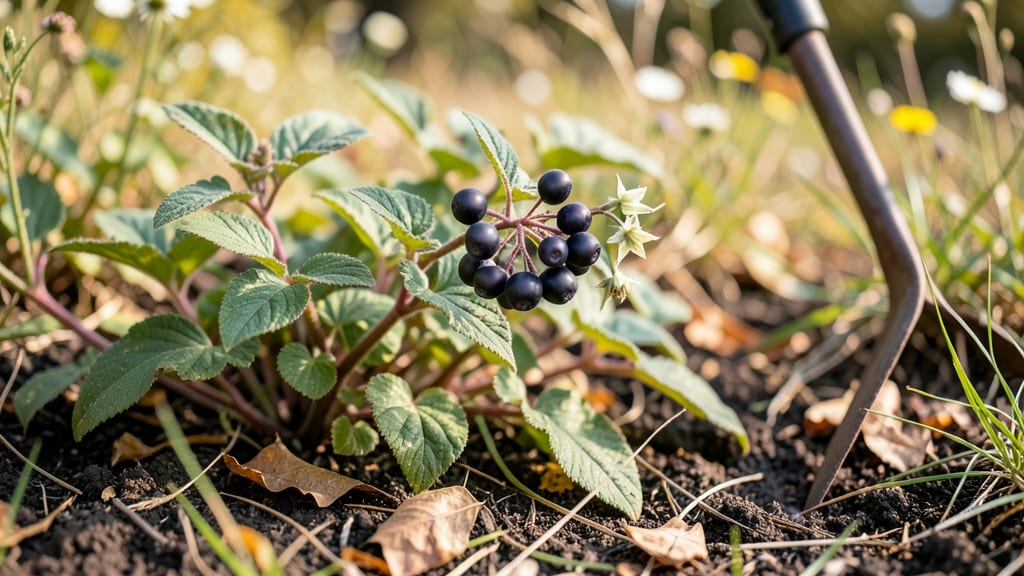
They're called nightshade because their dark, shadowy berries were historically linked to nighttime darkness and toxicity, stemming from their poisonous properties and ancient herbalists' warnings.
This name traces back to medieval Latin roots where nox (night) and umbra (shadow) described their eerie, deadly reputation. 🌙 Many nightshades, like belladonna and deadly nightshade, contain toxic alkaloids that caused severe poisoning—earning them a fearsome place in folklore.
Gardeners today still recognize the Solanum genus as the original "nightshade" family, though some cultivated varieties (like tomatoes) are now safe to eat after careful preparation.
What's fascinating is how this name persists despite modern science. While we now understand the chemical basis of their toxicity (solanine and atropine compounds), the original association with darkness remains deeply embedded in language.
Even today, seeing those glossy black berries growing wild can trigger caution—because for centuries, they were nature's most dangerous nighttime warnings.
💡 In This Article
- Botanical Origins of the Nightshade Name
- Toxic Traits of Nightshade Plants in Gardening
Botanical origins of the nightshade name
The name "nightshade" originates from the Latin words nox (night) and umbra (shadow), reflecting how these plants were perceived in medieval Europe. The dark, glossy berries of many nightshade species—like the deadly nightshade (Atropa belladonna)—resembled small, ominous shadows against the soil, especially when growing in dim, shaded areas.
This visual association with darkness was reinforced by their reputation as deadly poisons, often fatal if ingested.
Medieval herbalists and gardeners classified nightshade plants under this moniker because their toxic properties made them dangerous even in small amounts. For example, the berries of Solanum nigrum (black nightshade) contain solanine, a compound that causes severe gastrointestinal distress, hallucinations, and even death in extreme cases.
The name wasn't just descriptive—it was a warning. 🌙 The term "nightshade" became synonymous with caution, much like how "poison ivy" signals danger today.
Historically, nightshade plants were grouped together because they shared similar toxic traits and belonged to the Solanaceae family. While some members of this family—like tomatoes, potatoes, and peppers—are now staples in modern diets, their wild relatives retained the dangerous reputation.
The Latin name Solanum itself is derived from the ancient Greek word for "soot" or "darkness," further tying the plants to their shadowy associations.
What’s fascinating is how the name persists even as we’ve learned more about these plants. The toxic compounds in nightshades, such as atropine and scopolamine, were once used medicinally in tiny doses but could be lethal if misused.
This duality—both deadly and useful—only deepened the mystique around nightshades, solidifying their place in folklore as plants of the night.
Today, the term "nightshade" is often used loosely to describe any plant in the Solanaceae family, even if they’re not toxic. However, the original meaning still lingers in the names of dangerous varieties, like deadly nightshade or black nightshade.
This linguistic legacy serves as a reminder of how deeply human perception shapes the names we give to nature.