
Diseases
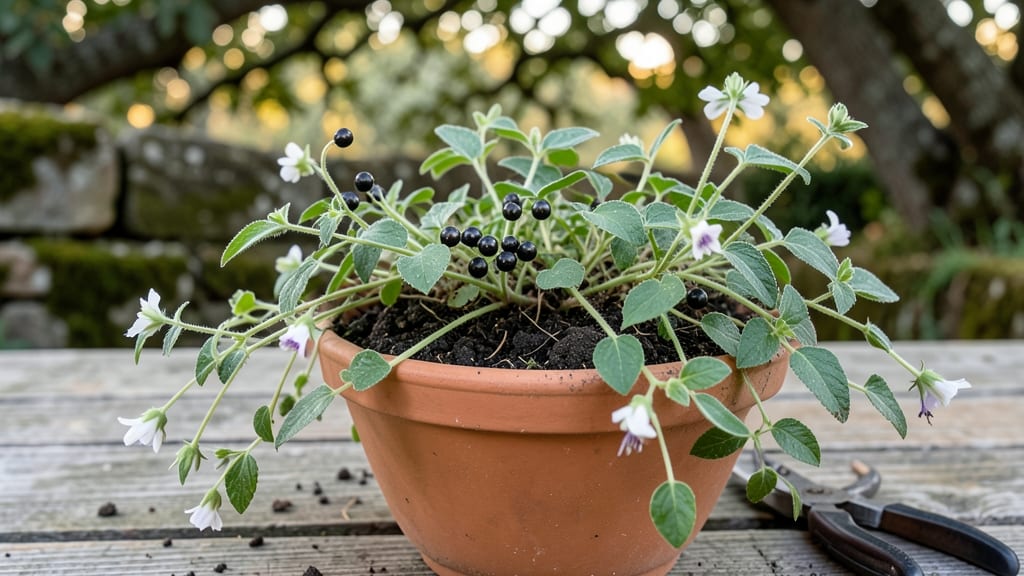
Mastering black nightshade identification is essential—it could save your garden and protect your family from this toxic lookalike. This toxic weed mimics edible plants like tomatoes, but its glossy, egg-shaped leaves, hairless stems, and clusters of tiny black berries give it away.
One bite of those berries can cause nausea, vomiting, or worse, so knowing how to spot it is critical before you pull "weeds" for dinner.
The biggest mistake gardeners make is assuming any small green plant is safe. Black nightshade thrives in disturbed soil, along fences, and in compost piles—places where edible seedlings might also sprout.
Its leaves are slightly fleshy, with a faintly bitter taste (a red flag if you’re unsure), and the stems snap cleanly when bent. Compare it to your tomato plants: black nightshade’s leaves are smaller, smoother, and lack the deep serration of heirloom varieties.
If you find it in your garden, don’t panic—but do act. Wear gloves when removing it (sap can irritate skin), and dispose of it in sealed trash, not compost. The berries are especially dangerous for pets and children, so check your yard before letting kids play or pets roam.
A quick visual scan for these telltale traits can prevent a costly—and dangerous—misidentification.
This weed pops up nationwide, but it’s most aggressive in warm, moist climates like the Southeast and Pacific Northwest. If you’re in a drier region, keep an eye out near irrigation lines or mulched beds, where it loves to hide.
Knowing its habits helps you spot it before it spreads—and before it becomes a health risk.
How Plants Mimic Nightshades
Black nightshade (Solanum nigrum) and its toxic look-alikes thrive in gardens, fields, and even urban cracks because they exploit nature’s visual and ecological cues. Misidentification often stems from how these plants intentionally resemble edible or harmless species—using color, shape, and growth patterns to survive.
Below, we break down the key reasons why these deceptive plants fool even seasoned gardeners and foragers.
Many toxic nightshades, including Solanum nigrum and its relatives, have evolved to resemble safe, nutrient-rich plants as a survival strategy. This phenomenon, called Batesian mimicry, tricks predators (and humans) into avoiding them by mimicking the appearance of palatable species.
- Leaf Shape Tricks: Black nightshade leaves are oval with pointed tips, similar to spinach, Swiss chard, or even young okra plants. Their smooth edges and light green hue make them blend into garden greens until examined closely.
- Berry Deception: The plant’s black, glossy berries mimic wild grapes or elderberries, luring animals (and curious humans) to ingest them. These berries contain solanine and solanocapsine, toxins that cause nausea, vomiting, and neurological issues.
- Stem and Flower Resemblance: The purple or white star-shaped flowers resemble those of henbane or deadly nightshade (Atropa belladonna), but black nightshade’s flowers are smaller and less fragrant. The stems, however, can look like young asparagus or celery when tender.
Actionable Tip: 🔍 Always cross-check with a field guide or app—never rely on visuals alone. Toxic nightshades often grow in disturbed soils, like garden beds, roadsides, or compost piles, where edibles are also planted.
Black nightshade and its look-alikes thrive in the same environments as edible plants, increasing the risk of accidental ingestion. Their adaptability to poor soil, shade, and urban settings means they pop up where gardeners least expect them.
| Edible Plant | Toxic Look-Alike | Shared Growing Conditions |
|---|---|---|
| Spinach / Swiss Chard | Solanum nigrum (Black Nightshade) | Moist, well-drained soil; partial shade; nitrogen-rich compost |
| Elderberry (Sambucus) | Solanum dulcamara (Bittersweet Nightshade) | Wet, wooded areas; climbs like vines; tolerates poor soil |
| Tomatoes / Potatoes | Solanum carolinense (Horse Nettle) | Full sun; sandy or rocky soil; aggressive spreaders |
Why It Matters: These plants often outcompete crops for space and nutrients, making them a persistent weed. If you’re growing edibles in containers or raised beds, toxic nightshades can still sneak in via contaminated soil or wind-borne seeds.
Pro Tip: 🌡️ Check soil temperature—black nightshade germinates best in 50–85°F soil, just like many vegetables. If your garden is warm and moist, inspect new growth weekly.
Not all parts of black nightshade are equally dangerous—but stress or damage can increase toxin levels, making identification even riskier. Here’s how environmental factors amplify the plant’s dangers:
- Green Berries = Higher Toxicity
Unripe (green) black nightshade berries contain 3–5x more solanine than ripe (black) ones. The plant produces more toxins when berries are not fully mature as a defense mechanism.
- Damaged Leaves = Bitter Taste (and Warning Sign)
When crushed or wilted, black nightshade leaves release alkaloids that make them bitter and foul-smelling. This is nature’s way of discouraging herbivores—but it also makes them easier to mistake for wilted edibles in a salad.
- Sunlight Boosts Solanine
Exposing black nightshade to direct sunlight increases solanine production by up to 40%. Shaded plants (like those under fruit trees) may have lower toxin levels, but they’re still dangerous.
Critical Note: 🚨 Never eat any nightshade plant unless 100% identified by an expert. Cooking does not neutralize solanine—it’s heat-stable and can persist even after boiling.
Key Takeaway: Toxic nightshades don’t just look like edibles—they grow where edibles do and adjust their toxicity based on stress. The best defense? Positive identification using multiple methods (leaf arrangement, root structure, and habitat).
Quick fixes for nightshade confusion
Misidentifying black nightshade (or its toxic look-alikes) can lead to dangerous poisoning—especially when foraging, gardening, or even in your kitchen. The good news? With a few simple steps, you can avoid confusion, remove risks, and keep your garden (or meals) safe.
Below, we break down the most common causes of mix-ups and how to fix them—plus prevention tips to keep you (and your family) protected.
Black nightshade (Solanum nigrum) often gets confused with cultivated nightshades like tomatoes, eggplants, or potatoes—especially when they’re still green or unripe. Here’s how to tell them apart and what to do if you’ve already made a mistake.
🔥 Immediate Fix: Don’t Eat It!
- 🍅 For Tomatoes: Black nightshade leaves are shiny, oval-shaped, and clustered near the stem, while tomato leaves are rough, hairy, and more spread out. If in doubt, peel and taste a tiny piece—bitter or soapy flavors mean it’s toxic.
- 🥔 For Potatoes: Wild nightshades (like Solanum dulcamara) grow vines with purple berries, while potatoes have deep green, lobed leaves. If you’ve dug up something suspicious, discard it immediately—even cooked, some nightshades retain toxins.
- 🍆 For Eggplants: Eggplants have large, glossy leaves with spiky stems, while black nightshade leaves are smaller and smooth. If you’ve harvested the wrong plant, compost it far from your garden to prevent spread.
🌱 Prevention Tips:
- 📊 Label Your Plants: Use bright tags or stakes to mark all nightshade varieties in your garden.
- 🌿 Learn the "Rule of Three": If a plant has three leaves or a star-shaped leaf pattern, it’s often a nightshade—assume it’s toxic until proven safe.
- 🕵️♂️ Use a Field Guide or App: Download iNaturalist or PlantNet to snap photos and get instant ID confirmation.
Black nightshade thrives in disturbed soils, meaning it can pop up in fields, roadsides, or even your backyard. If you’ve picked wild berries or greens by mistake, here’s how to handle it.
🚨 Emergency Steps:
- 💊 Seek Medical Help: If you’ve ingested black nightshade, symptoms like nausea, vomiting, or hallucinations can appear within hours. Call Poison Control (1-800-222-1222) immediately.
- 🧹 Remove the Plant: If you’ve found a patch, pull it out by the roots and bag it for disposal—never compost it near edible plants.
- 🚫 Avoid Skin Contact: Some nightshades cause skin irritation. Wear gloves when handling unknown plants.
🌡️ Prevention Tips:
- ✨ Stick to Known Safe Plants: When foraging, only eat plants you’ve positively identified—when in doubt, throw it out.
- 📍 Teach the "Berries Are Dangerous" Rule: Most toxic nightshades have small, dark berries. Never eat wild berries unless you’re 100% sure.
- 🌱 Plant a "Buffer Zone": If you garden, surround your plot with fast-growing ground covers (like clover) to crowd out weeds.
If black nightshade grows near your tomato or potato patch, it can cross-pollinate or attract pests, ruining your crop. Here’s how to clean up and protect your harvest.
🔪 Clean-Up Solutions:
- 🌱 Pull and Destroy: Remove black nightshade plants within 10 feet of your garden to prevent seed spread. Do not compost them—burn or trash them instead.
- 💦 Water Deeply: Nightshades have shallow roots. A 1-inch-deep watering daily for a week can weaken and kill young plants.
- 🐛 Use Mulch: Apply cardboard or thick mulch to block sunlight and smother weeds.
🛡️ Prevention Tips:
- 🌿 Crop Rotation: Plant nightshades in different spots each year to reduce soil-borne pests and weeds.
- 🍅 Choose Resistant Varieties: Some tomato and potato breeds are less attractive to pests—ask at your local nursery.
- 🕵️♀️ Inspect Regularly: Check your garden weekly for intruders. Early removal is key!
Even in the kitchen, black nightshade (or its seeds) can sneak into your pantry if not stored properly. Here’s how to avoid accidental poisoning.
🧺 Quick Kitchen Fixes:
- 🗑️ Discard Suspicious Containers: If you’ve stored wild-harvested seeds or greens in unlabeled jars, dispose of them—don’t risk it.
- 🔍 Check for Berries: If you’ve dried herbs or spices and find tiny black seeds, they could be from nightshade. Toss the batch.
- 🍽️ Double-Check Recipes: Some traditional remedies (like bittersweet nightshade tea) are dangerous. Verify ingredients before use.
💡 Prevention Tips:
- 📌 Label Everything: Use masking tape and a Sharpie to mark jars with contents and dates.
- 🌿 Keep Wild & Cultivated Separate: Store homegrown herbs/spices in one area and wild-harvested items in another.
- 🚫 Educate Your Household: Teach kids and roommates that wild plants = dangerous until proven safe.
With these fixes, you’ll minimize risks, keep your garden toxic-free, and avoid costly (or dangerous) mistakes. The key is vigilance—once you know what to look for, black nightshade becomes much easier to spot (and avoid)!
Frequently asked questions
What are the most dangerous parts of black nightshade?
The berries are the most toxic, containing solanine and solanocapsine that can cause severe nausea, vomiting, and neurological symptoms. The leaves and stems also contain toxins but in lower concentrations. Even small amounts of the green berries are especially dangerous as they contain 3–5x more toxins than ripe black ones.
How can I tell black nightshade apart from edible plants like spinach?
Black nightshade leaves are smooth, oval, and glossy with a faintly bitter taste, while spinach leaves are wrinkled, dull, and more textured. The stems snap cleanly when bent, and the plant grows in clusters near disturbed soil—unlike spinach, which prefers richer soil. Always check for tiny black berries as a dead giveaway.
Is it safe to compost black nightshade?
No, you should never compost black nightshade. The toxins persist even in decomposed plant matter and can contaminate your garden soil. Instead, seal it in a trash bag and dispose of it in household waste to prevent accidental ingestion by pets or wildlife.
Can black nightshade grow indoors or in containers?
Yes, black nightshade can thrive in containers or indoors if given enough sunlight and moisture. It often sneaks into potted herbs or vegetables, so always inspect new growth. If you find it, remove it immediately and dispose of it properly—don’t reuse the container for edibles without thorough cleaning.
What should I do if I accidentally ingest black nightshade?
Seek immediate medical attention or call Poison Control (1-800-222-1222). Symptoms like nausea, vomiting, or dizziness can appear within 30 minutes to 2 hours. Do not induce vomiting unless instructed by a medical professional. Keep the plant sample for identification if possible.