
Orchid Care
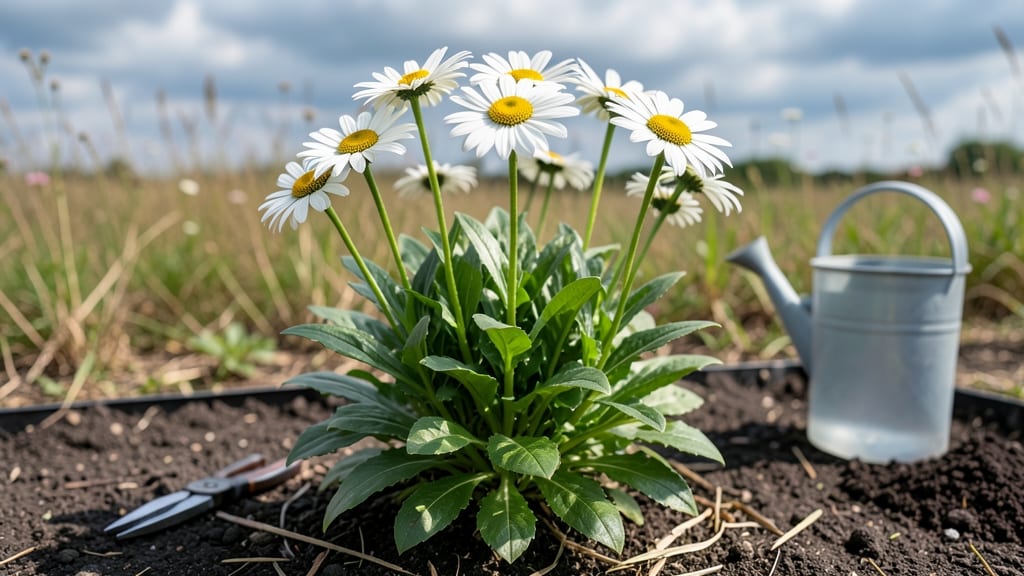
Shasta daisies thrive in full sun or partial shade, but getting the balance right is the secret to those showstopping blooms you’re dreaming of.
Struggling to decide whether your 🌼 belongs in the sunniest part of your garden or tucked under the shade? The right placement can mean the difference between vibrant blooms and struggling stems—here’s how to get it right.
Too much sun can scorch the leaves, while too little shade might leave you with leggy stems and fewer flowers. I’ll break down the ideal light conditions for your zone, plus how to spot when your daisies are begging for a change.
From soil prep to seasonal adjustments, you’ll learn exactly how to keep your Shasta daisies happy—whether they’re basking in morning sun or sipping shade all day.
 Best Window Placement
Ideal sunlight conditions for Shasta daisies: balancing brightness and blooms
Shasta daisies thrive in full sun but can tolerate partial shade—the key is finding the right balance for your climate and garden location.
These sun-loving flowers need at least 6 hours of sunlight daily to produce their iconic vibrant blooms, but too much direct sun in hot regions can stress the plant. Let’s break down how to optimize their light exposure for healthy growth and abundant flowers.
In cooler climates (USDA Zones 3-5), Shasta daisies can handle full sun exposure all day, especially if they receive afternoon shade during peak summer heat. Meanwhile, in hotter regions (Zones 6-9), they may need afternoon shade protection to prevent leaf burn or wilting.
Understanding these nuances ensures your daisies stay happy and blooming.
Here’s how to diagnose if your Shasta daisies are getting the right amount of light—or if they’re struggling due to too much or too little sun. Watch for leggy stems, sparse blooms, or yellowing leaves, all signs that their light conditions need adjustment.
| Light Condition | Sunlight Hours | Best For | Signs of Stress | Adjustments Needed |
|---|---|---|---|---|
| Full Sun | 6-8+ hours/day | Cooler climates, vibrant blooms | Leaf burn, crispy edges | Add afternoon shade cloth |
| Partial Shade | 3-6 hours/day | Hot climates, filtered light | Leggy stems, few blooms | Move to sunnier spot |
| Too Much Shade | <3 hours/day | Dense tree canopies | Pale leaves, no flowers | Relocate to brighter area |
| Intense Afternoon Sun | 6+ hours with peak sun | Southern exposures | Wilting, brown spots | Use shade cloth or prune nearby plants |
If your Shasta daisies are planted in full sun but wilting, they might need afternoon shade protection. Try placing them near a tall shrub or tree that provides dappled shade during the hottest hours.
Alternatively, use a 30-50% shade cloth to filter harsh rays while still allowing plenty of light.
For partial shade lovers, focus on morning sun and afternoon shade. This setup mimics the natural light conditions of a forest understory, where Shasta daisies can still thrive.
Varieties like 'Alaska' or 'Katie Dooley' are better suited for these conditions, producing stronger stems and more blooms than sun-starved standard types.
In hot desert climates (Zones 8-10), Shasta daisies often struggle with excessive heat. Here, partial shade with 4-6 hours of morning sun is ideal. Pair this with regular watering and mulch to keep roots cool.
If you notice yellowing leaves or leaf drop, it’s a clear sign they’re overheating.
One common mistake is assuming all Shasta daisies have the same light needs. While most varieties prefer full sun, some shade-tolerant cultivars exist. For example, 'Becky' handles partial shade better than 'Indian Summer', which demands full sun. Always check the specific variety’s care tag when selecting plants.
To test your garden’s sunlight, use a sunlight tracker app or mark a white board in potential spots for 6 hours. This helps you visualize how much direct vs. indirect light each area receives.
For example, a south-facing garden gets the most sun, while an east-facing spot offers gentler morning light.
Finally, remember that seasonal changes affect light exposure. In winter, daisies may naturally receive less sunlight, so avoid moving them to shadier spots permanently. Instead, adjust their location based on current weather patterns and plant health.
With the right balance, your Shasta daisies will reward you with lush foliage and show-stopping blooms all season.
🌼
Shade-tolerant Shasta daisy varieties: best choices for low-light gardens
If your garden has dappled shade or filtered light where Shasta daisies struggle to thrive, don't despair! Some shade-tolerant varieties actually flourish in these conditions. The key is selecting the right cultivar and adjusting care routines to maximize bloom production without sacrificing plant health.
These adaptable daisies can bring cheerful white and pink blooms to shady corners that other flowers avoid.
While most Shasta daisies prefer full sun, these low-light specialists prove that even partial shade gardens can enjoy their classic beauty. The secret lies in their genetic adaptability—some varieties have evolved to handle 3-6 hours of filtered light daily while still producing vibrant flowers.
Let's explore the top performers and how to care for them in shadier conditions.
🌿 Top Shade-Tolerant Shasta Daisy Varieties
- Becky (Pink Perfection) 🌸 Soft pink blooms, 3-4 ft tall, thrives in 3-5 hours of morning sun
- Alaska (Arctic Beauty) 🌼 Pure white flowers, 2-3 ft, handles partial shade better than most varieties
- Katie Dooley (Dwarf Delight) 🌻 Compact 1-2 ft height, pink blooms, perfect for woodland gardens
- Indian Summer (Late Bloomer) 🌼 Deep yellow centers, 3-4 ft, extends blooming season in shade
- Moulin Rouge (Velvet Pink) 🌸 Deep pink blooms, 2-3 ft, tolerates deep shade better than standard types
For shade-grown Shasta daisies, soil amendments become even more critical than sunlight. Amend your garden soil with compost or well-rotted manure to improve drainage and fertility. These varieties particularly appreciate organic matter that helps roots access nutrients in low-light conditions.
Aim for a slightly acidic to neutral pH (6.0-7.0)—you can test this with a simple soil kit from your local garden center.
Watering requires extra attention in shade. Since partial shade slows evaporation, the soil stays moist longer, but overwatering can lead to root rot. Water deeply once a week (or more during heatwaves) and always in the morning to prevent fungal diseases.
Mulch with 2-3 inches of organic mulch like shredded bark to retain moisture and regulate soil temperature—a must for shade-loving daisies.
To encourage maximum blooms, deadhead spent flowers regularly, even in shade conditions. This redirects the plant's energy from seed production to new flower growth.
In low-light gardens, you might see slightly smaller blooms, but with proper care, these shade-tolerant varieties will reward you with continuous color from early summer through fall. The key is patience—these daisies grow more slowly in shade but become hardier over time.
Remember that even shade-tolerant Shasta daisies benefit from some direct sunlight. If your garden has filtered light (like through tall trees), place them where they'll get morning sun and afternoon shade.
This balance prevents leggy growth while still supporting healthy blooming. With the right variety and care adjustments, your shade garden can become a daisy lover's paradise! 🌼