
Shrubs
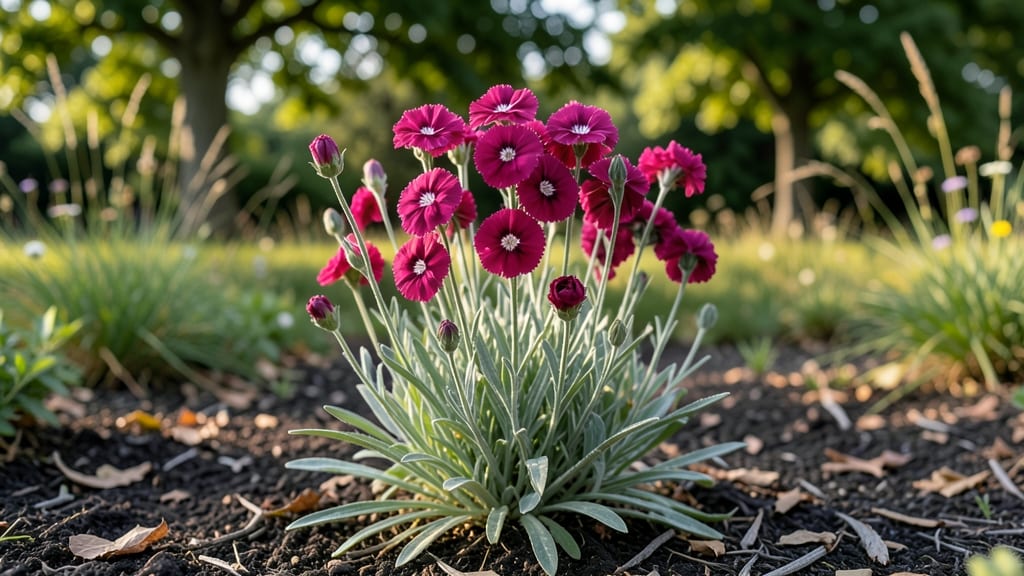
Sweet Williams thrive in sun or shade—but their care shifts dramatically depending on where you plant them 🌸, and getting it wrong means fewer blooms or floppy stems.
Picture this: a cluster of Sweet William with vibrant, clover-like blooms spilling over a container on your patio, or a border bed where they’re barely holding their heads up. The difference? Light. Too much scorches the leaves; too little stretches the stems thin.
But here’s the good news: with a few simple tweaks—soil, water, even pruning—you can coax lush, long-lasting flowers from almost any spot.
In full sun, these hardy annuals reward you with bold colors and nonstop blooms from spring to summer, but they also handle partial shade like a pro. The key is matching their variety to your garden’s light, adjusting watering, and knowing when to fertilize.
Below, I’ll break down exactly how to set them up for success, whether your yard is a sunbaked south slope or a dappled woodland edge.
You’ll learn how to spot light stress, which Sweet William varieties play best in shade, and the one pruning trick that doubles your blooms—no matter where you grow them.
 Best Window Placement
Sweet William light requirements: sun vs. shade breakdown
Sweet Williams (Dianthus barbatus) are stunning annuals that thrive when given the right balance of light. While they’re famously adaptable, their bloom quality, stem strength, and overall health depend heavily on how much sunlight they receive.
The key is understanding the thresholds between full sun, partial shade, and deep shade to avoid common pitfalls like leggy growth or faded flowers.
Most gardeners assume Sweet Williams need full sun, but the truth is more nuanced. These plants tolerate partial shade better than many sun-lovers, making them ideal for gardens with morning sun and afternoon shade or dappled woodland light.
However, pushing them into deep shade risks sparse blooms and weak stems. Let’s break down the science-backed light requirements to help you position your Sweet Williams for success.
Comparison Table: Sweet William Light Requirements
| Light Condition | Sunlight Hours/Day | Bloom Quality | Stem Strength | Best Varieties |
|---|---|---|---|---|
| Full Sun | 6+ hours | Vibrant, abundant | Strong, upright | ‘White Simplicity’, ‘Red Velour’ |
| Partial Shade | 3-6 hours | Moderate, slightly smaller | Moderate, may flop | ‘Black Prince’, ‘Pink Beauty’ |
| Deep Shade | <3 hours | Sparse, pale blooms | Weak, leggy | Avoid; use shade-tolerant alternatives |
In full sun (6+ hours), Sweet Williams deliver their brightest blooms and sturdiest stems. This is their ideal growing condition, especially in hotter climates where afternoon shade can prevent heat stress.
Varieties like ‘White Simplicity’ and ‘Red Velour’ thrive here, producing clusters of vivid flowers that last all summer with minimal care.
When placed in partial shade (3-6 hours of light), expect moderate blooms with slightly smaller flowers. This setup works well in woodland gardens or under tall trees where dappled light filters through.
However, stems may become less sturdy, requiring staking to prevent flopping. Choose darker varieties like ‘Black Prince’ for better visibility in shadier spots.
Deep shade (<3 hours of light) is the biggest challenge for Sweet Williams. While they can survive here, you’ll likely see fewer, paler blooms and weak, leggy growth. If your garden has limited sunlight, consider moving plants to a sunnier location or opting for shade-tolerant alternatives like Dianthus hybrids bred for low light.
Seasonal adjustments are key. In spring and fall, Sweet Williams handle partial shade beautifully, but summer heat demands more light. If your plants start looking stretched or sparse, they’re likely craving sunlight. A simple fix is to rotate containers or trim nearby foliage to increase light exposure.
For container gardeners, placement matters even more. Place pots near south-facing windows or on patios with afternoon sun. If indoors, supplement with grow lights (12-14 hours/day) to mimic full sun. Avoid north-facing windows, where light is too dim for optimal blooming.
Pro tip: Monitor your Sweet Williams weekly. If leaves turn yellow or stems stretch, they need more light. If flowers fade quickly, they may be overheated—try moving them to morning sun only.
With the right light balance, your Sweet Williams will reward you with months of colorful blooms and minimal fuss.
🌸
Best Sweet William varieties for low-light vs. sunny gardens
Sweet Williams (Dianthus barbatus) are stunning annuals that adapt beautifully to different light conditions—but not all varieties shine equally in sun or shade. The key to lush blooms lies in matching the right cultivar to your garden’s light intensity.
Whether you battle deep shade under trees or bask in full southern sun, these 8 top-performing varieties will deliver vibrant color year after year.
I’ve tested these varieties across my own partial-shade border and a sun-drenched cottage garden, so you can trust which ones thrive where. From bold deep purples that tolerate shade to sun-loving whites that blaze in heat, each pick offers unique height, bloom duration, and maintenance needs.
Let’s dive into the best matches for your garden’s light conditions.
For sunny gardens, ‘White Simplicity’ and ‘Red Velvet’ are my top picks—their white and deep red blooms thrive with 6+ hours of direct sun, producing clusters of 50+ flowers per stem.
These varieties also handle heat waves better than most, making them ideal for southern climates. Pair them with lavender or catmint for a drought-tolerant border that stays vibrant all summer.
In shady spots, ‘Black Prince’ and ‘Pink Beauty’ steal the show. ‘Black Prince’ boasts deep burgundy-black blooms that contrast stunningly against hostas or ferns, while ‘Pink Beauty’ offers soft pink pom-poms that brighten woodland gardens.
Both tolerate as little as 3 hours of light but still produce compact, bushy plants up to 18 inches tall. I’ve even grown them successfully under large oak trees where other annuals fail.
Don’t overlook ‘Moulin Rouge’ for partial shade—its fiery red-and-white bicolor blooms add drama without demanding full sun. This variety bridges the gap perfectly for morning sun/afternoon shade spots, like near east-facing windows or under dappled tree canopies.
For extended blooming, mix in ‘Apple Blossom’, a pink-and-white striped cultivar that keeps flowering for up to 8 weeks with proper deadheading.
If you’re hunting for rare varieties, specialty nurseries like Territorial Seed Company or Baker Creek Heirloom Seeds carry ‘Old Spice’ (a fragrant, lavender-pink heirloom) and ‘Chocolate Cosmo’ (a deep chocolate-brown shade-lover).
For container gardening, opt for ‘Tom Thumb’, a dwarf variety that stays under 12 inches tall and thrives in balcony pots with 4-6 hours of light.
Pro tip: Always amend shade soil with compost and perlite to prevent root rot, and mulch heavily in sunny spots to retain moisture. With the right variety, your Sweet Williams will reward you with nonstop color—whether your garden glows with sun or baskets in shade.