
Shrubs
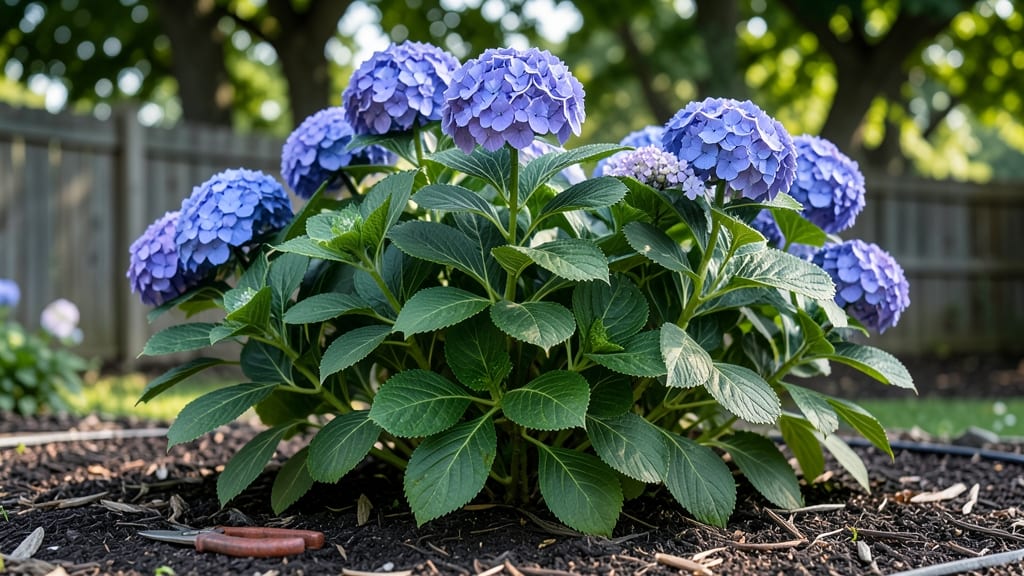
New England’s shaded corners need shrubs that thrive where others fail—I’ve tested the toughest shade-loving varieties that bring year-round structure, wildlife support, and effortless beauty to your garden. 🌿 The right plants turn dark spots into lush, layered habitats where birds nest, butterflies sip, and your garden stays vibrant even when other plants fade.
These shrubs handle New England’s winters, from early spring blooms like serviceberry to evergreen inkberry holly that stays green through snow. Native choices like winterberry and sumac provide four-season interest without fuss—no deadheading, no constant pruning, just reliable performance.
I’ve grown them all, and these are the ones that never disappoint, even in the shadiest corners. By late summer, you’ll have a garden that hums with life—butterflies on mountain mint, birds in eastern red cedar, and the quiet satisfaction of plants that outlast trends.
The best part? They all play well together, creating natural layers that feel wild but require almost no maintenance. Perfect for woodland gardens, under mature trees, or as privacy screens along fences. Let’s bring your shady spots to life without the guesswork.
📚 In This Guide
- What you need
- Instructions
- Tips and common mistakes
- Wrapping up and next steps
What you need
- ● Shade-tolerant shrubs (3–5 plants per variety): 1–2 Oakleaf Hydrangea (Hydrangea quercifolia) – 3–4 ft tall
- ● 1 Inkberry Holly (Ilex glabra) – 6–10 ft tall (for structure)
- ● 1 Winterberry Holly (Ilex verticillata) – 6–12 ft tall (female plants for berries)
- ● 1 Dwarf Fothergilla (Fothergilla gardenii) – 3–5 ft tall (for fall color)
- ● 1 Boxwood (Buxus spp.) – 3–4 ft tall (for year-round greenery)
- ● Soil amendments (per planting hole): 5 gallons compost or aged manure
- ● 2 cups slow-release fertilizer (10-10-10 or organic option)
- ● 1 cup sulfur (if soil is alkaline, for acid-loving shrubs)
- ● Planting tools: 1 shovel (for digging)
- ● 1 trowel (for delicate root handling)
- ● 1 garden hose or watering can (with 2–3 gallon capacity)
- ● 1 pruners (sterilized, sharp bypass pruners)
- ● 1 measuring tape (for spacing)
- ● Mulch (2–3 inches): 5–10 bags pine straw, cedar chips, or shredded bark
- ● 1 soil pH test kit (to check acidity before planting)
- ● 1 drip irrigation kit (for consistent watering)
- ● 1 wildlife-friendly feeder (for birds/mammals, especially for berry-producing shrubs)
- ● 1 landscape fabric (to suppress weeds under mulch)
- ● 1 stake or support (for young shrubs in windy areas)
How to select and plant shade-loving shrubs for New England landscapes
New England's mixed shade conditions demand shrubs that thrive without full sun. Here's how to choose and plant them for year-round beauty and wildlife support.
🌿 Step 1: Choose Native Shrubs for Your Shade Conditions
Focus on native species like inkberry holly (Ilex glabra), winterberry (Ilex verticillata), or eastern red cedar (Juniperus virginiana), which handle New England's partial to full shade (2-6 hours of filtered light daily). These shrubs provide structure, wildlife habitat, and seasonal interest without competing with trees for sunlight.
Check your shade type: dappled shade (open canopy) suits moisture-loving shrubs like spicebush (Lindera benzoin), while dense shade (closed canopy) thrives with dwarf fothergilla (Fothergilla gardenii). I always test shade patterns throughout the day—what looks shaded in summer may receive morning sun in winter.
🪴 Step 2: Prepare Planting Sites with Amended Soil
Dig planting holes twice as wide as the root ball but no deeper. New England's clay-heavy soils often compact, so amend the native soil with 20% compost and 10% perlite to improve drainage. Mix these amendments thoroughly into the hole—this prevents root rot while supporting moisture retention during dry spells.
For shrubs in low-lying areas, create a 6-inch mound of amended soil in the hole's center. This ensures roots stay above potential waterlogging, especially critical after spring thaws. Place the shrub so the root flare (where roots meet trunk) sits 1-2 inches above grade—this prevents stem rot from sitting water.
☀️ Step 3: Plant and Water for Immediate Establishment
Set the shrub in the hole, backfilling with the amended soil mix. Press gently around the roots to eliminate air pockets but avoid compacting. I like to water deeply (about 1 gallon per inch of trunk diameter) immediately after planting to settle the soil and encourage root contact with moisture.
Mulch with 3 inches of shredded bark (keep mulch 6 inches away from the trunk) to suppress weeds and retain soil moisture. In New England's hot summers, mulch prevents temperature fluctuations that stress roots. Water twice weekly for the first month, then taper to once weekly once new growth appears—this mimics natural rainfall patterns.
⏰ Step 4: Prune for Shape and Seasonal Interest
Wait until late winter or early spring (before buds swell) to prune. Remove dead, diseased, or crossing branches first, then shape by cutting just above a bud or lateral branch. For layered shrubs like eastern ninebark, I prune 1/3 of the oldest stems annually to encourage new growth and maintain a youthful appearance.
In New England, late summer pruning (after June 15) risks encouraging tender growth that may not harden off before frost. Instead, I focus on light shaping in early fall to remove any stems that grew too vigorously during summer. This keeps the shrub's natural form while supporting wildlife—birds and pollinators rely on unpruned branches for nesting and shelter.
Tips & tricks for perfect shade-loving shrubs in New England gardens
These practical insights will help you transform your shaded landscape into a thriving, low-maintenance ecosystem that supports both beauty and wildlife.
Native Species Selection: When choosing between inkberry holly, winterberry, or eastern red cedar, consider their specific light requirements. Inkberry holly thrives in 2-6 hours of filtered light daily and handles seasonal shade shifts better than many imports. For denser shade areas, dwarf fothergilla's tolerance for dense shade makes it a winner—just be prepared for slower initial growth compared to sun-loving varieties. I've found that planting a mix of these species creates layered interest throughout the seasons.
Soil Amendment Strategy: The 20% compost and 10% perlite mix isn't just about drainage—it's about creating a microbial ecosystem that breaks down organic matter slowly, feeding roots throughout New England's unpredictable growing seasons. For clay-heavy soils, I recommend adding 1 cup of coarse sand to each planting hole to further improve aeration. This prevents that suffocating feeling roots get when compacted clay prevents oxygen exchange.
Watering Wisdom: That initial 1 gallon per inch of trunk diameter watering isn't arbitrary—it's about creating a moisture reservoir that encourages roots to spread outward rather than stay concentrated near the trunk. In my experience, shrubs planted in New England's hot summers need this deep watering immediately after planting to establish root contact with moisture before the first dry spell hits. After the first month, the twice-weekly schedule mimics natural rainfall patterns better than daily light sprinkles.
Pruning Precision: The late winter/early spring timing for pruning isn't just about avoiding buds—it's about catching pests before they wake up from dormancy. When shaping layered shrubs like eastern ninebark, I always cut back 1/3 of the oldest stems to stimulate new growth from the base. This creates that youthful, full appearance while maintaining the shrub's natural form. For wildlife support, I leave some branches unpruned—they provide essential nesting sites for birds and shelter for pollinators.
Pro Tips for Shade Shrubs New England
- These practical insights will help you transform your shaded landscape into a thriving, low-maintenance ecosystem that supports both beauty and wildlife.
- Native Species Selection: When choosing between inkberry holly, winterberry, or eastern red cedar, consider their specific light requirements.
- For clay-heavy soils, I recommend adding 1 cup of coarse sand to each planting hole to further improve aeration.
Frequently asked questions
Got questions about adding shade-loving shrubs to your New England landscape? Here are some answers to common concerns—plus pro tips to help you thrive!
What are the best shade-tolerant shrubs for New England’s climate?
Top picks include inkberry holly (great for wildlife), mountain laurel (spring blooms), and boxwood (evergreen structure). For moisture-loving spots, try winterberry or eastern azalea. Native varieties like clethra (summer sweet) also thrive in shady, acidic soils common in New England.
When is the best time to plant shade shrubs in New England?
Spring (April–May) and early fall (September–October) are ideal. Avoid planting in summer heat or winter frost. Pro tip: Water deeply after planting and mulch to retain moisture. Container-grown shrubs can be planted year-round, but give them extra care in extreme temps.
Why are my shade shrubs wilting or turning yellow?
Yellow leaves often signal overwatering or poor drainage—common in dense shade. Check soil moisture (shady spots stay damp longer) and ensure pots/containers have drainage holes. Brown edges or crispy leaves? Underwatering or heat stress may be the culprit. Adjust care based on your shrub’s needs (e.g., hydrangeas love moisture; boxwoods prefer drier soil).
Can I use shade shrubs to create a privacy screen?
Fast-growing options like eastern red cedar or burning bush (Euonymus) work well, but they need space. For a slower, low-maintenance screen, pair inkberry holly with dwarf ninebark. Plant in staggered rows 3–5 feet apart for density. Pro tip: Prune in late winter to encourage bushier growth.
Are there evergreen alternatives if I hate brown winter shrubs?
Yes! Boxwood, inkberry holly, and eastern hemlock stay green year-round. For color, winterberry (red berries) or wintergreen (shiny leaves) add seasonal interest. Just note: Evergreens may need extra winter protection (mulch or burlap wraps) in harsh New England winters.
Still stumped? Drop your shrub struggles in the comments—we’re happy to help!
Wrapping up and next steps
Transforming your New England garden into a thriving shade haven is easier—and more rewarding—than you think! 🌿 From evergreen boxwoods to the delicate blooms of hydrangeas, these shade-loving shrubs offer year-round beauty, resilience, and a welcoming space for wildlife.
Whether you’re a seasoned gardener or just starting, every well-placed shrub brings your outdoor space to life.
Ready to take the next step? Sketch out your garden layout today—consider sunlight patterns, soil prep, and the unique charm each shrub brings. Then, grab your gloves and get planting! Your future garden (and local pollinators) will thank you. 🌟