
Orchid Care
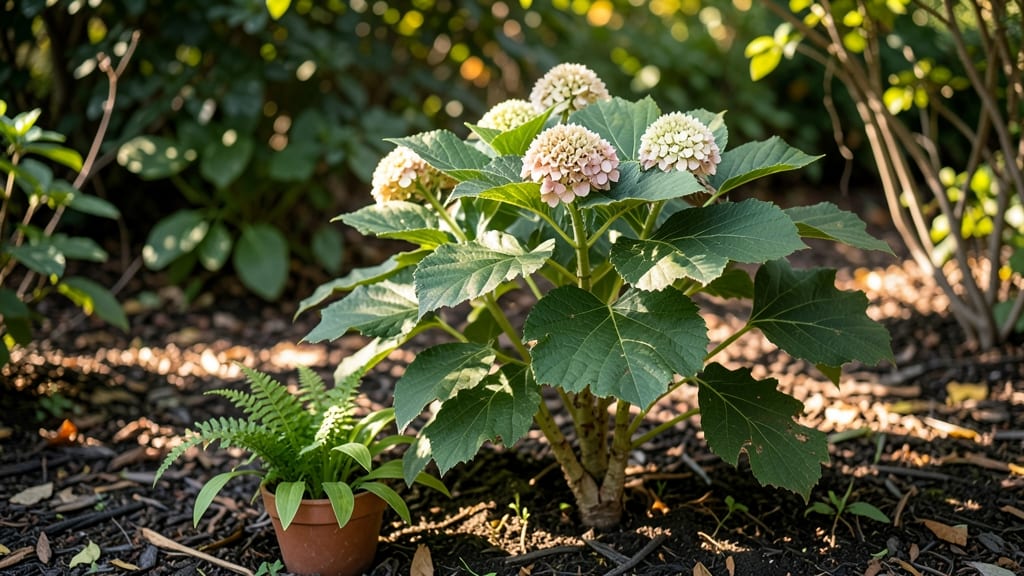
An oakleaf hydrangea thrives in partial shade 🌸 but handles sun with the right adjustments — the difference between vibrant foliage and stressed plants.
Struggling to decide whether your oakleaf hydrangea thrives better in sun or shade? The answer isn’t just about light—it’s about maximizing those stunning fall foliage colors and abundant blooms while avoiding common pitfalls that stifle growth.
Too much direct sun can scorch leaves and bleach the rich reds and purples of its signature foliage, while too little light weakens stems and reduces blooms. In USDA Zone 6a, finding that sweet spot means balancing morning sun with afternoon shade, especially during the hottest summer months.
Below, I’ll break down the ideal light conditions, how to adapt care based on sun or shade, and seasonal tweaks to keep your hydrangea looking its best year-round.
 Best Window Placement
Oakleaf hydrangea light requirements: sun vs. shade breakdown
If you’ve ever wondered whether your oakleaf hydrangea prefers basking in sunlight or lounging in the shade, you’re not alone. These stunning shrubs are famous for their vibrant fall foliage and long-lasting blooms, but their light needs can feel like a puzzle.
The truth? Oakleaf hydrangeas are partial shade lovers, but they can handle some sun—with a few key adjustments. Let’s break down how light exposure impacts growth, blooms, and foliage color for varieties like 'Snow Queen', 'Pee Wee', and 'Annabelle'.
Too much sun can scorch leaves and reduce those iconic red-orange fall colors, while too little shade might weaken stems and limit blooms. The sweet spot? Morning sun with afternoon shade—think dappled light under tall trees or an east-facing spot.
But what if your garden only offers full sun or deep shade? We’ll cover how to adapt care for each scenario, so your hydrangea stays happy and healthy year-round.
Light exposure isn’t just about blooms—it’s about the entire plant’s performance. For example, 'Snow Queen' thrives in partial shade, while 'Annabelle' can tolerate more sun but needs consistent moisture. Let’s dive into the specifics with this comparison table to help you match your hydrangea’s needs to your garden’s conditions.
| Variety | Ideal Light | Bloom Impact | Foliage Color | Sun Tolerance |
|---|---|---|---|---|
| 'Snow Queen' | Partial shade (3-6 hrs sun) | Large, lacy blooms | Deep red-purple fall | Moderate (afternoon shade best) |
| 'Pee Wee' | Partial shade (3-4 hrs sun) | Compact, abundant blooms | Bright red-orange fall | Low (scorches easily) |
| 'Annabelle' | Partial sun (4-6 hrs sun) | Massive, round blooms | Green summer, bronze fall | High (needs consistent water) |
| 'Sikes Dwarf' | Partial shade (2-4 hrs sun) | Small but frequent blooms | Vibrant red-purple fall | Low (avoid full sun) |
As you can see, 'Annabelle' is the most sun-tolerant variety, while 'Pee Wee' and 'Sikes Dwarf' prefer gentler light. But what happens when you push the limits? For instance, placing a 'Snow Queen' in full sun can turn its leaves yellow and reduce bloom size by up to 40%.
On the flip side, deep shade might weaken stems and dull foliage colors. The key is balancing light with watering and soil moisture—more on that in the next section!
Another critical factor is seasonal light changes. Oakleaf hydrangeas planted in full sun might handle summer heat if their roots stay cool and moist, but they’ll need afternoon shade in USDA Zones 7-9 where summers are intense.
In cooler climates (Zones 4-6), they can tolerate more sun year-round. Always monitor your plant’s leaves for signs of stress—yellowing or crispy edges mean it’s time to adjust light exposure.
Let’s talk about foliage color, the real star of oakleaf hydrangeas. The red and purple hues in fall develop best with moderate shade. Too much sun can fade these colors, while too little shade might result in pale, weak leaves.
For example, 'Pee Wee' in full sun might produce greenish blooms instead of its signature creamy white. The goal? Aim for dappled shade—like under a high-canopy tree—to preserve that show-stopping autumn display.
If you’re debating whether to move your hydrangea, consider its current light conditions and how it’s performing. A plant struggling in full sun might thrive with just 2-3 hours of morning light. Conversely, one languishing in deep shade could benefit from a few hours of filtered afternoon sun.
Gradual adjustments (like moving it incrementally over weeks) help avoid shock. And remember: young plants are more sensitive to light changes than mature shrubs.
One common mistake is assuming all hydrangeas have the same light needs. While oakleaf types generally prefer shade, bigleaf hydrangeas (like 'Endless Summer') can handle more sun. Mixing varieties in the same garden?
Plan their locations carefully—group shade-loving oakleaf types together and place sun-tolerant varieties like 'Annabelle' in sunnier spots. This keeps everyone happy and your garden looking intentional.
Finally, don’t overlook the role of mulch in protecting roots from temperature swings. A <
How to adjust oakleaf hydrangea care for sun or shade exposure
Adjusting your oakleaf hydrangea care for different light conditions isn't just about where you place it—it's about understanding how sun exposure or shade protection affects every aspect of its growth.
When exposed to full sun, these shrubs need more frequent watering and soil amendments to prevent stress, while shade-loving varieties benefit from richer, moisture-retentive soil. The key is matching your plant's needs to its environment without causing shock during transitions.
If you're moving an established oakleaf hydrangea from shade to sun or vice versa, do it gradually over 2-3 weeks to avoid leaf scorch or wilting. Start with 2 hours of morning sun (or less shade) and increase exposure slowly.
This mimics natural light changes and gives roots time to adapt. Pay close attention to the foliage color—deep green with hints of red or purple means it's happy, while yellowing or crispy edges signal stress.
⚠️ WARNING: Light Exposure Risks
Moving your oakleaf hydrangea from deep shade to full sun without acclimation can cause leaf scorch within days. Watch for brown edges or wilting foliage—these are early warning signs. Mulch heavily with 3-4 inches of organic mulch to protect roots from temperature swings.
✅ Solution: Use shade cloth (30-50%) for the first week during peak sun hours (11 AM–3 PM). Gradually reduce coverage over 2-3 weeks.
Shade-loving oakleaf hydrangeas in deep shade often suffer from root rot if overwatered. Soil stays damp longer, and poor airflow increases fungal risks. Test soil moisture by sticking your finger 2 inches deep—if it's still wet, hold off on watering.
✅ Solution: Amend soil with perlite or sand (20% mix) to improve drainage. Water deeply but less frequently—aim for 1 inch per week in rainy climates.
For sun-exposed oakleaf hydrangeas, focus on watering deeply 2-3 times per week during dry spells, especially in USDA Zones 7-9 where summer heat intensifies. Use a drip irrigation system or soaker hose to deliver water directly to the root zone, reducing evaporation.
In shady spots, reduce watering to once per week unless the soil is extremely dry, and always water in the early morning to prevent fungal diseases.
Pruning also changes based on light. In full sun, prune in late winter or early spring to encourage airflow and blooms, while shade-grown plants benefit from light pruning in summer to maintain shape without stressing them.
Always use sterilized pruners and remove no more than 1/3 of the plant in a single session. For sun-loving varieties like 'Snow Queen', deadhead spent blooms to redirect energy to new growth.
Soil amendments are crucial for adapting to light changes. In sunny locations, add compost and aged manure to boost organic matter, while shady areas benefit from peat moss or coconut coir to retain moisture.
Test your soil's pH level—oakleaf hydrangeas prefer acidic to neutral soil (5.5–6.5). If your soil is alkaline, mix in sulfur or pine needles to lower the pH gradually over 2-3 months.
Transitioning your oakleaf hydrangea between light levels? Start by monitoring its growth rate and leaf health for 4-6 weeks after any major changes. If you notice yellowing leaves or stunted growth, it may need more nutrients or adjusted watering.
Remember, the goal is vibrant foliage and abundant blooms—not perfection. With the right adjustments, your oakleaf hydrangea will thrive whether it's basking in morning sun or lounging in dappled shade. 🌿