
Shrubs
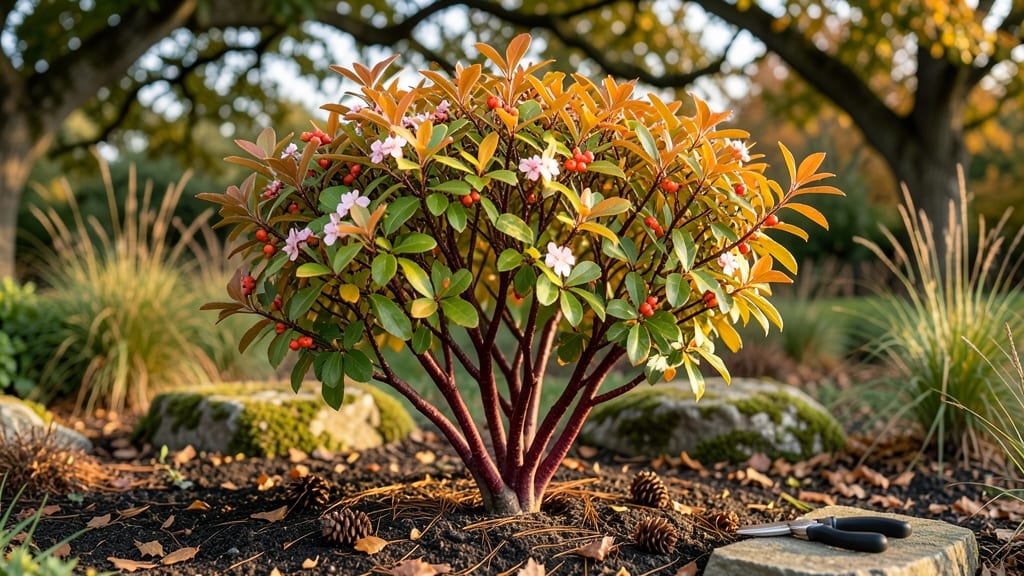
The Burning Bush 🌿 thrives in sun or shade—where you plant it determines how vibrant its signature red foliage becomes.
Picture this: a 6-foot-tall shrub with fiery fall color, but your neighbor’s plant looks half as bold. The difference? Light exposure. Too much shade dulls the hues, while too much sun can stress the roots—especially in Zone 6a climates.
Here’s the secret: this hardy shrub adapts, but it needs the right balance. We’ll break down how much sun or shade works best, how to fix faded leaves, and why partial shade might actually be the sweet spot for some regions.
By the end, you’ll know exactly where to plant yours for year-round drama—no guesswork, just stunning results.
 Best Window Placement
Burning Bush sun requirements: how much light does it need?
The Burning Bush (Euonymus alatus) is a showstopper in any landscape, thanks to its fiery red foliage and stunning winter color. But how much sunlight does it truly need to thrive?
This hardy shrub adapts well to different light conditions, but its leaf color intensity and growth rate depend heavily on exposure. Let’s break down the ideal sun requirements to keep your Burning Bush vibrant year-round.
For the most dramatic foliage color, Burning Bush performs best in full sun (6+ hours of direct light daily). However, it’s surprisingly adaptable and can tolerate partial shade (3-6 hours of sun), making it versatile for various garden spots.
The key is understanding how light levels affect its growth and color—especially in different USDA hardiness zones.
| Light Condition | Daily Sun Hours | Foliage Color Intensity | Growth Rate | Best For |
|---|---|---|---|---|
| Full Sun | 6+ hours | Deep red, vibrant | Fast, upright | Open gardens, south-facing borders |
| Partial Shade | 3-6 hours | Muted red, greenish tones | Moderate, bushier | Woodland gardens, north-facing areas |
| Deep Shade | <3 hours | Pale green, weak color | Slow, leggy | Avoid (unless no alternative) |
In full sun, your Burning Bush will reward you with the brightest red leaves and a compact, upright growth habit. This is ideal for southern climates (Zones 5-8), where intense sunlight is common.
However, if you’re in a cooler, cloudier region (Zones 3-4), partial shade may be preferable to prevent leaf scorch during peak summer heat.
For partial shade conditions, expect slightly less vibrant foliage, but the shrub will still thrive with proper care. This setup works well in woodland gardens or under tall trees, where dappled light filters through.
In these spots, focus on well-draining soil and regular pruning to maintain shape and encourage new growth.
Regional sunlight varies dramatically—what’s full sun in Arizona might feel like partial shade in Seattle. Adjust your expectations: a Burning Bush in 6 hours of sun in the Pacific Northwest may perform better than one in 8 hours of intense desert sun without extra water.
Always observe your plant’s response and adjust pruning or watering accordingly.
If you notice pale or yellowing leaves, your Burning Bush might be getting too little light. Gradually move it to a sunnier spot over a few weeks to avoid shock.
Conversely, wilting or crispy edges signal too much direct sun, especially in hot afternoons. A lightweight shade cloth can help in extreme heat while still allowing plenty of light.
Pro tip: Morning sun with afternoon shade is perfect for Burning Bush in hot climates. This balance prevents leaf burn while still delivering enough light for vibrant foliage. Pair it with mulch around the base to retain moisture and regulate soil temperature, especially in full-sun locations.
Remember, leaf color fades in shade, but the shrub remains healthy. If you prioritize year-round structure over color intensity, partial shade is a great compromise. Just be prepared for less dramatic foliage and more frequent pruning to maintain density.
For maximum impact, plant your Burning Bush where it gets at least 4-6 hours of sun daily. This sweet spot ensures balanced growth and color without stressing the plant. And don’t forget—winter sun exposure is just as important for showcasing its stunning berries and bark!
Shade-tolerant Burning Bush care: tips for low-light locations
If your yard has shady spots but you still want that vibrant Burning Bush display, don't worry! While these shrubs prefer full sun, they adapt well to partial shade with the right care.
The key lies in soil prep, strategic pruning, and smart companion planting to boost those red fall colors even in low-light areas.
When planting in partial shade, choose locations that receive at least 3-6 hours of filtered light daily. East-facing spots or areas under dappled tree canopy often work perfectly. Avoid deep shade, which can lead to pale foliage and weak growth.
Your goal is to maximize light exposure while protecting the plant from harsh afternoon sun that shade areas often lack.
Amend clay-heavy soils with organic matter (compost or peat moss) to improve drainage. Burning Bush in shade needs well-aerated roots to prevent root rot from excess moisture. Test soil pH (ideal: 6.0-7.0) and adjust with lime if too acidic.
For enhanced color in shady spots, prune your Burning Bush in early spring to remove dead or crossing branches. This encourages new growth that will receive more light as the season progresses.
Thin out dense areas to improve air circulation, which helps prevent fungal diseases common in shaded, humid environments.
Pair your Burning Bush with companion plants that thrive in shade but complement its colors. Try Japanese maple for contrasting foliage or hydrangeas for soft texture. Avoid competitive plants like ivy, which can smother your shrub's roots.
Mulch with wood chips to retain moisture and regulate soil temperature during hot summer months.
Fertilize lightly in early spring with a balanced 10-10-10 formula to support growth without overstimulating tender new shoots. In shade, reduce fertilizer by half compared to full-sun plants. Over-fertilizing can lead to excessive leafy growth at the expense of those showstopping red hues you're after.
Monitor your Burning Bush throughout the season for signs of light stress, like yellowing leaves or sparse branching. If needed, gradually move it to a sunnier spot over 2-3 years to avoid shocking the plant.
With patience and these shade-friendly strategies, your Burning Bush will still deliver stunning seasonal color even in low-light locations. 🌳