
Light Requirements
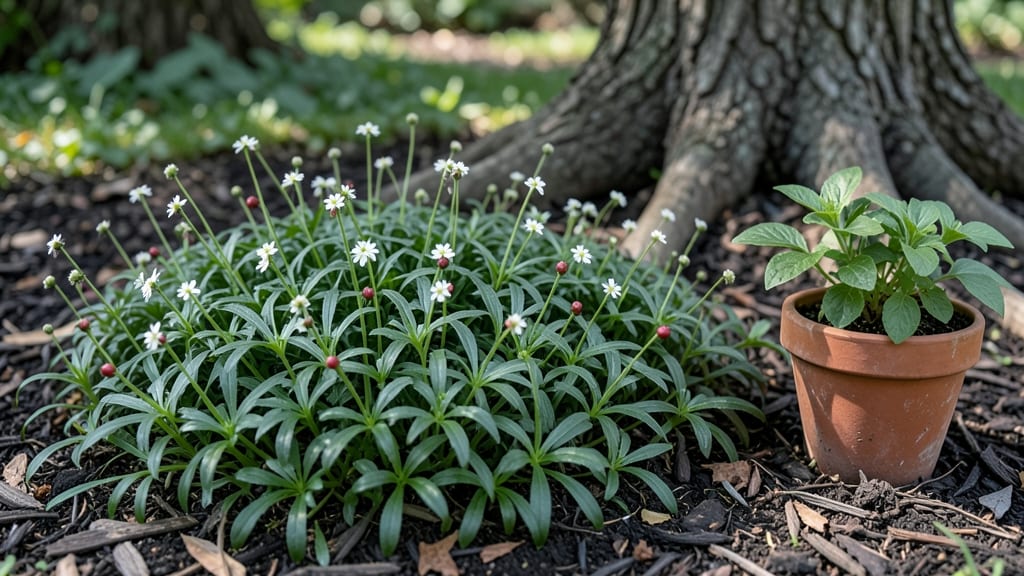
Growing shade-loving herbs transforms dark corners into fragrant, productive spaces. 🌿 I’ve turned my north-facing balcony—where sunlight barely touches—into a thriving herb garden, and you can too. The key isn’t fighting the shade; it’s choosing the right plants and giving them what they actually need to flourish.
Start with herbs like mint, parsley, chives, and lemon balm—these thrive in low to partial shade and even reward you with bold flavors.
The secret lies in well-draining soil, regular watering (shade means slower evaporation), and a little extra love like reflective surfaces or companion planting to coax more light toward them. Containers work best for control, but in-ground beds need amended soil to prevent soggy roots.
By midseason, you’ll harvest vibrant, bushy herbs that outperform store-bought bundles. Prune regularly to encourage dense growth, and watch for leggy stems—this is your cue to move plants to slightly brighter spots or add a grow light. The payoff? Fresh, homegrown greens year-round, even where others give up.
This method scales from tiny windowsills to full shade gardens. Whether you’re fixing a balcony, lining a path, or filling a forgotten corner, these herbs deliver foolproof results with minimal fuss. Let’s get those pots planted—and keep the shade from holding you back.
📚 In This Guide
- What you need
- Instructions
- Tips and common mistakes
- Wrapping up and next steps
What you need
- ● Containers: 4–6 6–8-inch diameter pots (with drainage holes) for individual herbs
- ● OR 1 12–16-inch wide shallow tray (for grouping herbs)
- ● Growing Medium: 2–3 bags of well-draining potting mix (avoid garden soil—it compacts)
- ○ 1 cup perlite or vermiculite (for aeration, optional but recommended)
- ● Herb Starters: 4–6 young herb plants (or seeds + seed-starting kit if growing from scratch)
- ● Basic Tools: 1 small trowel or spoon (for planting)
- ● 1 spray bottle (for gentle watering)
- ● 1 measuring cup (for mixing soil amendments)
- ● Light Solutions (if natural shade is too dark): 1 grow light bulb (full-spectrum LED, 10W–15W) OR
- ● 1 clip-on LED grow light (for windowsills)
- ○ Optional Upgrades: Self-watering wick system (to prevent overwatering)
- ● Herb-specific fertilizer (balanced 10-10-10 or fish emulsion)
- ● Decorative pebbles or moss (for aesthetic trays)
Step-by-step guide to growing thriving shade-loving herbs
Here’s how to create a lush, productive herb garden in low-light spots—no sunlight required.
🪴 Step 1: Select the Right Containers and Soil Mix
Choose containers with drainage holes—6-8 inch pots work well for single plants, while larger 12-inch containers can hold 3-4 smaller herbs. I prefer terracotta because it breathes and prevents root rot in shady conditions. Fill each with a moist, well-draining potting mix enriched with 20% perlite or vermiculite to improve aeration.
Press the soil down gently to remove air pockets, but don’t compact it—shade-loving herbs need loose roots to access moisture. Water the mix thoroughly until it’s damp 1-2 inches deep, then let it drain completely before planting. This ensures roots start in evenly moist (not soggy) soil.
🌱 Step 2: Plant the Best Shade-Tolerant Herbs
For partial shade (3-6 hours of light), try parsley, chives, mint, or cilantro—they thrive with morning sun and afternoon shade. In full shade (under 3 hours of light), stick to lemon balm, sweet woodruff, or golden chervil. Space plants 6-8 inches apart to allow airflow and prevent fungal issues.
Dig a hole twice as wide as the root ball but no deeper—shallow roots in shade need quick access to moisture. Gently tease apart any circling roots before placing the plant in the hole. Press soil around the base firmly to eliminate gaps, then water deeply to settle everything. Avoid burying stems too deep; 1 inch above soil level is ideal.
☀️ Step 3: Adjust Light and Water for Shade Success
Shade-loving herbs need bright, indirect light, so place containers near north-facing windows or under sheer curtains. If growth slows, supplement with a grow light 6-12 inches above plants for 12-14 hours daily. You’ll notice leggy stems or pale leaves when light is insufficient—this is your cue to move closer to the light source.
Water when the top inch of soil feels dry, but never let pots sit in saucers of water. Shade plants drink less but still need consistent moisture. I water mine every 2-3 days in summer, reducing to once a week in cooler months. Overwatering in shade is the fastest way to kill roots.
✂️ Step 4: Prune and Maintain for Continuous Growth
Pinch back leggy stems to encourage bushier growth, and harvest leaves regularly to prevent flowering. For parsley and cilantro, snip outer stems 2 inches above a leaf node—this stimulates new shoots. Mint and lemon balm spread aggressively, so trim back one-third of the plant after harvests to keep them compact.
Fertilize lightly every 4-6 weeks with a balanced, water-soluble fertilizer diluted to half strength. Shade plants are sensitive to salt buildup, so always rinse the soil after feeding. Watch for yellowing leaves—a sign of over-fertilization or poor drainage. Adjust care immediately if you see this, as it spreads quickly in shade conditions.
Tips & tricks for perfect shade-loving herb gardens
Between us, growing herbs in low-light spots takes a little extra finesse—but these tricks will help you avoid the most common pitfalls and keep your greens thriving.
Container Material Matters: While terracotta is ideal for breathability, plastic or ceramic containers work too—just ensure they have drainage holes. I’ve found that black plastic pots absorb heat better in cooler spaces, which can help shade-loving herbs like mint and lemon balm stay slightly warmer. If using ceramic, avoid glazed varieties that trap moisture and promote root rot.
The Soil Mix Secret: Don’t skimp on the perlite or vermiculite—those 20% additives are non-negotiable for shade gardens. I’ve ruined plants by using regular potting soil alone; the extra aeration prevents waterlogging, which is especially critical when you’re watering less frequently. For extra insurance, add a handful of orchid bark to improve drainage further.
Light Supplement Strategy: If your herbs start looking pale or leggy after the 12-14 hours of grow light, you’re either too far away or the bulb isn’t strong enough. LED grow lights are my go-to—they’re energy-efficient and emit the full spectrum herbs need. Position them just 6 inches above the plants for maximum impact, and swap out bulbs every 6-12 months as their output dims.
Harvesting Hack: When snipping parsley or cilantro stems 2 inches above a leaf node, always use clean, sharp scissors. Dull blades crush stems and invite disease, especially in humid shade conditions. I keep a small pair dedicated just to my herb garden and wipe them with rubbing alcohol between uses to prevent cross-contamination.
Pro Tips for Shade Loving Herbs
- Between us, growing herbs in low-light spots takes a little extra finesse—but these tricks will help you avoid the most common pitfalls and keep your greens thriving.
- Container Material Matters: While terracotta is ideal for breathability, plastic or ceramic containers work too—just ensure they have drainage holes.
- The Soil Mix Secret: Don’t skimp on the perlite or vermiculite—those 20% additives are non-negotiable for shade gardens.
Frequently asked questions
Got questions about growing shade-loving herbs? You’re not alone!
Here are answers to the most common queries to help you cultivate lush, flavorful greens—even in low-light spots.
Can shade-loving herbs grow in complete darkness?
Nope! While these herbs tolerate partial shade, they still need at least 3–4 hours of indirect light daily. A north-facing window, dappled sunlight, or a grow light (6–8 hours) works best. If your space is pitch-black, consider a sunroom or balcony with filtered light instead.
How long does it take for shade herbs to grow?
Patience is key! Most shade-tolerant herbs like mint, parsley, or cilantro sprout within 1–2 weeks and reach harvestable size in 4–6 weeks. Slower growers like chives or lemon balm may take 6–8 weeks. Keep soil moist and fertilize lightly (every 4–6 weeks) for faster growth.
What’s the best alternative if my herbs look leggy or weak?
Leggy herbs mean they’re stretching for light! Try these fixes:
- Move them closer to the brightest spot (even a south-facing window helps).
- Rotate pots weekly so all sides get even light.
- Use a grow light (LED or fluorescent) 12 inches above plants for 6–8 hours/day.
- Prune the top leaves to encourage bushier growth.
Why are my shade herbs turning yellow or wilted?
Yellowing leaves often signal overwatering or poor drainage. Wilting can mean underwatering or root stress. Check these:
- Water only when the top inch of soil is dry—shade herbs hate soggy roots!
- Ensure pots have drainage holes and use well-draining soil.
- Reduce humidity if leaves feel mushy (use a fan or open windows).
- Fertilize lightly (half-strength balanced fertilizer) to avoid burning roots.
Can I grow shade herbs in containers on a balcony?
Absolutely! Containers are perfect for shade herbs—just pick lightweight pots (10–12 inches deep) with drainage. Use a herb-specific potting mix (or mix garden soil with perlite). Place pots near a railing or wall to reflect light, and rotate them often. Bonus: Mint and thyme thrive in hanging baskets!
Wrapping up and next steps
Growing shade-loving herbs is a game-changer for gardeners with limited sunlight!
Whether you’re working with dark corners, balconies, or cozy indoor spaces, these resilient greens prove that you don’t need full sun to cultivate flavor and beauty. 🌿✨ From mint’s refreshing punch to parsley’s versatility, these herbs thrive where others falter—so get creative and experiment with your own shade-friendly recipes.
Ready to level up your green thumb? Start small: pick one herb from this list, plant it in a pot, and watch it flourish. Next, try swapping it into your favorite dishes—your taste buds (and your plants!) will thank you. Happy gardening! 🌱