
Pruning
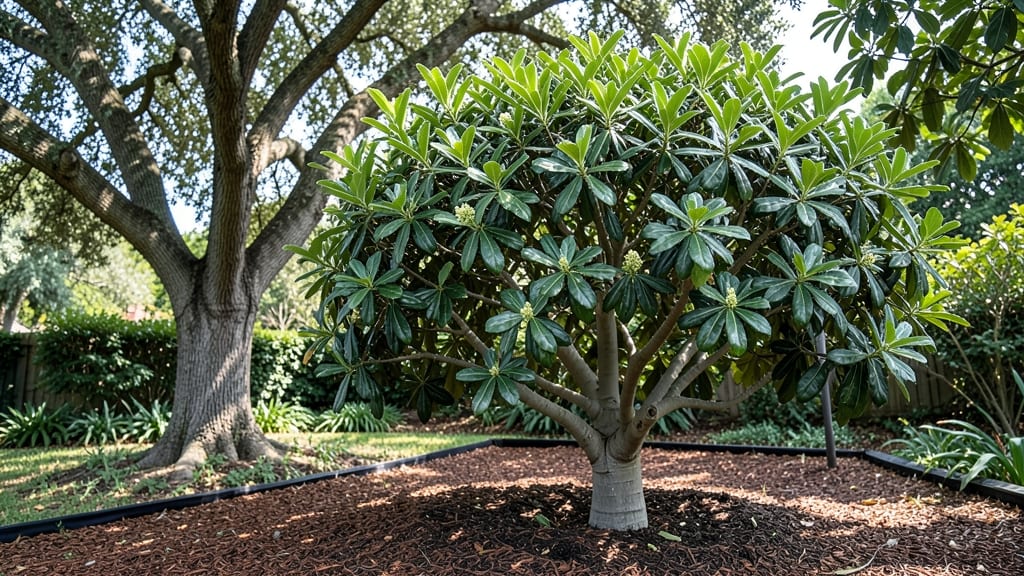
Your avocado tree needs shade to survive brutal afternoon sun—especially in zones 9-11 where those 110°F peaks turn leaves to crispy paper. 🌿 I learned this the hard way when my first tree’s fruit turned bitter and the trunk cracked from heat stress.
The secret isn’t just some shade—it’s filtered light that mimics its native forest understory.
Young trees (under 5 years) need 50-70% shade during peak sun, while mature trees can handle 30-50% shade once established. Artificial shade cloth (30-50% block) is your best bet—it diffuses light without blocking airflow.
Natural options like fast-growing vines or a well-placed fence work too, but avoid dense shade that starves the tree.
Too much sun scorches leaves and stunts fruit; too little shade makes trees leggy and prone to pests. You’ll know you’ve got it right when new growth stays dark green and glossy, not yellow or sunburned.
With proper shade, your tree will reward you with creamier fruit and thicker canopies.
Climate matters: Coastal areas need less shade than inland deserts, and container-grown trees dry out faster. Start with shade cloth, then adjust based on leaf color and fruit quality. Patience here pays off—your tree will thank you with harvests for decades.
📚 In This Guide
- What you need
- Instructions
- Tips and common mistakes
- Wrapping up and next steps
What you need
- ● Shade cloth: 30-50% UV-blocking fabric (choose based on your climate—30% for cooler areas, 50% for intense sun). Quantity: Enough to cover the tree’s canopy (typically 6’x8’ to 10’x12’ per tree, depending on size).
- ● Support structure: For temporary shade: PVC pipes (½” diameter, 10-12 ft tall), T-posts, or sturdy wooden stakes (4-6 per tree).
- ● For permanent shade: Metal hoops (galvanized, 2-3 ft diameter), shade sails, or a freestanding shade house kit.
- ● Fasteners: Heavy-duty zip ties (100+), bungee cords, or clothespins (for securing shade cloth to stakes).
- ● Measuring tape: 25 ft for accurate fabric cutting.
- ● Scissors or utility knife: For trimming shade cloth to size.
- ○ Staple gun (optional but helpful): For securing edges of shade cloth to structures.
- ● Reflective mulch: White or silver mulch around the base to deflect extra heat (1-2 bags).
- ● Drip irrigation kit: To keep the tree hydrated under shade (especially in hot climates).
- ● Windbreaks: Additional stakes or netting if your area is prone to strong winds.
- ● Adjustable shade frames: For seasonal flexibility (e.g., removable hoops for winter sun access).
Step-by-Step guide to protecting your avocado tree from harsh sun
Here's how I keep my avocado tree thriving in sunny climates without scorching its delicate leaves.
☀️ Step 1: Assess Your Tree's Current Sun Exposure
Start by observing your avocado tree during the hottest part of the day—around 11 AM to 3 PM. Look for signs of stress: crispy leaf edges, yellowing, or leaves curling toward the sun. These are clear indicators your tree needs shade relief. Avocados prefer morning sun but can't handle full afternoon sun in most climates.
I like to mark the sunniest spots with a flag or string line to visualize the exact area needing protection. This helps when choosing shade solutions later. If your tree is in a container, you can move it to a partially shaded spot during peak heat hours—just don't leave it in full shade all day, as avocados need some light to fruit.
🌿 Step 2: Choose the Right Shade Solution
For permanent shade, I recommend 50-70% shade cloth stretched over a frame. This allows enough light for photosynthesis while blocking harmful UV rays. Avoid solid structures like fences or walls, which can trap heat and suffocate the tree. If you're dealing with intense afternoon sun, focus shade cloth on the south or west side of the tree.
For temporary relief, I use movable shade sails or even a white umbrella during the hottest hours. The key is to provide dappled shade—enough to cool the leaves but not so dense that it blocks all light. You'll see the difference immediately: leaves stay a vibrant green instead of turning brown at the edges.
🪴 Step 3: Install Shade Properly for Maximum Effect
If using shade cloth, install it 3-4 feet away from the tree to allow airflow and prevent moisture buildup. Secure the edges tightly so wind doesn't tear it loose. For containers, I drape lightweight shade fabric over the pot itself, ensuring it doesn't block drainage holes. The goal is to protect the top and sides of the tree where leaves are most exposed.
Here's the thing—don't cover the entire tree. Focus on the canopy where most leaves are. You'll know you've got it right when the tree looks cooler to the touch and new growth appears within 2-3 weeks. If you notice leaves still wilting, the shade might be too intense—remove a portion of the covering to let more light through.
💧 Step 4: Adjust Watering for Shaded Conditions
Shade changes how quickly soil dries out. With shade cloth in place, water every 2-3 days instead of daily, checking that the top 2 inches of soil stay moist but not soggy. Avocado trees hate "wet feet," so ensure containers have drainage holes and outdoor trees are planted on a slight mound.
I also mist the leaves lightly in the morning to help them retain moisture. You'll see a difference in leaf crispiness within a week—shiny, plump leaves mean your adjustments are working. If leaves start yellowing again, you might be overwatering. Let the soil dry out slightly between waterings to avoid root rot.
⏰ Step 5: Monitor and Adjust Seasonally
Shade needs change with the seasons. In summer, keep shade cloth in place during peak heat, but remove it in late afternoon to allow sunlight for fruit development. In winter, you can reduce shade to 30% since cooler temperatures mean less stress. Watch for new growth patterns—if branches stretch toward the light, your shade isn't balanced.
I check my tree weekly during transitions. If you see new leaves curling, it might need slightly more shade. If fruit drops prematurely, it might need a bit more sun. The goal is to find that sweet spot where your avocado tree stays healthy, green, and productive year-round.
Tips & tricks for protecting your avocado tree from harsh sun
Here's what nobody tells you about keeping your avocado tree thriving in sunny climates without sacrificing its health.
Timing is Everything: When assessing sun exposure in Step 1, focus on the 11 AM to 3 PM window—this is when UV rays are most intense. I've seen trees with perfect morning sun get scorched because owners only checked midday exposure later in the day. Use a small white flag to mark the sunniest spots; it's a visual cue that helps you visualize where shade is needed most.
Shade Cloth Selection: The 50-70% shade cloth recommendation in Step 2 isn't arbitrary—it's the perfect balance between protection and photosynthesis. I learned this the hard way after using 90% shade cloth, which stunted my tree's growth. For containers, opt for lightweight fabric that can be easily draped and adjusted. The goal is to mimic natural dappled shade, like what avocados experience under larger trees in their native habitat.
Installation Secrets: When installing shade in Step 3, remember that 3-4 feet of distance isn't just about airflow—it's about creating a microclimate. I position my shade cloth slightly higher than the tree's canopy to prevent heat buildup at leaf level. For container trees, I use a small hoop system that keeps the fabric just above the leaves without blocking airflow to the pot's sides.
Seasonal Adjustments: The seasonal changes in Step 5 are crucial—don't just set up shade and forget about it. In summer, I keep shade cloth in place until 4 PM to give the tree afternoon sunlight for fruit development. In winter, I reduce to 30% shade and monitor daily. The key is to watch your tree's behavior: if new leaves appear curled, it's asking for more shade; if fruit drops prematurely, it needs more light.
Pro Tips for Shade For Avocado Tree
- Here's what nobody tells you about keeping your avocado tree thriving in sunny climates without sacrificing its health.
- Timing is Everything: When assessing sun exposure in Step 1, focus on the 11 AM to 3 PM window—this is when UV rays are most intense.
- Shade Cloth Selection: The 50-70% shade cloth recommendation in Step 2 isn't arbitrary—it's the perfect balance between protection and photosynthesis.
Frequently asked questions
Got questions about protecting your avocado tree from the sun? You’re not alone! Here are some of the most common concerns—and straightforward answers—to help you keep your tree thriving under the right shade conditions.
What’s the best type of shade for an avocado tree?
Avocado trees thrive with dappled shade—think light filtering through trees or shade cloth (30-50% blockage). Avoid dense, dark shade, which can stunt growth. Use materials like lightweight fabric or mesh to mimic natural conditions while allowing airflow.
How long should I provide shade for a young avocado tree?
Young trees (under 3 years) need shade for 6-12 months to establish roots. Gradually reduce shade as they mature—adult trees can handle morning sun + afternoon shade in hot climates. Monitor leaf burn (brown edges) as your guide!
Can I use shade cloth instead of natural shade?
Shade cloth (30-50%) is a great alternative, especially in urban areas. Secure it 3-4 feet above the tree to prevent mold and allow airflow. Remove it during cooler months or when temps drop below 80°F to encourage sun adaptation.
What if my avocado tree’s leaves turn yellow or brown?
Yellowing leaves often signal too much sun or stress. Brown edges? Likely sunburn. Adjust shade immediately and water deeply. If yellowing persists, check for pests or nutrient deficiencies (like iron chlorosis) and amend soil with compost.
Does shade affect avocado fruit production?
Yes—but balance is key! Too much shade reduces fruit set, while too little stresses the tree. Aim for partial shade in peak summer (10 AM–4 PM) to protect leaves while allowing enough light for photosynthesis. Mature trees often bear fruit better with filtered sun.
Still unsure? Drop your question below—we’re happy to help your avocado tree shine (literally)!
Wrapping up and next steps
Giving your avocado tree the right shade for avocado tree isn’t just about protecting its leaves—it’s about setting the stage for bountiful, healthy fruit! 🌿 Whether you’re using shade cloth, strategic pruning, or natural barriers, the key is balance: enough sun for energy, but relief from scorching heat.
Your tree will thank you with stronger growth and sweeter harvests.
Ready to take action? Start small—monitor your tree’s response to shade adjustments and tweak as needed. Your avocado’s future is in your hands! 🍳