
Flowers
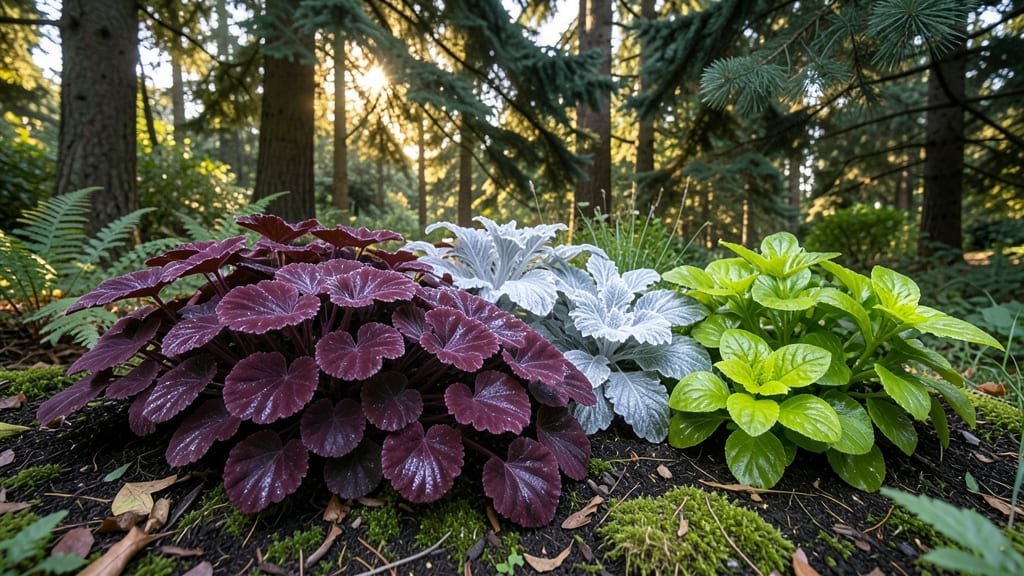
Zone 5 gardens often struggle with shady spots where sunlight barely reaches—but these 10 shade-loving flowers prove that vibrant blooms aren’t just for sunny patches. From delicate perennials to bold annuals, these plants thrive in low light while attracting pollinators and adding texture to dark corners.
Bleeding Heart for Woodland Gardens
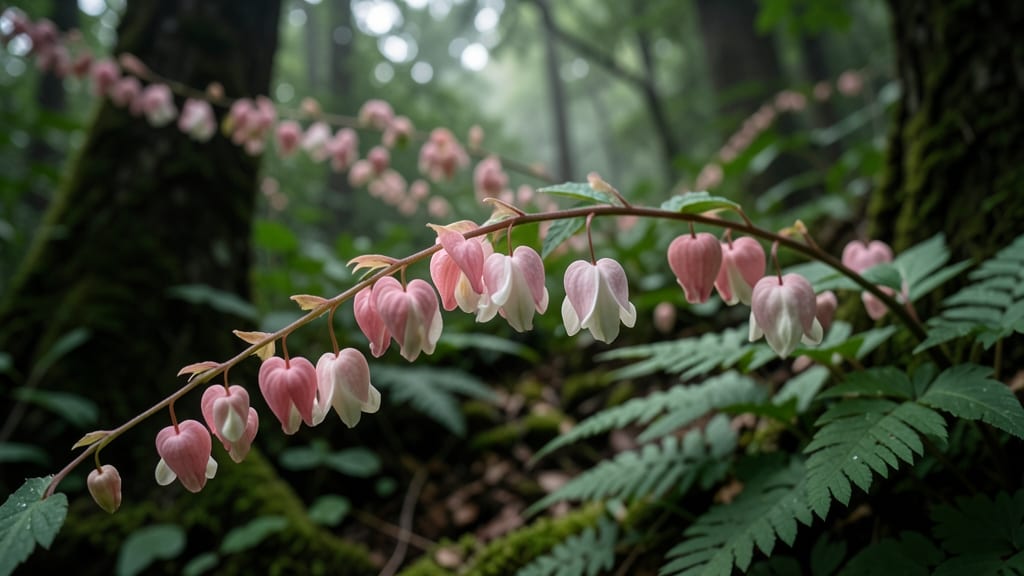
Transform your darkest garden corners into romantic retreats with bleeding heart (Dicentra spectabilis), a Zone 5 staple that thrives where most flowers struggle. Its iconic heart-shaped blooms in blush pink and white cascade gracefully from arching stems, creating a dreamy woodland effect that lasts from late spring through summer.
This low-maintenance perennial loves deep shade (even under dense tree canopies) and moist, well-drained soil—making it perfect for cottage gardens or forest edges. After blooming, its lush, fern-like foliage stays attractive until fall. For best results, plant in spring and divide clumps every 3-4 years to keep them vigorous. Pair it with hostas or fern for a lush, layered look.
Bleeding heart is especially magical for gardeners who love whimsical, old-fashioned charm without the fuss. Its delicate blooms attract hummingbirds, and its spreading habit creates natural drifts over time—ideal for beginners or those craving a touch of fairy-tale magic in their shade garden. 🌷
Hostas with Variegated Foliage
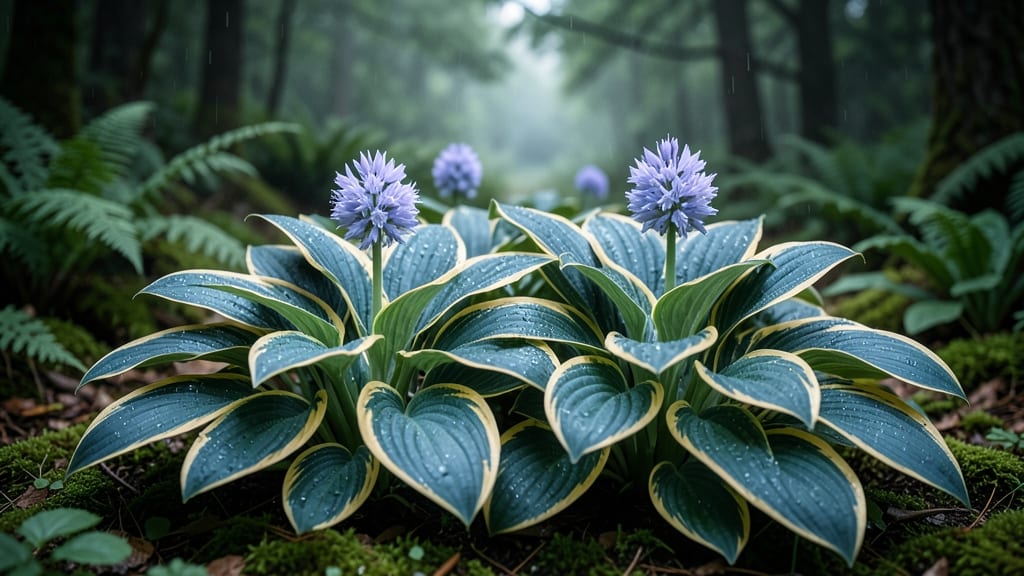
Think of hostas as the dual-purpose superstars of shade gardens—where their variegated foliage steals the show year-round, and their lavender blooms add a surprise summer bonus. Varieties like 'Blue Angel' and 'Halcyon' offer bold blue-green leaves with cream or gold edges, creating a lush, textured backdrop that thrives in deep shade to partial sun.
These hostas are low-maintenance workhorses that handle Zone 5 winters with ease, while their delicate flower spikes (often overlooked) rise above the foliage in midsummer. For best results, plant in well-draining, moist soil with a thick layer of mulch to protect roots and enhance their striking colors. Deer tend to avoid them, making them ideal for problem areas.
Perfect for gardeners who love textural contrast** without high upkeep, these hostas pair beautifully with ferns and bleeding hearts. Their foliage remains vibrant even in winter, ensuring your shade garden stays dynamic all year. 💚
Japanese Painted Fern for Texture
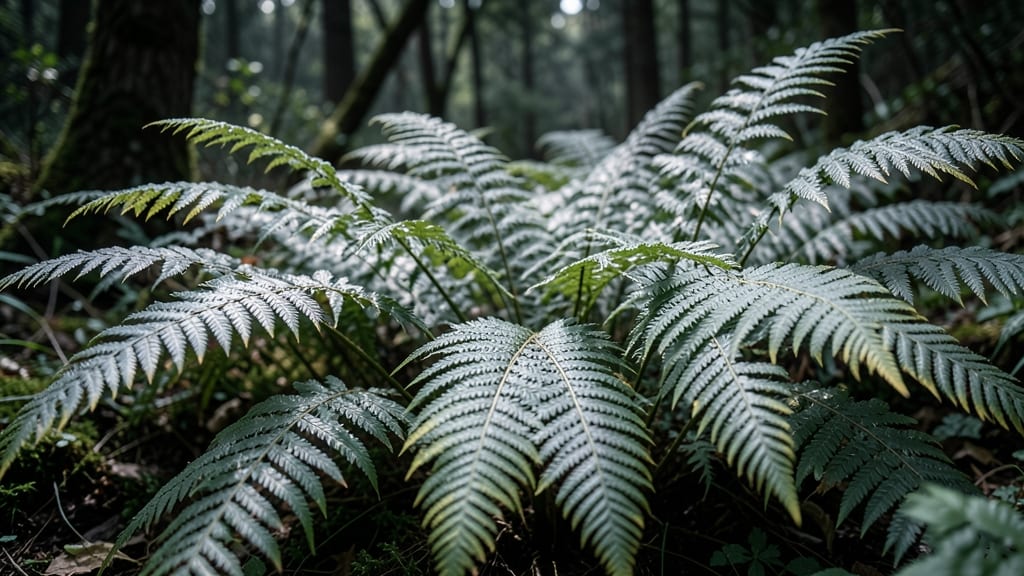
Tired of shady borders that look dull and flat? The Japanese painted fern (Athyrium niponicum var. pictum) transforms dark corners with its silvery-gray and deep green fronds, creating a striking contrast that draws the eye upward. Unlike many shade plants that rely on flowers, this evergreen fern delivers year-round texture—even when other plants are dormant.
This hardy fern thrives in deep shade (even under dense tree canopies) and tolerates moist, well-draining soil, making it ideal for woodland gardens or north-facing beds. Reaching 18–24 inches tall, it adds vertical interest without overpowering smaller plants. Simply divide clumps every 3–4 years to keep it vigorous—no fussy care required!
Perfect for gardeners who want low-maintenance drama, this fern pairs beautifully with hostas or bleeding hearts for a lush, layered look. 💚
Impatiens for Instant Summer Color
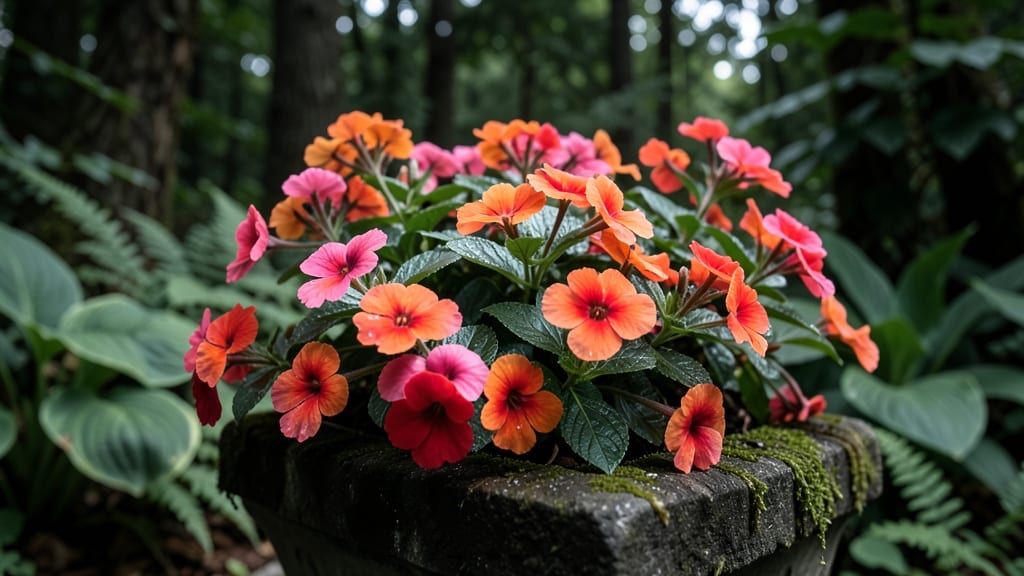
Tired of shady spots that look dull and lifeless? Impatiens are the secret weapon for turning dark corners into vibrant displays of color—without needing a single ray of direct sunlight.
These cheerful annuals burst into nonstop blooms from spring until frost, offering bright red, pink, or orange flowers that fill gaps in garden beds or spill over container edges. They thrive in partial to full shade**, making them perfect for under trees, north-facing walls, or even balcony containers. Just keep the soil consistently moist (they hate drying out), and you’ll enjoy a summer-long show with minimal effort.
Urban gardeners and beginners will love how easy impatiens are to grow—they’re fuss-free, fast-growing, and create instant curb appeal. Plant them in clusters for maximum impact, and watch your shady spots transform into a blooming paradise. 🌻
Hellebores for Early Spring Blooms
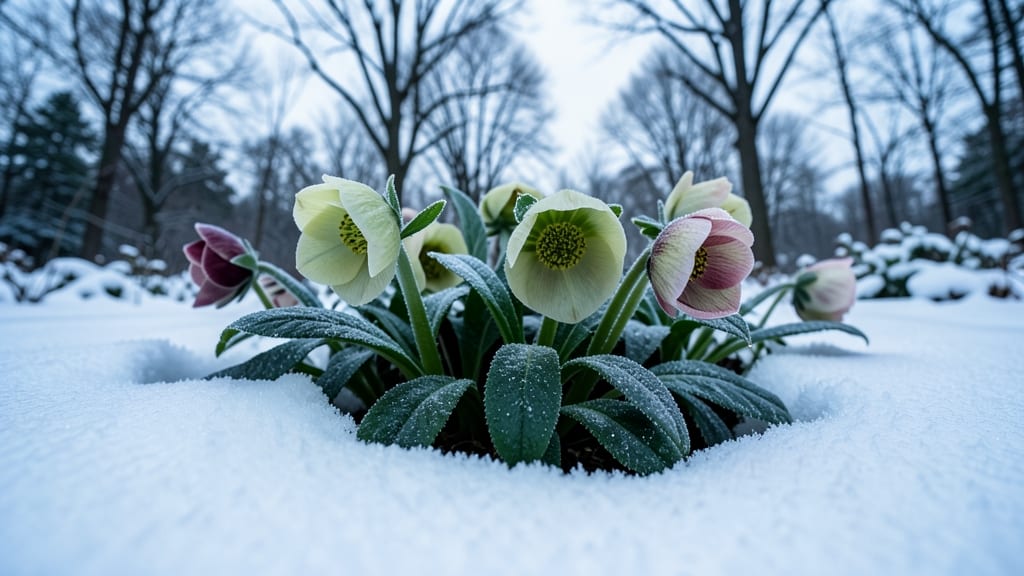
When your garden is still buried under snow, helleborus—commonly called hellebores—pops up with its delicate blooms, offering a bold splash of color in late winter or early spring. These winter-hardy perennials thrive in Zone 5’s coldest months, making them the perfect early-season star for shady corners.
Choose from nodding flowers in white, pink, or deep purple, all of which emerge before the leaves, creating a stunning contrast against the bare branches of surrounding trees. Hellebores prefer moist, well-draining soil and partial to full shade, making them ideal for understory plantings or woodland gardens. Once established, they’re nearly maintenance-free, with some varieties even blooming year-round in milder climates.
Perfect for gardeners who want low-maintenance beauty and early pollinator support, hellebores also deter deer and rabbits, giving you peace of mind. 🌱
Astilbe for Feathery Summer Flowers
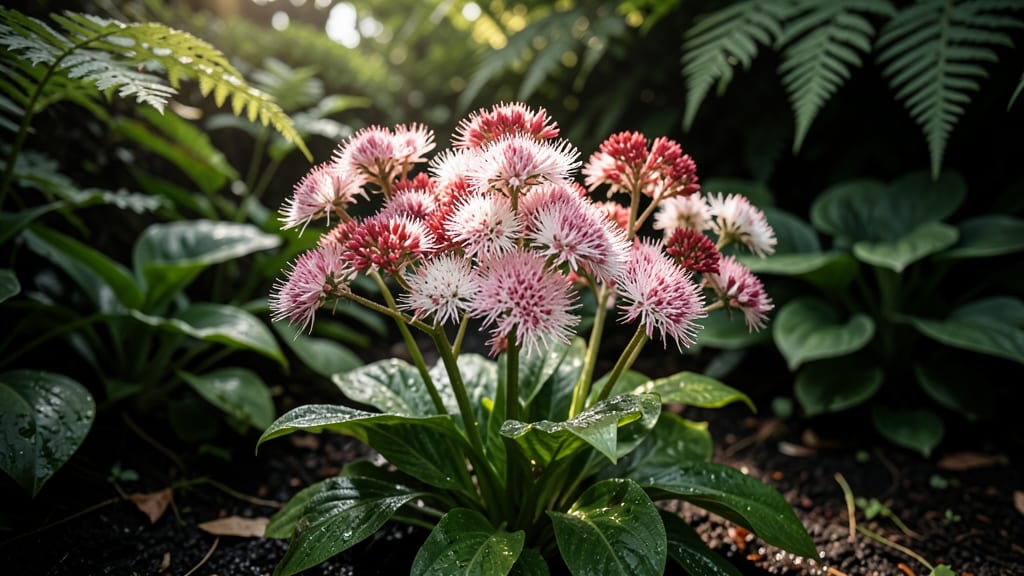
When your garden has a moist, shady corner that feels like a lost cause, astilbe swoops in to save the day with its feathery plumes in pink, white, or red. Unlike other shade plants, astilbe doesn’t just survive—it thrives in soggy soil, making it the star of rain gardens or pond edges where most flowers would drown.
These hardy perennials bloom from mid-to-late summer and love consistent moisture, so they’re perfect for Zone 5’s humid summers. Choose varieties like 'Fanal' for deep red plumes or 'Glut' for soft pink clusters to add drama without fuss. Deadhead spent blooms to encourage more flowers, and watch them attract butterflies all season long.
For gardeners with wet or difficult spots, astilbe is a game-changer—it’s drought-tolerant once established but still loves water, making it uniquely adaptable. Pair it with ferns or hostas for a lush, low-maintenance woodland vibe. 💚
Lungwort for Medicinal Beauty
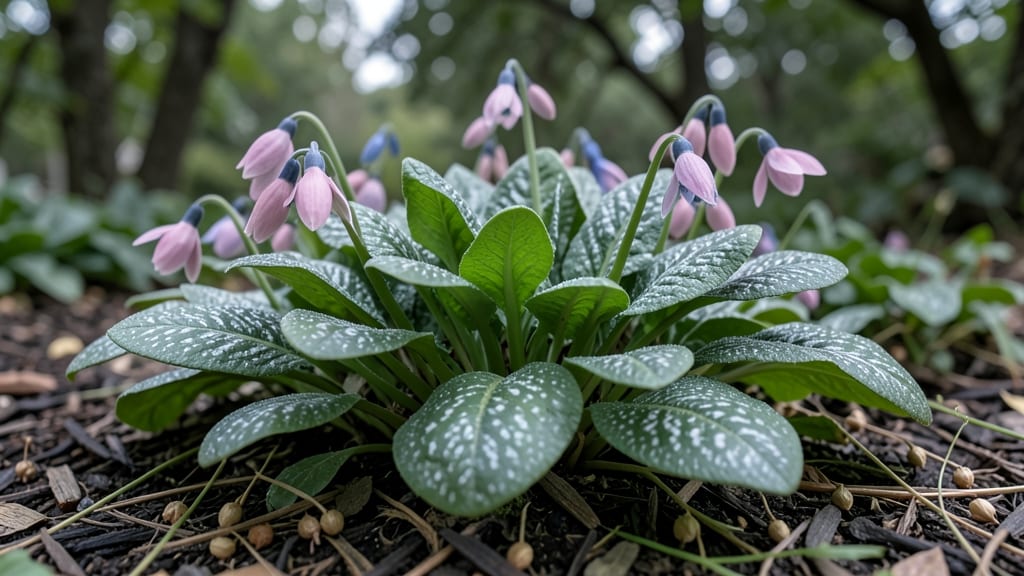
Add a touch of healing history to your shade garden with lungwort (Pulmonaria), a perennial that bridges beauty and botanical legacy. This hardy plant earned its name from its traditional use in medicinal teas to support respiratory health—making it a living piece of herbal lore right in your garden.
Lungwort thrives in both shade and partial sun, producing striking silvery-spotted leaves that shimmer in the dappled light, followed by clusters of blue-purple flowers that attract bees and hummingbirds from early to midsummer. Its clumping habit keeps it tidy, while its Zone 5 hardiness ensures it returns year after year with minimal care—just water occasionally and divide every 3-4 years to maintain vigor.
Perfect for gardeners who love multifunctional plants, lungwort adds seasonal interest (foliage first, then flowers) while supporting pollinators. Plant it alongside hostas or ferns for a whimsical woodland effect that feels both practical and magical. 🌿
Sweet Woodruff for Ground Cover
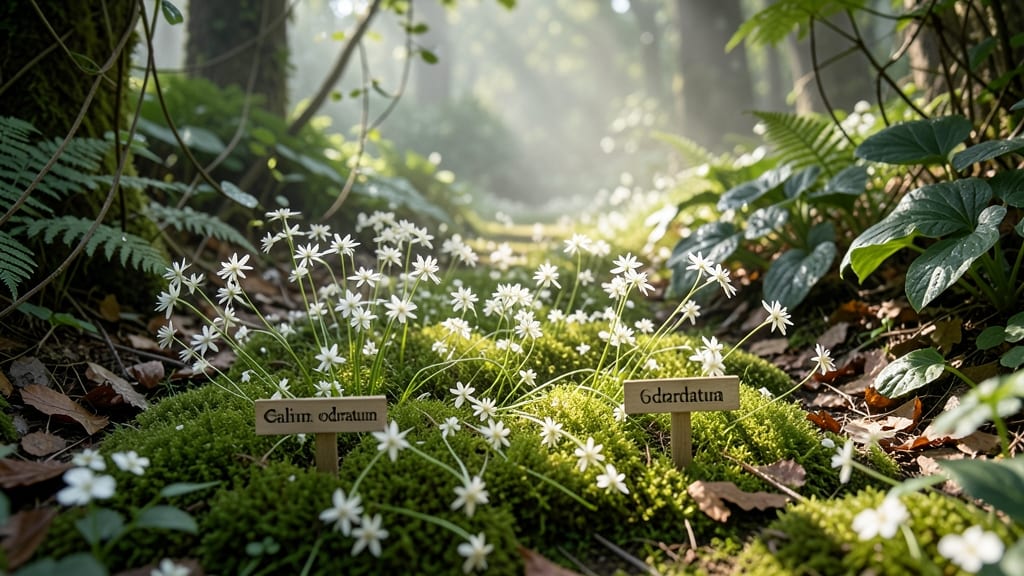
Step into a fragrant woodland wonderland with sweet woodruff (Galium odoratum), a self-spreading perennial that transforms shady pathways into aromatic retreats. Its delicate star-shaped white flowers appear in late spring, releasing a sweet, vanilla-like scent when crushed—a scent historically used in May baskets and potpourri.
This low-growing ground cover thrives in deep to partial shade and moist, well-draining soil, making it perfect for understory plantings or between stepping stones. It spreads aggressively (up to 18 inches wide) to smother weeds naturally, while its lush green foliage stays attractive until fall. For best results, plant in spring and divide clumps every few years to maintain vigor.
Ideal for gardeners who love sensory gardens or want a no-fuss solution for weed suppression, sweet woodruff pairs beautifully with ferns and hostas. Its subtle charm makes it a hidden gem for shade lovers who crave both beauty and fragrance. 🌿
Coral Bells for Dramatic Foliage

Skip the boring green ground cover—coral bells (Heuchera) bring bold color to shady spots with foliage that rivals any flower bed. Varieties like 'Palace Purple' or 'Silver Scrolls' offer deep burgundy, silvery, or lime-green leaves that glow in partial to full shade**, making them the unsung heroes of modern shade gardens.
These perennial workhorses thrive in Zone 5 winters and love well-draining soil, whether in rocky beds or containers. In late spring, they produce delicate bell-shaped flowers on wiry stems, adding subtle height without overpowering their striking foliage. For best results, plant in clusters for maximum impact—mix 'Fire Chief' (deep red) with 'Plum Pudding' (silver) for a dramatic contrast that lasts all season.
Perfect for gardeners who want low-maintenance drama, coral bells pair beautifully with ferns or hostas. Their compact size (12–18 inches tall) makes them ideal for borders, edging, or even window boxes—proving shade gardens can be just as vibrant (and stylish) as sunny ones. ✨
Toad Lilies for Late-Season Interest
When late summer arrives and most shade flowers have called it quits, toad lilies (Tricyrtis) step in to steal the show with their exotic black-and-purple blooms. Unlike spring ephemerals or summer annuals, these woodland perennials bloom from August through October, providing dramatic color when your garden needs it most.
Thriving in moist, well-drained soil under trees, toad lilies are perfect for Zone 5’s dappled shade and even tolerate partial sun. Their spotted, heart-shaped leaves add texture year-round, while their unusual flowers attract hummingbirds and moths. Plant them in clusters near hostas or ferns for a lush, layered effect—just keep the soil consistently damp (but not soggy) for best results.
Ideal for gardeners who love unexpected drama, toad lilies bring a touch of the exotic to shady borders without requiring special care. Their late-season blooms ensure your garden stays vibrant well into autumn. ✨