
Light Requirements
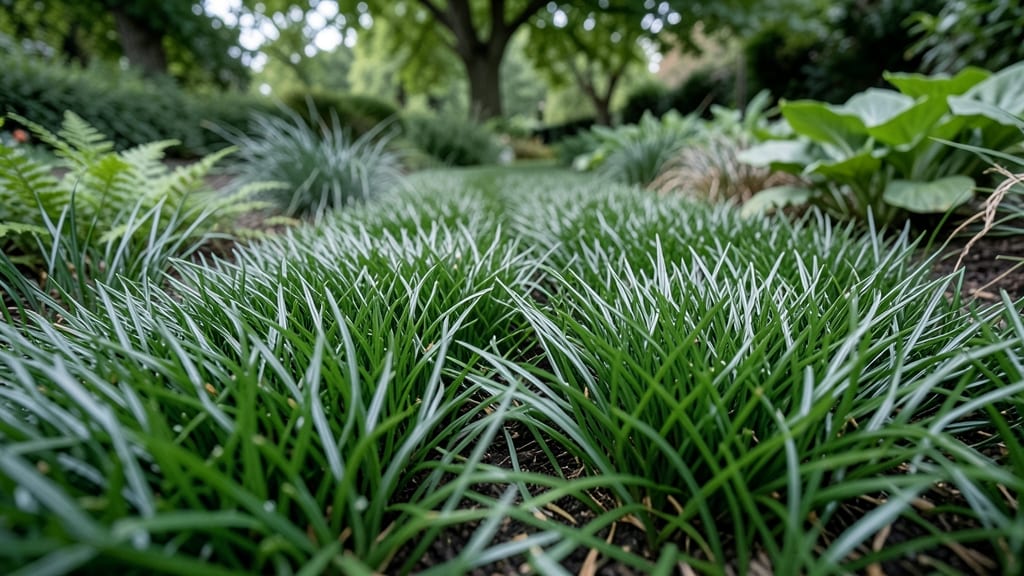
Struggling to grow lush greenery in your shaded garden? These 10 hardy plants thrive in partial shade, offering vibrant foliage and minimal maintenance for north-facing spaces that other plants avoid.
Hostas for Textured Ground Cover
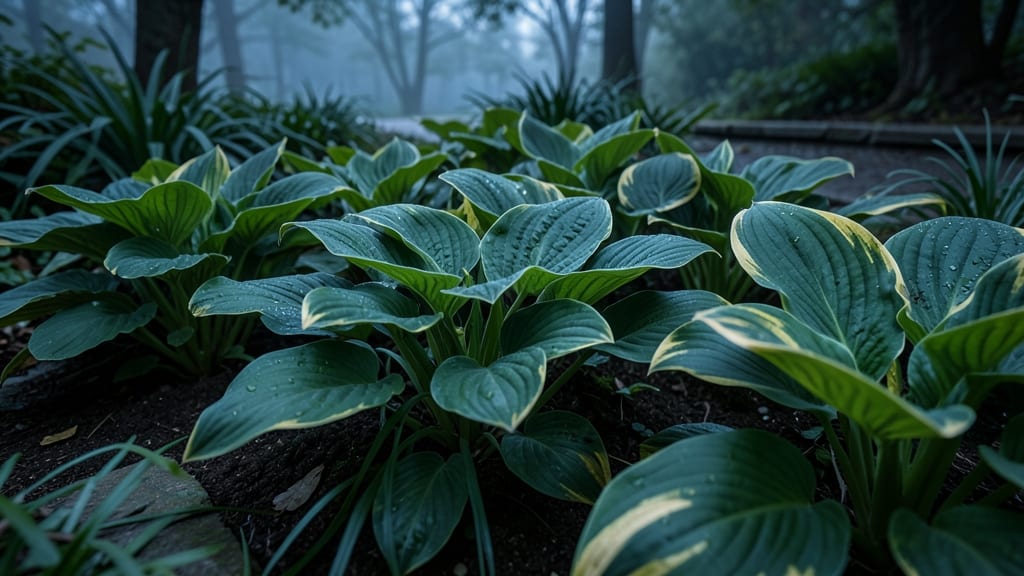
Transform your shady garden corners into a textured masterpiece with hostas, the ultimate beginner-friendly ground cover. These hardy perennials thrive in moist, shaded soil and offer a dazzling array of leaf shapes—from broad and bold to delicate and wavy—plus colors ranging from deep green to variegated gold and blue-green.
Hostas are nearly foolproof: they tolerate partial shade (3-6 hours of sun daily) and even full shade, making them perfect for under trees or along north-facing walls. Water them regularly to keep the soil moist but not soggy, and mulch annually to protect roots and retain moisture. With over 3,000 varieties, you can mix and match for a dynamic, layered look that stays lush year-round.
Ideal for beginners, hostas require minimal pruning (just remove dead leaves in early spring) and rarely suffer from pests, making them a stress-free addition to any shade garden. 🌿
Heucheras with Striking Foliage Colors
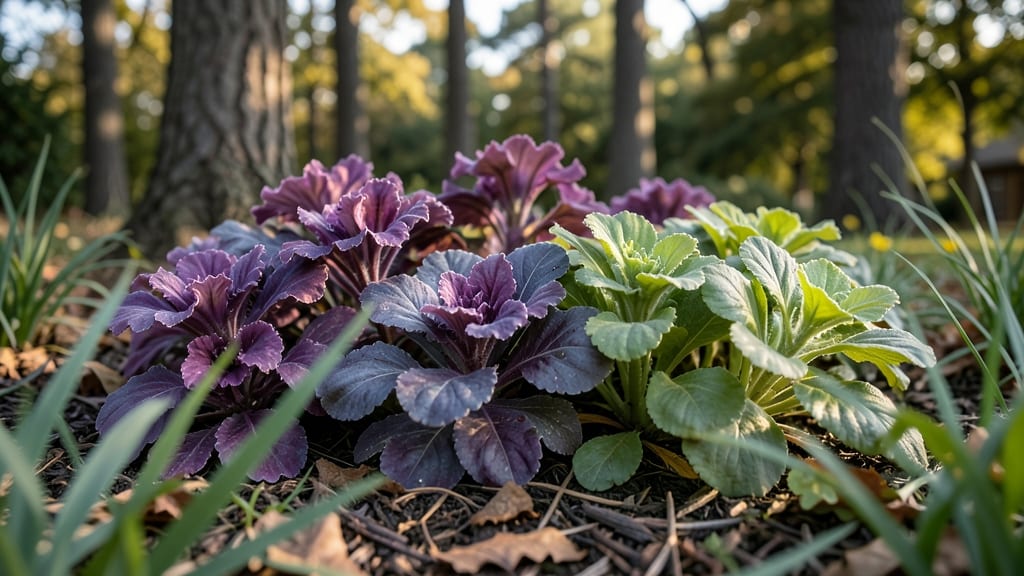
Tired of dull, monotonous foliage in your shaded garden? Heucheras—also called coral bells—bring bold, jewel-toned leaves in shades of purple, silver, or chartreuse that stand out year-round, even in low light.
These drought-tolerant perennials thrive in dappled shade (3-6 hours of sunlight) and prefer well-draining soil, making them perfect for containers, window boxes, or woodland garden borders. Their striking colors deepen in cooler weather, ensuring your garden stays vibrant even in winter. Varieties like 'Palace Purple' or 'Lime Rickey' add instant drama with minimal care.
Urban gardeners and small-space planners will love how heucheras fit into tight spots—whether tucked into hanging baskets or lining a shady patio. Their compact size and low-maintenance nature make them a must-have for shade lovers who crave color without the fuss. 💚
Astilbe for Feathery Flower Spikes
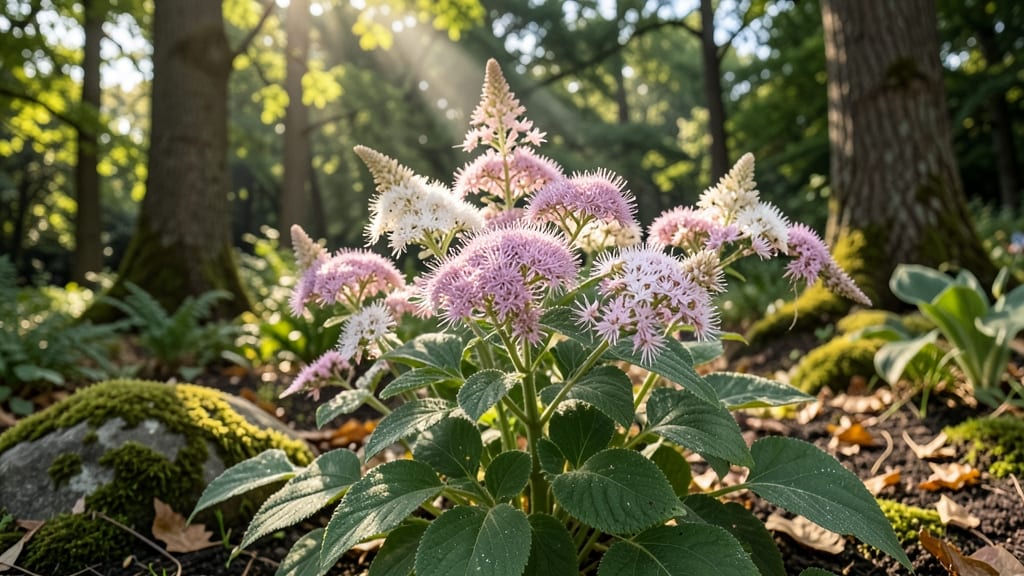
Tired of shaded garden spaces that feel flat and lifeless? Astilbe brings drama to partial shade with its feathery flower spikes that bloom from mid to late summer, creating movement where other plants falter.
These pollinator magnets thrive in woodland gardens with dappled light, producing soft pink, white, or red plumes that sway gently in the breeze. Plant them in clusters for maximum impact, and pair with ferns or hostas for a lush understory effect. Water consistently to keep the soil moist—drought conditions will cause the spikes to wilt dramatically.
Perfect for gardeners who want height and texture without sacrificing shade tolerance, astilbe is also deer-resistant and multiplies slowly to avoid spreading where you don’t want it. 🌻
Japanese Fern with Lacy Fronds
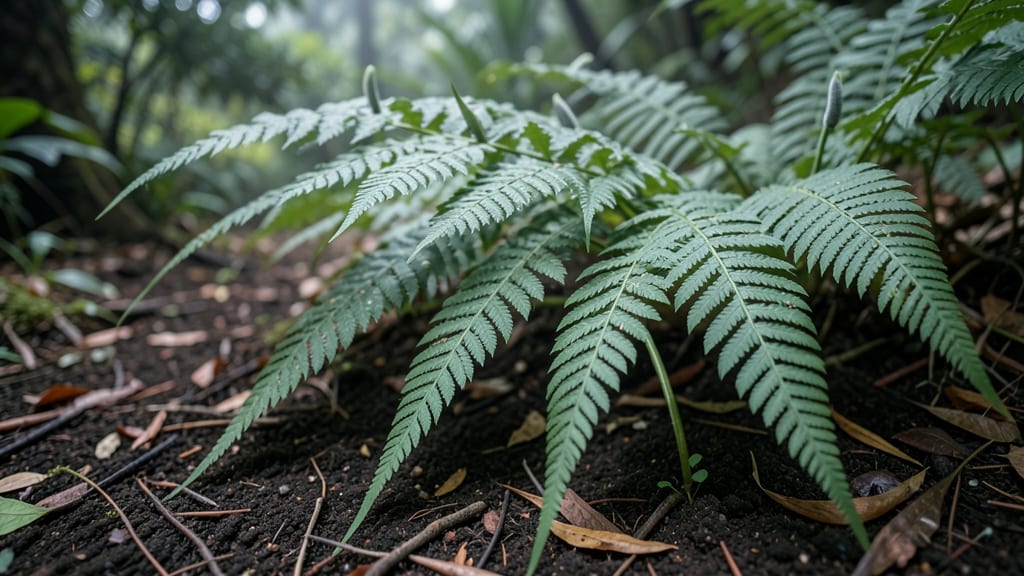
Transform your shady garden corner into a lush, tropical retreat with the Japanese fern (Matteuccia struthiopteris), a plant that thrives where others struggle. Its delicate, arching fronds create a cascading effect that mimics a jungle understory, perfect for woodland-themed gardens or areas near ponds and streams.
This fern loves consistently moist, well-draining soil and partial shade, making it ideal for north-facing beds or spots under tall trees. Plant it in clusters for maximum impact, and watch its fronds unfurl in spring like exotic fans. Mulch around the base to retain moisture and suppress weeds—this fern rewards patience with year-round greenery and minimal care.
Gardeners who love textural foliage and serene garden vibes will adore this plant. Pair it with hostas or astilbes for a layered, forest-like effect that feels both wild and intentional. 🌿
Lungwort for Medicinal Beauty
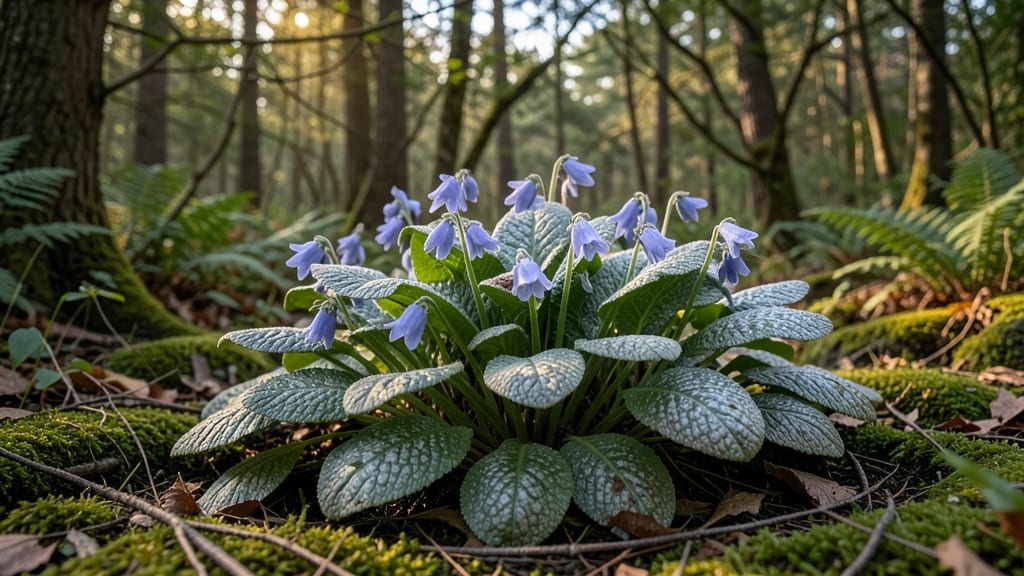
Looking for a plant that adds both beauty and history to your shaded garden? Lungwort (Pulmonaria) brings a touch of old-world charm with its silver-spotted leaves and delicate blue flowers, while offering a surprising medicinal legacy.
This slow-spreading perennial thrives in partial shade and moist, well-draining soil, making it ideal for understory planting beneath trees or along woodland garden edges. Its unique foliage—marked with silver spots that fade as summer progresses—creates a striking visual contrast. In spring, clusters of soft blue or pink flowers emerge, attracting early pollinators like bees. Historically, lungwort was used in herbal remedies for respiratory ailments, though modern gardens appreciate it more for its ornamental value.
Perfect for gardeners who love low-maintenance perennials with a story, lungwort is especially suited for those with shaded borders or woodland-style gardens. Its slow growth means it won’t overwhelm other plants, making it a thoughtful addition to any understory design. 🌿
Coral Bells with Season-Long Interest
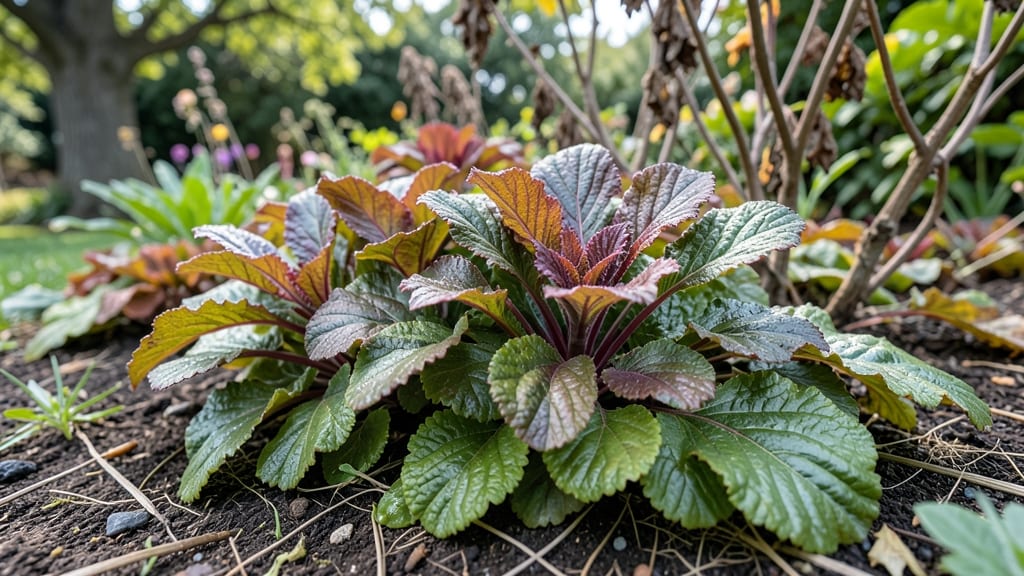
Want a shade-loving plant that delivers year-round visual interest without the fuss? Coral bells (Heuchera) are the secret weapon for shaded borders, offering a three-season performance that keeps your garden looking dynamic from spring through fall.
Start with their vibrant spring foliage in shades of lime green, deep purple, or silvery blue—each variety creating a different mood. When summer arrives, delicate flower spikes in pink, red, or white emerge, adding height and texture. The real showstopper? Their burgundy fall foliage, which transforms the plant into a fiery centerpiece when other shade plants fade. Plant in well-draining soil with 3-6 hours of partial shade daily, and water moderately—these plants reward consistency with lush, colorful growth.
Perfect for gardeners who want low-maintenance drama, coral bells thrive in containers, rock gardens, or woodland edges. Their compact size (12-18 inches tall) makes them ideal for filling gaps while providing seasonal color shifts that keep your shade garden exciting. 🌻
Sweet Woodruff for Ground Cover
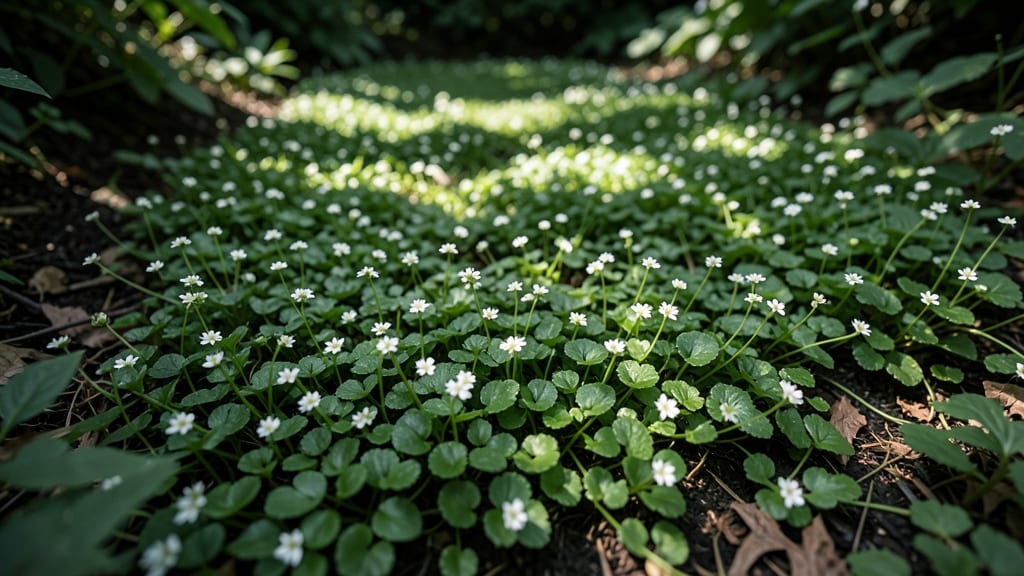
Turn your shady garden into a sensory haven with sweet woodruff (Galium odoratum), a fragrant ground cover that transforms dull spaces into aromatic pathways. This low-growing perennial thrives in partial to full shade, creating a lush green carpet with delicate white flower clusters that bloom in late spring. What makes it truly special? When crushed, the leaves release a subtle vanilla scent—perfect for adding a whimsical touch to garden paths or under trees.
The plant spreads gently through underground runners, forming a dense mat that suppresses weeds while requiring minimal maintenance. It prefers moist, well-draining soil and benefits from occasional watering during dry spells. Sweet woodruff also attracts pollinators like bees, making it a functional addition to any shaded garden. Its delicate foliage and fragrant charm make it ideal for cottage gardens, woodland edges, or even as a living mulch.
Gardeners with small spaces, shaded patios, or understory areas will love how sweet woodruff fills gaps without overpowering other plants. Its airy flowers and sweet aroma create a magical atmosphere that’s both practical and enchanting. 🌷
Bleeding Heart Vine for Dramatic Flowers
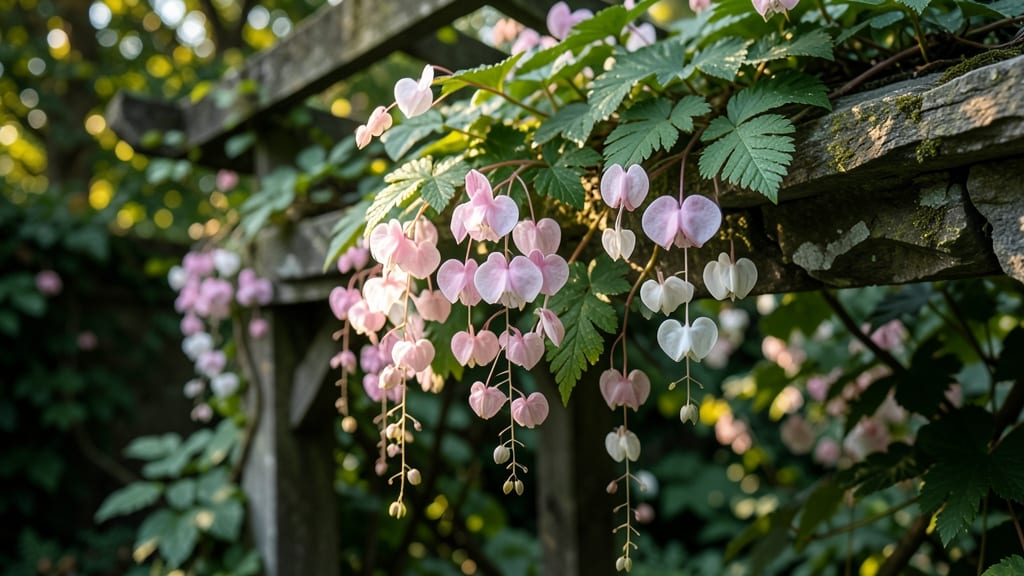
Bring romantic charm to your shaded garden with bleeding heart vine (Dicentra spectabilis), a dreamy climber that produces cascading clusters of heart-shaped pink or white flowers in spring. Unlike other shade plants that focus on foliage, this perennial steals the show with its delicate, drooping blooms that sway gently in the breeze—perfect for adding vertical drama where space is limited.
This moisture-loving vine thrives in partial shade (3-6 hours of sun daily) and well-draining, humus-rich soil, making it ideal for understory planting beneath trees or along north-facing fences. Train it on a trellis, arbor, or fence to create a living curtain of flowers, and expect blooms that last 4-6 weeks. After flowering, the foliage turns attractive but may die back in summer—simply cut it back and mulch to protect the roots for next year’s spectacular display.
Gardeners with small spaces or vertical gardening goals will love how bleeding heart vine transforms walls and trellises into floral masterpieces. Pair it with hostas or ferns for a lush, woodland-inspired look that feels both whimsical and intentional. 🌷
Tiarella for Unique Leaf Patterns
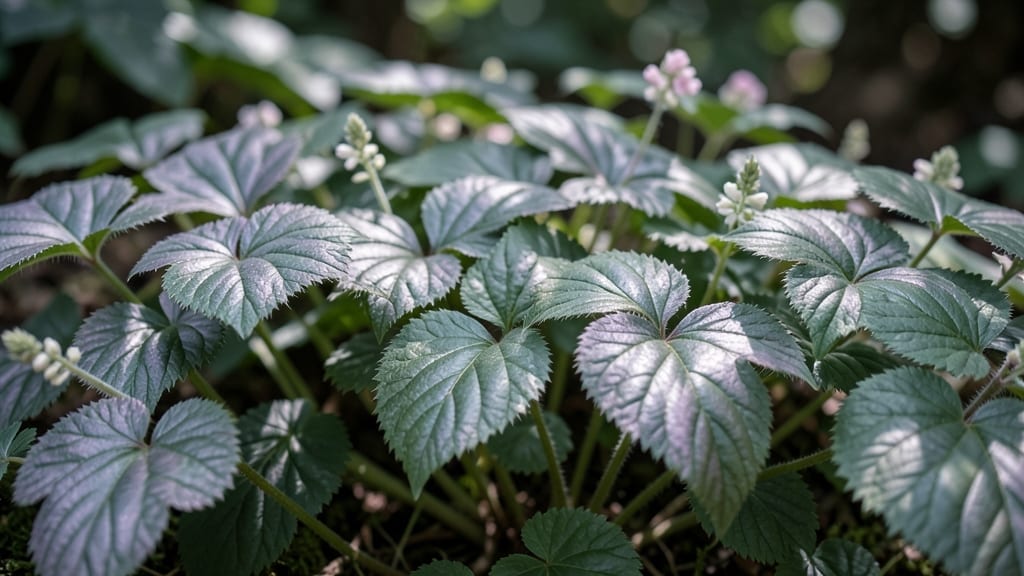
Add a touch of artistic flair to your shaded garden with tiarella, a plant that turns foliage into living watercolor. Known for its intricate leaf patterns—ranging from silvery veins to deep green hues—this understated beauty thrives where others fade, making it perfect for rock gardens or woodland edges.
Tiarella’s delicate white flowers appear in spring, adding a subtle contrast to its patterned leaves, while its low-growing habit (6–12 inches tall) ensures it won’t compete with taller neighbors. Plant it in moist, well-draining soil** with partial shade (3–6 hours of sun daily), and watch it spread gently to fill gaps without overpowering. Deadhead spent blooms to encourage more foliage growth, and mulch to retain moisture—ideal for gardeners who love texture without the fuss.
Rock garden enthusiasts and shade gardeners will appreciate how tiarella adds visual interest year-round, especially when paired with ferns or hostas. Its slow-spreading nature makes it a low-maintenance star for small spaces or containers. ✨
Dwarf Mondo Grass for Edging

Struggling with messy edges in your deep shade garden? Dwarf Mondo Grass (Ophiopogon japonicus 'Nana') creates a neat, weed-proof border that stays lush even where sunlight barely reaches. Unlike other edging plants, it thrives in full to partial shade (under 3 hours of direct sun) and forms a dense, velvety-green mat just 3-6 inches tall—perfect for defining paths or filling gaps between hostas and ferns.
This evergreen ornamental grass spreads slowly but steadily, crowding out weeds naturally. Plant it in well-draining soil and water occasionally—it’s drought-tolerant once established—but avoid soggy conditions. For a polished look, trim back any leggy growth in early spring. Unlike flowering plants, its year-round greenery provides structure without seasonal gaps.
Ideal for low-maintenance gardeners and urban spaces with limited sunlight, Dwarf Mondo Grass is also deer-resistant, making it a practical choice for problem areas. 🌱