
Landscaping
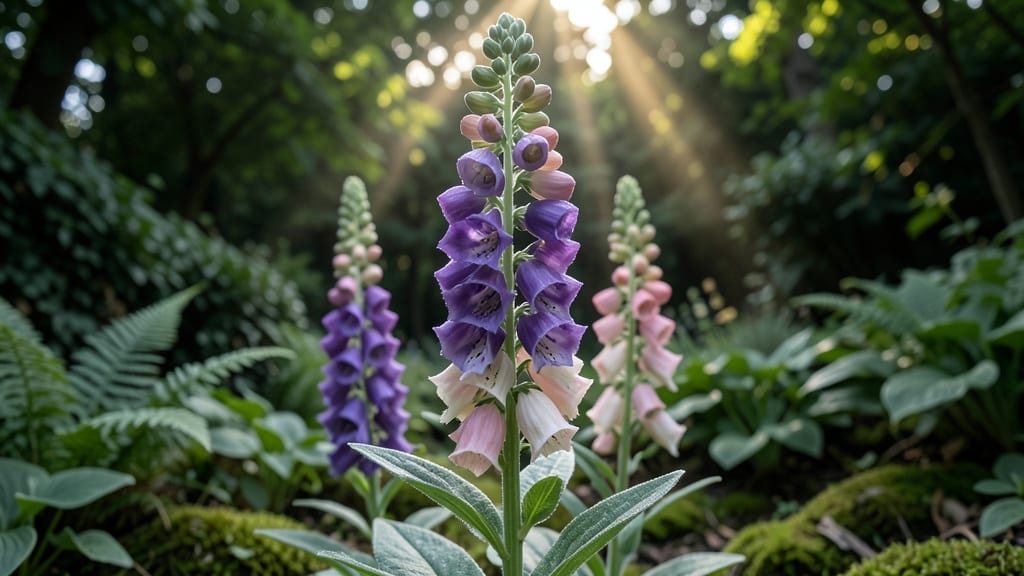
Transform your shady garden into a vibrant, low-maintenance paradise with these 10 perennial shade plants. These hardy beauties thrive in low light while delivering year-round color and texture, perfect for busy gardeners or tricky spaces.
Hostas For Textured Green Foliage
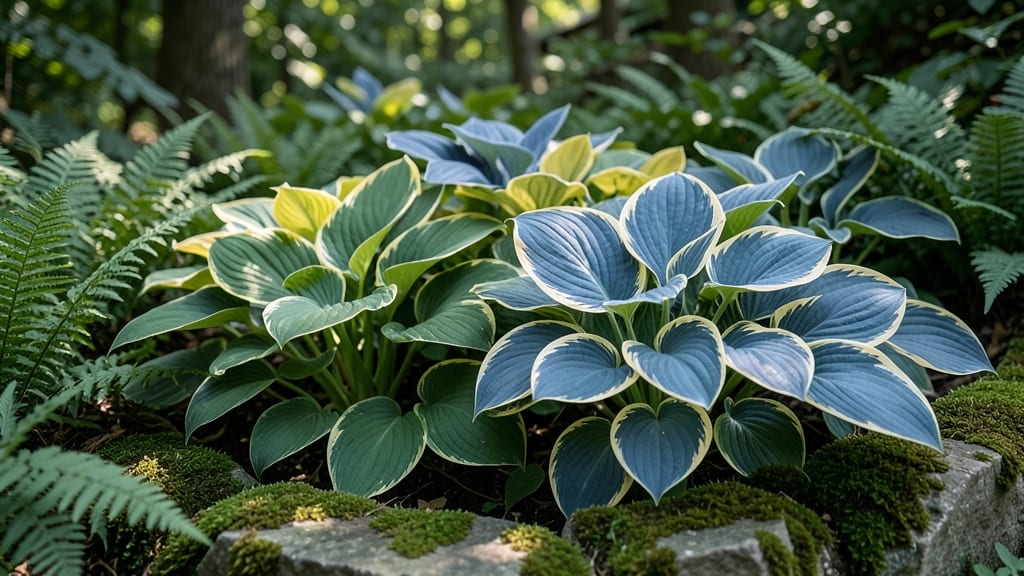
If you’ve ever struggled to find plants that thrive in deep shade, hostas are your secret weapon. These hardy perennials offer striking foliage in every shade of green, blue, and variegated patterns—perfect for adding texture to your shade garden without the fuss.
Hostas are beginner-friendly because they’re nearly indestructible once established. They flourish in deep shade to partial sun and only need consistent moisture while young. With over 1,000 varieties, you can mix bold blues like ‘Blue Angel’ with golden centers like ‘Francee’ for a dynamic look. Just divide clumps every few years to keep them vigorous.
Best of all, hostas deter deer and slugs (to some extent), making them a practical choice for problem areas. Whether you’re lining a pathway or filling a shady corner, these plants deliver year-round interest with minimal effort. 🌿
Bleeding Heart Flowers With Graceful Arches
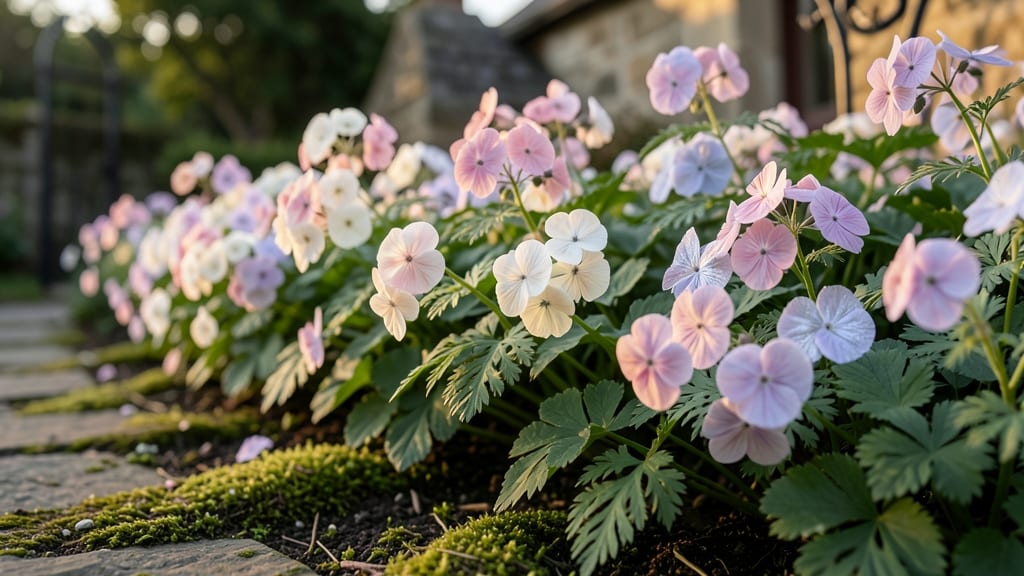
If you dream of a cottage garden dripping with romance, bleeding heart flowers (Dicentra spectabilis) are your secret weapon. These delicate perennials produce cascading clusters of heart-shaped blooms in soft pink, white, or lavender, creating a whimsical display that feels like a storybook illustration.
Plant them in moist, well-draining soil under trees or along shady borders where they’ll thrive with partial to full shade. Mulch around the base to retain moisture and protect roots during their dormant summer months. With proper care, these plants return year after year, rewarding you with fresh blooms in spring and early summer.
Perfect for gardeners who love low-maintenance charm, bleeding hearts pair beautifully with hostas and ferns, adding vertical interest without demanding constant attention. 🌷
Hellebores For Early Winter Interest
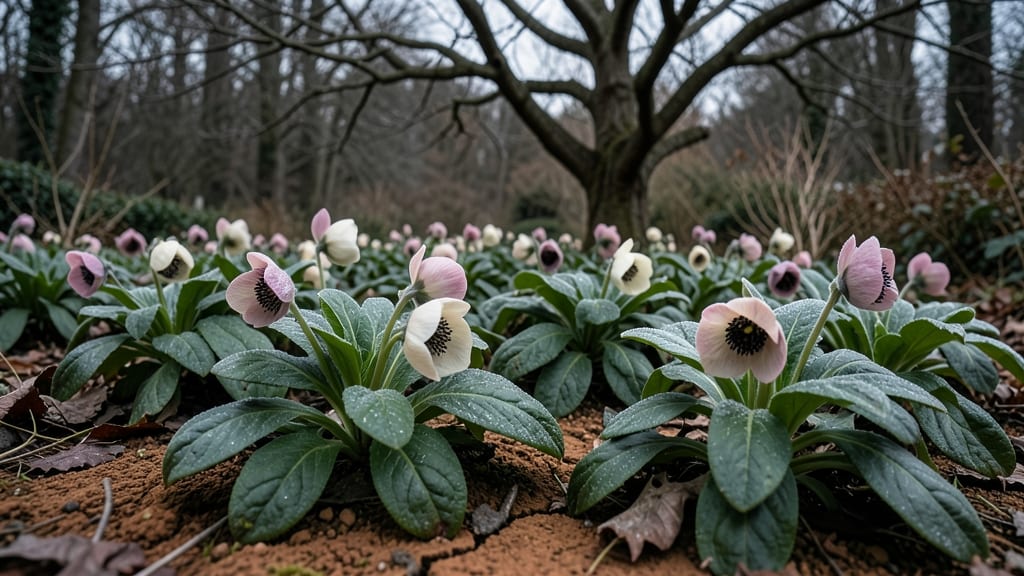
When winter leaves your garden looking bare, helleborus (commonly called hellebores) step in to deliver stunning color from late winter through early spring. These cold-hardy perennials thrive in dry shade, making them perfect for under trees or north-facing beds where most plants struggle to survive.
Offering unique blooms in deep purple, black, white, and pink, hellebores provide a dramatic focal point when few other plants are in bloom. They prefer well-draining soil and partial to full shade, with some varieties tolerating light frost on their flowers. Their evergreen foliage adds texture year-round, while their long bloom season (February to April) ensures early-season beauty.
Ideal for gardeners seeking low-maintenance winter interest, hellebores are especially valuable in woodland gardens or as understory plants. Their ability to thrive in dry conditions makes them a top choice for shade gardens with poor soil drainage. 🌱
Astilbe Plumes For Soft Summer Color
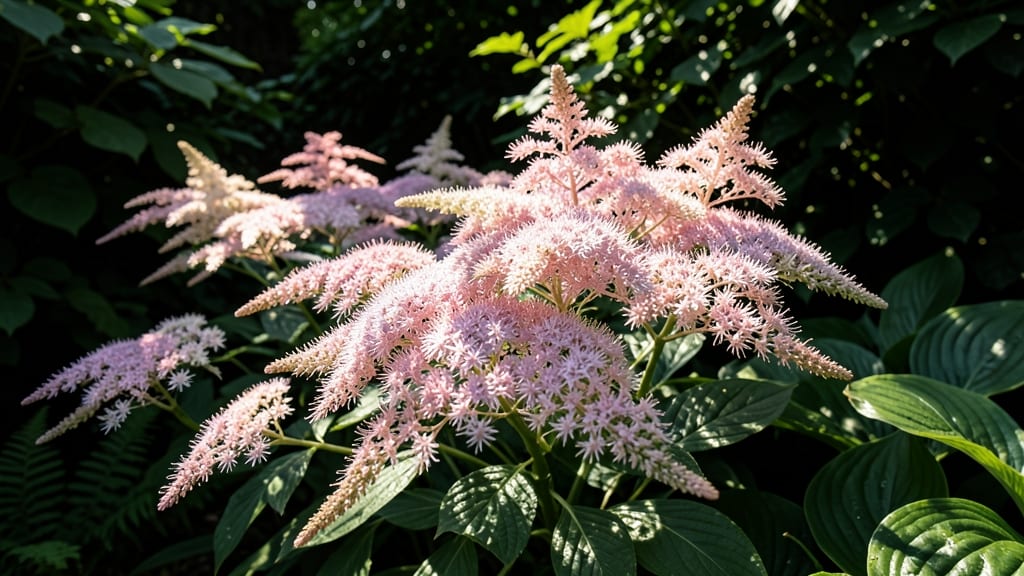
Tired of shade gardens that look dull and static? Astilbe brings life to your dark corners with its feathery plumes that dance in the breeze, adding movement and soft color to summer borders. Unlike many shade plants that fade quickly, astilbes bloom for 6-8 weeks, creating a long-lasting display in pink, white, red, or lavender hues.
These perennials thrive in moist, well-drained soil and partial to full shade, making them perfect for woodland gardens or under tree canopies. For best results, keep the soil consistently moist (but not soggy) and fertilize lightly in spring. Deadheading spent blooms extends the flowering season, while dividing clumps every 3-4 years keeps them vigorous. 🌻
Urban gardeners and small-space enthusiasts will love how astilbes fit neatly into containers or borders, while their pollinator-friendly blooms attract butterflies and bees. Plant them alongside hostas or ferns for a layered, textured look that feels lush and inviting. 💚
Japanese Painted Fern For Year-Round Color
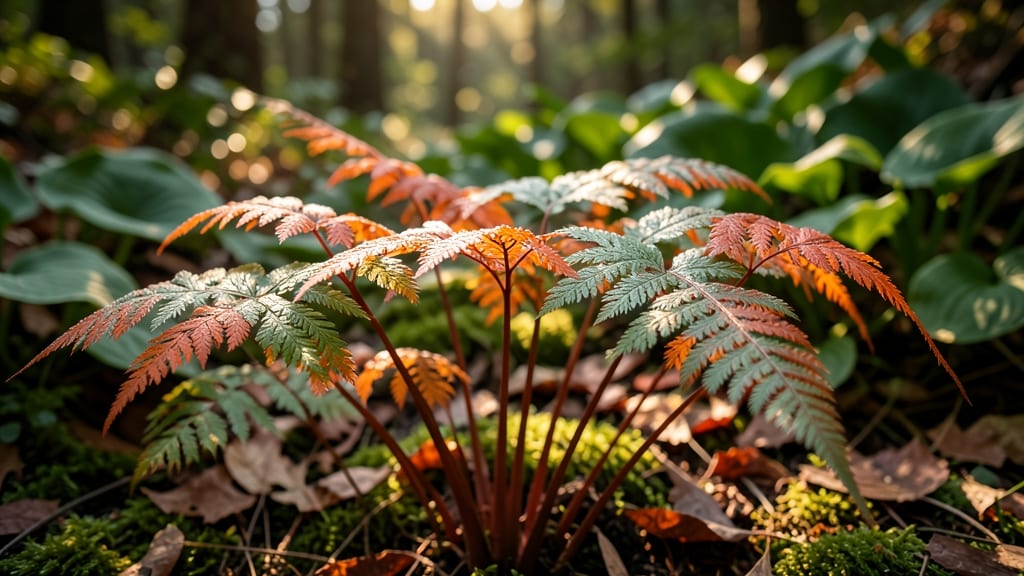
If you crave a shade garden that stays interesting even when no flowers are blooming, Japanese painted fern (Athyrium niponicum var. pictum) is your secret weapon. This hardy fern delivers three distinct seasons of foliage color—silvery-green in spring, deep green in summer, and fiery orange in fall—without ever producing flowers.
Thriving in partial to full shade, it prefers consistently moist, well-draining soil and benefits from a 2-3 inch layer of mulch to retain moisture. The fronds grow 18-24 inches tall, creating lush texture that pairs beautifully with hostas, astilbes, or hellebores. Unlike many ferns, it tolerates urban conditions and even light foot traffic, making it ideal for cottage gardens or woodland edges.
Perfect for gardeners who want low-maintenance drama, this fern adds architectural interest while requiring minimal care. It’s especially valuable in monochromatic shade gardens where you need foliage variety without floral distractions. 🌟
Lungwort For Healing Beauty And Pollinators
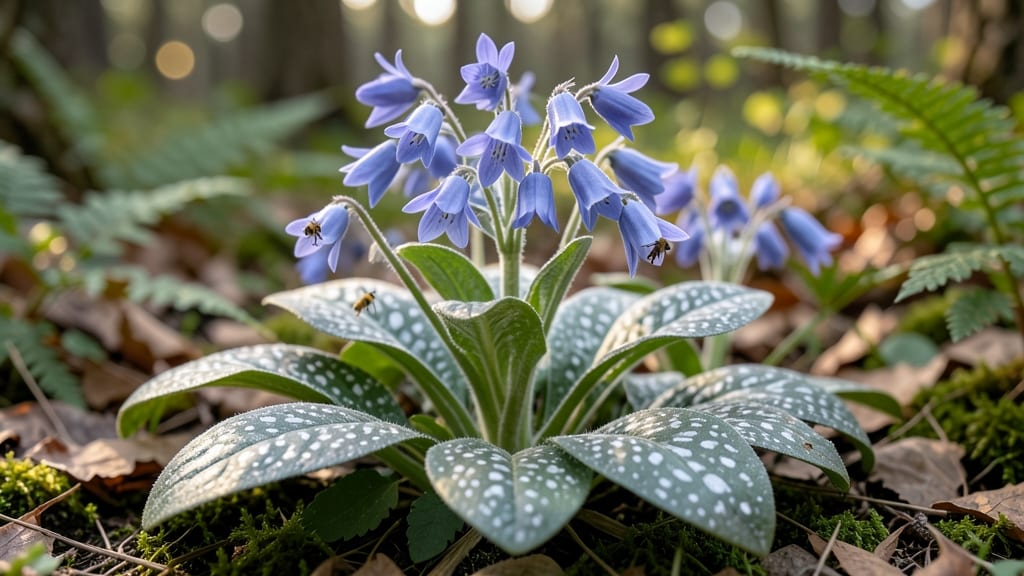
Discover a plant that bridges centuries of herbal wisdom with today's pollinator-friendly gardens—lungwort (Pulmonaria). This woodland native offers silver-spotted leaves that transform to green as they age, paired with delicate blue flowers that bloom in early spring, making it a magnet for bees before most gardens wake up.
What makes lungwort uniquely adaptable is its dual tolerance for both dry and moist shade, thriving under tree canopies or along woodland edges. Its medicinal history—used for centuries to treat lung ailments—adds a layer of intrigue, while modern gardeners appreciate its low-maintenance nature and ability to self-seed gently. Plant it in clusters for maximum impact, and watch as it becomes both a healing focal point and a pollinator powerhouse. 🌿
Solomon's Seal For Vertical Elegance
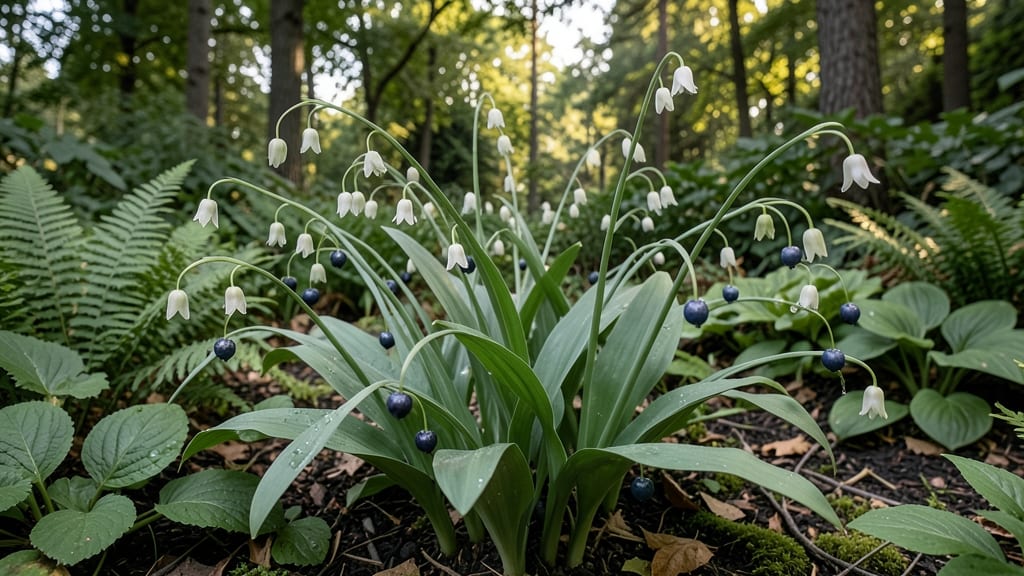
Tired of flat, boring shade gardens? Solomon's seal (Polygonatum) brings architectural flair without the height of towering plants. Its elegant, arching stems create natural vertical lines that dance through your garden, while dangling white flowers and blue berries add delicate movement and seasonal interest.
This versatile perennial thrives in partial to full shade and adapts to various soil types, though it prefers well-draining conditions. Plant it in clusters along pathways or at the back of borders where its 2-3 foot height adds structure. The stems emerge green in spring, turning golden in fall, while the berries provide winter interest for birds. Deadhead spent blooms to encourage more flowers next season.
Perfect for gardeners who love low-maintenance elegance, Solomon's seal pairs beautifully with ferns, hostas, and lungwort. Its graceful habit makes it ideal for creating natural screens or framing garden views without overwhelming smaller spaces. 🌻
Coral Bells For Continuous Blooming Seasons
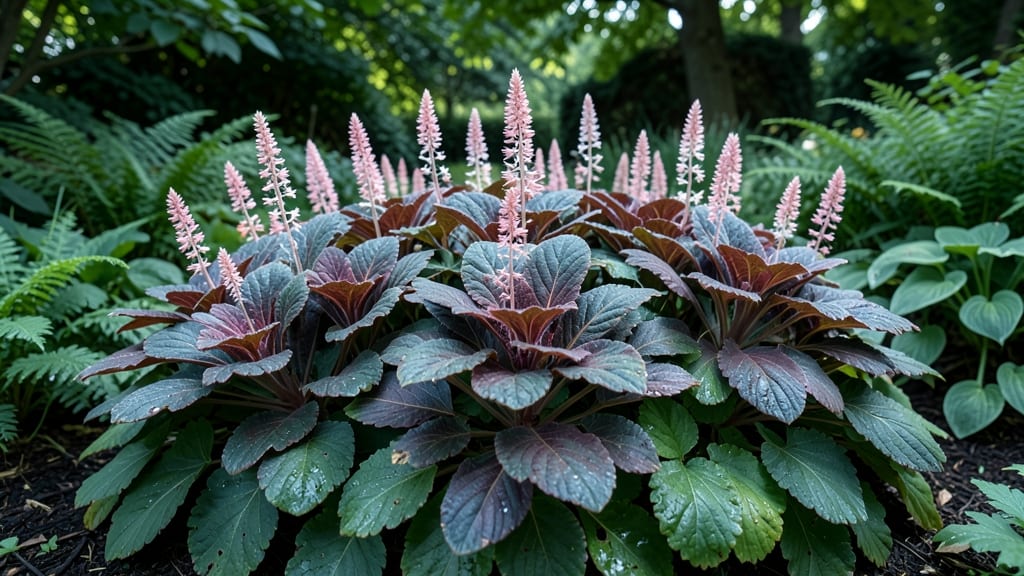
Want a shade garden that stays vibrant from spring through fall without constant replanting? Coral bells (Heuchera) deliver nonstop color with their striking foliage and delicate flower spikes, making them the ultimate workhorse for low-light spaces. Unlike many shade plants that bloom briefly, coral bells produce continuous flowers from late spring to early fall, with foliage that ranges from deep purple to chartreuse, adding year-round visual interest.
These hardy perennials thrive in both dry and moist shade, adapting to nearly any soil type as long as it's well-draining. Choose compact varieties like 'Palace Purple' for borders or taller types like 'Berry Smoothie' for back-of-bed drama. Deadheading spent blooms encourages more flowers, while dividing clumps every few years keeps them vigorous. Their deer-resistant nature makes them ideal for rural properties or urban gardens where pests are a concern.
Perfect for gardeners who want low-maintenance color without compromise, coral bells pair beautifully with hostas, ferns, and astilbes. Their ability to handle urban conditions and partial shade makes them a top choice for city gardens, containers, or woodland edges. 💚
Sweet Woodruff For Fragrant Ground Cover
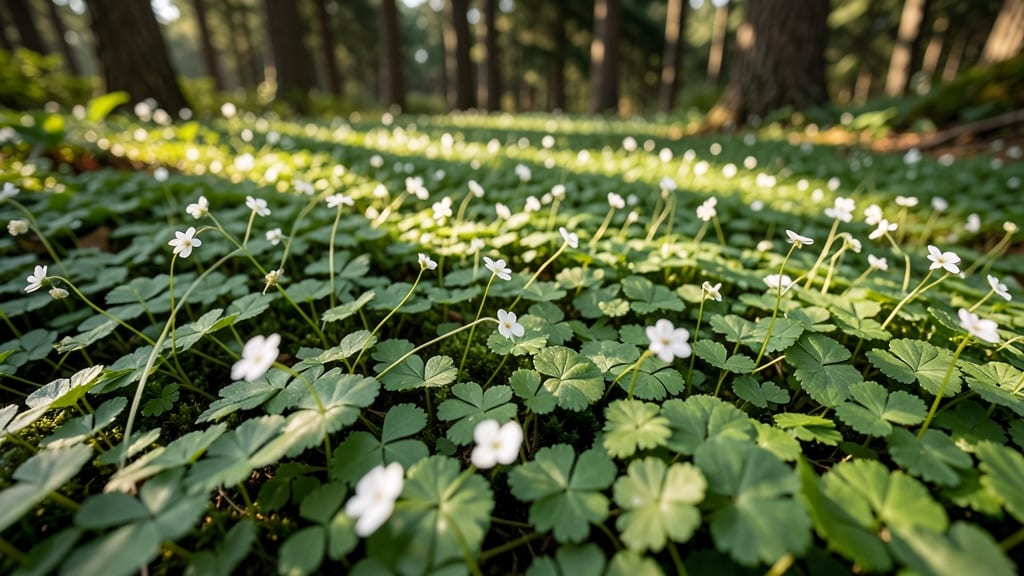
Transform your woodland garden into a fragrant sanctuary with sweet woodruff (Galium odoratum), a living mulch that spreads effortlessly to create a lush, fragrant carpet. Unlike traditional mulch, this delicate perennial releases a vanilla-like scent when crushed, filling your garden with a heavenly aroma—especially after rain.
Thriving in partial to full shade, sweet woodruff prefers moist, well-draining soil and spreads gently to suppress weeds, reducing your maintenance workload. Its delicate white flowers bloom in late spring, attracting pollinators while adding airy texture. For best results, plant it in clusters under trees or along shady borders where its fragrant foliage will shine.
Perfect for gardeners who love low-maintenance charm and sensory delights, sweet woodruff is especially magical in woodland gardens or understory plantings. Its ability to thrive in dappled light makes it a standout for adding both beauty and fragrance to shady spots. 💚
Foxglove For Dramatic Vertical Impact

Ready to add dramatic height to your shade garden without sacrificing color? Foxglove (Digitalis purpurea) delivers towering spires of bell-shaped blooms in purple, white, or pink, reaching 3-5 feet tall—making it the perfect vertical statement plant for dark corners.
Though technically a biennial, foxglove reliably self-seeds, creating natural drifts of flowers year after year. Plant seeds in partial shade with well-draining soil in early spring or fall, and watch as they establish quickly. Their moisture-loving roots thrive in woodland gardens or along shady borders, while their late-summer blooms attract hummingbirds and bees.
Perfect for gardeners who want instant drama, foxglove pairs beautifully with ferns and hostas, adding unexpected height to layered shade beds. Just be mindful of its mild toxicity—keep it away from pets and children. 🌻