
Light Requirements
North-facing garden beds often struggle with full sunlight, but these 10 partial shade flowers thrive in dappled light while adding vibrant color and texture to your landscape. Perfect for gardeners seeking low-maintenance yet stunning blooms that defy traditional sun requirements.
Bleeding Heart Plant With Delicate Pink Blooms
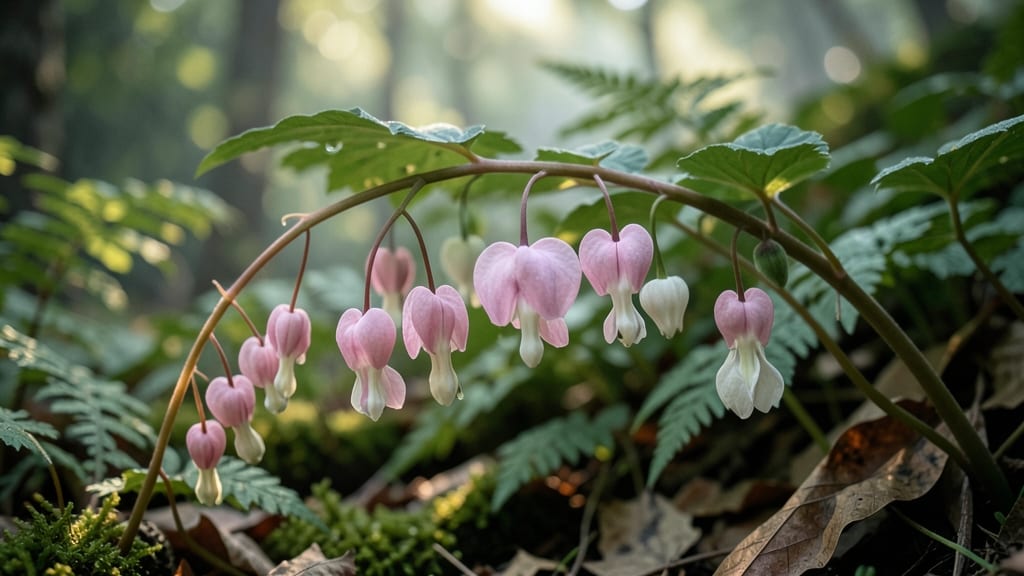
If you’ve ever dreamed of a garden that feels like a secret woodland retreat, the bleeding heart plant (Dicentra spectabilis) is your answer. This romantic perennial thrives in partial shade, producing cascading clusters of heart-shaped pink or white flowers that bloom from late spring to early summer, long after most spring bulbs have faded.
Its arching stems reach 2–3 feet tall, creating vertical drama that pairs beautifully with hostas, ferns, or low-growing perennials. The fern-like foliage adds lush texture year-round, while the flowers nod gracefully in the breeze, catching dappled sunlight like fairy lanterns. For best results, plant in moist, well-draining soil—it tolerates dry shade once established but rewards consistent moisture with longer bloom times.
Perfect for woodland gardeners or those with shady spots under mature trees, bleeding heart adds soft elegance without demanding full sun. Pair it with astilbe or heuchera for a layered, dreamy shade garden that feels effortlessly wild yet refined. 🌷
Hostas For Lush Green Foliage And Seasonal Interest
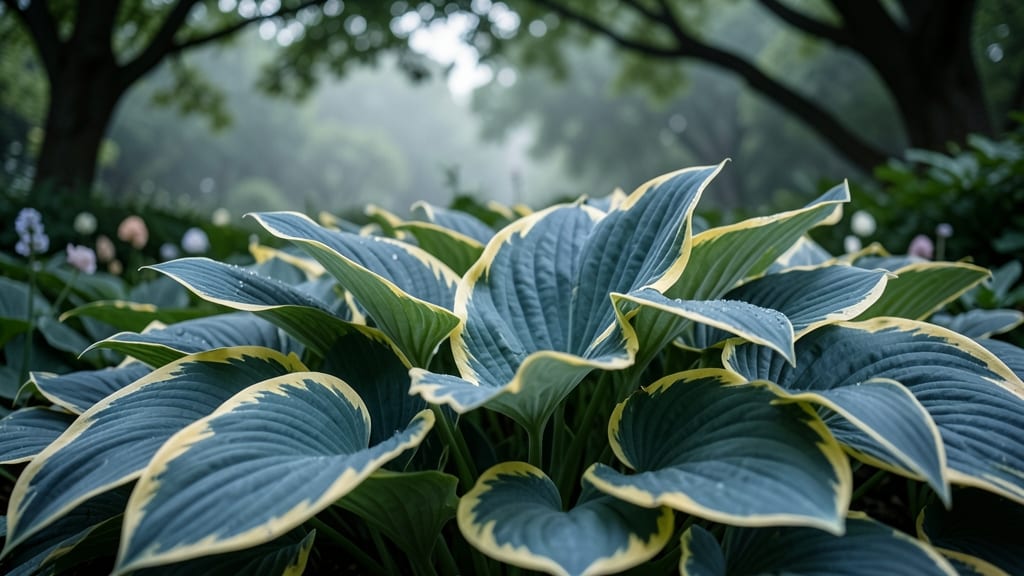
If you crave a year-round garden that thrives in partial shade without the fuss of constant blooms, hostas are your secret weapon. Their bold, variegated foliage—ranging from deep blue-green to golden-yellow—creates drama even when no flowers are in sight, while some varieties reward you with delicate lavender blooms in summer.
Hostas flourish in partial to full shade, making them ideal for understory planting, north-facing borders, or even container gardens on shaded patios. Choose compact varieties like 'Blue Angel' for borders or larger types like 'Sum and Substance' as statement plants. Their low-maintenance nature and slug resistance (with proper care) make them perfect for busy gardeners or beginners.
Urban gardeners with limited space will love how hostas suppress weeds while adding texture, while woodland gardeners can use them to create layered, lush backdrops. Plant in well-draining soil with organic mulch to keep roots cool and moisture-retentive. 💚
Japanese Painted Fern With Frilly Fern Fronds
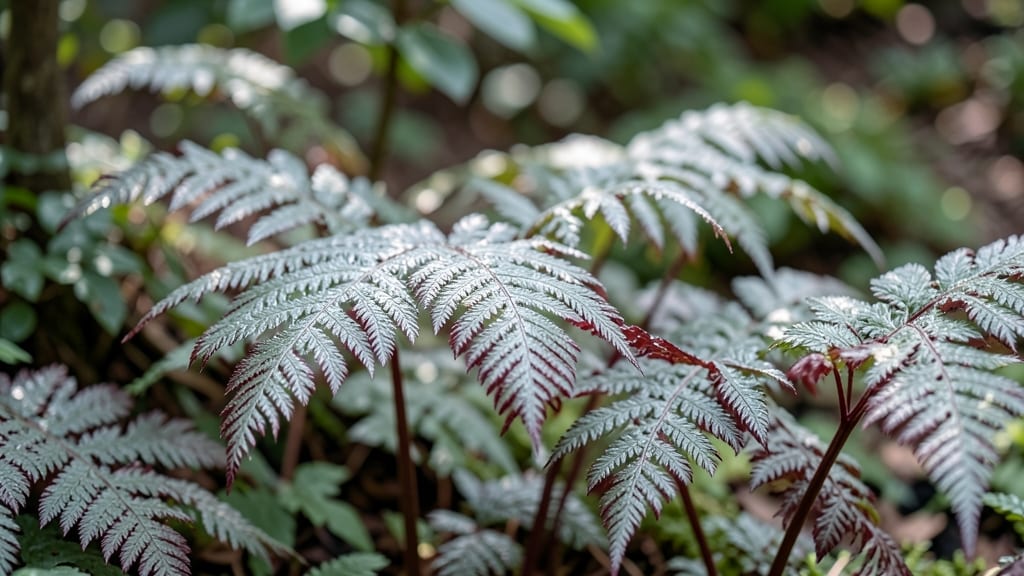
If you crave drama in your shade garden without the fuss of high-maintenance flowers, the Japanese painted fern delivers with its frilly, lacy fronds that shimmer like silver lace in dappled light. Unlike broad-leaved hostas, this fern adds movement and dimension through its delicate, arching growth habit.
This shade-loving perennial thrives in moist, well-draining soil with 3-4 hours of filtered sunlight daily, making it perfect for understory planting or woodland garden edges. The undersides of its fronds feature stunning silvery-white hues that catch light beautifully, creating a mesmerizing contrast against darker green foliage. For best results, pair it with bleeding heart or foamflower to create a layered, textural shade garden.
Gardeners with limited space will love how this fern stays compact (12-18 inches tall) while adding visual interest. It’s also deer-resistant and thrives in USDA zones 4-8, making it a reliable choice for cool-climate gardens. 🌿
Astilbe With Feathery Plumes In Summer Colors
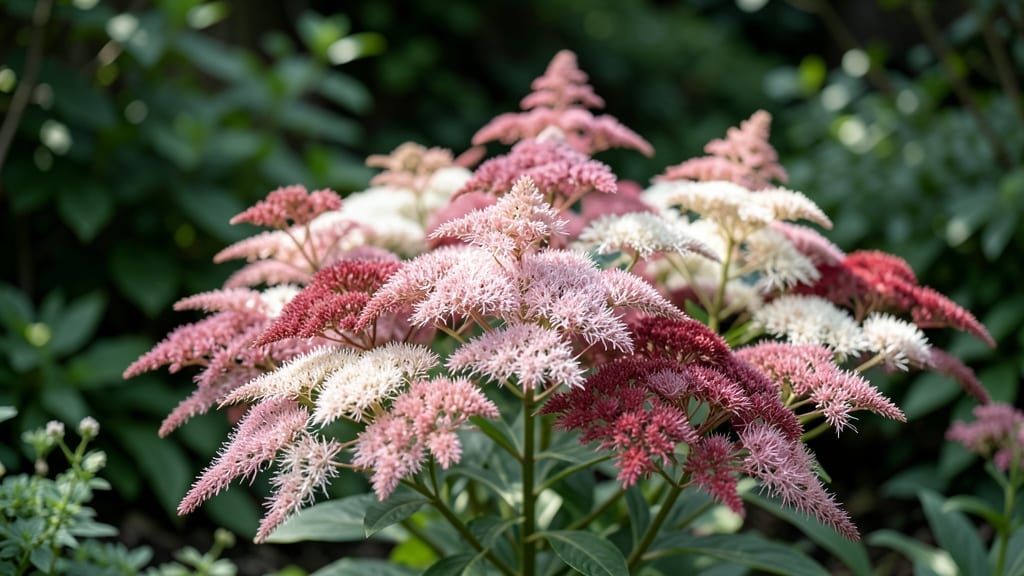
When your garden's shady spots feel like forgotten corners, astilbe steps in as a dramatic yet effortless solution. These feathery plumes—available in pink, red, or white—bloom prolifically in summer, transforming dull areas into soft, textured focal points that other flowers simply can’t match.
Thriving in moist, shady conditions, astilbe is perfect for woodland gardens, under trees, or even containers where soil stays consistently damp. Their airy plumes add vertical interest without requiring staking, and they pair beautifully with hostas or ferns for layered shade beds. For best results, keep the soil evenly moist and mulch to retain humidity—ideal for gardeners who want color without the fuss of full-sun plants.
Urban gardeners with small patios or shady balconies will love how astilbe brightens containers, while cottage gardeners can use it to soften borders. It’s the secret weapon for adding romance and movement to any dim corner. ✨
Hellebores For Early Spring Blooms And Deer Resistance
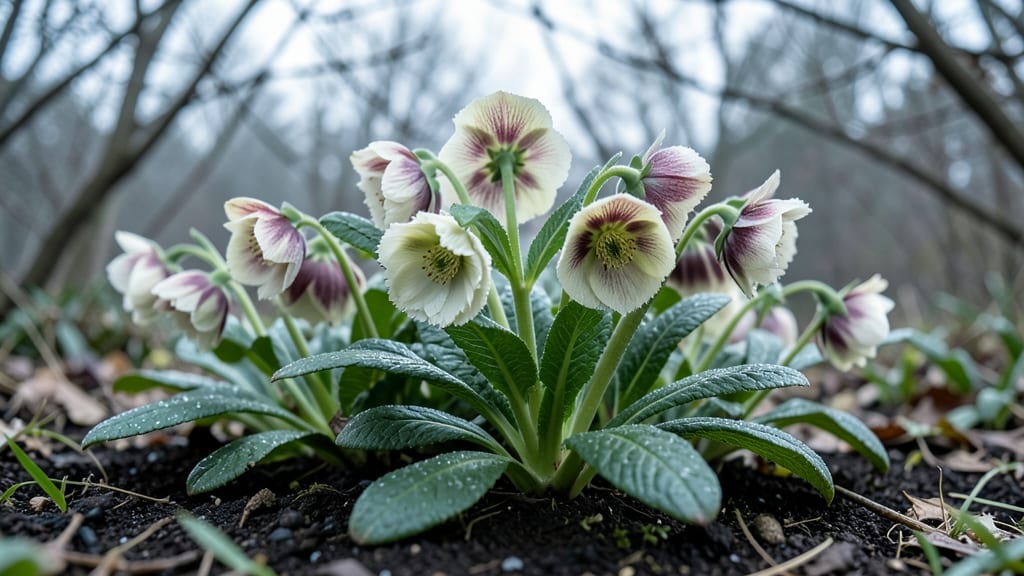
When your garden feels like a winter desert, hellebores burst onto the scene with their delicate, nodding blooms—often called the "Christmas rose" for their late-winter or early-spring show. These hardy perennials thrive in partial shade and even tolerate full shade, making them perfect for understory planting or north-facing beds where other flowers struggle.
Beyond their stunning flowers in shades of white, pink, purple, or green, hellebores offer deer-resistant foliage that stays attractive year-round. Plant them in well-draining soil and water moderately—they’re drought-tolerant once established. Their evergreen leaves provide structure even when flowers fade, while their early blooms attract pollinators like bees and butterflies.
Gardeners with deer, rabbits, or slug issues will love hellebores—they’re tough enough to survive browsing and pests. For a low-maintenance, long-lasting addition, these shade stars deliver color when you need it most. 🌱
Coral Bells With Unique Foliage And Seasonal Flowers
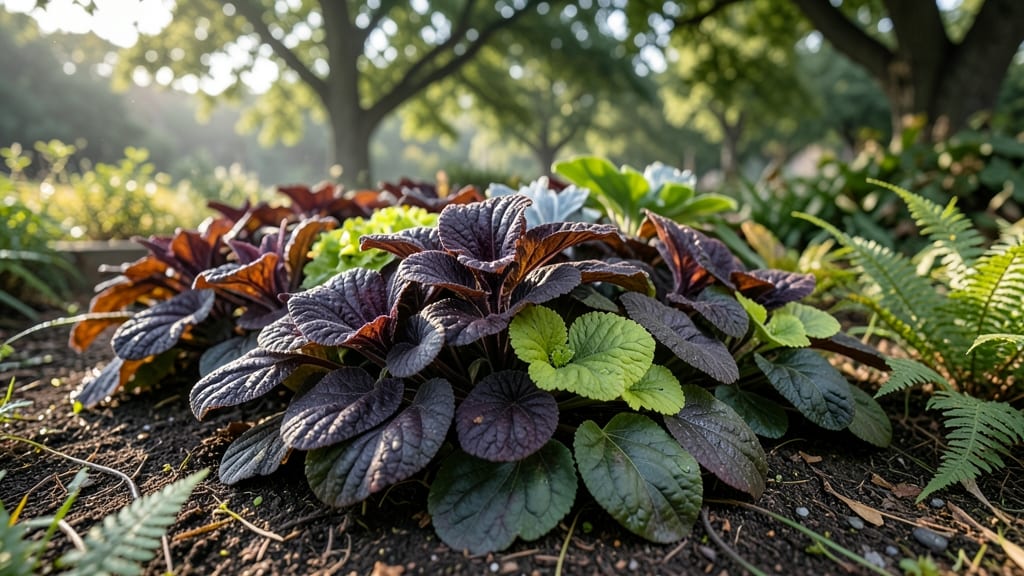
Heuchera, or coral bells, are the unsung heroes of shade gardens—packing a punch with foliage that rivals any flower bed. Their leaves come in every shade imaginable, from deep purple to lime green, and they thrive in partial shade where other plants wilt. This makes them perfect for adding year-round color to your garden without needing full sun.
Beyond their stunning leaves, coral bells produce delicate flower spikes in late spring to summer, adding a touch of airy elegance to borders, containers, or even as edging plants. They’re also incredibly low-maintenance, tolerating a range of soil types and requiring minimal water once established. For urban gardeners or small-space enthusiasts, their compact size makes them ideal for patios or window boxes.
Whether you’re designing a woodland garden or just want to brighten up a shady corner, coral bells deliver visual impact with minimal effort. Their versatility ensures they’ll fit seamlessly into almost any shade-loving garden design. 🌿
Lungwort For Healing Properties And Blue-Purple Flowers
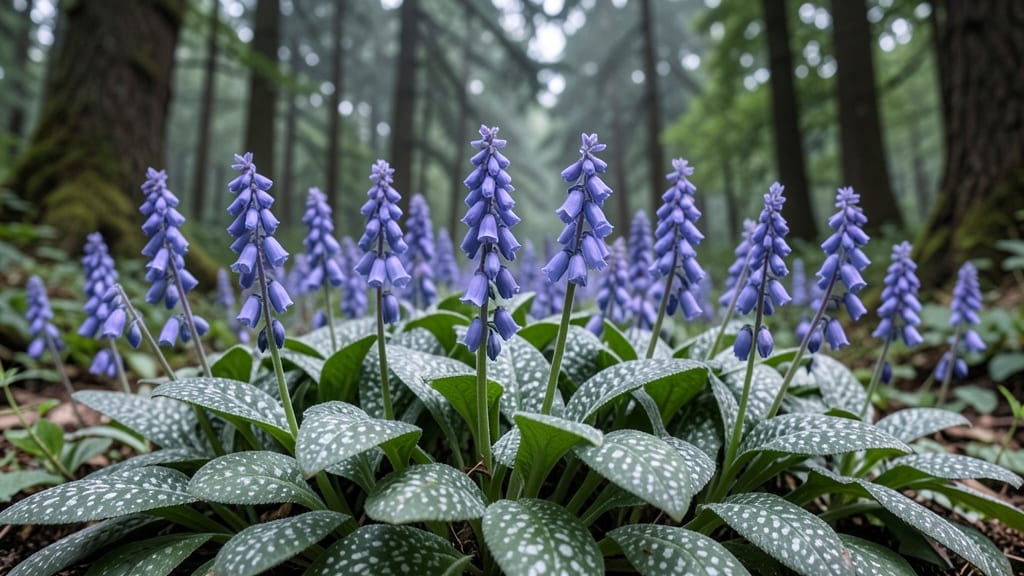
If you're looking for a plant that’s as useful as it is beautiful, lungwort (Pulmonaria) is your answer. This historic medicinal herb brings blue-purple blooms in early spring and unique silver-spotted foliage that keeps interest long after the flowers fade—all while thriving in damp, shady spots where many plants refuse to grow.
Lungwort earned its name from its traditional use in herbal remedies for respiratory health, but today, gardeners love it for its year-round interest. The spotted leaves add texture to shady borders, and its clumping habit makes it perfect for woodland gardens or under trees. Just keep the soil consistently moist but well-draining, and you’ll enjoy its spring blooms and foliage color for years.
Ideal for gardeners who want both beauty and history, lungwort is especially rewarding for those with moist, shady areas that need a reliable, low-maintenance plant. 💚
Sweet Woodruff For Fragrant Ground Cover
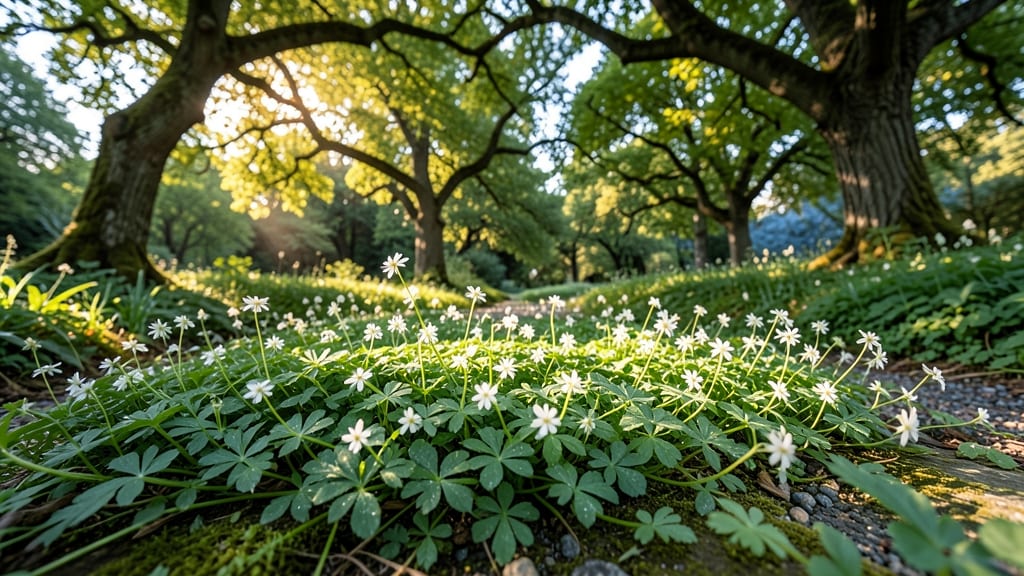
If you’ve ever wished for a garden path that smells like vanilla, sweet woodruff is your secret weapon. This charming ground cover thrives in partial shade, spreading effortlessly to create a fragrant carpet under trees or along shaded walkways.
Native to Europe, sweet woodruff produces delicate white flowers in spring that fade into lush, low-growing foliage—perfect for suppressing weeds. The real magic happens when you brush against its leaves: they release a vanilla-like scent that lingers in the air, making it ideal for sensory gardens or hidden corners. It’s also deer-resistant and drought-tolerant once established.
Urban gardeners and woodland enthusiasts will love its ease—just plant in well-draining soil and let it spread naturally. A true understated star for shady spots! 🌿
Tiarella With Foamy White Flower Clusters
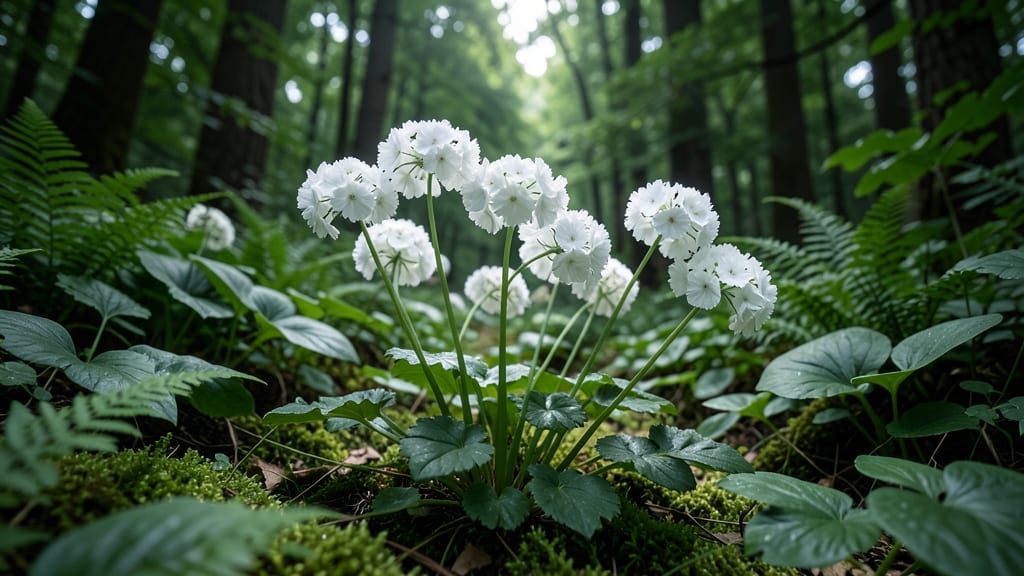
If you love the ethereal beauty of woodland gardens but struggle with finding delicate blooms for partial shade, tiarella—or foamflower—is your answer. Its airy white flower clusters resemble cascading foam, creating a dreamy effect that brightens shady spots when little else blooms.
This low-growing perennial thrives in moist, well-drained soil and tolerates dappled sunlight, making it perfect for understory planting or as a container accent. The foliage features striking silver markings that add texture year-round, while its spring blooms attract pollinators without demanding high maintenance. Simply keep the soil consistently moist and mulch to retain humidity.
Ideal for gardeners who want to add a whimsical, fairy-tale touch to their shade garden, tiarella pairs beautifully with ferns, hellebores, and hostas for a lush, layered look. It’s a must-have for woodland enthusiasts! 🌿
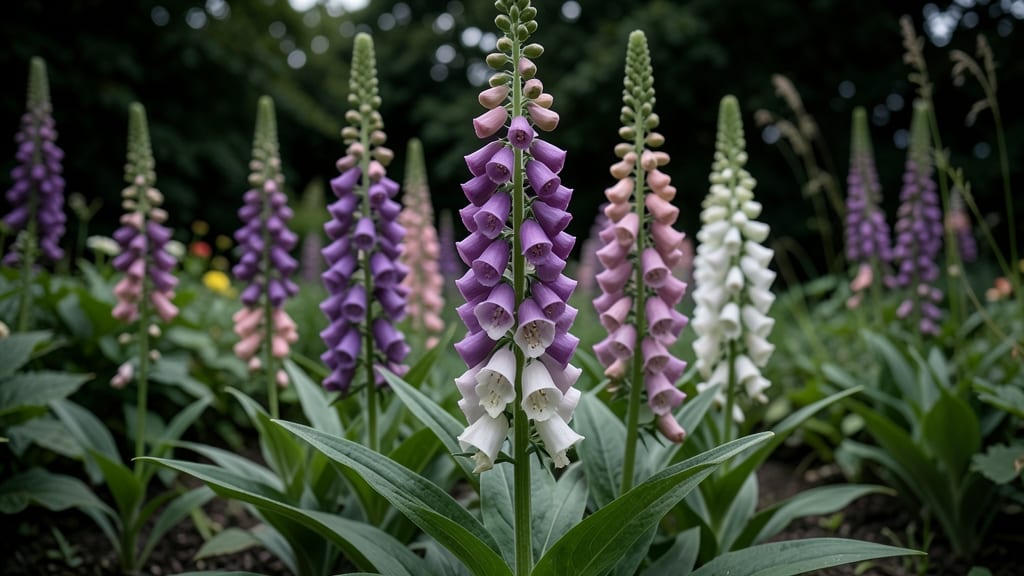
Foxglove For Tall Spikes And Biennial Beauty

If you crave dramatic height in your shady garden without sacrificing color, foxglove (Digitalis purpurea) delivers with its towering 3-5 foot spikes of bell-shaped blooms in purple, pink, or white. Unlike most shade plants that stay low, foxglove acts as a vertical focal point that draws the eye upward—ideal for cottage gardens or woodland edges.
This biennial plant thrives in partial shade and moist, well-drained soil, producing its showy flowers in its second year. Let it self-seed for future displays, as it naturally spreads in favorable conditions. For best results, plant seeds in early fall or purchase established plants in spring. Just be mindful—foxglove is toxic if ingested, so keep it away from pets and children.
Perfect for gardeners who love low-maintenance drama, foxglove offers a one-time planting that rewards you with years of striking vertical interest. 🌻