
Plants
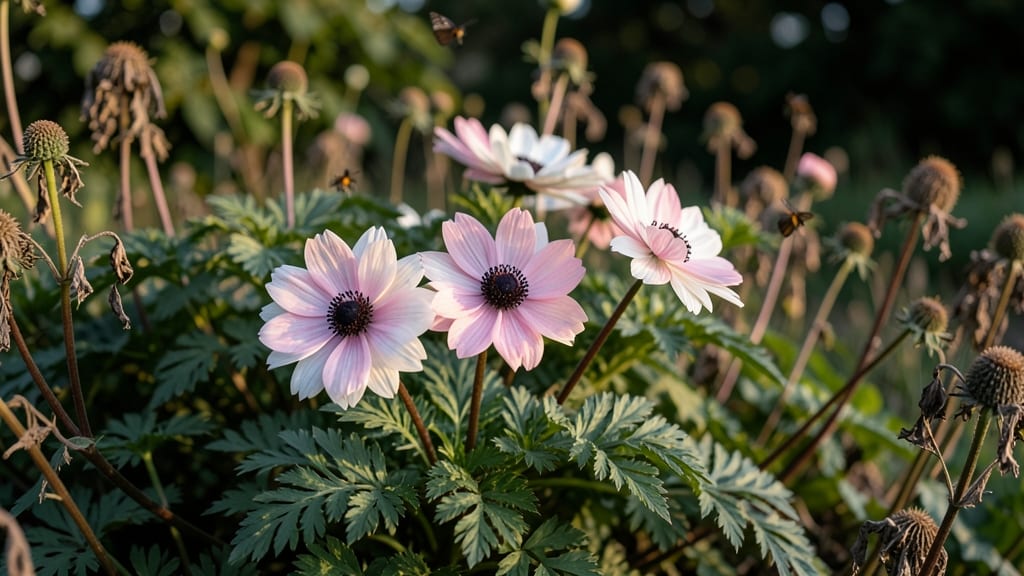
Transform your shady garden into a fragrant haven with these 10 shade-tolerant bloomers. These pollinator magnets provide year-round color, scent, and ecological benefits while thriving in low-light conditions.
Sweet Woodruff Ground Cover for Fragrant Pathways
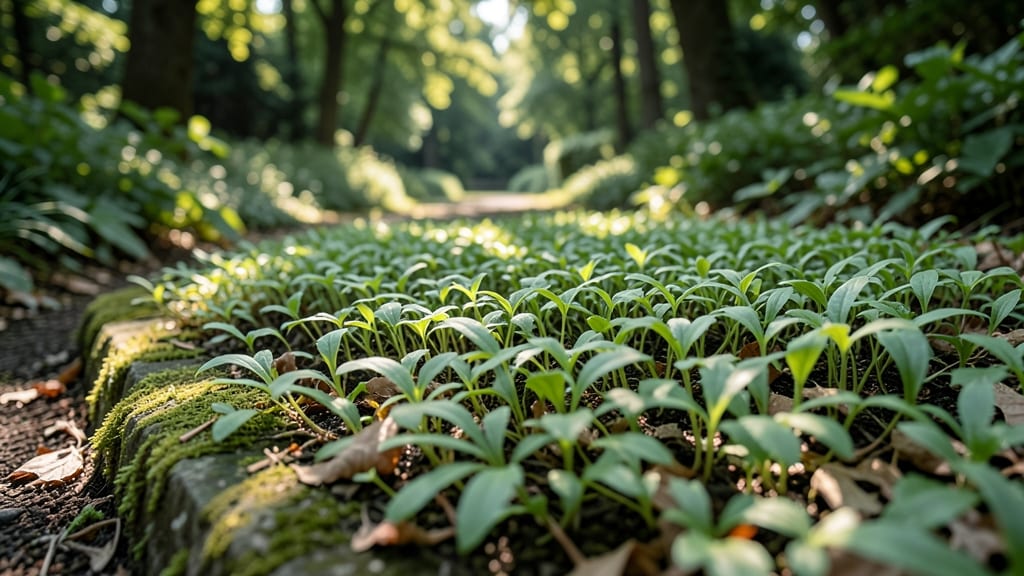
Imagine stepping onto a garden path where every crushed leaf releases a whisper of vanilla—sweet woodruff turns your shady walkways into a sensory experience. This low-growing ground cover thrives in partial to full shade, making it ideal for areas where sunlight is scarce but pollinators are welcome.
With its delicate white flowers and fragrant foliage, sweet woodruff attracts bees and hoverflies while suppressing weeds naturally. It spreads gently to form a lush carpet, perfect for under trees or along borders. For best results, keep the soil moist but well-drained—this shade lover dislikes soggy conditions.
Whether you're designing a fragrant garden path or simply want to add a touch of sweetness to your shade garden, sweet woodruff is a low-maintenance choice that rewards both pollinators and your senses. 🌿
Bleeding Heart for Graceful Vertical Interest
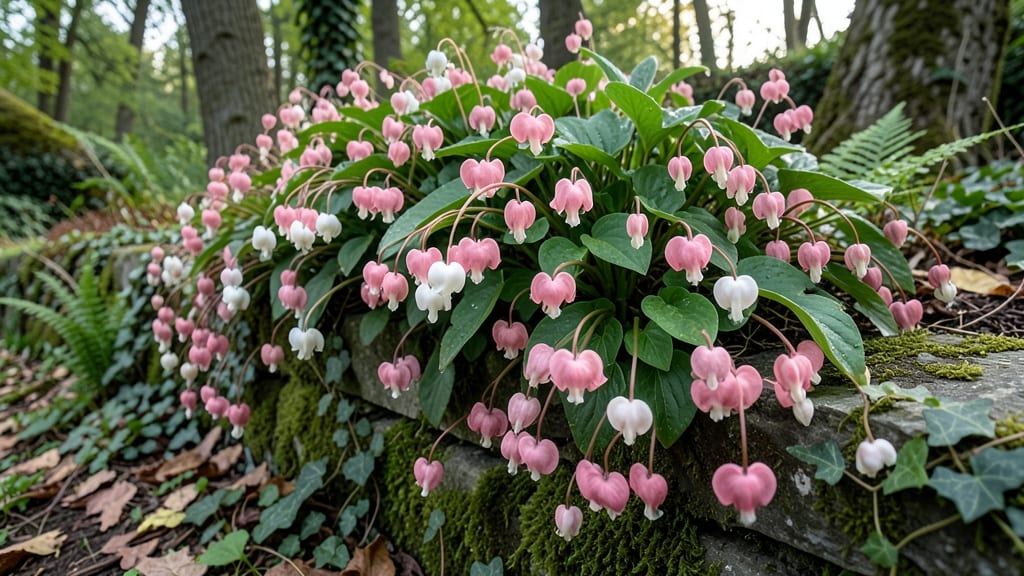
Tired of flat, boring shade borders? Bleeding heart (Dicentra spectabilis) transforms dull corners into living art with its delicate, heart-shaped blooms that cascade like a waterfall. This shade-loving perennial thrives where others struggle, offering 3-4 weeks of vibrant color in spring and occasional summer reblooms.
Plant in partial to full shade with moist, well-draining soil—it's perfect for woodland gardens, foundation plantings, or as a dramatic backdrop for hostas and ferns. The pink or white flowers attract hummingbirds and bees, while its fern-like foliage provides year-round texture. Deadhead spent blooms to encourage more flowers and prevent self-seeding if you prefer controlled growth.
Ideal for cottage gardens or urban spaces with limited sun, bleeding heart brings vertical drama without the fuss. Pair it with foamflower for early spring color or Japanese painted fern for layered interest. 🌷
Hosta Varieties with Stunning Flower Spikes
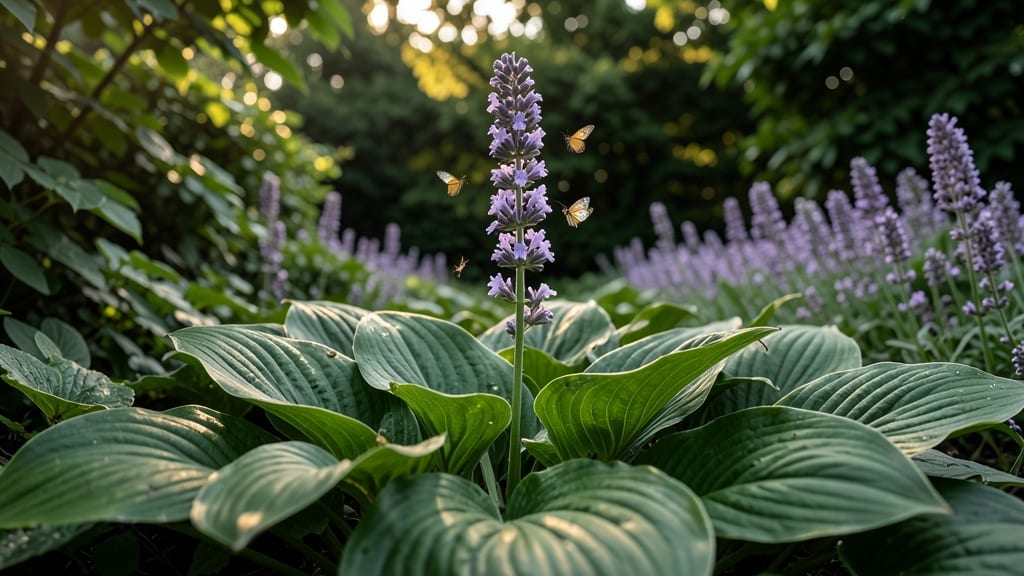
Most gardeners plant hostas for their stunning foliage, but varieties like 'Halcyon' and 'Francee' offer a hidden gem: lavender flower spikes that butterflies can't resist. These blooms appear in mid-to-late summer, adding unexpected vertical interest to your shade garden while providing nectar for pollinators.
To encourage blooming, plant hostas in partial shade with well-draining soil and ensure they receive at least 4-6 hours of filtered light daily. Deadhead spent blooms to prolong the flowering season, and pair them with other shade-loving pollinator plants like astilbe or lungwort for a layered effect. These varieties thrive in USDA zones 3-9, making them versatile for most climates.
Perfect for gardeners who want both beauty and function, these hostas bring dual-purpose value to shady borders, containers, or woodland gardens. 🌱
Foamflower for Early Season Pollinator Boost
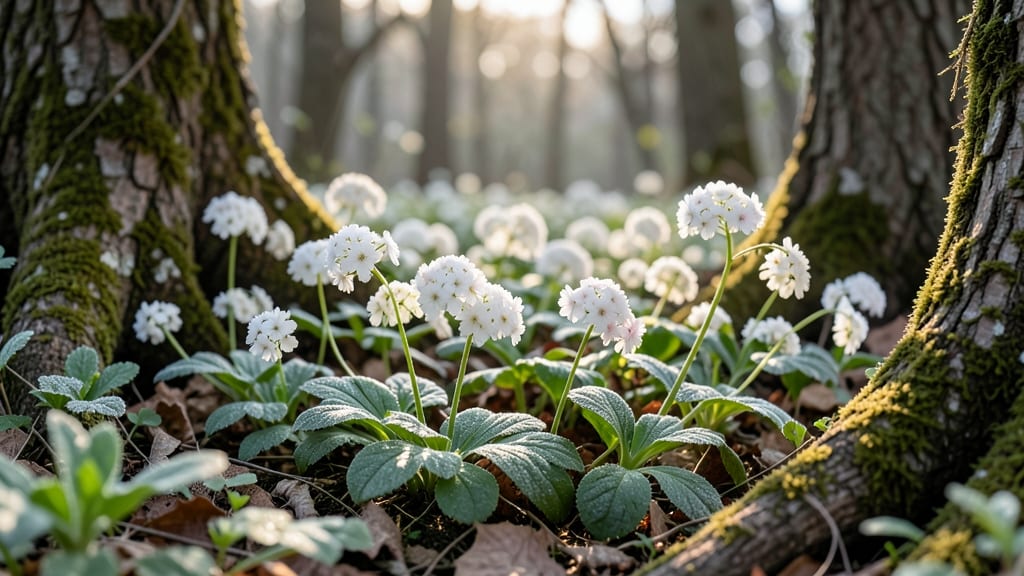
When bees first wake from winter dormancy in early spring, they need critical nectar sources—and foamflower (Tiarella cordifolia) is one of the first shade plants to deliver. Its delicate, frothy white blooms appear as early as March in many regions, offering a lifeline for pollinators before most gardens wake up.
This woodland native thrives in partial to full shade with moist, well-draining soil, making it perfect for understory plantings or woodland gardens. Its lace-like flowers not only feed bees but also create a stunning contrast against deep green foliage, which often develops attractive silver or burgundy markings. Deadheading spent blooms encourages a second flush of flowers, extending the pollinator buffet.
Ideal for beginner gardeners or those with woodland gardens, foamflower is low-maintenance and spreads gently via rhizomes. Plant it in clusters for maximum impact—your early-season pollinators (and your neighbors) will thank you. 🌟
Japanese Painted Fern with Pink Fronds
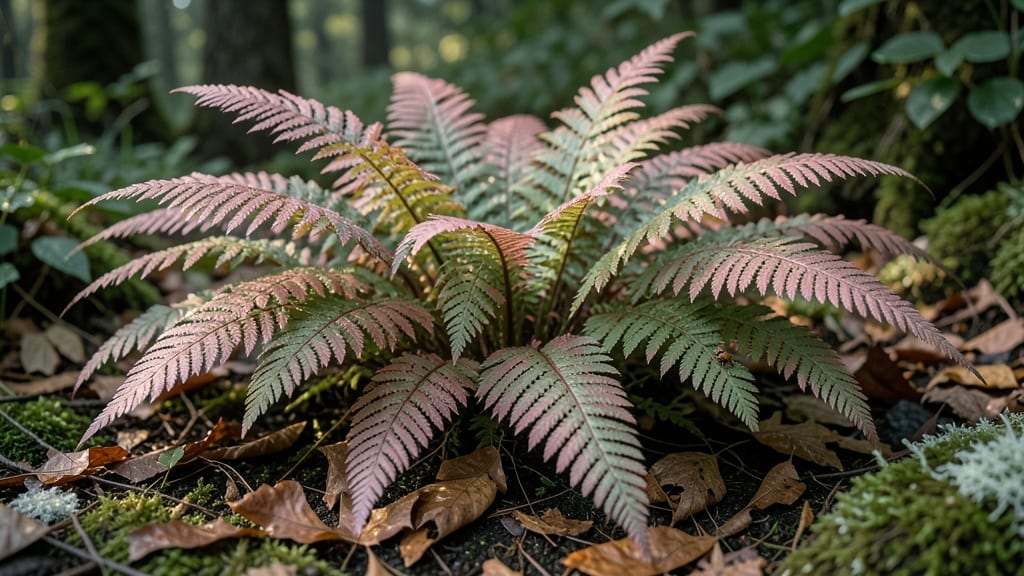
Looking for a shade plant that does double duty as both a pollinator magnet and a textural stunner? The Japanese painted fern (Athyrium niponicum var. pictum) delivers with its pink-tinged fronds in spring, which may not bloom but play host to a surprising cast of beneficial insects.
This fern thrives in moist, well-drained soil and partial to full shade, making it ideal for woodland gardens or understory plantings. The delicate, lacy foliage creates microhabitats for tiny pollinators like syrphid flies and early-season bees, while its silver-splashed leaves mature into deep green—adding year-round interest. Pair it with foamflower or bleeding heart for a layered shade garden that buzzes with activity. 💚
Astilbe for Feather-Like Summer Blooms
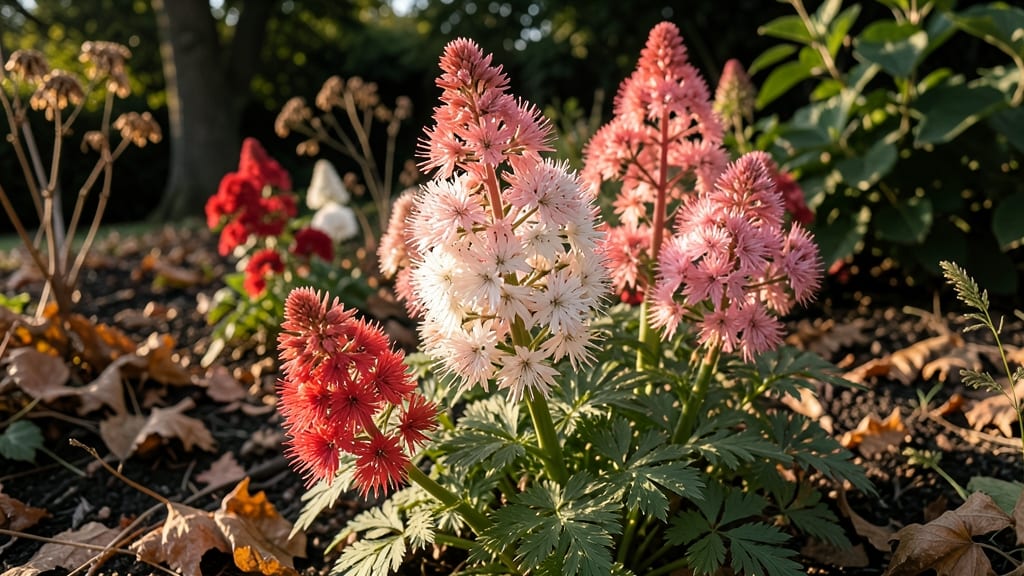
When your shade garden starts to look tired in late summer, astilbe swoops in like a feathered superhero with its plume-like blooms in shades of pink, white, or red. This hardy perennial thrives in the dappled shade where many plants struggle, offering a burst of color exactly when you need it most.
Perfect for containers or borders, astilbe's airy flower clusters provide late-season nectar for bees and butterflies when few other shade plants are blooming. Plant in moist, well-draining soil and provide consistent watering—this shade lover dislikes drying out but won't tolerate soggy conditions. With varieties ranging from 12" to 36" tall, you can easily create height variation in your garden design.
Urban gardeners and balcony planters will love astilbe's container-friendly nature, while woodland gardeners can use it to add movement and texture to shady borders. Its long-lasting blooms make it a standout performer in any shade garden. 🌻
Lungwort for Medicinal Beauty and Bees
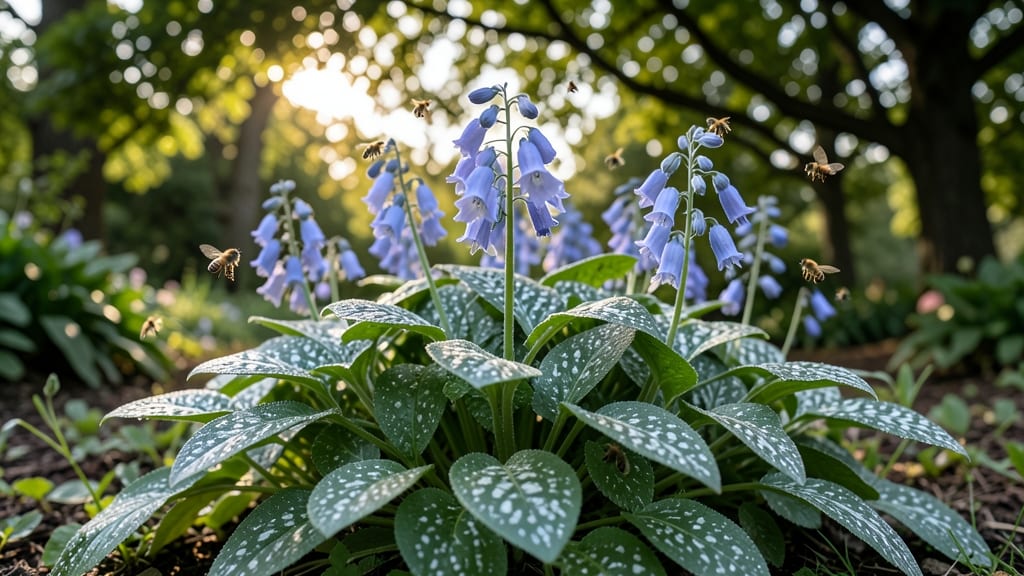
Looking for a shade plant that does double duty as both a medicinal powerhouse and a bee magnet? Lungwort (Pulmonaria) delivers with its striking silver-spotted leaves and clusters of blue flowers that transform dull corners into pollinator hotspots. Unlike many shade plants, lungwort self-seeds reliably, creating natural drifts over time with minimal effort from you.
This hardy perennial thrives in partial to full shade and tolerates a wide range of soil conditions, making it perfect for woodland gardens or understory plantings. The silver markings on its foliage fade as spring progresses, revealing deep green leaves that contrast beautifully with the blue blooms. Plant it near hostas or ferns for a layered woodland effect, or use it as a ground cover alternative to sweet woodruff where you want more architectural interest.
Gardeners who value both beauty and practicality will appreciate lungwort's dual-purpose appeal—its flowers contain compounds historically used in herbal remedies, while its nectar-rich blooms support early-season pollinators. Perfect for low-maintenance gardens or urban spaces with limited sun. ✨
Solomon's Seal for Arching Fragrance
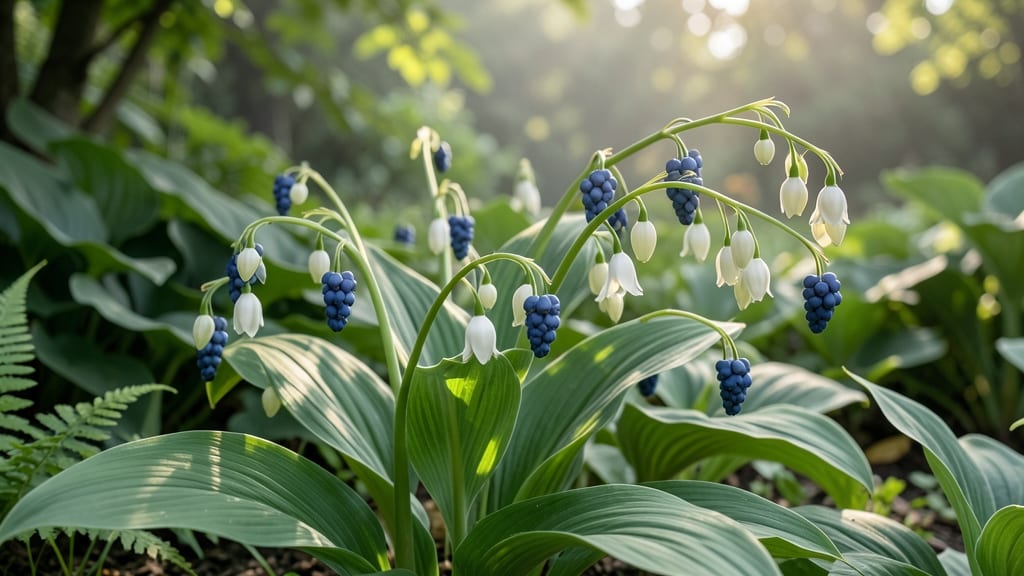
Looking for a shade plant that offers both beauty and a bonus harvest? Solomon's seal (Polygonatum) delivers arching stems of dangling white flowers that transform into edible blue-black berries by late summer—plus, it's a pollinator powerhouse that hummingbirds and bees adore.
This semi-evergreen perennial thrives in partial to full shade with moist, well-draining soil, making it perfect for woodland gardens or understory plantings. Its graceful, arching habit (2-4 feet tall) creates natural movement in the garden, while the berries add a unique food source for wildlife. Plant in clusters for maximum impact—just be prepared for birds to claim the berries before you can!
Ideal for cottage gardens or naturalistic landscapes, Solomon's seal is a low-maintenance choice that rewards both pollinators and your palate. 🌱
Coral Bells for Long-Blooming Color
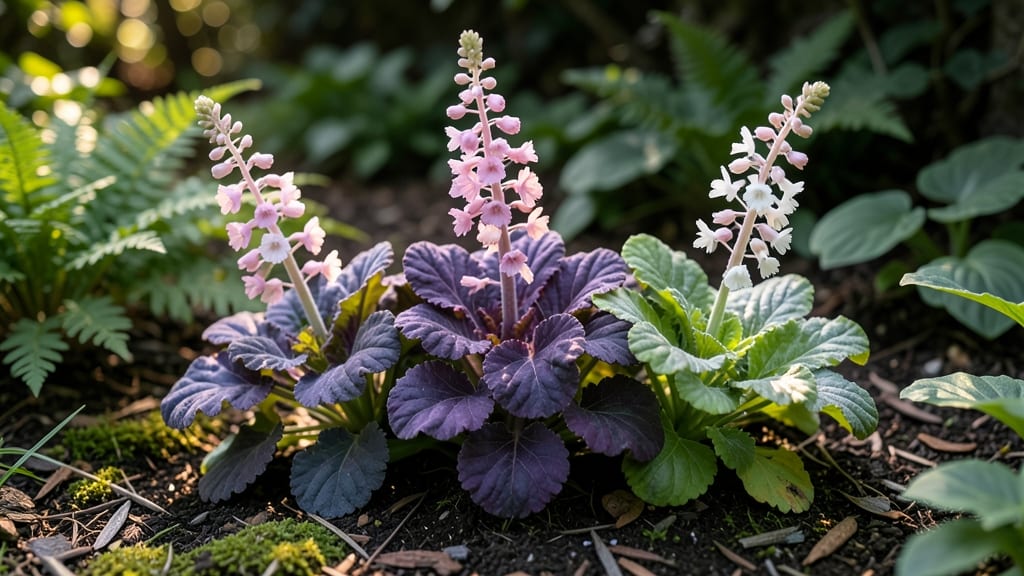
If you love bold foliage but crave continuous blooms too, coral bells (Heuchera) are your secret weapon for partial shade gardens. Unlike many shade plants that focus on leaves or flowers exclusively, Heuchera delivers both—striking, ever-changing foliage in shades of purple, lime, or silver plus delicate flower spikes that appear from spring through fall.
These pollinator powerhouses thrive in partial shade with well-draining soil and tolerate drought once established. Choose varieties like 'Plum Pudding' for deep purple leaves or 'Lime Rickey' for bright chartreuse foliage, both of which produce airy white or pink flower stalks that bees adore. Prune spent flower spikes to encourage more blooms and keep the plant tidy.
Perfect for rock gardens, containers, or woodland edges, coral bells bring year-round interest with minimal maintenance. Urban gardeners will love their adaptability to small spaces, while pollinator enthusiasts gain a reliable food source from spring to frost. 🌿
Japanese Anemone for Late-Season Drama

When most shade gardens look spent by late summer, Japanese anemone (Anemone × hybrida) steps in with a dramatic finale. Its pink or white daisy-like blooms appear from August through October, offering a crucial food source for migrating monarchs, bees, and butterflies when other nectar sources have disappeared.
This hardy perennial thrives in partial to full shade with moist, well-draining soil—ideal for woodland edges or under trees. Its dark green, fern-like foliage provides year-round structure, while the late-season flowers create a striking contrast. For best results, plant in clumps of 3-5 and deadhead spent blooms to encourage more flowers. Japanese anemone is deer-resistant and performs well in USDA zones 4-9, making it a reliable choice for northern and southern gardens alike.
Perfect for gardeners who want to extend their pollinator season, this plant adds both beauty and ecological value to shady borders. Pair it with foamflower for early spring color or astilbe for continuous summer interest. 🌻