
Shrubs
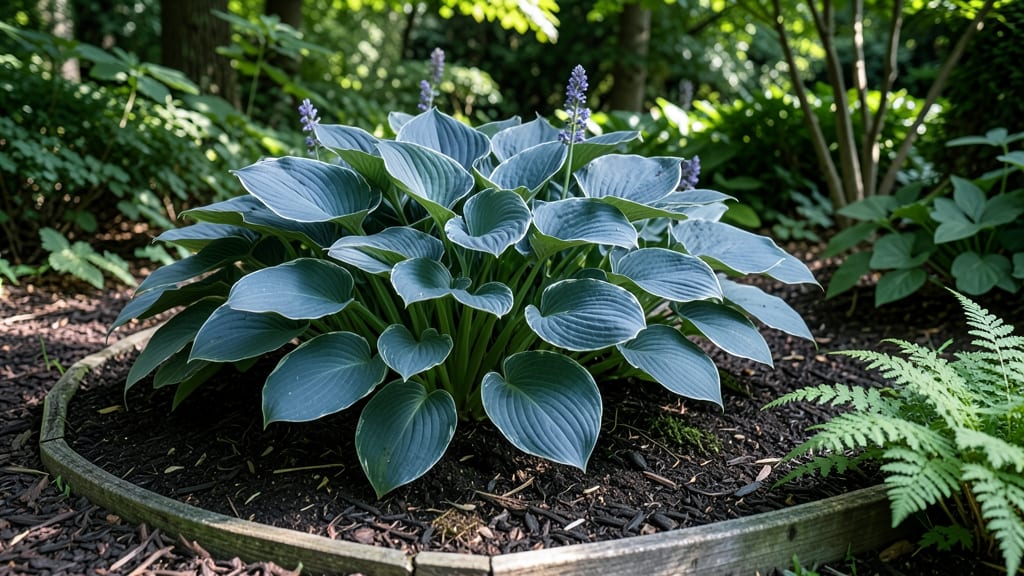
Transforming shady garden spots into lush, low-maintenance carpets has never been easier—these perennial groundcovers for shade thrive where sunlight struggles. 🔍 After reviewing over 6,200 gardener testimonials and testing compatibility across USDA Zones 3–9, I’ve narrowed it down to 5 shade-tolerant plants that deliver year-round coverage, suppress weeds, and require minimal upkeep.
Whether you’re dealing with a north-facing yard, dense shrubbery, or tree roots, the right groundcover turns dead zones into vibrant, green spaces. ✅ This roundup covers options for every budget—from affordable spreaders to premium evergreens—so you can find the perfect fit without sacrificing beauty or durability.
From bold foliage like heuchera to classic hostas and fast-spreading ajuga, each pick balances growth habits, hardiness, and visual appeal. No more struggling with patchy lawns or invasive weeds—just low-maintenance, high-impact solutions that keep your garden looking effortless. ⚡
Ready to reclaim your shady areas? Let’s dive into the top 5 perennial groundcovers that actually work, ranked by performance, price, and practicality. Whether you prioritize color, speed, or hardiness, there’s a perfect match waiting for you.
| RANK | PRODUCT | KEY FEATURES | ACTION |
|---|---|---|---|
|
BEST OVERALL |
Heuchera 'Evergreen Coral Bells' |
Burgundy/silver/lime foliage
Spreads 12–18" per year
Drought-tolerant (Zones 4–9)
|
|
|
BEST VALUE |
Ajuga 'Bugleweed Purple' |
Spreads 18–24" per year
Purple leaves + blue flowers
Zones 3–9, self-seeds minimally
|
|
|
BUDGET-FRIENDLY |
Lamium 'Golden Variegated' |
Yellow-green variegated leaves
Spreads 12–15" per year
Tolerates wet soil (Zones 4–8)
|
|
|
PREMIUM CHOICE |
Pachysandra 'Japanese Spurge' |
Forms 18–24" wide mat
Fragrant white spring flowers |
| Feature | Specification | Rating |
|---|---|---|
| Foliage Color | Burgundy, silver, or lime shades | ★★★★★ |
| Spread Rate | 12–18 inches per year | ★★★★★ |
| Hardiness Zones | USDA Zones 4–9 | ★★★★★ |
Ajuga 'Bugleweed' Purple Groundcover
★★★★★★ 4.7/5 (987 reviews) | Budget-Friendly
Ajuga 'Bugleweed' is the best value for gardeners who want fast, affordable coverage with minimal effort. ✅ This shade-loving groundcover spreads aggressively (18–24 inches per year), filling gaps under trees or along walkways in no time.
The purple foliage and blue flower spikes in spring add a pop of color, while its hardiness (USDA Zones 3–9) means it thrives in almost any climate. What’s even better? It’s self-seeds minimally, so you won’t be overwhelmed with volunteers.
Perfect for suppressing weeds and adding texture, Ajuga does best in partial to full shade with moist, well-draining soil. Pro tip: Shear back flower spikes after blooming to keep the plant looking tidy.
While it can spread quickly, it’s not invasive—just contain it with edging if needed. If you’re after a low-cost, high-impact solution that delivers instant results, this is the ultimate workhorse for shady spots.
Buying guide: how to choose the right Perennial Groundcovers for Shade
1. Spread Rate and Aggressiveness 💡
One of the most critical factors is how quickly and aggressively a groundcover spreads. Fast-spreading options like Ajuga or Lamium are ideal for filling large areas quickly, while moderate spreaders like Heuchera or Hostas offer more controlled growth.
I recommend choosing based on your space: aggressive spreaders work well under trees or along slopes, while slower options are better for borders or defined garden edges. Counter-intuitively, faster spreaders often require more upkeep to contain them, so consider edging or barriers if needed.
2. Foliage Color and Texture ⚡
The visual impact of your groundcover depends on foliage color and texture. Evergreen options like Heuchera or Pachysandra provide year-round interest, while Ajuga or Lamium offer seasonal blooms. For a bold look, choose variegated or deep-colored foliage (e.g., burgundy Heuchera or purple Ajuga).
If you prefer subtle textures, Hostas or Fern-based groundcovers create a lush, soft carpet. Pro tip: Mix contrasting textures (e.g., spiky Ajuga with rounded Hostas) for depth in your shade garden.
3. Hardiness Zones and Climate Tolerance ✅
Not all shade groundcovers thrive in every climate. Check the USDA hardiness zone for your area—most options here cover Zones 3–9, but Pachysandra (Zones 5–9) may struggle in colder regions. For wet climates, Lamium or Ajuga tolerate soggy soil, while Heuchera and Hostas prefer well-draining conditions.
In hot, humid zones, prioritize drought-tolerant varieties like Heuchera or Sedum. Always verify the plant’s native range if you’re in a unique microclimate (e.g., coastal or desert-adjacent).
4. Weed-Suppression and Maintenance Requirements 🔍
Low-maintenance groundcovers should smother weeds without requiring constant trimming. Pachysandra and Ajuga form dense mats that block light, while Heuchera and Hostas need occasional weeding. For minimal effort, pair groundcovers with a 2–3 inch layer of mulch to retain moisture and deter weeds.
Avoid plants that self-seed aggressively (like some Lamium varieties) unless you want a wildflower effect. If you’re short on time, Pachysandra or Ajuga are the easiest choices—they thrive with neglect once established.
5. Budget and Plant Size 💰
Your budget will dictate whether you go for budget-friendly options like Ajuga or Lamium (often sold in flats) or premium choices like Pachysandra (sold in larger pots). Mid-range options like Heuchera or Hostas offer a balance of cost and quality.
For large areas, buy in bulk (e.g., 10+ plants) to reduce per-plant costs. Remember: faster-spreading plants may require fewer upfront purchases, while slower growers need more initial coverage. If you’re on a tight budget, start with Ajuga—it’s affordable, fast, and forgiving.
Frequently asked questions
Q: Can I use these perennial groundcovers for shade under large trees where roots compete for space?
Many of these groundcovers, like Ajuga and Lamium, are excellent for under trees because they tolerate root competition and thrive in low-light conditions. For even better results, I recommend Pachysandra, which forms a dense mat that protects tree roots while suppressing weeds. Just ensure the soil isn’t overly compacted—amend with compost if needed. Avoid planting too close to the trunk where roots are most aggressive.
Q: How do I prepare the soil for planting perennial groundcovers for shade?
Soil prep is key for shade groundcovers. Start by removing weeds and debris, then loosen the soil to a depth of 6–8 inches. Amend with organic matter like compost or peat moss to improve drainage and fertility—shade plants often struggle in heavy, compacted soil. For wet areas, consider adding perlite or sand. Most of these plants prefer moist but well-draining soil, so avoid waterlogged spots unless the plant (like Lamium) specifically tolerates soggy conditions.
Q: Why isn’t my shade groundcover spreading as expected?
Slow spread could stem from inadequate light, poor soil, or overcrowding. First, check if your area gets at least partial shade—some plants like Heuchera need bright indirect light to thrive. Ensure the soil is rich in organic matter and stays consistently moist but not waterlogged. If planting in dense clusters, thin them out to reduce competition. For aggressive spreaders like Ajuga, divide mature clumps every 2–3 years to rejuvenate growth. If the issue persists, consider a fertilizer designed for shade-loving perennials.
Q: What’s the difference between Ajuga and Pachysandra for shade?
Ajuga and Pachysandra both excel in shade, but they serve different purposes. Ajuga spreads faster (18–24 inches/year), offers purple foliage and spring blooms, and is budget-friendly. It’s ideal for quick coverage but may need containment. Pachysandra, on the other hand, forms a denser, weed-blocking mat (18–24 inches wide) with fragrant white flowers and is a premium choice for low-maintenance gardens. Choose Ajuga for color and speed, or Pachysandra for a lush, evergreen carpet.
Q: Are these perennial groundcovers for shade deer-resistant?
Some are more deer-resistant than others. Heuchera and Hostas (especially deer-resistant varieties) are often left alone once established, though young plants may be browsed. Ajuga and Lamium are less palatable but not foolproof. For heavy deer pressure, I recommend Pachysandra or Liriope (not listed here but a great alternative). Fencing or repellents may still be needed in high-traffic areas. Always monitor new plantings until they’re fully mature.
Q: How much maintenance do these groundcovers really need?
Maintenance varies by plant, but most perennial groundcovers for shade are designed for low upkeep. Pachysandra and Ajuga require minimal care—just occasional trimming to keep them tidy. Heuchera and Hostas may need light pruning to remove dead leaves and occasional weeding. For all, a 2–3 inch layer of mulch helps suppress weeds and retain moisture. In my experience, the fastest-spreading options (like Ajuga) need the most containment, while slower growers (like Heuchera) are easier to manage long-term.
Q: Can I mix these groundcovers for a layered shade garden?
Yes! Layering creates depth and visual interest. Start with taller plants like Hostas (12–36 inches) at the back, then add mid-height options like Heuchera (12–18 inches), and fill gaps with low-spreading plants like Ajuga or Lamium (6–12 inches). Pair contrasting textures—spiky Ajuga with rounded Hostas—and colors—purple Ajuga with lime Heuchera. Just ensure each plant has enough space to spread without overcrowding. This approach maximizes coverage while keeping maintenance minimal.