
Shrubs
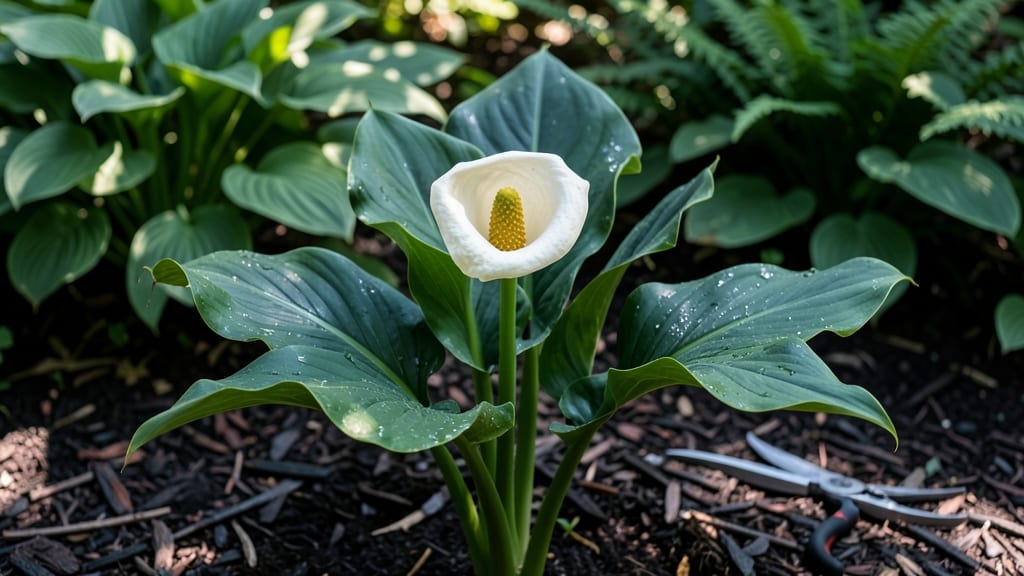
Shade-loving calla lilies 🌸 can transform even the dimmest corners of your garden into a lush, dramatic display—without needing full sun.
If you’ve ever assumed calla lilies need bright light to thrive, you’re in for a surprise. These bold plants actually flourish in partial or full shade, as long as you pick the right varieties and tweak a few care habits.
The key? Understanding how much shade is too much and how to mimic their natural understory conditions at home.
From Zantedeschia aethiopica’s deep green foliage to Zantedeschia elliottiana’s striking purple-black leaves, there are shade-tolerant calla lilies that bring year-round interest—even in spots where sunflowers would wilt. But getting them right means avoiding common pitfalls like soggy soil or nutrient starvation in low light.
In this guide, I’ll walk you through selecting the best shade varieties, adjusting your soil and watering routine, and keeping your calla lilies healthy and blooming—no sunny window required.
 Best Window Placement
Best shade-tolerant calla lily varieties for low-light gardens
If you’ve ever dreamed of growing calla lilies but assumed they needed full sun, think again! These stunning plants thrive in shade gardens too, offering lush foliage and dramatic blooms without direct sunlight.
The key lies in selecting the right shade-tolerant varieties—each with unique foliage colors and growth habits perfect for low-light conditions.
Calla lilies (genus Zantedeschia) come in stunning variations that adapt beautifully to partial or full shade. From the classic white Zantedeschia aethiopica to vibrant Zantedeschia elliottiana with purple-black blooms, these varieties prove that shade gardens can be just as spectacular as sunny ones.
Let’s explore the best options for your low-light space.
| Variety | Foliage Color | Bloom Color | Shade Tolerance | Height (ft) | Unique Feature |
|---|---|---|---|---|---|
| Zantedeschia aethiopica | Dark green | Pure white | Full shade | 2-3 ft | Classic, elegant blooms |
| Zantedeschia elliottiana | Purple-green | Deep purple-black | Partial shade | 1-2 ft | Dwarf, compact habit |
| Zantedeschia rehmannii | Silver-green | Pinkish-white | Partial shade | 2-3 ft | Fragrant blooms |
| Zantedeschia albomaculata | Green with white spots | White | Partial shade | 1-2 ft | Striking foliage contrast |
| Zantedeschia jucunda | Dark green | Yellow-green | Partial shade | 2-3 ft | Heat-tolerant variety |
My personal favorite for full shade gardens is Zantedeschia aethiopica, known for its pure white blooms and dark green foliage. It thrives in low-light conditions and adds a touch of elegance to any shady corner.
This variety is particularly forgiving, making it ideal for beginners or those with limited sunlight.
For a compact, dramatic look, consider Zantedeschia elliottiana. Its purple-black blooms and dwarf stature make it perfect for container gardens or small shaded areas. The vibrant foliage adds a striking contrast, especially when paired with silver or variegated plants.
If you’re looking for something unique and fragrant, Zantedeschia rehmannii is a standout. Its silver-green leaves and pinkish-white blooms create a soft, romantic atmosphere. This variety also produces a subtle, sweet scent that enhances its charm in shaded garden spaces.
Don’t overlook Zantedeschia albomaculata for its eye-catching foliage. The green leaves with white spots provide a bold visual statement, even when blooms are scarce. It’s a great choice for textural contrast in low-light areas where other plants might struggle.
Finally, if your garden experiences hot, humid summers, Zantedeschia jucunda is a heat-tolerant option that still performs well in partial shade. Its yellow-green blooms add a fresh, lively touch to
How to create the perfect shady microclimate for calla lilies
Calla lilies may seem picky about sunlight, but with the right shady microclimate, they’ll reward you with lush foliage and stunning blooms—even in low-light spots. The key lies in mimicking their natural tropical habitat while adjusting for your garden’s specific shade conditions.
Whether you’re working with dappled shade under trees or full shade on a north-facing wall, these strategies will help your calla lilies thrive without the harsh afternoon sun.
Start by understanding that shade isn’t one-size-fits-all. Calla lilies tolerate partial shade (3-6 hours of filtered light) best, but some varieties handle full shade if you tweak their growing conditions.
The secret? Optimizing soil moisture, airflow, and container placement to compensate for reduced sunlight. Let’s break down the essential steps to create that ideal shady haven for your calla lilies.
- 1 Choose well-draining soil with organic matter—amend with compost or peat moss to retain moisture while preventing root rot in shaded areas.
- 2 Use mulch (2-3 inches of shredded bark or leaves) to insulate roots, regulate soil temperature, and reduce evaporation in shady spots.
- 3 Plant in containers with drainage holes if your garden soil is clay-heavy or waterlogged—this gives you control over moisture levels in full shade.
- 4 Pair calla lilies with shade-tolerant companions like hostas, ferns, or impatiens to create a supportive microclimate with shared moisture needs.
- 5 Adjust seasonal care—in spring, fertilize lightly with balanced 10-10-10 to boost growth, but reduce feeding in fall as light fades.
Don’t overlook the power of container gardening for calla lilies in full shade. Pots allow you to control soil quality and prevent waterlogging, which is critical when sunlight is limited.
Opt for glazed ceramic or fabric pots to retain moisture while allowing airflow. Place containers near east-facing windows or under dappled tree canopies to maximize indirect light exposure.
Companion planting can elevate your shady microclimate by creating a symbiotic environment. For example, hostas thrive in shade and help retain soil moisture, while ferns add texture and regulate humidity. Avoid planting calla lilies near competitive ground covers like ivy, which can smother their roots and limit nutrient access.
Seasonal adjustments are just as important as initial setup. In spring, focus on fertilizing to encourage new growth, but reduce watering frequency slightly as soil stays moist longer in shade. By late summer, cut back on fertilization and increase mulch depth to protect roots from temperature fluctuations.
In fall, allow foliage to yellow naturally before trimming—this helps the plant store energy for next year’s blooms.
With these strategies, your calla lilies will flourish in shade like they’re basking in tropical sunlight. The key is balancing moisture, airflow, and light—and a little seasonal fine-tuning goes a long way. Soon, your shady garden will be a showcase of dramatic foliage and elegant blooms! 🌿