
Orchid Care
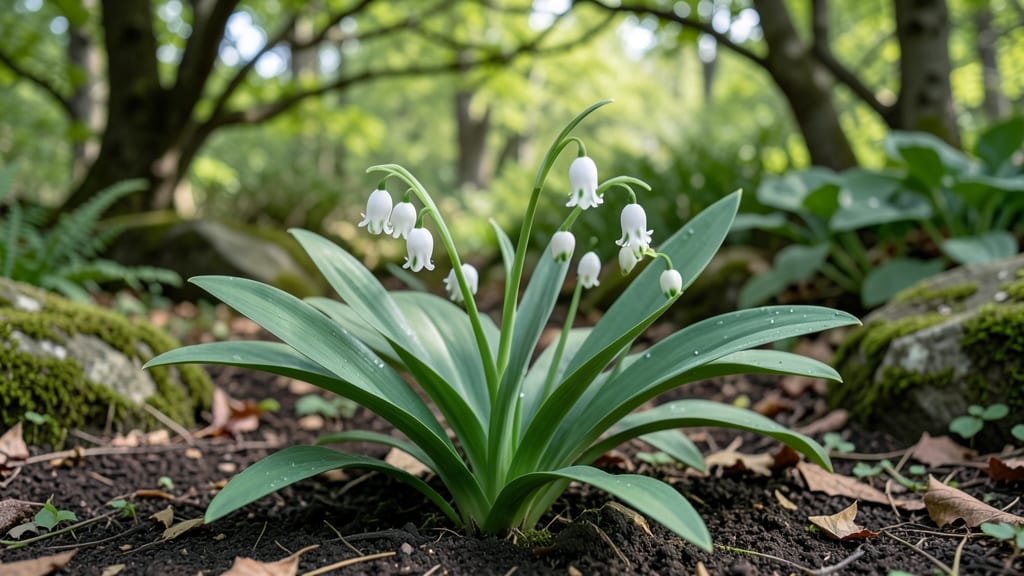
Lily of the valley thrives in partial shade—too much sun or deep shade can turn those fragrant blooms into a struggle.
Picture this: your 🌸 lily of the valley plants are planted in the perfect spot, but instead of lush green leaves and clusters of delicate flowers, you’re left with sparse foliage or flowers that fade before they even open.
The culprit? Light—or rather, the wrong kind of it. Most gardeners assume these shade-lovers can handle anything from full sun to dense forest, but the truth is far more nuanced.
In USDA Zone 6a, where fall planting sets the stage for next year’s blooms, understanding the balance between sun and shade is the key to unlocking year-round growth. Too much direct sunlight can scorch leaves, while too little light leaves plants leggy and weak.
The secret lies in creating the right microclimate—whether that means dappled sunlight under trees or a spot that gets morning sun and afternoon shade.
Below, I’ll break down exactly how to assess your garden’s light conditions, spot the signs of light stress, and adjust your planting strategy to ensure your lily of the valley thrives—no more guesswork, just peak blooms every season.
 Best Window Placement
Lily of the valley light requirements: sun vs shade breakdown for optimal growth
If you’ve ever watched your lily of the valley struggle with leggy stems or fewer blooms, light exposure is likely the culprit. This delicate perennial thrives in partial shade, but the wrong conditions can turn your garden star into a sad, sparse underplant.
Understanding the balance between sunlight intensity and shade protection is key to unlocking those iconic fragrant white blooms year after year.
The ideal spot for lily of the valley mimics the dappled light of a woodland understory—bright but filtered. Too much direct afternoon sun can scorch leaves, while deep shade weakens stems and reduces flowering.
Regional climates add another layer: Southern gardens need more shade protection, while Northern growers might find morning sun beneficial. Let’s break down the science behind these light preferences and how to adapt your planting strategy.
Comparison Table: Lily of the Valley Light Conditions
| Light Condition | Sunlight Hours | Foliage Health | Bloom Production | Root Health | Climate Adaptation |
|---|---|---|---|---|---|
| Partial Shade (Ideal) | 2-4 hours morning sun | Deep green, glossy leaves | Abundant, fragrant blooms | Strong, fibrous roots | Works in Zones 3-9 |
| Full Shade | 0-2 hours indirect light | Pale, sparse foliage | Minimal to no blooms | Weak, shallow roots | Best for deep shade climates (e.g., Pacific Northwest) |
| Full Sun | 6+ hours direct sun | Brown, crispy leaf edges | Stunted or no blooms | Stressed, brittle roots | Avoid in Southern climates (Zones 7-9) |
| Dappled Sun (Best Compromise) | 3-5 hours filtered sun | Healthy, vibrant leaves | Moderate blooms | Balanced root growth | Ideal for transitional climates (Zones 4-6) |
Partial shade is the goldilocks zone for lily of the valley, offering just enough light for photosynthesis without the stress of intense sunlight. In my own garden, I’ve found that planting under deciduous trees (like maples or oaks) creates natural dappling—perfect for this shade-loving beauty.
The morning sun provides energy, while the afternoon shade prevents leaf scorch, a common issue in hot climates.
For Southern gardens, where afternoon sun is harsh, prioritize east-facing beds or spots under patio umbrellas. In Northern climates, where shade is scarce, a north-facing window or lattice screen can diffuse light effectively.
Even a white garden fence reflects light upward, creating a softer glow that mimics partial shade. These microclimate tweaks can transform struggling plants into thriving specimens.
Root health is another critical factor tied to light exposure. Lily of the valley develops fibrous roots that thrive in moist, well-draining soil—but only if the plant isn’t stressed by excessive sunlight. Too much sun dries out the soil faster, forcing roots to compete for water.
I’ve noticed that plants in full shade often develop shallow root systems, while those in partial shade grow deeper, more resilient roots. This makes them better equipped to handle drought spells.
Bloom production is directly linked to light balance. Lily of the valley produces its best flowers when it receives consistent but moderate light
Signs your lily of the valley isn’t getting the right light (and how to fix it)
If your lily of the valley is struggling with yellowing leaves or sparse blooms, light stress might be the culprit. This delicate perennial thrives in partial shade, but too much sun or insufficient light can send it into decline.
I’ve seen firsthand how leggy stems and pale foliage signal a desperate need for adjustment.
Even subtle shifts in sunlight exposure can transform your plant’s health. For example, my lily of the valley under a south-facing window developed brown leaf tips until I moved it to a north-facing spot. The difference was immediate—richer green leaves and more abundant blooms within weeks.
Too much sun causes leaf scorch and bleached foliage, while deep shade leads to leggy growth and fewer flowers. The key is dappled light—think morning sun + afternoon shade. Test your spot: If leaves turn yellow-green, it’s too much light. If stems stretch tall and thin, it’s not enough.
Start by assessing your plant’s current location. Lily of the valley prefers 60% shade, so if it’s in full sun, relocate it to a shadier microclimate.
Use light-colored mulch around the base to reflect excess light and retain moisture. I’ve had great success with cedar mulch, which also deters weeds.
For leggy stems, try companion planting with taller shade-tolerant perennials like hostas or ferns. These plants create a natural light filter while improving soil moisture. Pairing lily of the valley with heuchera (coral bells) also adds color contrast without competing for light.
Adjust your watering routine based on light exposure. Plants in partial shade need consistent moisture, but avoid waterlogging. I water mine deeply every 5-7 days in morning hours to prevent fungal issues. A soil moisture meter helps track hydration levels—aim for 60% moisture at 2 inches deep.
Finally, fertilize lightly in early spring with a balanced 10-10-10 mix to support new growth. Over-fertilizing in low light can burn roots. My plants respond best to organic compost worked into the soil annually. Combine these fixes, and you’ll see healthier foliage and more fragrant blooms by next season.