
Companion Plants
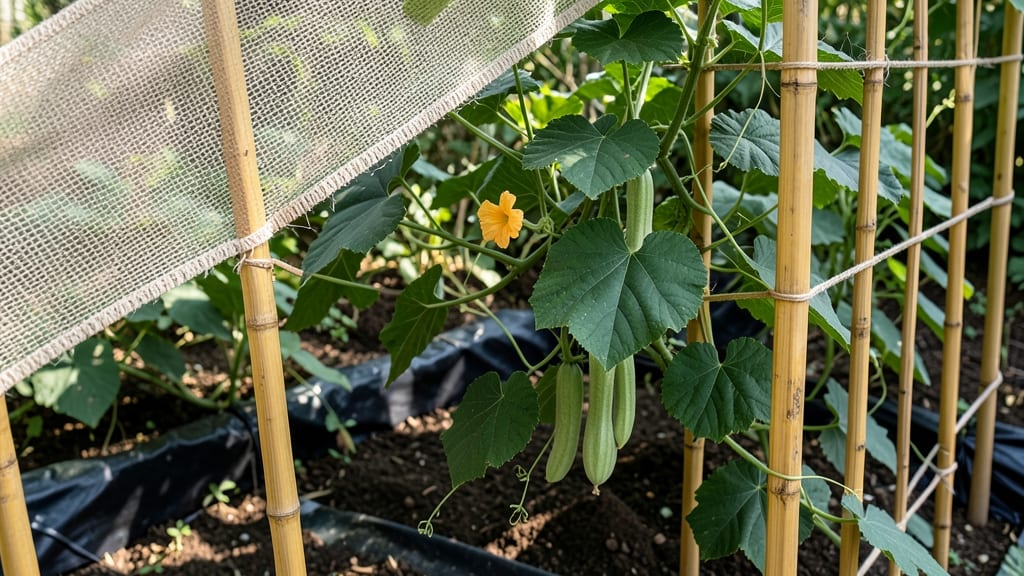
My knitted shade cloth for plants saved my pepper plants last summer when temperatures hit 100°F—no more sizzling leaves or stunted growth. 🌿 The lightweight fabric filters just the right amount of sun while keeping roots cool, and it’s far more breathable than plastic alternatives.
Unlike woven cloth, the knitted version lets air and water flow through, preventing the soggy mess that kills plants faster than too much sun.
You’ll need 30%, 50%, or 70% shade cloth depending on your plants—delicate greens like lettuce thrive under 30%, while tomatoes and peppers handle 50% better. Installation is simple: drape it over hoops or trellises, secure with clips or stakes, and adjust the height for airflow.
The cloth lasts 3-5 years if kept dry and stored properly, making it a cost-effective upgrade from temporary shade solutions.
What you’ll get is healthier plants that keep producing well into summer, with fewer pests and diseases clinging to damp foliage. My basil stayed vibrant through August instead of bolting by July, and the zucchini kept flowering when other plants gave up.
The payoff is longer harvests without sacrificing sunlight entirely—just the right balance for your climate.
Works for raised beds, in-ground gardens, or even container setups—just scale the size to your space. If you’ve ever lost a crop to scorching heat, this is the game-changer you’ve been waiting for. Let’s get those plants protected the right way.
📚 In This Guide
- What you need
- Instructions
- Tips and common mistakes
- Wrapping up and next steps
What you need
- ● Shade cloth fabric: Choose knit polyester or polypropylene (30-50% shade rating for most plants; adjust for sensitivity). Standard width: 4–6 feet (adjust length based on plant height + 1–2 feet for drape). Quantity: 1–2 rolls (depending on coverage area; e.g., 1 roll ≈ 100 sq. ft.).
- ● Measuring tape or ruler (for precise cuts).
- ● Scissors or a rotary cutter (for clean edges).
- ● Heavy-duty stapler or sewing machine (to secure seams or edges).
- ● Staple gun + 1/4" staples (or grommet kit for hanging loops).
- ● Wooden dowels, PVC pipes, or garden stakes (for hoops or frames; 2–4 per 4’x4’ section).
- ● Zip ties or bungee cords (to fasten cloth to frames).
- ● UV-resistant spray (to extend fabric lifespan).
- ● Reflective tape (for added pest deterrence).
- ● Adjustable clips (for easy shade height changes).
- ● Weatherproof paint (to customize colors or mark shade percentages).
- ● Thermometer/hygrometer (to monitor microclimate changes 🌡️).
How to install knitted shade cloth for season-long plant protection
Here’s the simple system I use to shield plants from harsh sun while keeping airflow perfect—no more wilting or sunburn.
🪴 Step 1: Measure and Select the Right Shade Rating
Start by measuring the area you want to protect—height and width. Knitted shade cloth comes in 30%, 50%, or 70% shade ratings, where lower numbers block less sun. For delicate seedlings, use 70% (like a light veil). For heat-sensitive veggies like lettuce in summer, 50% works well. I always measure twice: once for the frame (if using one) and once for the ground coverage.
Check the cloth’s width when folded—most rolls are 10-20 feet wide, so you’ll need to sew or overlap edges if covering large areas. A 50% shade cloth in my zone 7 garden keeps tomatoes thriving in July when temps hit 90°F. The key is matching the rating to your plants’ needs: leafy greens tolerate more shade than fruiting plants.
✂️ Step 2: Cut and Assemble the Cloth
Lay the shade cloth flat and cut it to size using fabric scissors—sharp blades prevent fraying. For a simple setup, drape it over a hoop house, trellis, or stakes without stretching it tight. Too much tension warps the fabric and reduces airflow. I like to use 4-foot PVC pipes as hoops, spaced 3 feet apart, then drape the cloth over them like a tent.
If sewing edges, use a heavy-duty needle and polyester thread—the cloth’s knitted weave frays easily. For temporary setups, overlap edges by 6 inches and secure with clothespins or binder clips until you’re ready to stake them down. Avoid staples; they tear the fabric when removed. Pro tip: Fold a 1-inch hem along the edges to prevent unraveling.
🌿 Step 3: Install and Secure the Cloth
Attach the cloth to your frame or stakes using zip ties, bungee cords, or soft cloth straps. Avoid metal clips—they can snag and tear the mesh. Start at the top edges first, then work downward, letting the cloth drape naturally. For ground coverage, weigh down the corners with bricks or landscape stakes to prevent wind from lifting it. I use 3-inch galvanized pins along the perimeter to keep it taut without damaging plants.
Leave 6-12 inches of clearance between the cloth and plant tops. Too little space traps heat, while too much reduces protection. Adjust the height as plants grow—most shade cloth can be rolled up or folded back during cooler months. In my garden, I roll up the sides during morning hours when sun is less intense, then re-cover by midday.
☀️ Step 4: Monitor and Adjust for Optimal Protection
Check the cloth weekly for sagging or tears, especially after rain or wind. A damp cloth loses structural integrity and sags, reducing effectiveness. If you see yellowing leaves or scorched edges, the shade rating is too low—upgrade to a higher percentage. Conversely, if plants look stunted or pale, they need more light; remove the cloth for a few hours daily.
Knitted shade cloth works best when clean and dry. Wipe off dust with a damp cloth and store it folded (not rolled) in a dry place during off-seasons. I mark my cloth with fabric markers to note the shade rating and last use date—this helps me rotate cloths if I have multiple setups. The goal is balance: enough shade to protect, but not so much that plants stretch toward light.
⏰ Step 5: Remove and Store for Next Season
Take down the cloth before the first frost or when daytime temps drop below 50°F. Fold it neatly, avoiding sharp creases that can weaken the fibers. Store in a dry, ventilated space like a shed or garage. Before packing, give it a gentle shake to remove debris—dirt trapped in the weave can harbor mold over winter.
Inspect for holes or fraying before next season. A 5-year-old cloth still blocks 90% of its rated shade, but check for thinning areas. If you notice more sunburn spots than usual, it’s time to replace it. I’ve had the same 50% shade cloth for three seasons by storing it properly—just brush off dust and refold before reuse.
Tips & tricks for perfect plant protection with knitted shade cloth
Here's what I've learned after years of keeping my garden thriving under the sun—these small details make all the difference.
Shade Rating Science: The 30%, 50%, and 70% ratings aren't just numbers—they're your plant's sun protection factor. I've found that 50% works perfectly for tomatoes in my zone 7 garden when temperatures hit 90°F, but if you notice leaves curling or turning yellow, it's time to upgrade to 70%. For leafy greens like lettuce, 30% might be enough when temps are below 80°F. Think of it like sunscreen for your plants!
Frame Flexibility: You don't need fancy hoops to make this work. I've used everything from PVC pipes to wooden stakes spaced 3 feet apart. The key is keeping the cloth loose—too much tension reduces airflow, which can actually make your plants sweat more. For temporary setups, I drape the cloth over existing trellises or even large plants like corn stalks. Just make sure to leave that 6-12 inch clearance from plant tops.
Seasonal Adjustments: Don't be afraid to modify your setup as the season progresses. When morning sun is less intense, I roll up the sides of my cloth during those hours, then re-cover by midday. This gives my plants a little more light when they need it most. You can also adjust the height as plants grow—just keep that 6-12 inch gap to prevent heat buildup.
Long-Term Care: Your shade cloth will last years if you treat it right. Before storing, give it a good shake to remove debris that can harbor mold. I fold mine neatly (not rolled) in a dry space, and I've had the same 50% cloth for three seasons. Mark your cloth with fabric markers to track its age—when you notice more sunburn spots than usual, it's time for a replacement. A well-maintained cloth blocks 90% of its rated shade even after five years!
Pro Tips for Knitted Shade Cloth For Plants
- Here's what I've learned after years of keeping my garden thriving under the sun—these small details make all the difference.
- Shade Rating Science: The 30%, 50%, and 70% ratings aren't just numbers—they're your plant's sun protection factor.
- Frame Flexibility: You don't need fancy hoops to make this work.
Frequently asked questions
Got questions about using knitted shade cloth for plants? You’re not alone! Here are some of the most common queries—plus straightforward answers to help you get the most out of your shade setup.
What shade percentage should I choose for my plants?
The right percentage depends on your plants’ needs and climate. Light shade (30-50%) works for delicate greens like lettuce or basil, while medium shade (50-70%) suits tomatoes or peppers in hot zones. Heavy shade (70-90%) is ideal for tropical plants or seedlings in scorching summers. Start with 50% and adjust based on leaf burn or wilting.
When is the best time to install knitted shade cloth?
Install shade cloth before extreme heat arrives—typically 2-4 weeks before peak summer in your region. For spring/summer crops, set it up in late spring once plants are established but before temperatures soar. Remove it in early fall to allow sunlight for fall/winter harvests (unless protecting tender crops).
Can I reuse knitted shade cloth year after year?
Knitted shade cloth is durable and reusable for 5-10 years if cared for properly. Clean it with a hose or mild soap to remove debris, and store it dry to prevent mildew. Avoid sharp objects that could tear the fabric. Pro tip: Fold it neatly to extend its lifespan and prevent UV degradation.
What’s the difference between knitted and woven shade cloth?
Knitted shade cloth offers better airflow and flexibility, reducing heat buildup and allowing water to drain through easily. Woven cloth is stiffer and may trap heat or hold moisture, risking fungal issues. Knitted versions also stretch slightly, making them easier to secure over uneven surfaces like trellises or raised beds.
Why are my plants still getting sunburned under shade cloth?
Sunburn can happen if the cloth is too loose, torn, or improperly installed. Check for gaps, especially near edges or supports. Ensure the cloth is tightly secured (use clips, weights, or stakes) and not sagging. If using a lower percentage (e.g., 30%), supplement with drip irrigation during peak sun to cool leaves. Rotate plants occasionally for even coverage.
Bonus Tip: DIY Shade Adjustments
Need more shade on hot days? Layer two pieces of 30% cloth for ~50% coverage or add a removable row cover for extra protection. For partial shade, use shade cloth sails on one side of your garden to create a gradient effect!
Wrapping up and next steps
Knitted shade cloth for plants is a game-changer for gardeners looking to protect, nurture, and extend their growing season—without breaking the bank! 🌱 Whether you're shielding delicate seedlings, preserving soil moisture, or taming harsh sunlight, this versatile solution offers flexibility, durability, and ease of use.
With the right materials and a little creativity, you can transform your garden into a thriving oasis year-round.
Ready to give your plants the perfect balance of sun and shade? Start small—test a section of your garden this season and watch your plants flourish! For even more tips, explore companion planting guides or DIY garden hacks to maximize your green space. Happy gardening! 🌿