
Flowers
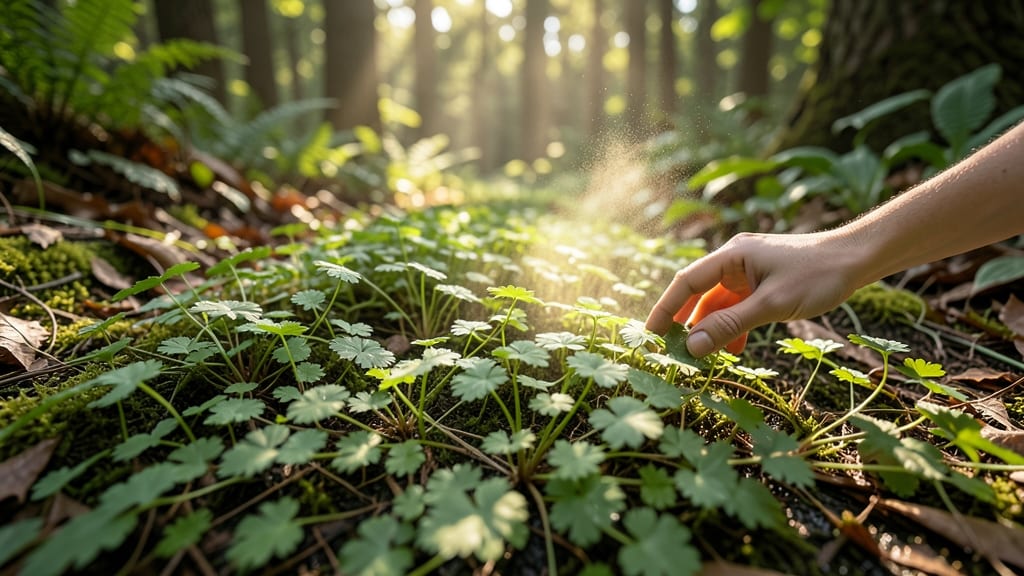
Dark garden corners don’t have to be dull—these 10 shade-loving summer flowers thrive in low light while delivering vibrant blooms, fragrance, and texture. Perfect for patios, woodland gardens, or north-facing yards, these beauties prove shade can be just as stunning as sun.
Bleeding Heart Flower for Woodland Gardens
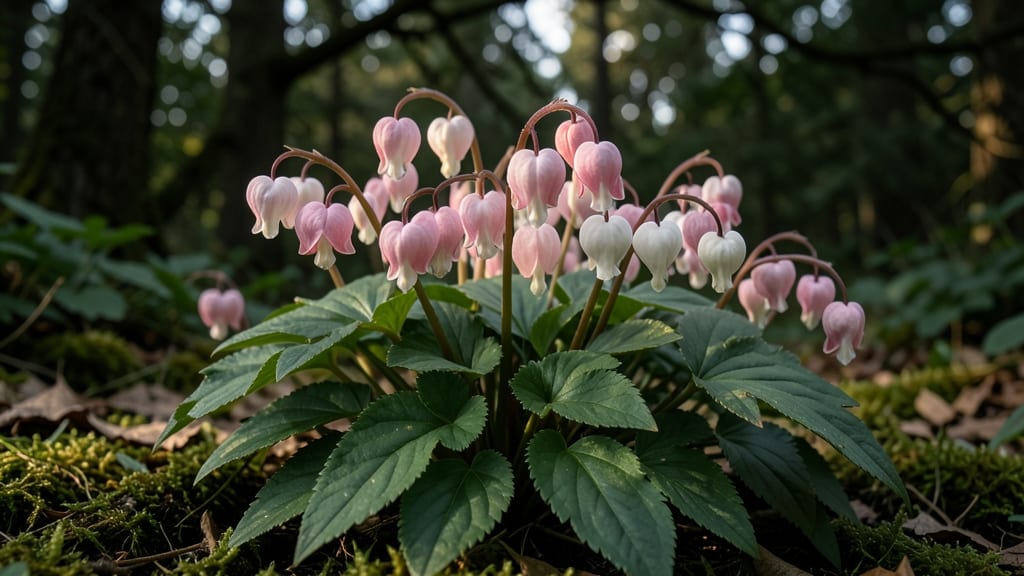
Transform your shady garden into a romantic retreat with bleeding heart flowers (Dicentra spectabilis), whose heart-shaped pink or white blooms dangle like nature’s own chandeliers. This classic shade perennial thrives where others falter, making it the perfect anchor for woodland gardens, borders, or even hanging baskets.
Plant these beauties in moist, well-draining soil with partial to full shade, and they’ll reward you with cascading foliage and blooms from late spring through summer. Deadhead spent flowers to encourage more blooms, and divide clumps every 3-4 years to keep them vigorous. Their lacy, blue-green leaves add texture even when flowers fade.
Ideal for gardeners who love drama without the fuss, bleeding hearts are especially magical in woodland settings or near patios where their graceful habit softens hard edges. Pair them with ferns or hostas for a dreamy, layered look. 🌷
Hostas with Variegated Leaves for Texture
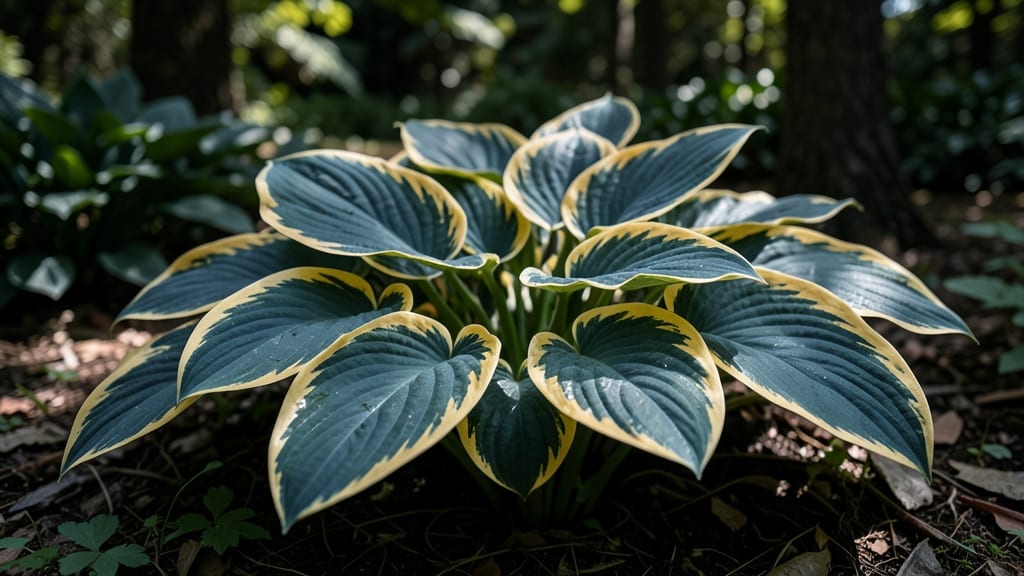
If you love shade gardens but want more than just green foliage, variegated hostas bring bold, architectural interest with minimal effort. Their striking blue-green leaves edged in cream or gold create visual drama that outshines even the most vibrant summer flowers. These plants thrive in partial to full shade, making them ideal for under trees or north-facing beds.
Variegated varieties like 'Blue Angel' or 'Francee' grow 18-24 inches tall with leaves that can reach 12 inches wide, casting dappled shade on the ground below. They’re drought-tolerant once established and deer-resistant, plus their deep roots help suppress weeds. For containers, choose smaller varieties like 'Halcyon'—its compact size and silvery-blue leaves add modern flair to patios.
Perfect for gardeners who want low-maintenance texture, these hostas pair beautifully with ferns and shade-loving perennials. Their evergreen foliage keeps your garden looking lush year-round. 🌿
Impatiens for Instant Colorful Displays
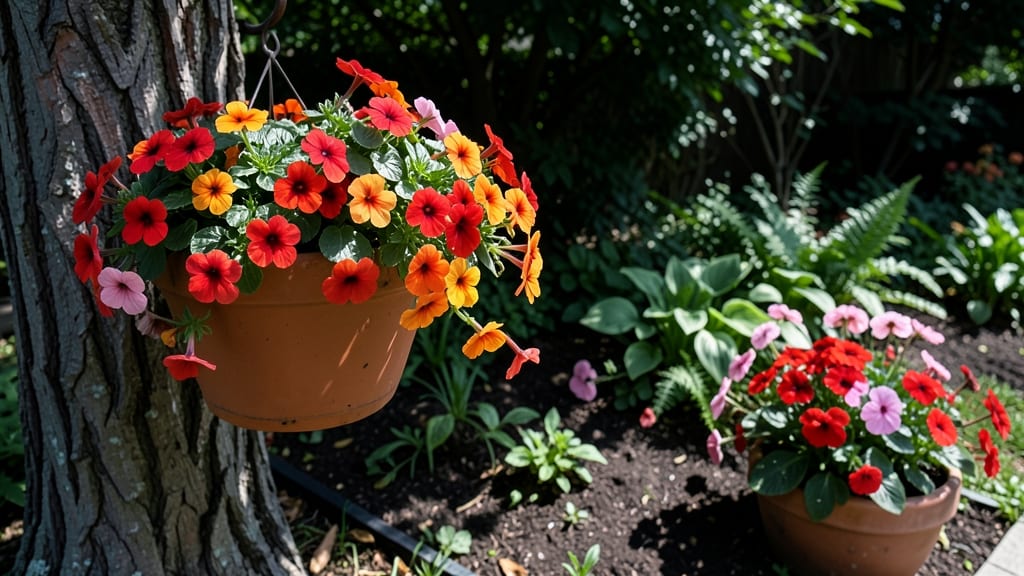
When you need instant color in deep shade where other plants struggle, impatiens are your secret weapon. These cheerful annuals thrive in full to partial shade, producing nonstop blooms in fiery reds, sunny oranges, or soft pinks—perfect for filling empty spots in containers, hanging baskets, or shady garden beds.
Plant them in well-draining soil and keep the roots consistently moist (they wilt fast if dry), but avoid soggy conditions. Deadhead spent blooms to encourage even more flowers, and watch them transform dull corners into vibrant displays all summer long. They’re also beginner-friendly, forgiving of occasional neglect, and perfect for renters or urban gardeners who can’t commit to perennials.
For gardeners who want quick impact with minimal fuss, impatiens deliver bold color where little else grows. Just add water and shade—nature does the rest! 🌻
Hydrangeas for Lush Summer Blooms
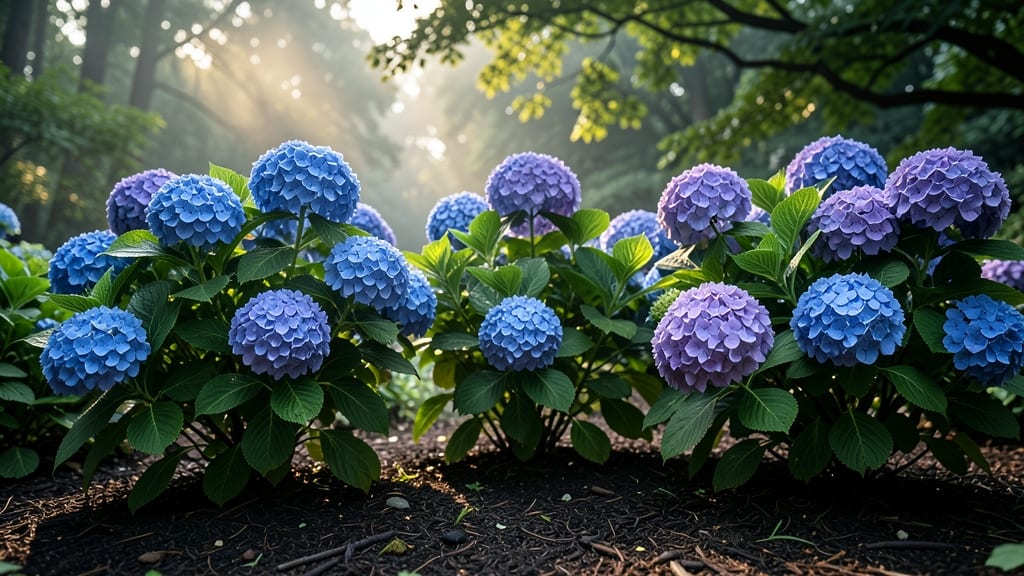
Turn your shady garden into a summer showstopper with hydrangeas—the ultimate drama queens of partial shade. These bold blooms thrive where others fade, offering 3-4 months of vibrant color (June through September) while adapting their hues based on your soil's pH level.
For blue blooms, aim for slightly acidic soil (pH 5.5-6.0), while pink flowers emerge in neutral to alkaline soil (pH 6.5-7.0). Plant in morning sun with afternoon shade for optimal growth, and water consistently to maintain those lush, 4-inch-wide clusters. Prune spent blooms in early spring to encourage new growth—no deadheading required!
Perfect for urban gardeners with limited sun or beginner gardeners craving low-maintenance impact, hydrangeas also attract butterflies and add fragrance to your space. Just remember: the more you feed them (with compost or balanced fertilizer), the bigger and bolder their statement! 🌻
Ferns for Year-Round Green Beauty
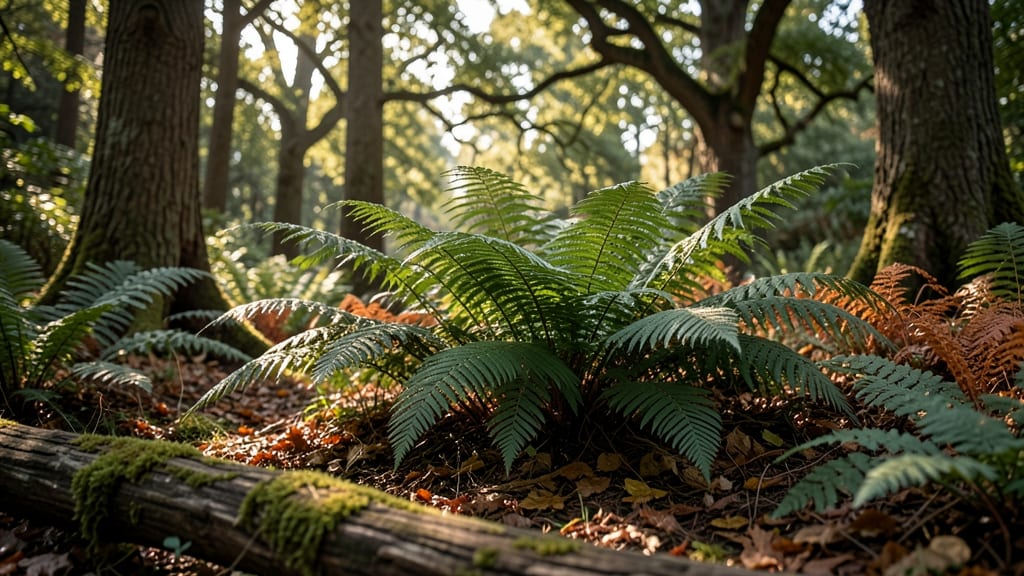
Tired of summer shade gardens that feel flat and lifeless? Ferns offer year-round texture and a lush, woodland feel without needing sunlight. These evergreen plants thrive in deep shade, making them ideal for under trees or along north-facing walls where other plants struggle.
Choose from varieties like maidenhair fern (delicate, almost translucent fronds) or Ostrich fern (bold, arching fronds up to 5 feet tall). Most prefer moist, well-draining soil and benefit from a mulch layer to retain humidity. They’re perfect for beginners—just avoid overwatering, as soggy roots can cause brown fronds.
Ferns act as a living backdrop for shade-loving perennials like lungwort or astilbe, adding movement and depth to your garden. Urban gardeners with small spaces will love their container-friendly nature—just ensure pots have drainage holes. 🌿
Lungwort for Medicinal and Ornamental Value
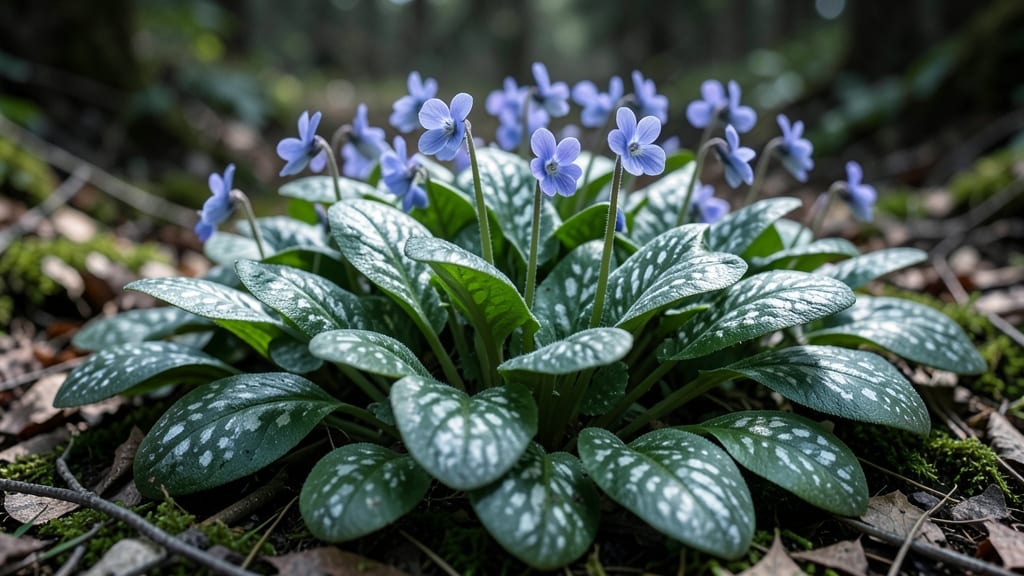
Brighten your darkest garden corners with lungwort (Pulmonaria), a dual-purpose plant that delivers both beauty and benefits. This hardy perennial features silver-spotted leaves that create striking contrast against deep green foliage, while its blue-purple flowers bloom early in spring, attracting pollinators like bees and butterflies before most other plants wake up.
Thriving in full to partial shade, lungwort tolerates moist, well-draining soil and even dry spells once established, making it ideal for woodland gardens or under trees. Its medicinal history (used traditionally for respiratory health) adds an extra layer of interest, though modern gardeners grow it primarily for its textural foliage and long bloom season. Deadhead spent flowers to encourage a second flush of blooms in late summer.
Perfect for urban gardeners with shady patios or beginner growers seeking low-maintenance plants, lungwort pairs beautifully with ferns and hostas. Its year-round interest keeps your garden looking vibrant even in winter. 🌿
Coral Bells for Dramatic Foliage
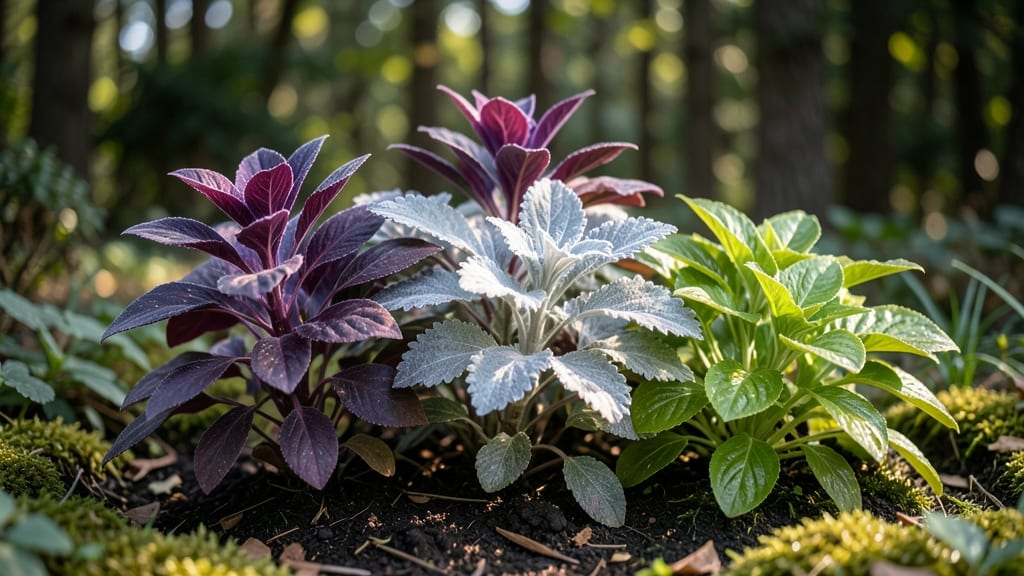
Skip the boring green foliage—coral bells (Heuchera) turn your shady garden into a living art gallery with their striking purple, silver, or lime-green leaves. These perennials thrive in partial to full shade, making them perfect for containers, rock gardens, or borders where bold foliage takes center stage.
Choose varieties like 'Palace Purple' for deep burgundy leaves or 'Silver Scrolls' for silvery foliage that glows in low light. Their delicate pink or white flower spikes in spring add a subtle contrast without overpowering the dramatic leaves. Mulch around the base to retain moisture and prevent leaf scorch—these plants love well-draining soil but hate soggy roots.
Urban gardeners and small-space lovers will adore coral bells—they stay compact (12-18 inches tall) and thrive in pots, while their year-round color keeps your garden vibrant even in winter. Pair them with ferns or hostas for a layered, high-impact look. 💚
Astilbe for Feathery Summer Blooms
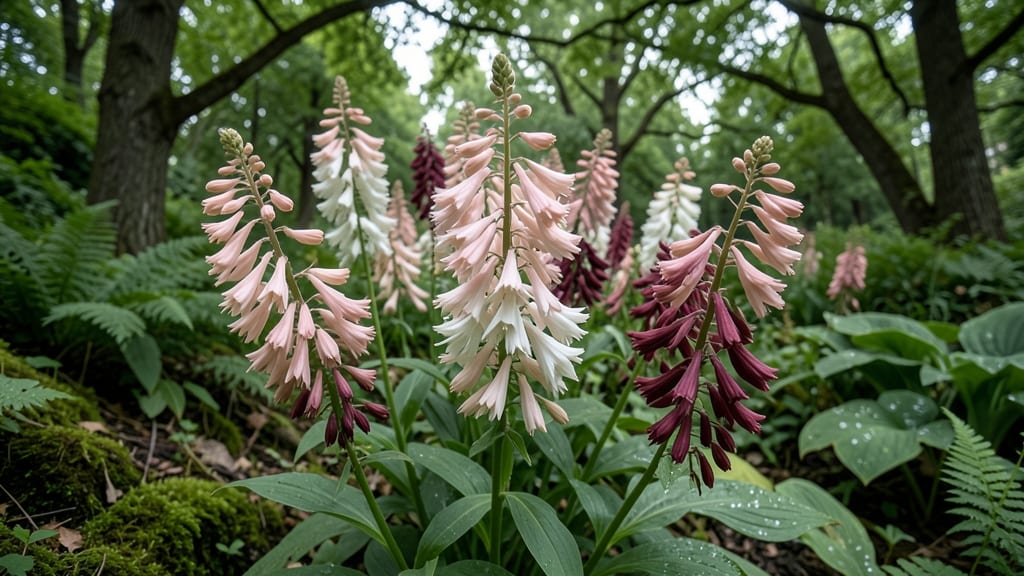
Skip the heavy hydrangea clusters and bring airy elegance to your shady garden with astilbe—the feathered summer star that thrives where others wilt. These plume-like blooms in soft pink, white, or deep red add movement and texture without demanding full sun, making them perfect for moist, woodland-inspired spaces.
Plant astilbe in well-draining, consistently moist soil with partial to full shade, and watch them burst into 6- to 18-inch-tall feathery spikes from late spring through summer. Varieties like 'Fanal' (deep red) or 'Deutschland' (pink) attract butterflies while their fern-like foliage stays lush year-round. For containers, choose dwarf varieties like 'Bridal Veil'—their delicate blooms cascade beautifully over pot edges.
Urban gardeners and woodland lovers will adore astilbe’s low-maintenance charm, as it thrives in spots where hydrangeas struggle. Pair it with hostas or ferns for a dreamy, layered look that feels effortlessly natural. 🌿
Japanese Painted Fern for Unique Patterns
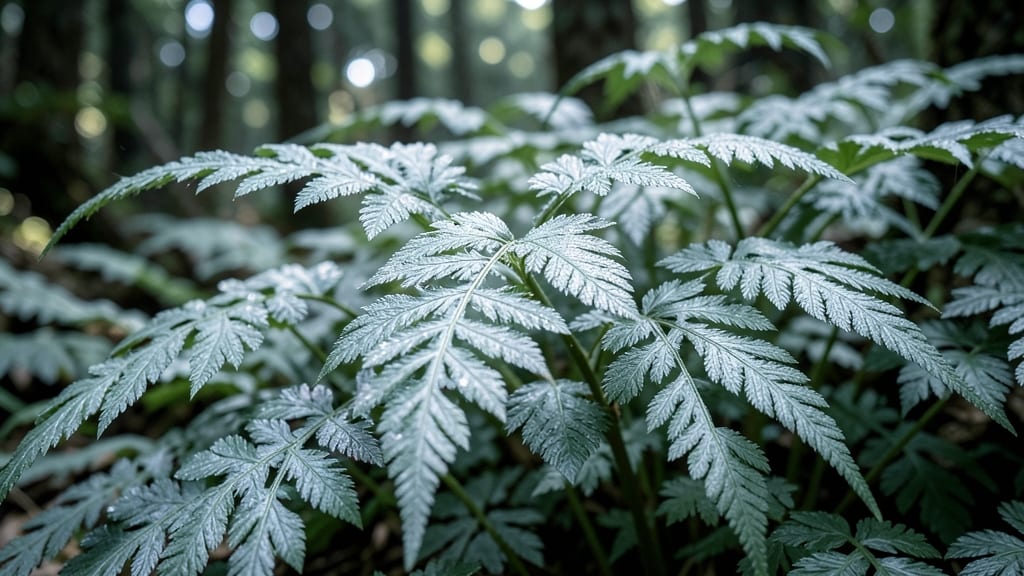
Skip the boring green foliage—Japanese painted fern (Athyrium niponicum var. pictum) turns your shady garden into a living art gallery. Its silver-and-green patterned fronds create mesmerizing contrast, making it the perfect star for woodland gardens, shady borders, or even container displays where texture matters most.
This clump-forming perennial thrives in partial to full shade and tolerates moist, well-draining soil—ideal for understory planting or alongside hostas and astilbe. Its fronds unfurl in spring with vibrant silver tips that gradually fade to green, offering seasonal interest without the fuss. For best results, mulch around the base to retain moisture and prevent weeds, and divide every 3-4 years to maintain vigor.
Perfect for gardeners who love low-maintenance elegance, this fern pairs beautifully with other shade plants like lungwort or coral bells. Its delicate yet striking appearance elevates any shady spot, proving that even the quietest corners can be stunning. 💚
Sweet Woodruff for Fragrant Ground Cover

Step into a fragrant garden oasis with sweet woodruff (Galium odoratum), a low-growing perennial that transforms shady paths and woodland edges into scented retreats. Unlike other shade plants, this native European beauty releases a delicate hay-like aroma when brushed or crushed—perfect for creating sensory-rich garden experiences without the fuss of high-maintenance blooms.
Sweet woodruff thrives in full to partial shade, making it ideal for under trees, along fences, or in rock gardens where its 4-inch-tall mats spread effortlessly. Plant it in moist, well-draining soil enriched with compost, and watch it self-seed to create lush ground cover by summer. Its white star-shaped flowers appear in late spring, followed by tiny red berries that add winter interest. For best fragrance, mow or walk on the foliage occasionally—just avoid over-trampling, as it prefers gentle care.
This is the ultimate solution for gardeners who want fragrance without flowers—ideal for urban courtyards, fragrant herb gardens, or as a living mulch under shrubs. Its deer-resistant nature and drought tolerance once established make it a low-maintenance dream for busy gardeners. 🌿