
Shrubs
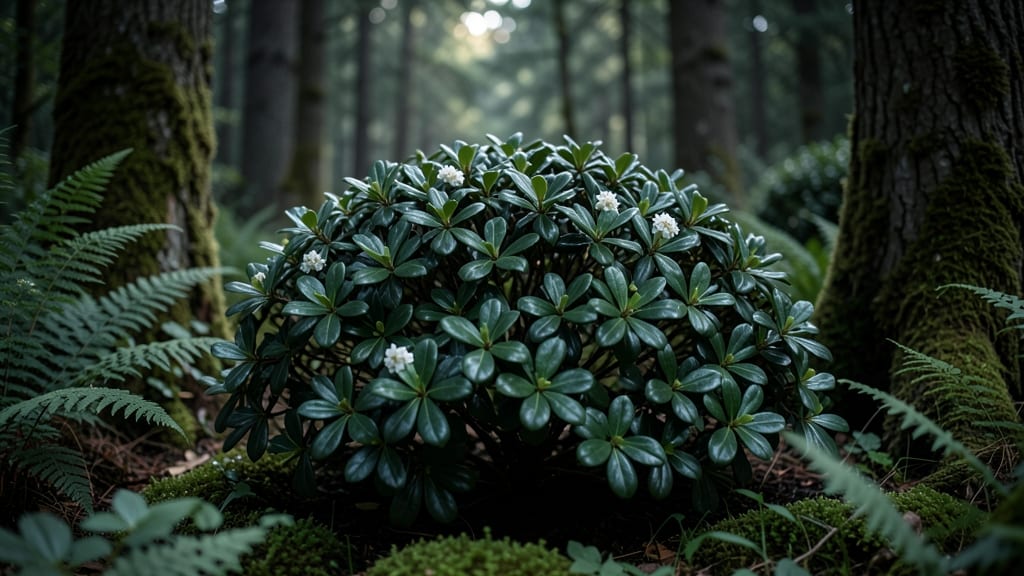
Struggling to find plants that thrive in shady spots? These 10 shade-loving ivies offer year-round greenery, vertical interest, and minimal maintenance—perfect for transforming dark garden corners into lush, living walls.
English Ivy (Hedera helix)
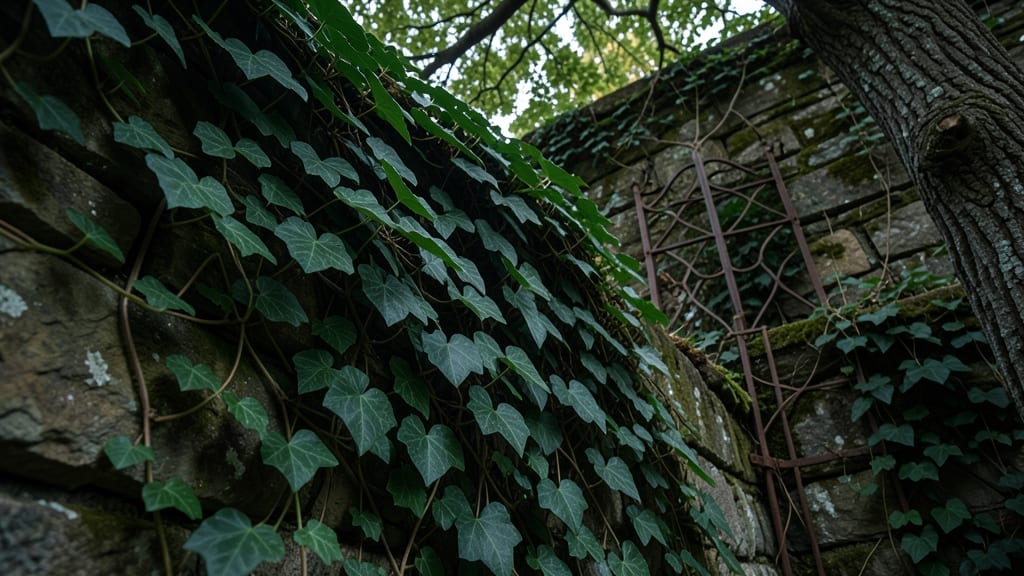
Transform those dark, neglected corners of your garden into vibrant green spaces with English ivy (Hedera helix), the ultimate deep-shade specialist. This classic evergreen thrives where most plants struggle, offering lush, heart-shaped foliage that clings effortlessly to trellises, walls, or rocky terrain.
What makes it stand out is its self-bining ability—no ties or stakes needed. Simply tuck stems into crevices, and the aerial rootlets will grip surfaces aggressively, creating rapid coverage in just a few seasons. For best results, plant in moist, well-draining soil and expect it to flourish in full to partial shade, making it ideal for northern exposures or under dense canopies.
Perfect for beginners or urban gardeners with limited space, English ivy adds texture and movement while requiring minimal maintenance. Just be mindful of its invasive tendencies—contain it with barriers if needed! 🌱
Boston Ivy (Parthenocissus tricuspidata)
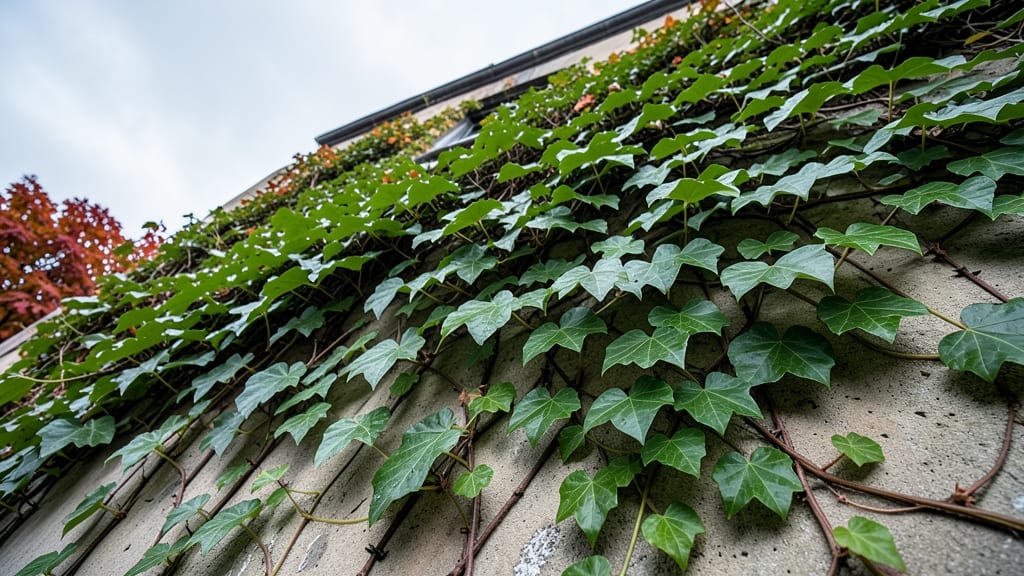
Looking for a fast-growing vine that transforms dull urban surfaces into vibrant vertical gardens? Boston ivy (Parthenocissus tricuspidata) delivers stunning glossy green leaves that burst into fiery red hues in fall—all while thriving in low-light conditions where other plants struggle.
Unlike traditional ivy, Boston ivy uses adhesive tendrils to cling to brick, stucco, or wood without damaging surfaces. It tolerates partial to full shade, making it ideal for city buildings, chain-link fences, or shady patios. For best results, plant in well-draining soil and water moderately—once established, it’s remarkably drought-tolerant.
Urban gardeners and city dwellers will love how this vine softens hard architecture while requiring minimal care. Plus, its seasonal color change adds drama without the invasiveness of English ivy. 🌟
Algerian Ivy (Hedera algeriensis)
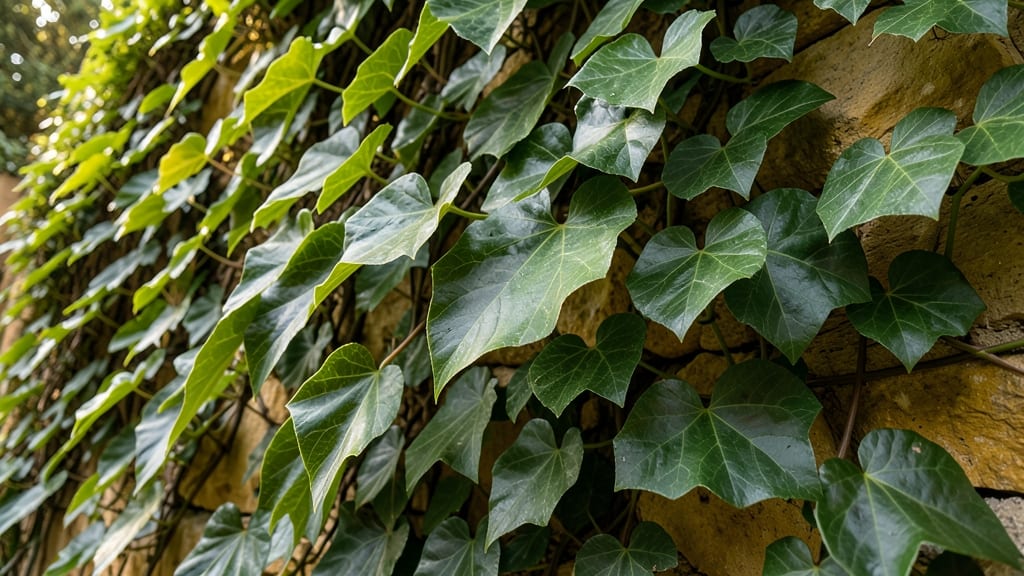
If you want a shade-loving ivy that thrives in heat and drought while adding a touch of the tropics, Algerian ivy (Hedera algeriensis) is your answer. Unlike its smaller-leaved cousin, English ivy, this variety boasts broad, glossy leaves that create a lush, almost jungle-like appearance—perfect for patios or pergolas where you crave drama without the fuss.
This drought-resistant climber handles deep shade like a pro, making it ideal for under trees or north-facing walls where other plants struggle. Its larger leaves (up to 5 inches long) cast dappled shade, creating a cozy microclimate below. Simply train it with soft ties or let it cascade freely—it requires almost no pruning to maintain its tropical vibe. Water only when the soil feels bone-dry, and it’ll reward you with year-round greenery.
Urban gardeners and patio enthusiasts will love Algerian ivy’s low-maintenance elegance, while its heat tolerance makes it a standout in hot climates. It’s the perfect choice for adding vertical interest without the high-water needs of other shade plants. 🌿
Japanese Ivy (Parthenocissus tricuspidata 'Veitchii')
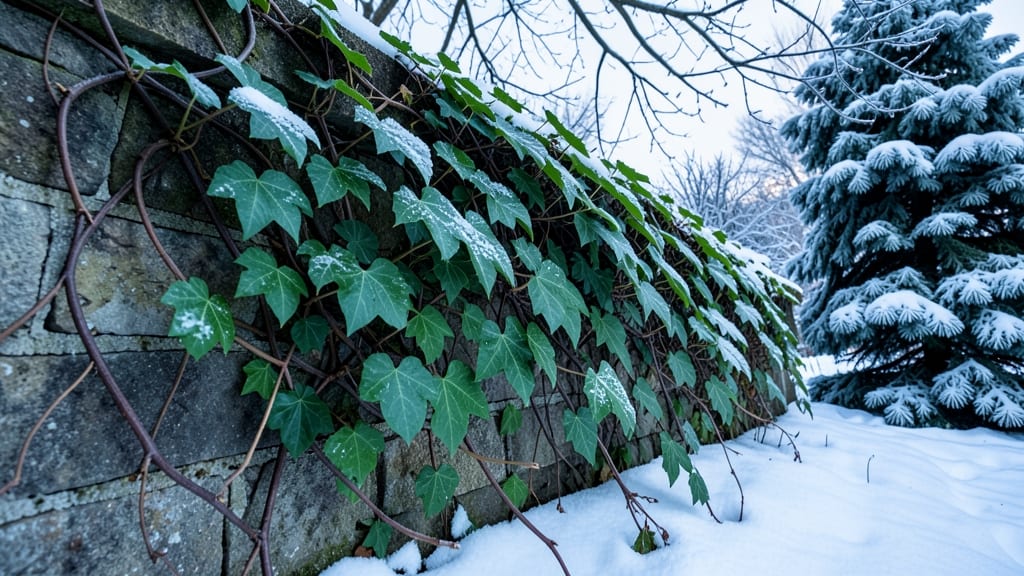
If you live in a northern climate where winters are long and harsh, Japanese Ivy (Parthenocissus tricuspidata 'Veitchii') is your secret weapon for year-round shade cover. Unlike other ivies, this cold-hardy variety thrives in zones as low as 4, making it perfect for snowy landscapes where tender plants struggle.
Its three-lobed leaves add architectural interest, and the foliage transforms dramatically through the seasons—starting as glossy green in spring, deepening to rich reds in fall, and even holding a frost-kissed hue in winter. The vine clings naturally to surfaces with tendrils (though not as aggressively as Boston Ivy), making it ideal for fences, arbors, or even rocky slopes where other plants would fail.
Northern gardeners and urban planners will love this low-maintenance option for adding color and texture to shady corners without the fuss. It’s the perfect choice for those who want beauty and resilience in the toughest growing conditions. 🌟
Creeping Fig (Ficus pumila)
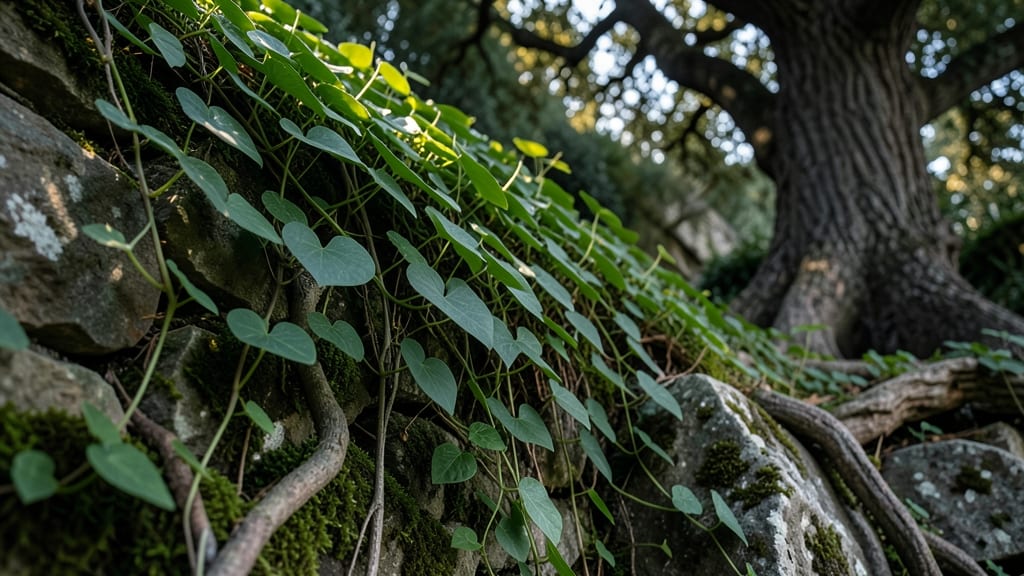
Tired of bare patches in your shadiest spots? Creeping fig (Ficus pumila) is the ultimate undercover hero—it thrives where others refuse to grow, transforming rocky slopes, retaining walls, or even tree roots into vibrant green carpets. Unlike other shade plants, this vine adapts to almost any surface, from concrete to mossy stones, with its tiny, delicate leaves.
This fast-spreading yet easy-to-control plant prefers deep shade to partial sun and handles drought surprisingly well once established. Simply plant cuttings directly into soil or attach them to walls with soft ties—they’ll cling tightly without needing trellises. For best results, trim back aggressively in spring to encourage dense growth and prevent it from overtaking neighboring plants.
Perfect for urban gardeners, rock gardeners, or anyone with tricky shade spots, creeping fig offers year-round greenery with almost zero maintenance. It’s the secret weapon for turning neglected areas into lush, living art. 🌿
Star Jasmine (Trachelospermum jasminoides)
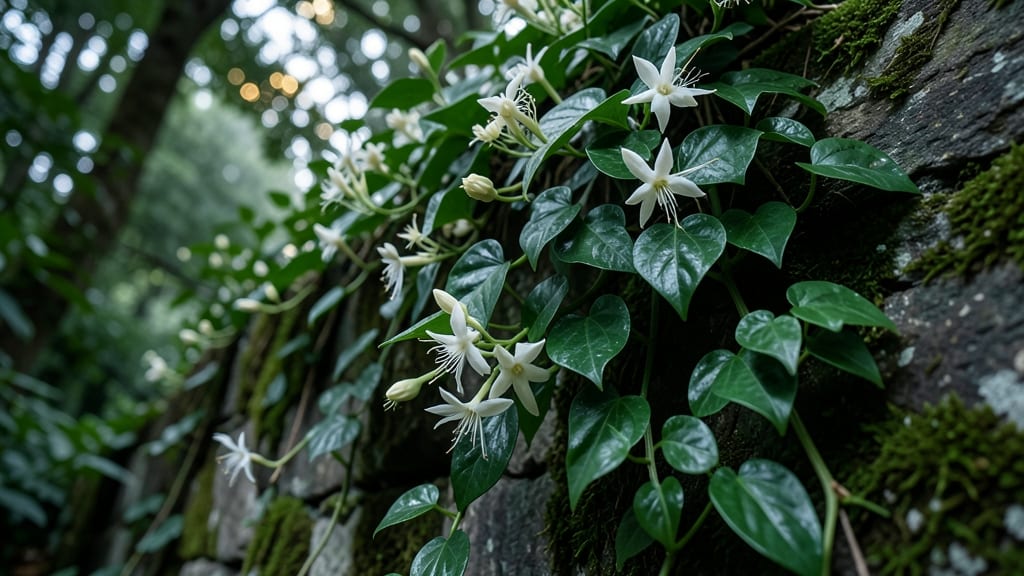
Looking to add a sensory experience to your shaded garden without sacrificing foliage? Star jasmine (Trachelospermum jasminoides) delivers with its intoxicating jasmine scent and glossy, star-shaped leaves that thrive in partial shade. Unlike aggressive ivies, this evergreen vine grows steadily and gracefully, making it ideal for trellises, arbors, or fences in cooler climates.
This vine’s real magic happens in summer, when clusters of delicate white flowers burst open, filling the air with a fragrance that rivals tropical vacations. It tolerates partial shade to morning sun, making it perfect for north-facing walls or under deciduous trees where other climbers falter. Prune lightly after flowering to encourage bushier growth, and watch it reward you with year-round greenery and seasonal blooms.
Perfect for gardeners who love fragrance and texture, star jasmine is especially rewarding in small spaces like patios or balcony gardens. Its low-maintenance nature and cool-climate hardiness make it a standout for those seeking beauty without the upkeep. 🌻
Honeysuckle Ivy (Lonicera japonica)
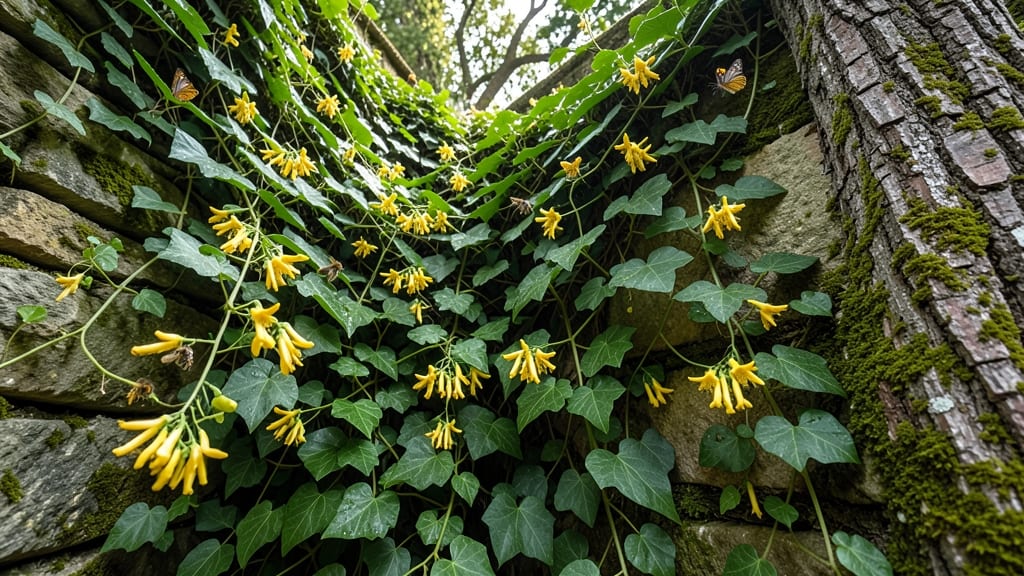
Want a fragrant, fast-growing vine that doubles as a pollinator magnet and privacy screen? Honeysuckle ivy (Lonicera japonica) delivers all three—while thriving in deep shade where other plants struggle. Unlike traditional ivies, this vine produces clusters of tubular yellow flowers in summer, filling your garden with a sweet, intoxicating scent that attracts bees and butterflies.
This dual-purpose climber grows aggressively (up to 20 feet per year) but stays contained with pruning, making it ideal for chain-link fences, trellises, or arbors in shady corners. It tolerates full to partial shade and handles poor soil better than most vines, though it prefers moist, well-draining conditions. For best results, plant in spring and trim back in early summer to encourage bushier growth and more flowers.
Perfect for gardeners who want both beauty and function, honeysuckle ivy is a standout for urban yards, wildflower gardens, or anywhere you need fast privacy with a sensory bonus. Just be prepared for its vigorous growth—it’s a star performer but not for the faint of heart! ⚡
Wintercreeper (Euonymus fortunei)
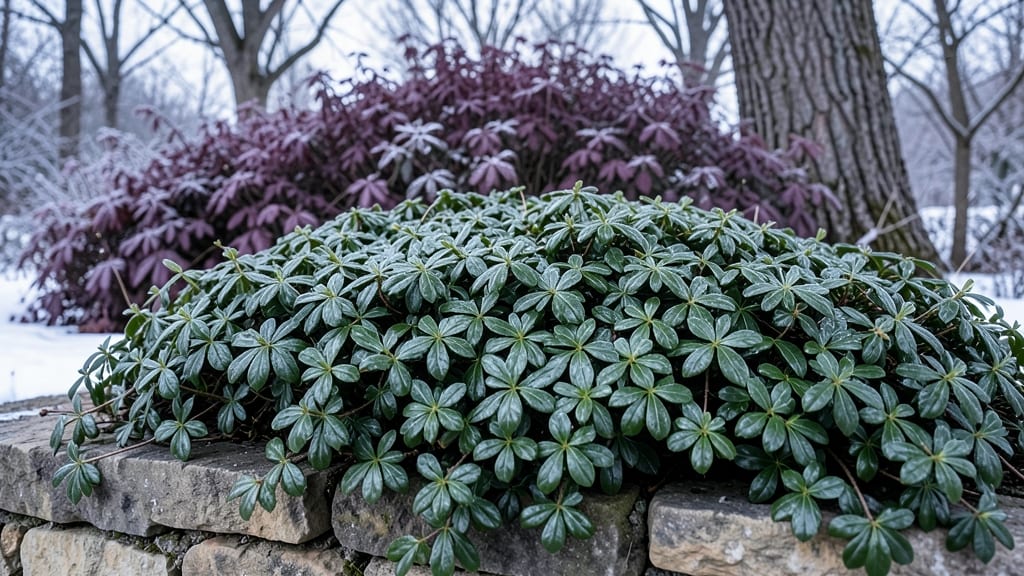
Need a low-maintenance plant that thrives in deep shade and adds winter interest? Wintercreeper (Euonymus fortunei) delivers with its glossy evergreen leaves that magically turn purple in cold weather, creating a stunning contrast against snow or bare branches.
This hardy shrub spreads effortlessly in full to partial shade, making it ideal for large-scale ground cover on slopes, banks, or erosion-prone areas where other plants struggle. Unlike aggressive vines, it stays contained with gentle pruning and tolerates poor, dry soil once established. Plant in moist, well-draining soil and watch it form a dense, year-round green carpet that brightens shady corners.
Perfect for landscapers, permaculture gardens, or urban yards, wintercreeper offers four-season beauty with almost no fuss. Its erosion-control benefits make it a smart choice for stabilizing hillsides or retaining walls. 💚
Virginia Creeper (Parthenocissus quinquefolia)
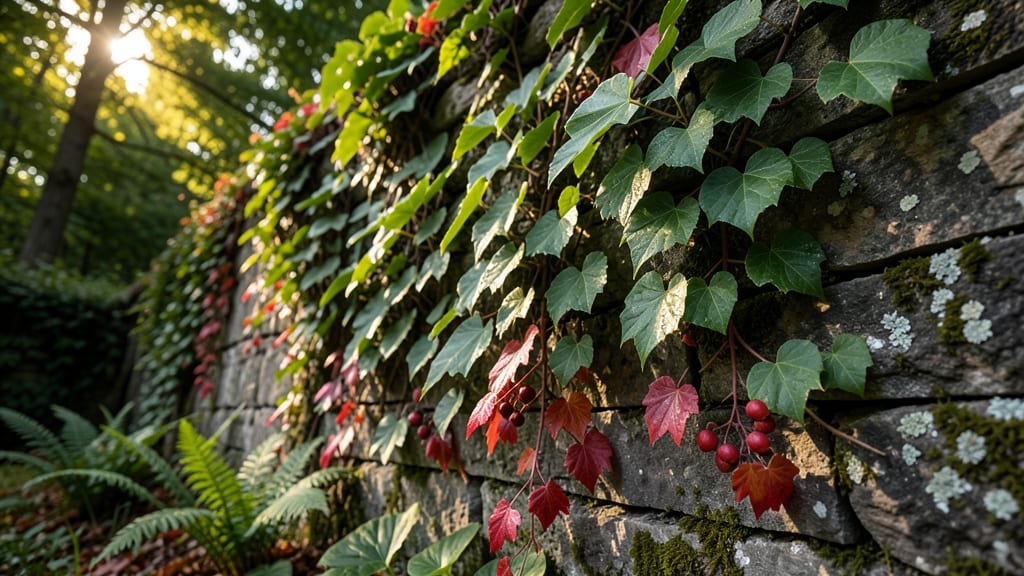
Want a native American vine that thrives in deep shade and delivers a stunning fall show? Virginia creeper (Parthenocissus quinquefolia) is your answer—a graceful alternative to aggressive ivies that turns brilliant red in autumn while staying well-behaved. Unlike its invasive cousins, this vine spreads at a moderate pace, making it ideal for woodland gardens or shady fences where you want seasonal color without the chaos.
This deciduous climber handles full to partial shade with ease, perfect for understory plantings or north-facing walls. Its five-leaf clusters (hence the name) create a lacy texture that catches dappled sunlight, while the fall foliage rivals maples in vibrancy. For best results, plant in moist, well-draining soil and provide a trellis or tree trunk for support—no adhesive tendrils required, so it won’t damage surfaces like Boston ivy.
Forest gardeners and native plant enthusiasts will love Virginia creeper’s ecological benefits, as it provides food for birds and wildlife while adding drama to shady corners. It’s the perfect choice for those who want seasonal interest without the maintenance of more aggressive climbers. 🌟
Sweet Box (Sarcococca confusa)

When your garden’s shadiest spots feel forgotten, Sweet Box (Sarcococca confusa) steps in as the unsung hero—delivering year-round fragrance where sunlight barely reaches. Unlike the vines you’ve seen before, this compact evergreen shrub thrives in deep shade, offering glossy, dark green leaves that stay vibrant even under tree canopies or against north-facing walls.
What truly sets it apart is its winter blooms, tiny white flowers that release a citrusy, orange-blossom-like scent—a rare treat when most gardens are dormant. Plant it as a foundation shrub (3-4 feet tall) or tuck it into shady borders for height and texture. It handles moist, well-draining soil and even tolerates urban pollution, making it ideal for city gardens or under large trees.
Perfect for gardeners who crave fragrance without fuss, Sweet Box is especially rewarding in early spring when its scent wafts through chilly air. Pair it with hellebores or ferns for a low-maintenance, sensory-rich shade garden that thrives year-round. 💚