
Shrubs
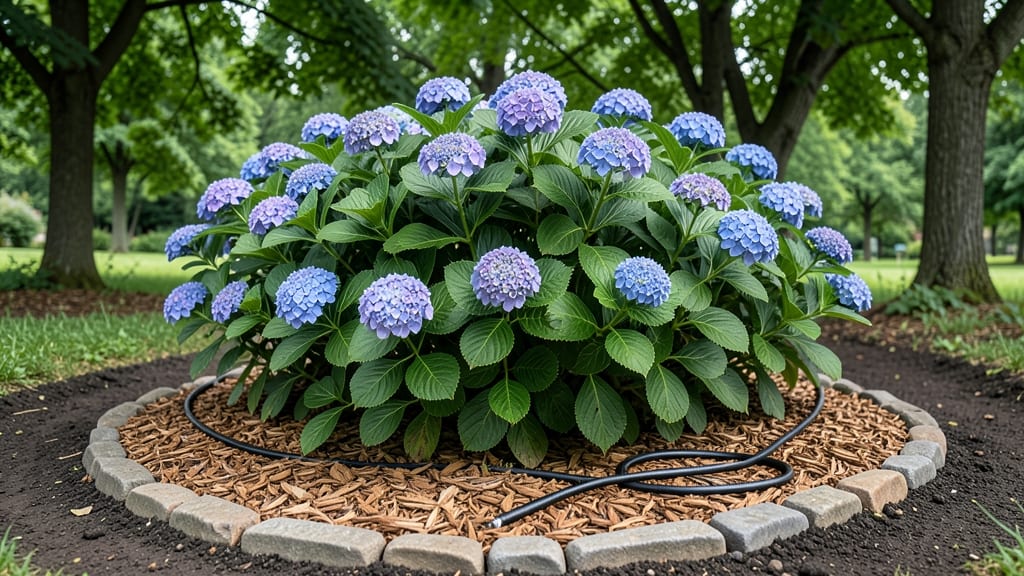
Hydrangea shrubs for shade transform dim garden corners into vibrant focal points. 🌿 I’ve struggled with wilted hydrangeas in shady spots until I discovered the right varieties—like Hydrangea macrophylla and Hydrangea quercifolia—that thrive where others fail. The secret isn’t forcing sunlight but matching the plant to its natural habitat.
These shade-loving beauties need rich, moist soil and protection from harsh afternoon sun. Overwatering or dry soil causes leaf scorch, but once established, they reward you with bold blooms and lush foliage. My oakleaf hydrangea, planted under a pine tree, now produces football-sized blooms every summer.
Pruning in late winter keeps them compact, while mulching preserves moisture. Even in full shade, they’ll surprise you with season-long color—pinks, blues, or whites, depending on soil pH. The key is patience; hydrangeas grow slower in shade but last decades with proper care.
Whether your yard has dappled shade or deep woodland gloom, these varieties prove hydrangeas aren’t just for sunny spots. Let’s get yours growing strong!
📚 In This Guide
- What you need
- Instructions
- Tips and common mistakes
- Wrapping up and next steps
What you need
- ● Hydrangea shrubs: Choose shade-tolerant varieties like Hydrangea macrophylla (Bigleaf) or Hydrangea quercifolia (Oakleaf). Buy 1–3 mature plants (3–5 gallons each) or propagation-friendly cuttings.
- ● High-quality potting mix or garden soil: 5–10 gallons, amended with 30% compost or peat moss for moisture retention.
- ● Organic mulch: 2–3 inches of shredded bark or pine needles to conserve moisture and regulate soil temperature.
- ● Slow-release fertilizer: 10–20-10 NPK ratio (e.g., Osmocote), 1–2 cups per plant.
- ● Watering can or hose with a gentle spray nozzle: 1–2 gallons per watering session for established plants.
- ● Gloves & pruning shears: Sharp, sterilized shears (or a pruning saw for thicker stems).
- ● Garden stakes or cages: 3–4 stakes (6+ inches long) per plant to support heavy blooms.
- ● Soil acidifier: Aluminum sulfate (1–2 tbsp per plant) to enhance blue flower hues in H. macrophylla.
- ● Epsom salt: 1 tbsp dissolved in water (monthly) for magnesium-rich soils.
- ● Drip irrigation kit: For automated watering in low-traffic areas.
- ● Shade cloth (30–50% coverage): If your shade is too intense (e.g., dense trees).
- ● Plant tags or markers: To track varieties and care notes.
Step-by-step guide to planting and caring for hydrangeas in shade
Here's how to transform your shady garden spots into vibrant displays with hydrangeas that thrive where others struggle.
🌱 Step 1: Choose the Right Hydrangea Varieties for Shade
Not all hydrangeas tolerate shade equally—focus on varieties like Oakleaf (Hydrangea quercifolia), Bigleaf (Hydrangea macrophylla), or Panicle (Hydrangea paniculata). Oakleaf hydrangeas, for example, handle low light beautifully and reward you with stunning fall foliage. Bigleaf varieties like 'Nikko Blue' or 'Endless Summer' also perform well, though they may produce fewer blooms in deep shade.
Check the label for light requirements—some shade-tolerant types need partial shade (3-6 hours of morning sun), while others thrive in full shade (less than 3 hours of direct light). If your spot gets no sunlight at all, opt for Oakleaf or Panicle types, which are the most forgiving. I always test a small area first to gauge how much light it actually receives—what seems like shade might have hidden sun peeking through.
🪴 Step 2: Prepare the Planting Site for Optimal Growth
Hydrangeas in shade need well-draining, moist, slightly acidic soil (pH 5.2-6.0)—the key to lush foliage and vibrant blooms. Start by amending your soil with 2-3 inches of organic compost mixed into the top 12 inches of soil. This improves drainage while retaining moisture, which is critical in shady spots where soil can stay damp longer.
Dig a hole twice as wide as the root ball but no deeper—planting too deep suffocates roots. If your soil drains poorly, add a 1-inch layer of perlite or coarse sand at the bottom of the hole to create a drainage layer. Hydrangeas hate soggy roots, so this small step prevents future rot. I always water the root ball thoroughly before planting to encourage roots to expand into the surrounding soil immediately.
☀️ Step 3: Plant and Stake for Stability
Remove the hydrangea from its container and loosen the roots gently if they’re circling. Place it in the hole so the top of the root ball sits level with the soil surface—burying the stem crown too deep causes rot, while planting too high stresses the plant. Backfill with native soil mixed with compost, pressing lightly to eliminate air pockets.
Water deeply to settle the soil, then add a 3-inch layer of mulch (like wood chips or shredded bark) around the base, keeping it 3 inches away from the stem. This preserves moisture and regulates soil temperature. Stake young hydrangeas if needed—especially in windy areas—using 2-3 flexible stakes tied loosely with soft twine. Over-tightening can damage stems as they grow.
💧 Step 4: Water and Fertilize for Shade Success
Shade-loving hydrangeas need consistent moisture—water 1-2 inches per week, more during dry spells. Let the top 2 inches of soil dry out between waterings to prevent root rot, but never let the plant wilt. In deep shade, soil stays moist longer, so check with your finger before watering. I use a soaker hose to deliver water slowly at the base, avoiding wet leaves which can invite fungal issues.
Fertilize in early spring with a balanced, slow-release fertilizer (10-10-10) or one high in iron and micronutrients—hydrangeas in shade often benefit from a boost. Avoid high-nitrogen fertilizers, which promote leafy growth at the expense of blooms. I also add 1 tablespoon of aluminum sulfate (for blue flowers) or lime (for pink flowers) in spring, following package instructions. This adjusts soil pH gradually for vibrant blooms.
✂️ Step 5: Prune and Maintain for Year-Round Lushness
Prune Bigleaf hydrangeas in late winter or early spring before new growth starts—remove dead or weak stems and cut back the previous year’s growth by ⅓. For Oakleaf hydrangeas, prune lightly in late winter to shape the plant, but avoid heavy cuts, as their stunning fall foliage comes from last year’s growth. Panicle hydrangeas can be pruned more aggressively in late winter to encourage bushier growth.
Deadhead spent blooms regularly to encourage new flowers, but leave some on Oakleaf types for winter interest. Watch for yellowing leaves—this often signals iron deficiency or overwatering. If leaves look pale, apply a chelated iron supplement and ensure proper drainage. I also monitor for aphids or powdery mildew in shady, humid conditions and treat early with neem oil or insecticidal soap to keep plants healthy.
Tips & tricks for thriving shade hydrangeas
Here's what I've learned after years of growing hydrangeas in shady spots—these tricks make all the difference for lush, vibrant plants.
Variety Selection: When choosing your shade-tolerant hydrangea, pay special attention to the light requirements on the label. Oakleaf varieties are the most forgiving for full shade (less than 3 hours of direct light), while Bigleaf types like 'Nikko Blue' prefer partial shade (3-6 hours). I always test the light conditions for a week first—what seems like deep shade might actually get morning sun that makes a difference. The right variety in the right spot means fewer adjustments later.
Soil Preparation: The 2-3 inches of organic compost mixed into the top 12 inches of soil isn't just about nutrients—it's about creating the perfect moisture balance. In shady areas, soil stays damp longer, so good drainage becomes even more critical. If your soil feels heavy or compacted, that 1-inch layer of perlite at the bottom of the planting hole becomes your secret weapon against root rot. I've seen hydrangeas fail in perfectly good soil that didn't have this drainage layer.
Planting Depth: Getting the planting depth right is crucial—position the top of the root ball exactly level with the surrounding soil. Planting too deep suffocates the stem, while planting too high stresses the plant. I use a small stick or pencil to mark the depth before removing the plant from its container, then reference that mark when placing it in the hole. This simple step prevents one of the most common planting mistakes that leads to poor growth.
Watering Strategy: The 1-2 inches of water per week guideline works, but timing matters just as much. Water in the morning so leaves have time to dry before evening—this prevents fungal issues that plague shady gardens. I've found that using a soaker hose for 20-30 minutes delivers just the right amount without wetting the foliage. And remember, shade means soil stays moist longer, so always check the top 2 inches before watering again.
Pro Tips for Hydrangea Shrubs For Shade
- Here's what I've learned after years of growing hydrangeas in shady spots—these tricks make all the difference for lush, vibrant plants.
- Variety Selection: When choosing your shade-tolerant hydrangea, pay special attention to the light requirements on the label.
- Soil Preparation: The 2-3 inches of organic compost mixed into the top 12 inches of soil isn't just about nutrients—it's about creating the perfect moisture balance.
Frequently asked questions
Got questions about growing hydrangeas in shady spots?
You’re not alone! Here are some of the most common concerns—and their easy solutions—to help you cultivate a thriving, lush display.
What’s the best type of hydrangea for deep shade?
If your garden is really dark, opt for Oakleaf hydrangeas or Bigleaf hydrangeas (like ‘Annabelle’ or ‘Endless Summer’). These varieties tolerate low light better than panicle hydrangeas, which need at least partial shade. Pro tip: ‘Lacecap’ types also handle shade well but may need pruning to encourage blooms.
How long does it take for hydrangeas to grow in shade?
Patience is key! In shade, hydrangeas grow slower but steadily. Expect 1–2 years for noticeable growth, with full maturity (and blooms) in 3–5 years. Mulch regularly and fertilize lightly in spring to speed things up. Evergreen varieties (like ‘Oakleaf’) may show foliage sooner, masking the wait!
Do hydrangeas in shade need extra water?
Yes—but not as much as you’d think! Shade reduces evaporation, so water deeply 1–2 times per week (more in extreme heat). Check soil moisture: Stick your finger 1–2 inches down—if it’s dry, it’s time to water. Avoid soggy soil (hydrangeas hate “wet feet”), so ensure good drainage, especially in containers.
Why aren’t my shade hydrangeas blooming?
Low light can reduce flowers, but it’s often fixable! First, check if they’re getting at least 3–4 hours of dappled sunlight. If not, try pruning old wood (for Bigleaf types) or feeding with acid-loving fertilizer (like coffee grounds or hydrangea-specific mix). Panicle hydrangeas may need a bit more sun—consider relocating if blooms are sparse.
Can I grow hydrangeas in shade from seeds?
Not ideal! Hydrangeas grown from seeds rarely match the parent plant’s traits (color, size, etc.). Instead, buy nursery-grown plants or propagate from cuttings for guaranteed results. If you’re seed-savvy, try ‘Wild hydrangeas’ (H. arborescens), but expect slower growth and less predictable blooms in shade.
Wrapping up and next steps
Transforming your shady garden into a vibrant oasis is easier than you think! Hydrangeas like Hydrangea macrophylla and Oakleaf Hydrangea prove that even low-light spaces can burst with color and texture. With the right care—think moisture, well-draining soil, and occasional pruning—you’ll enjoy blooms that last from summer to fall.
Ready to get started? Pick your favorite variety, prep your spot, and watch your garden thrive! 🌿💦 For extra inspiration, browse hydrangea care guides or visit a local nursery to see these beauties in person. Happy gardening!