
Flowers
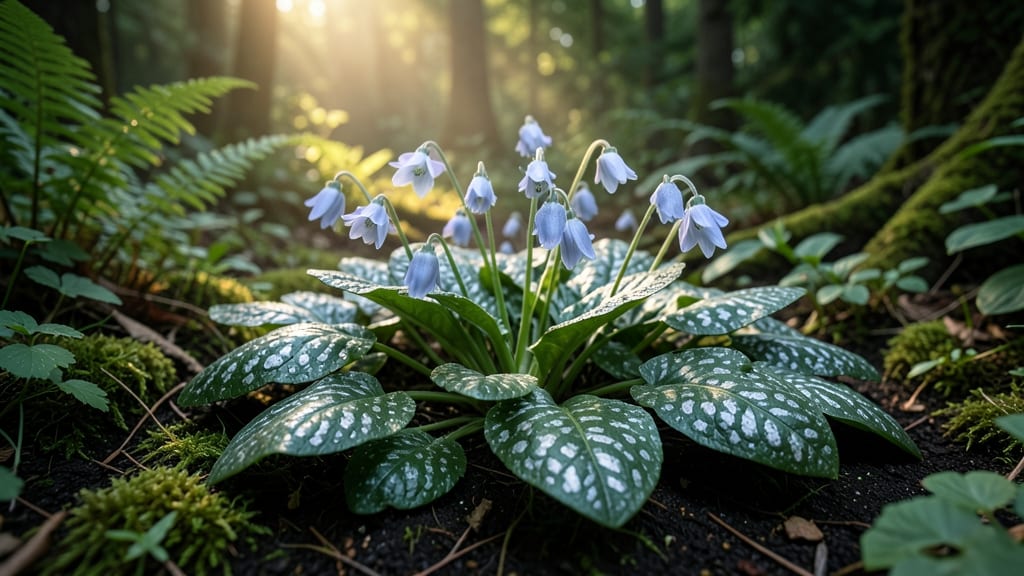
Struggling to keep your shady garden vibrant? These seven shade-loving flowers thrive in low light, offering year-round color and minimal maintenance while adding beauty to even the darkest corners of your outdoor space.
Hostas for Year-Round Green Beauty
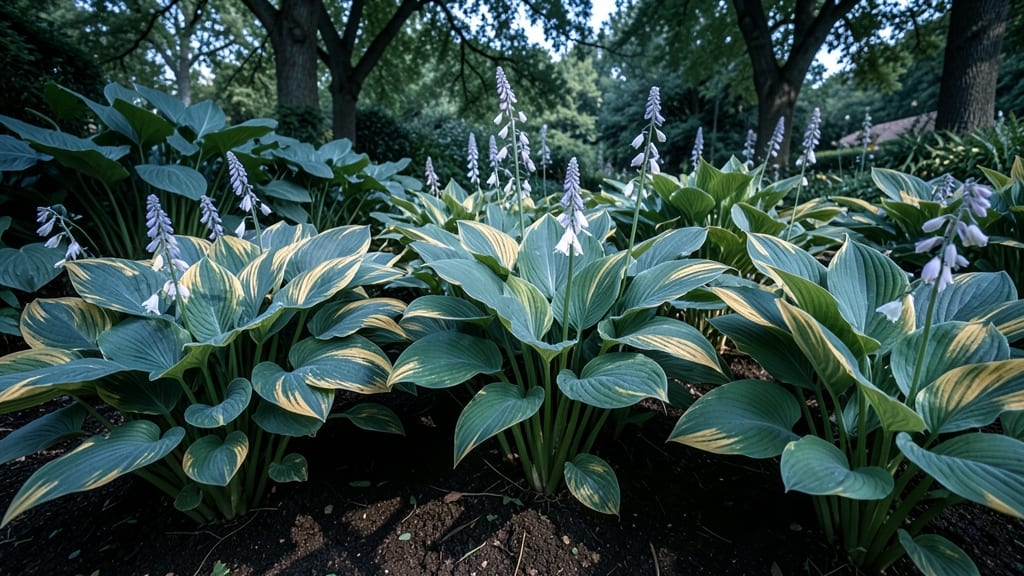
Turn your deep shade garden into a lush, year-round green sanctuary with hostas—the ultimate foliage superstars. These hardy perennials thrive where sunlight barely reaches, offering variegated leaves in blues, golds, and deep greens, plus occasional summer blooms in soft lavender or white.
Hostas are low-maintenance workhorses that tolerate dry shade once established and even handle urban pollution. For best results, plant in well-draining, moist soil enriched with compost, and mulch annually to protect roots. Choose compact varieties like 'Blue Angel' for borders or giant 'Sum and Substance' as a bold focal point.
Perfect for beginners and urban gardeners, hostas require minimal fuss while delivering instant visual impact. Their deer-resistant nature makes them ideal for problem areas, and their slow spread creates natural ground cover that outshines weeds. 💚
Bleeding Heart Flowers with Heart-Shaped Blooms
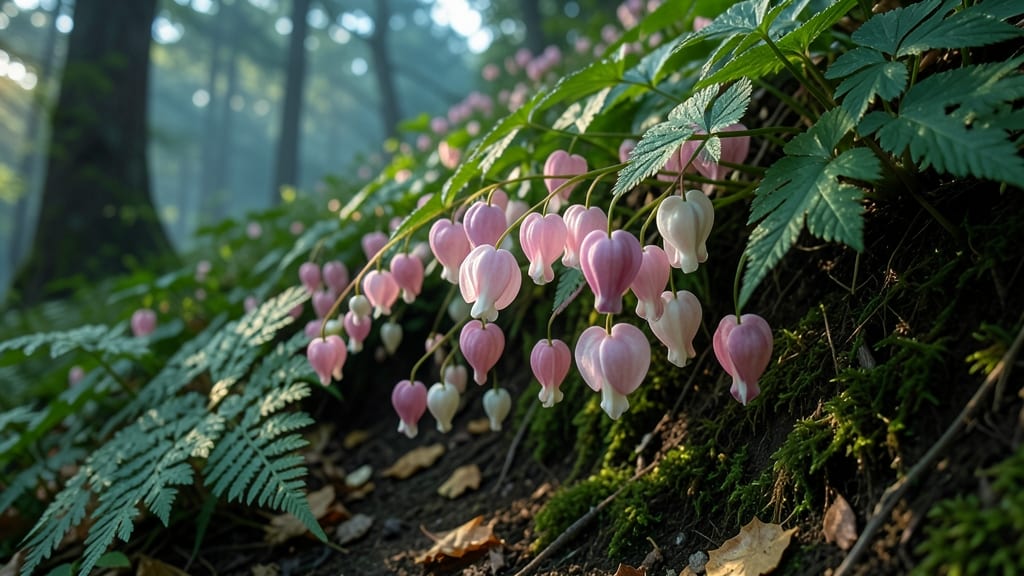
If you dream of a woodland garden that feels like a secret fairy retreat, bleeding heart flowers (Dicentra spectabilis) are your perfect companions. Their heart-shaped blooms cascade like pink or white waterfalls from spring through summer, creating a romantic focal point in even the shadiest corners.
These low-maintenance perennials thrive in partial to full shade, making them ideal for under trees or north-facing beds. Plant them in moist, well-draining soil enriched with organic matter, and they’ll reward you with 3-4 weeks of continuous blooms. Prune back faded foliage in late summer to encourage fresh growth for next year.
Perfect for beginner gardeners and shade enthusiasts, bleeding hearts add vertical interest without demanding full sun. Pair them with ferns or hostas for a lush, layered woodland effect. 🌷
Impatiens for Vibrant Summer Color
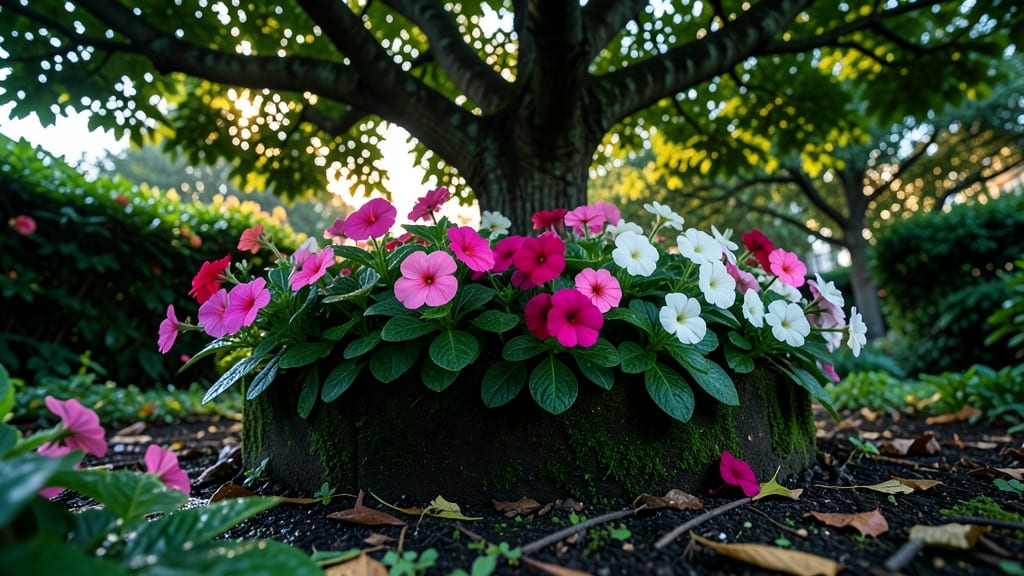
Tired of shady garden spots that seem impossible to brighten? Impatiens turn even the darkest corners into a burst of summer color, with blooms that last from early summer until frost. These annuals thrive where most flowers refuse to grow—under trees, along north-facing walls, or in moist, dappled shade—delivering non-stop flowers in reds, pinks, and purples.
For best results, keep the soil consistently moist (they hate drying out) and fertilize every 4-6 weeks to encourage continuous blooming. Deadhead spent blooms to prolong flowering, and opt for New Guinea impatiens if you want larger, more heat-tolerant varieties that handle partial sun better. They’re perfect for containers, hanging baskets, or garden beds.
Urban gardeners and beginners will love how easy impatiens are to grow—they’re disease-resistant and rarely bothered by pests. Just add water and shade, and watch your garden transform into a vibrant summer paradise. 🌻
Hellebores as Winter Blooming Stars
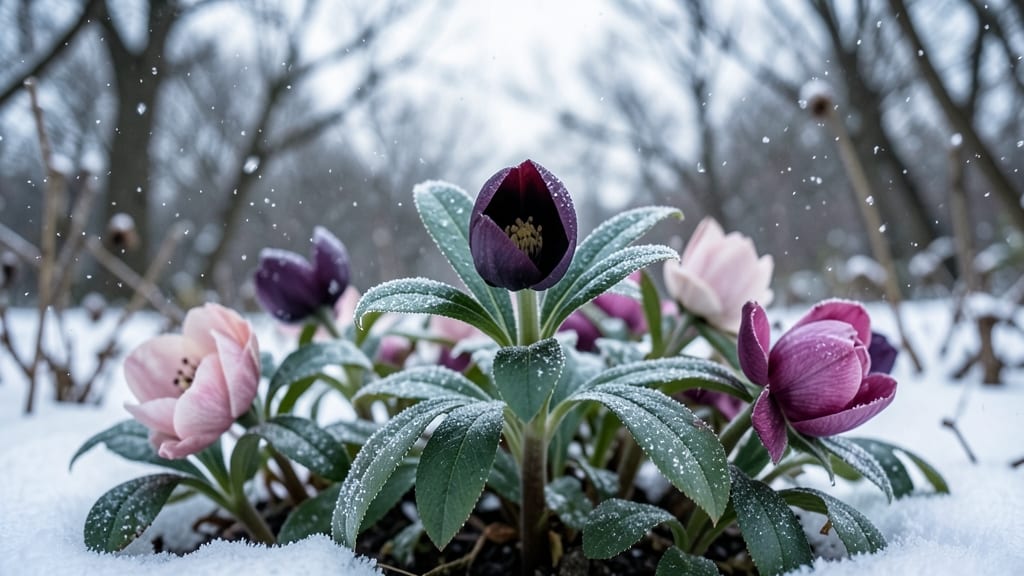
When most gardens are still tucked under a blanket of snow, helleborus niger (commonly called hellebores or Lenten roses) burst into bloom, offering a splash of winter color that’s hard to beat. These shade-loving perennials thrive in moist, well-draining soil and prefer partial to full shade, making them perfect for woodland gardens or the north side of your home.
Hellebores are incredibly low-maintenance—once established, they’ll return year after year with minimal care. Their delicate, nodding flowers come in shades of white, pink, purple, or green, and their leathery, evergreen foliage adds texture even when not in bloom. Plant them in late summer or early fall for the best results, and enjoy their cheerful blooms from late winter through early spring.
These winter stars are ideal for gardeners who want early-season color without the fuss, and they’re especially great for adding height and interest to shady borders. 💚
Ferns for Lush Textural Accents
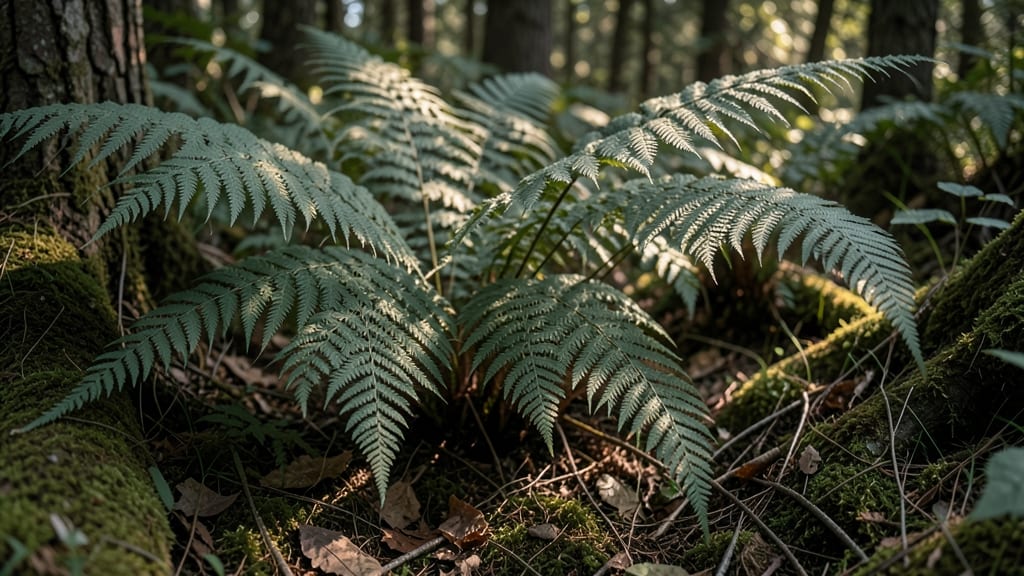
Skip the blooms—your shade garden needs ferns for their dramatic, feathery fronds that dance in the breeze and create a magical woodland vibe. Unlike flowering plants, ferns deliver year-round texture with their lush, sculptural foliage, transforming dull corners into living tapestries.
Choose from hardy varieties like maidenhair ferns (delicate lace-like fronds) or ostrich ferns (bold, arching plumes) to suit your space. Plant them in moist, well-draining soil with morning sun or dappled shade, and mulch to retain humidity. Most ferns spread slowly, making them perfect for borders or woodland garden edges.
Ideal for beginner gardeners and urban spaces, ferns require almost no maintenance beyond occasional trimming of dead fronds. Their low-light tolerance and deer resistance make them the ultimate shade garden workhorses. 🌿
Astilbes for Feathery Summer Blooms
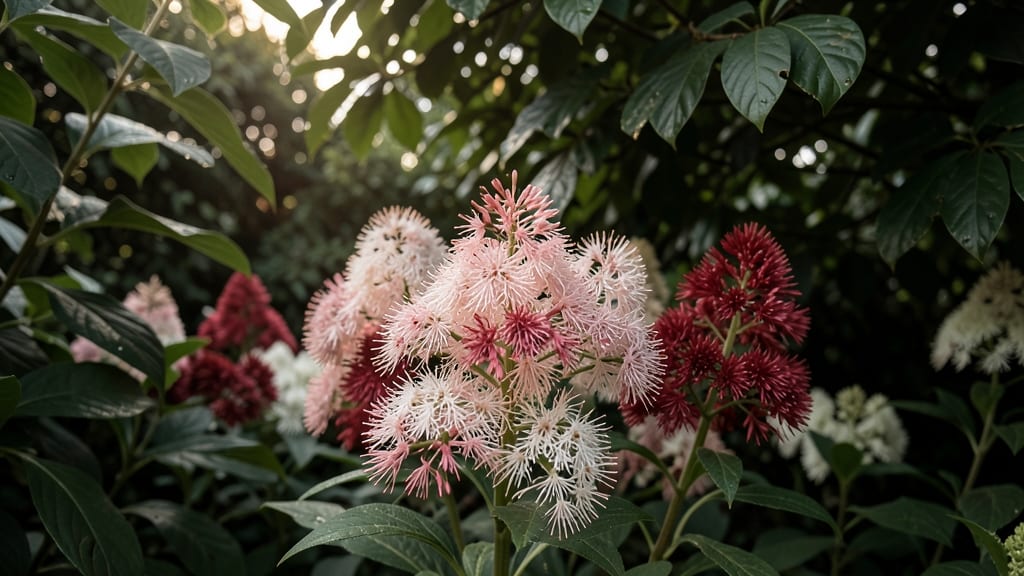
When summer blooms start fading and other flowers bow out, astilbes step in to save the season with their feathery plumes in soft pinks, fiery reds, and pure whites. These shade-loving perennials thrive where most flowers struggle, offering late-summer color that lasts from July through September—just when your garden needs a lift.
Plant astilbes in moist, well-draining soil enriched with organic matter, and give them partial to full shade (they’ll even tolerate dappled sunlight). Their airy flower spikes attract butterflies and hummingbirds, while their fern-like foliage adds texture year-round. Varieties like 'Fanal' (deep red) or 'Deutschland' (pink) create stunning height contrast in borders or woodland gardens.
Perfect for beginner gardeners and urban gardeners with limited sun, astilbes require minimal care beyond occasional watering to keep the soil moist. Cut back faded stems in fall to encourage fresh growth next year. 🌻
Lungwort for Medicinal Beauty
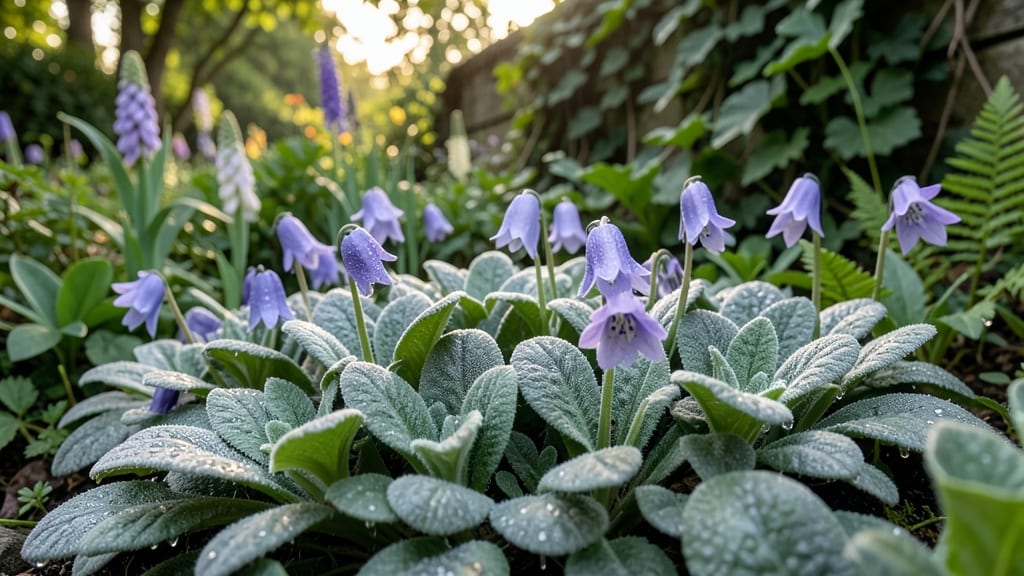
Transform your shady garden borders into a cottage-style sanctuary with lungwort (Pulmonaria spp.), a dual-purpose plant that dazzles with its silver-spotted foliage and clusters of delicate blue or purple flowers. This hardy perennial thrives in partial to full shade and blooms early spring, making it a standout when most gardens are still waking up.
Lungwort's unique foliage pattern creates a striking contrast against dark soil or mossy ground, while its self-cleaning flowers (they change color as they age) add dynamic interest. Plant it in moist, well-draining soil enriched with organic matter, and watch it spread slowly to form lush ground cover. Historically used for respiratory ailments, its common name reflects its medicinal heritage, though modern gardeners grow it primarily for its beauty.
Perfect for beginner gardeners and cottage garden enthusiasts, lungwort pairs beautifully with ferns and hellebores. Its deer-resistant nature makes it ideal for rural properties, while its early blooms provide vital nectar for emerging pollinators. 🌿