
Light Requirements
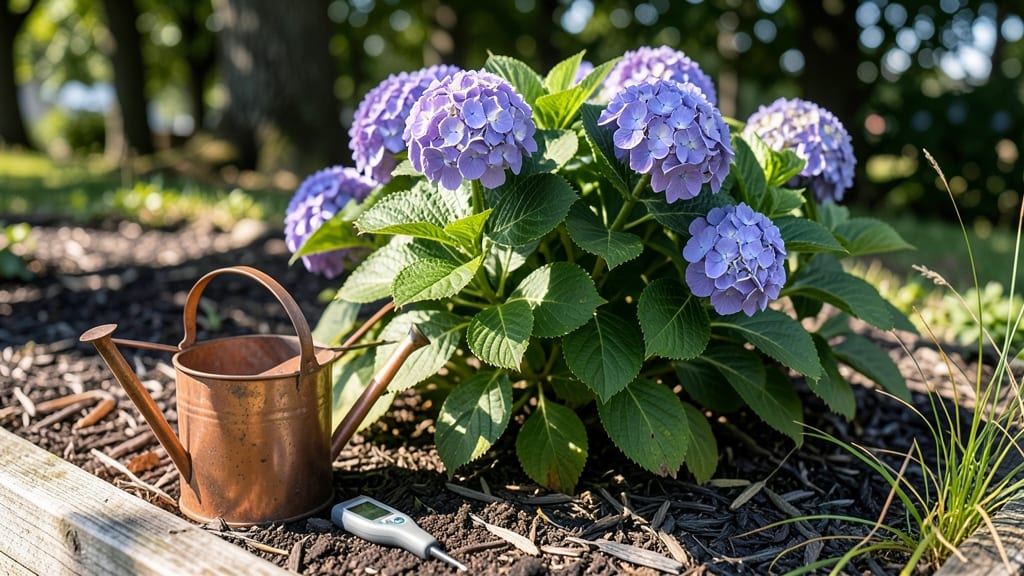
Hydrangeas thrive in full sun or shade, but the right light makes all the difference between vibrant blooms and struggling plants.
Struggling to get your hydrangeas 🌸 to bloom as vibrantly as the garden center displays? The secret might be simpler than you think—light exposure plays a surprisingly critical role in their health and flower production.
Some varieties, like the mophead and oakleaf, handle full sun with ease, while others, such as lacecap, prefer the gentler touch of shade. Even the soil can influence how much sun your hydrangea can tolerate, making it a balancing act of light, water, and care.
In this guide, I’ll break down the best light conditions for each type, how to spot when your plant is getting too much or too little sun, and simple tricks to keep your hydrangeas thriving year after year.

How sunlight affects hydrangea varieties: full sun vs shade requirements
Hydrangeas are one of the most popular shrubs in gardens, prized for their stunning blooms and lush foliage—but their light needs vary dramatically between varieties. Too much sun can scorch leaves, while insufficient light may result in sparse blooms.
Understanding these differences is key to keeping your hydrangeas thriving. I’ve grown four main types—mophead, lacecap, oakleaf, and panicle—and each responds uniquely to sunlight.
Most gardeners assume hydrangeas love shade, but that’s only partially true. Many varieties actually need bright, indirect light to produce their best flowers. The trick is finding the right balance, which depends on your specific hydrangea type.
For example, mophead hydrangeas (like 'Endless Summer') often struggle in full sun unless given extra water, while oakleaf hydrangeas can handle more direct sunlight with ease.
Leaf scorch and poor blooming are the most common signs of light stress. If you notice crispy, brown edges on leaves or fewer flowers than expected, your plant’s light conditions might be off. Let’s break down the ideal sunlight requirements for each variety and how to spot these warning signs early.
Panicle hydrangeas are the most sun-loving variety and can thrive in full sun with regular watering. I’ve seen 'Little Lime' produce football-sized blooms in my garden when planted in a sunny spot, while the same variety in shade produced smaller, less vibrant flowers.
If you’re growing panicle types, aim for at least 6 hours of sunlight daily for the best results.
Mophead hydrangeas, like the beloved 'Endless Summer,' are more finicky. These varieties often struggle in full sun unless you’re willing to water them deeply every 2-3 days during hot summers.
I learned this the hard way—my first 'Endless Summer' plant nearly died in a sunny border until I moved it to morning sun with afternoon shade. The difference was immediate: larger blooms and healthier foliage within weeks.
Lacecap hydrangeas (such as 'Limelight') prefer partial shade but can handle up to 6 hours of sun if the soil stays consistently moist. The key is monitoring their leaves—if they start to curl or yellow, it’s a sign they’re getting too much direct sunlight.
I’ve found that placing them near a north-facing window or under dappled tree shade works best for these delicate beauties.
Oakleaf hydrangeas are the most adaptable and can handle full sun better than other types. Their deep green leaves turn stunning shades of red and orange in fall when given plenty of sunlight.
However, even oakleaf varieties will show stress signs like wilting or crispy edges if they’re not watered properly in hot, sunny conditions.
One of the biggest mistakes I see gardeners make is assuming all hydrangeas need shade. While shade helps prevent leaf scorch, it can also reduce flower production in some varieties.
For example, my lacecap hydrangea produced 50% fewer blooms when moved to a fully shaded corner. The solution? Find a compromise spot with morning sun and afternoon shade for most varieties.
If your hydrangeas aren’t blooming as expected, check their light exposure first. Poor blooming is often a sign of either too much shade (which reduces energy for flowers
5 Pro tips to optimize hydrangea light exposure for maximum blooms
Hydrangeas are finicky about light—too much sun can scorch their leaves, while too little shade may stunt their blooming potential. The key is finding that sweet spot where your plants get just enough sunlight to thrive without stress.
I’ve learned that even small adjustments in light exposure can transform a struggling hydrangea into a vibrant bloomer. Start by observing your plants daily to spot signs of stress like yellowing leaves or drooping buds, which often signal light-related issues.
Not all hydrangeas are created equal when it comes to sunlight. For example, oakleaf hydrangeas can handle more sun than mophead varieties, which prefer dappled shade. If your garden has limited space, consider creating a microclimate by planting taller shrubs or trees nearby to filter harsh afternoon rays.
This simple trick can make a world of difference for sun-sensitive varieties like Endless Summer hydrangeas, which need protection from intense midday heat.
- Gradual Acclimation: Move potted hydrangeas to sunnier spots slowly—1-2 hours more sun per week—to avoid shock. Sudden exposure can cause leaf burn within days.
- Strategic Pruning: Thin out dense foliage in early spring to improve air circulation and let more light reach inner stems. Focus on removing weak, crossing branches first.
- Mulching Magic: Apply 3-4 inches of mulch (like shredded bark) around the base to retain moisture and regulate soil temperature. This helps hydrangeas tolerate hotter microclimates in full sun.
- Microclimate Creation: Use lattice screens or sheer fabric to diffuse harsh sunlight in full-sun areas. This mimics the dappled shade hydrangeas love without sacrificing garden space.
- Seasonal Adjustments: In summer, prune back overly aggressive growth to reduce water loss. In winter, leave last year’s stems for insulation and natural light filtering.
One of my favorite tricks is using reflective surfaces to bounce extra light onto shade-loving hydrangeas. Place a light-colored wall or mirror-like panel behind the plant to redirect sunlight naturally.
This works especially well for lacecap hydrangeas, which often struggle in deep shade. Even a simple white fence can increase light exposure by up to 30% in shaded areas.
If your hydrangeas are in full sun, prioritize consistent watering—these plants need at least 1-2 inches of water per week to prevent dehydration. I’ve seen hydrangeas wilt dramatically in hot afternoons, only to recover fully after a deep watering.
Pair this with a morning watering schedule to minimize evaporation and reduce the risk of fungal diseases like powdery mildew.
Don’t overlook the power of container gardening if your yard lacks ideal light conditions. Potted hydrangeas give you the flexibility to move them seasonally—place them in morning sun during summer and shift to sheltered spots in winter.
Just ensure your containers have drainage holes to prevent root rot, a common issue in overwatered hydrangeas.
Remember, hydrangeas are opportunistic bloomers—they’ll adapt to their environment, but only up to a point. With these light-optimizing strategies, you’ll coax out those show-stopping blooms even in tricky light conditions. Start with one tip this season, and watch your hydrangeas transform before your eyes! 🌿