
Light Requirements
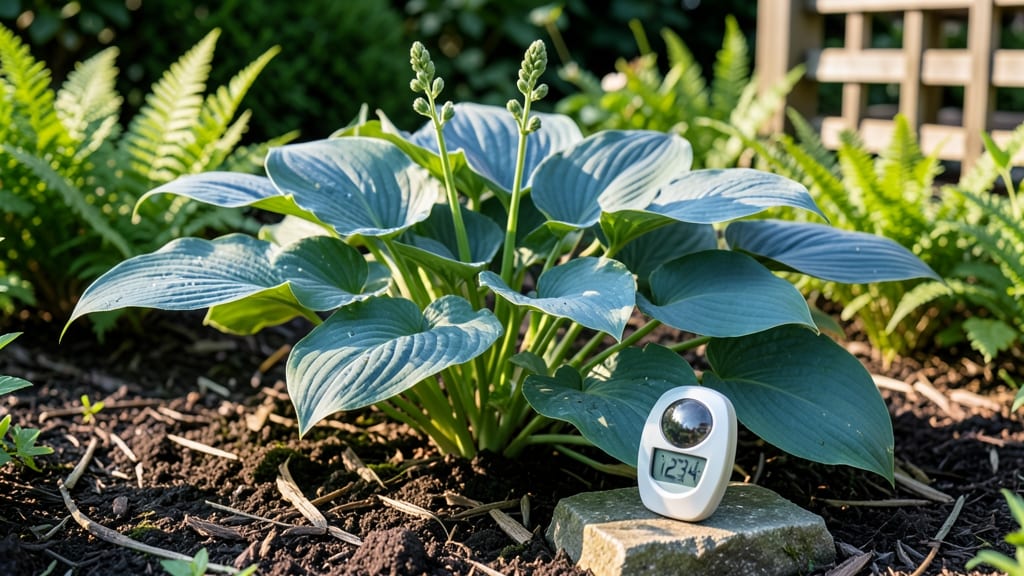
Part shade for plants means getting between 3 to 6 hours of sunlight daily, combined with periods of filtered or dappled light to prevent leaf scorch. This range accounts for both the duration and quality of light exposure, which can shift dramatically depending on your location and season.
Understanding part shade isn't just about counting hours—it's about balancing light intensity and timing. 🌿 For example, a plant might tolerate 5 hours of morning sun but struggle with the same duration in harsh afternoon rays.
I always recommend testing your garden's microclimates by observing how light moves across different spots throughout the day, especially during peak summer months when shadows shrink. The key is matching plants to these specific conditions rather than relying solely on hourly averages.
What trips up many gardeners is assuming part shade is a one-size-fits-all category. In reality, a 3-hour exposure zone near a northern-facing wall behaves differently than a 6-hour spot under a high-canopy tree.
The solution? Start with shade-tolerant varieties like hostas or heucheras in borderline areas, then adjust based on how they respond after the first growing season.
💡 In This Article
- How Sunlight Hours Define Part Shade Categories
- Choosing Plants for Your Shade Hours
How sunlight hours define part shade categories
Part shade isn't a single category but a spectrum where both duration and light quality matter. The 3-6 hour range breaks down into two distinct zones: 3-4 hours for delicate species and 4-6 hours for more tolerant plants.
For instance, a 3-hour exposure works for ferns that wilt in direct sun, while 6 hours suits hostas with thicker leaves. The difference lies in how quickly chlorophyll degrades—after 4 hours of direct sun, many shade plants begin showing stress like yellowing edges or crispy leaf tips.
Light intensity plays an equal role. A 4-hour exposure under a sheer curtain might equal 6 hours of dappled shade from a leafy tree.
This is why gardeners in northern climates can often push the upper limit to 6-7 hours—cooler air reduces UV damage, while southern gardens may cap exposure at 4 hours to prevent leaf scorch.
Tools like sun calculators (which map light angles) reveal these nuances by showing how shadows shift 15° per hour during peak daylight.
Measuring accurately requires watching your space for at least 2 weeks. Place a white board where you suspect part shade—mark shadow patterns every 2 hours. What you'll notice is that morning vs afternoon light behaves differently: soft morning rays filter through trees more gently than harsh afternoon angles.
This explains why some plants thrive in 3 hours of morning sun but fail with 3 hours of afternoon exposure.
Seasonal shifts complicate matters further. A 5-hour spot in summer might drop to 2 hours in winter due to lower sun arcs. That's why nurseries often label plants with ranges like "3-5 hours"—accounting for these variations.
For example, impatiens handle 3-4 hours but may struggle in 5+ hours during summer's peak intensity.
Consider these practical adjustments:
- Northern exposures: Can extend to 6-7 hours thanks to cooler temperatures
- Southern exposures: Limit to 3-4 hours to prevent leaf burn
- Eastern exposures: Gentle morning light allows 4-5 hours safely
- Western exposures: Harsh afternoon rays cap exposure at 3 hours
Pro tip: Use a shade map to visualize how structures like fences or trees create microclimates. A 6-foot-tall shrub might cast 50% shade at noon but only 20% at 3 PM—this creates a dynamic part-shade environment perfect for transitional plants like heucheras or astilbes. 🌿