
Light Requirements
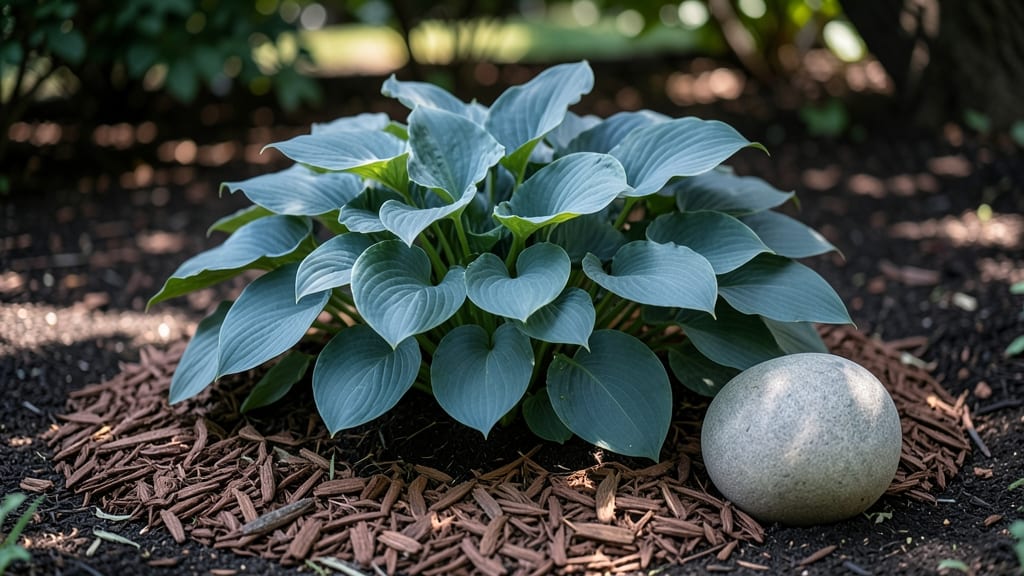
To define part shade properly, you need more than a vague guess—it’s the delicate balance between full sun and deep shade where hostas and ferns thrive. I’ve learned the hard way that calling a spot "part shade" without specifics leads to crispy leaves. leaves or sad, stretched-out growth.
This balance means 3-6 hours of direct sunlight, plus gentle filtered light or dappled shade for the rest of the day.
The magic happens when you match plants to their perfect light conditions. Hostas, for example, will reward you with lush foliage under morning sun and afternoon shade, while astilbes burst with color in spots that get dappled light through tree branches.
Even my shade-loving impatiens thrive when protected from harsh afternoon rays.
Think of part shade as the Goldilocks zone for gardening—not too hot, not too dark. You'll see plants growing stronger, blooming longer, and handling summer heat better than those struggling in full sun or deep shade.
The key is observing how light moves across your yard at different times of day.
This knowledge transforms garden planning from guesswork to strategy. Start by mapping your yard's light patterns, then group plants with similar needs together. A few hours of observation can save you from years of trial-and-error placement—trust me, I've been there with my sad, sunburned ferns.
📚 In This Guide
- What you need
- Instructions
- Tips and common mistakes
- Wrapping up and next steps
What you need
- ● Plants: Choose shade-tolerant varieties (e.g., ferns, hostas, or impatiens). Quantity: 3–5 plants (adjust based on pot size).
- ● Containers: Pots with drainage holes (10–14" diameter for medium plants). Material: Terracotta, ceramic, or fabric (e.g., blank">Smart Pots).
- ● Potting Mix: Well-draining blend (60% peat/compost, 30% perlite, 10% sand). Quantity: 1–2 bags (5–10 qt each).
- ● Mulch: Organic (e.g., shredded bark) or inorganic (e.g., gravel). Quantity: 1–2 cubic feet.
- ○ Support Structures (optional but helpful): Stakes or cages for tall plants (e.g., blank">bamboo stakes).
- ● Sheer fabric or shade cloth (30–50% coverage) for adjustable light control.
- ● Watering Can: With a long spout (1–2 gallon capacity).
- ● Pruners: Sharp, sterile pair for trimming.
- ● Light Meter: To measure exact light levels (e.g., blank">Apogee SQ-520).
- ● Self-Watering System: For consistent moisture (e.g., blank">Lechuza Planters).
- ● Reflective Surfaces: Mirrors or white paint to bounce indirect light onto plants.
- ● Plant Labels: For tracking varieties and light preferences.
Understanding part shade: the perfect light balance for healthy plants
Let’s break down exactly what part shade means—and why it’s the sweet spot for many plants to thrive.
Define Part Shade by Hours of Sunlight
Part shade isn’t just "some sun"—it’s a precise balance of 3 to 6 hours of direct sunlight per day, with the rest of the time in dappled light or shade. Think of it as a plant’s Goldilocks zone: not too much scorching sun, not too little weak growth. This range works for plants like hostas, ferns, and impatiens, which avoid the harsh afternoon rays but still need enough light to photosynthesize properly.
Here’s how to visualize it: If you’re standing in the spot where you want to plant, check the sunlight patterns throughout the day. In morning sun (cooler, gentler rays) and filtered afternoon light (when the sun dips lower), you’re likely in part shade. A quick test is to mark a spot with a stick and observe it for a week—if it gets less than 3 hours of harsh midday sun, it’s part shade.
Identify Part Shade Locations in Your Yard
Part shade isn’t just one spot—it varies by season, tree canopy, and even the time of day. Start by scanning your yard for areas under large trees, near north-facing walls, or between buildings where sunlight is broken up by leaves or structures. For example, the base of a deciduous tree might get full sun in winter (when leaves are gone) but part shade in summer (when foliage filters the light).
Pay attention to microclimates—small areas with different light conditions. A spot near a fence might get part shade in the morning but full sun in the afternoon. Use a light meter app (or even a simple observation over a few days) to track how much direct light hits each area. If you’re unsure, err on the side of slightly more shade—most plants prefer it over too much sun.
Match Plants to Part Shade Conditions
Not all part shade spots are equal, so choose plants based on the intensity and duration of light they receive. For 3-4 hours of sun, opt for shade-tolerant plants like heuchera (coral bells), astilbe, or Japanese forest grass. These thrive in dappled light and avoid leaf scorch. If the area gets 5-6 hours of sun, you can introduce more sun-loving part-shade plants like coleus, impatiens, or caladiums, which need a bit more light to stay vibrant.
Avoid planting full-sun lovers (like lavender or sunflowers) in part shade—they’ll stretch and weaken. Instead, group plants with similar light needs together. For example, pair hostas and ferns under a tree where they’ll get morning sun and afternoon shade. This creates a cohesive, low-maintenance garden that looks intentional and thrives effortlessly.
Adjust Light Conditions for Optimal Growth
Even the best part shade spot can change over time—especially as trees grow or buildings cast new shadows. If you notice yellowing leaves, leggy growth, or faded flowers, your plant might need slightly more or less light. Move it incrementally: 1-2 inches closer to shade if it’s getting too much sun, or a few inches toward a brighter spot if it’s not thriving. This gradual adjustment prevents shock.
For container plants, you have even more flexibility—simply rotate pots quarter-turns weekly to ensure even light exposure on all sides. If a plant starts leaning toward the light, it’s a clear sign it needs more. Conversely, if leaves turn crispy or brown at the edges, it’s getting too much direct sun—consider adding a lightweight shade cloth (30-50% coverage) during peak afternoon hours.
Seasonal Shifts in Part Shade
Part shade isn’t static—it shifts with the seasons. In winter, when deciduous trees lose their leaves, a spot that was part shade in summer might suddenly get full sun. Conversely, in summer, dense foliage can turn a sunny patch into deep shade. Plan ahead by noting the light patterns in both winter and summer—this ensures your plants get the right conditions year-round.
If you’re planting perennials, choose varieties that tolerate these seasonal changes. For example, heuchera handles both part shade and bright light well, while astilbe prefers consistent dappled light. Mulch heavily around plants in winter to protect roots from temperature swings, and water deeply in summer to help them handle the extra shade. A little seasonal flexibility goes a long way in keeping your garden healthy and vibrant.
Tips & tricks for perfect part shade plant placement
Mastering part shade isn't about guessing—it's about precision and observation that pays off with lush, healthy plants.
Visualize the Light Patterns: I always recommend testing potential planting spots for a full week before committing. Place a white plate or a piece of paper in the suspected area and mark it every hour the sun touches it directly. This simple method gives you an exact map of sunlight exposure, so you can see if you're truly getting that ideal 3 to 6 hours of direct sunlight mentioned in Step 1. The key is to look for morning sun combined with filtered afternoon light—this combination creates the perfect balance for most part-shade plants.
Seasonal Light Shifts: Here's what nobody tells you—part shade locations change dramatically between seasons. That spot under your oak tree might get full sun in winter when leaves are gone, but part shade in summer when foliage filters the light. I mark potential planting areas with stakes in both summer and winter to track these shifts. This helps me choose plants that can handle the seasonal light variations, like heuchera or astilbe, which are more adaptable than delicate ferns.
Plant Pairing Strategy: The difference between a thriving garden and a struggling one often comes down to plant compatibility. Group plants with similar light needs together—place hostas and ferns together under morning sun with afternoon shade, while coleus and impatiens can handle slightly more light. I've found that this approach creates a self-regulating microclimate where plants support each other's growth patterns. It also makes maintenance easier since you're not constantly moving plants to different light conditions.
Adjustment Techniques: When you notice plants struggling, don't panic—small adjustments can make all the difference. If leaves are yellowing, move the plant 1-2 inches closer to shade (as mentioned in Step 4). If growth is leggy, it needs more light—gradually move it toward a brighter spot over several days. I've learned this incremental approach prevents shock to the plant's system. For container plants, rotating them quarter-turns weekly ensures even light exposure on all sides, which prevents that one-sided growth that looks so unnatural.
Pro Tips for Define Part Shade
- Mastering part shade isn't about guessing—it's about precision and observation that pays off with lush, healthy plants.
- Visualize the Light Patterns: I always recommend testing potential planting spots for a full week before committing.
- Seasonal Light Shifts: Here's what nobody tells you—part shade locations change dramatically between seasons.
Frequently asked questions
Got questions about part shade? You’re not alone!
Here are some of the most common queries—and straightforward answers—to help you master this lighting zone for your plants.
What exactly does "part shade" mean?
"Part shade" refers to a spot where plants receive filtered or indirect sunlight for part of the day—typically 3 to 6 hours—while being shielded from harsh, direct rays (like midday sun). Think of it as the "Goldilocks zone" for light: not too much, not too little.
How do I tell if my garden spot is truly part shade?
Test it! Observe the area for a full day:
- Use a white board or piece of paper—if shadows are soft and elongated (not sharp), it’s likely part shade.
- Avoid spots where leaves scorch by noon or where plants wilt quickly.
- North-facing areas or spots under dappled tree canopies are classic part-shade zones.
Can I grow vegetables or flowers in part shade?
While leafy greens (like lettuce or spinach) and ferns thrive here, some veggies and blooms need a little more love. Try:
- Vegetables: Broccoli, Brussels sprouts, kale, and peas.
- Flowers: Impatiens, begonias, and astilbes.
- Avoid: Tomatoes, peppers, or sunflowers—they crave full sun.
What if my part-shade area gets too much sun?
If leaves turn yellow or crisp, it’s a sign of sunburn or stress. Try these fixes:
- Install sheer fabric screens or lattice to diffuse light.
- Move potted plants to a shadier spot during peak hours (10 AM–2 PM).
- Choose shade-tolerant varieties (e.g., ‘Elfin’ thyme or ‘Castor’ canna).
Does part shade mean the same thing worldwide?
Not quite! Climate plays a role:
- In hot, dry regions (e.g., deserts), part shade might mean morning sun + afternoon shade.
- In cool, cloudy areas (e.g., Pacific Northwest), "part shade" could include more direct light since sun is gentler.
- Always adjust based on your microclimate—what works in Florida may flop in Maine!
Wrapping up and next steps
Understanding part shade is your key to nurturing healthier, happier plants—whether you're a seasoned gardener or just starting out! 🌱 By balancing sunlight and shade, you create the perfect environment for greenery to thrive, avoiding common pitfalls like scorched leaves or weak growth.
Now that you’re equipped with the know-how, it’s time to put it into action: assess your space, choose the right plants, and watch your garden flourish!
Ready to elevate your green thumb game? Start by experimenting with a few part-shade-loving plants in your yard or balcony—you’ll be amazed at the difference a little light balance makes! 🌿