
Light Requirements
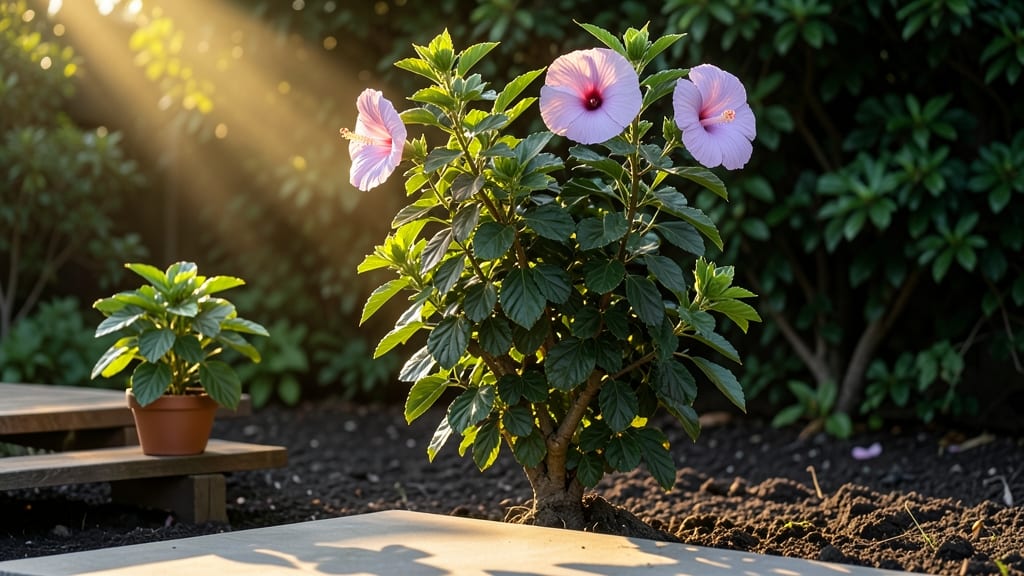
Hibiscus thrives in full sun or shade, but the key to peak blooms lies in understanding its light preferences and regional needs.
Struggling to get your hibiscus to bloom? The battle isn’t just about water or soil—it’s about light. Too much shade and you’ll get lush foliage but few flowers; too much scorching sun and you risk leaf burn. I’ve seen both mistakes firsthand, and the difference is stunning.
In USDA Zone 6a, hibiscus planted in spring (April–May) needs at least 4–6 hours of direct sunlight daily, but afternoon shade can be a lifesaver in intense summer heat. The right balance transforms a struggling plant into a flowering powerhouse.
Below, I’ll break down how to read your hibiscus’s light needs, adjust care based on sun exposure, and even pick the best varieties for your garden’s conditions—so you can enjoy year-round blooms without the guesswork.

Hibiscus light requirements: full sun vs. partial shade breakdown
Hibiscus plants are often called the "queens of the garden" for their dramatic blooms, but their light needs can be surprisingly nuanced. While most varieties crave sunlight, not all hibiscus handle scorching afternoon rays the same way.
Tropical hibiscus, like Hibiscus rosa-sinensis, thrive in 6-8 hours of direct sun, while hardy varieties such as Hibiscus moscheutos tolerate partial shade in hot climates. Understanding these differences is key to preventing leaf scorch or poor flowering—two common light-related issues.
The science behind hibiscus light needs lies in their native habitats. Tropical hibiscus evolved in bright, humid climates with dappled shade, while hardy hibiscus adapted to cooler, temperate zones with softer light. Even a single day of intense afternoon sun can cause sunburned leaves if your hibiscus isn’t acclimated.
Meanwhile, excessive shade leads to leggy growth and fewer blooms, as the plant stretches toward any available light.
Here’s the critical breakdown: Full sun (6+ hours/day) maximizes blooms but risks stress in USDA Zones 8-11 during peak summer. Partial shade (3-6 hours/day) protects leaves while still encouraging flowering, especially for hardy hibiscus in Zones 5-7.
The trick? Morning sun + afternoon shade—a compromise that works for most gardeners.
If your hibiscus is dropping buds or leaves are yellowing with brown edges, it’s likely overheating from too much direct sun. Conversely, pale, sparse foliage with few blooms signals insufficient light. The solution? Gradual acclimation—move potted hibiscus to dappled shade for a week before full sun exposure.
For in-ground plants, use lightweight shade cloth (30–50%) during peak afternoon heat to protect leaves without stunting growth.
Regional adjustments matter too. In arid climates (e.g., Arizona, California), hibiscus thrive with morning sun and afternoon shade, while humid zones (e.g., Florida, Louisiana) can handle full sun if kept well-watered.
Mulching with 2–3 inches of organic matter helps retain moisture and regulates soil temperature, reducing stress during heatwaves. Pro tip: Reflective surfaces like white gravel or light-colored mulch can increase light intensity by up to 20% in shaded areas.
For container-grown hibiscus, rotate pots weekly to ensure even light exposure on all sides. This prevents one-sided growth and ensures balanced blooming. If your hibiscus is struggling in shade, supplement with a grow light (12–14 hours/day) during winter months to mimic natural sunlight.
Just avoid LED bulbs with high UV output, which can damage delicate petals.
Remember: Hibiscus are opportunistic bloomers—they’ll produce flowers even in suboptimal light, but the size, color, and longevity of blooms dramatically improve with ideal conditions. By matching your hibiscus variety to its native light preferences, you’ll unlock year-round color and healthier growth.
Start with the right spot, and your hibiscus will reward you with show-stopping blooms from spring to frost.
🌸
How to adjust your hibiscus’s light exposure for maximum blooms
If your hibiscus is throwing tantrums with sparse blooms or crispy leaves, light exposure is likely the culprit. Unlike finicky divas, hibiscus plants are adaptable—but they need the right balance.
Too much scorching sun can bleach leaves, while too little indirect light stifles flower production. The key? Creating a microclimate that mimics their tropical roots while protecting them from extremes.
Start by observing your hibiscus’s current location. If it’s wilting by noon or sporting bleached patches, it’s begging for afternoon shade. Conversely, if blooms are sparse and leaves stay pale, it’s craving more direct sunlight. Gradual adjustments—like moving pots incrementally—prevent shock and help your plant thrive without drama.
🌿 Seasonal Light Adjustments for Hibiscus
- 🌞 Spring: Transition hibiscus to full sun gradually (2-3 weeks). Start with morning sun, then extend to afternoon.
- ☀️ Summer: Provide afternoon shade (1-3 PM) in hot climates to prevent leaf burn. Use sheer curtains or lattice screens.
- 🌧️ Fall: Reduce shade as temperatures drop. Aim for 4-6 hours of sun daily to maintain blooms until frost.
- ❄️ Winter: Move potted hibiscus to a bright, indoor spot (south-facing window) or use grow lights for 6-8 hours/day.
- 🌱 Year-Round: Rotate pots weekly to ensure even light exposure and prevent lopsided growth.
Watch for light stress symptoms like yellowing leaves, curled edges, or flowers that refuse to open. These are red flags! For example, leaf scorch (brown, crispy edges) means too much direct sun, while leggy stems signal insufficient light.
Adjust gradually—hibiscus hate sudden changes—and always water deeply after moving them to reduce stress.
Pro tip: Use reflective surfaces like white walls or mirrors to bounce extra light onto shade-loving hibiscus. This trick can boost blooms by up to 30% without moving the plant. Pair this with morning watering to keep roots cool, and your hibiscus will reward you with nonstop color.
Don’t overlook container size—root-bound hibiscus struggle to regulate moisture and light absorption. Repot every 2-3 years into a one-size-larger container with drainage holes. Pair this with a well-draining soil mix (equal parts potting soil, perlite, and compost) to keep roots happy and blooms plentiful.
With these tweaks, your hibiscus will transform from a struggling underachiever to a bloom machine. The secret? Pay attention, adapt seasonally, and never let it bake in harsh afternoon sun—or freeze in winter shade.
Your efforts will pay off in vibrant, year-round flowers that’ll make your garden the envy of the neighborhood. 🌸