
Plants
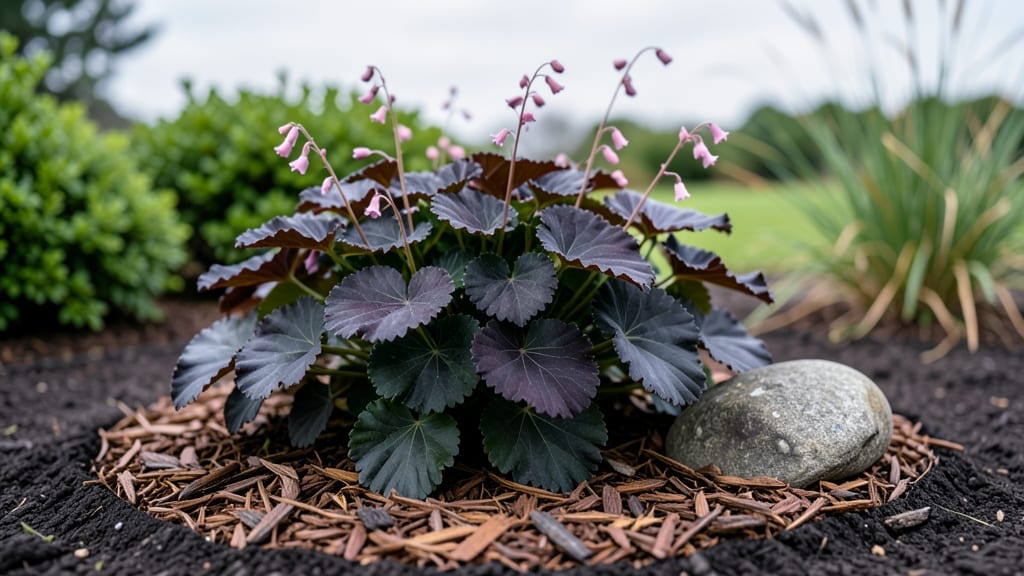
Heuchera plants thrive in sun or shade, but the right light conditions are the key to unlocking their boldest foliage colors 🌿 — and many gardeners get this wrong, leading to dull, lackluster leaves.
Picture this: you’ve just planted your dream Heuchera, only to watch its vibrant hues fade into a sad, washed-out green. That’s because some varieties crave morning sun, while others retreat into deeper shade, and mixing them up can turn your garden into a foliage disappointment.
In this guide, I’ll break down the sun vs. shade needs of different Heuchera types, how to spot the signs of stress, and the simple tweaks that bring back that show-stopping color—whether your garden is a bright border or a shady nook.
You’ll learn which varieties hold up in full sun, which ones prefer the dappled light of a woodland edge, and how to transition your plants without shocking their roots. Let’s get those leaves popping!
 Best Window Placement
Best heuchera varieties for full sun exposure: heat-resistant picks
If you love heuchera plants but struggle with their traditional shade-loving reputation, don’t worry—some stunning varieties actually thrive in full sun. With the right heat-resistant picks, you can enjoy vibrant foliage even in the hottest spots of your garden.
The key is selecting varieties bred to handle 6+ hours of direct sunlight while preventing leaf scorch.
Most gardeners assume heuchera needs shade, but modern hybrids like 'Palace Purple' and 'Lime Rickey' prove otherwise. These varieties boast thick, waxy leaves that reflect sunlight, reducing heat stress. Pair them with well-draining soil and consistent moisture to keep their colors popping all season long.
Here’s how to spot the best sun-loving heuchera varieties and care for them in hot climates:
| Variety | Sun Tolerance | Foliage Color | Heat Resistance | Care Tips for Full Sun |
|---|---|---|---|---|
| 'Palace Purple' | Deep purple-black | High (thick leaves) | Water deeply 2x/week; mulch to retain moisture | |
| 'Lavender Lace' | Silver-lavender | Moderate (needs afternoon shade in extreme heat) | Provide dappled shade midday; prune leggy stems | |
| 'Lime Rickey' | Chartreuse-yellow | High (bright colors attract heat) | Use lightweight mulch; avoid overhead watering | |
| 'Firefly' | Orange-red | Moderate (best in morning sun) | Plant near reflective surfaces to reduce heat | |
| 'Peach Thor' | Peach-pink | High (compact growth) | Group with other sun-lovers (e.g., sedum, lavender) |
For maximum heat resistance, focus on varieties with thick, waxy leaves—these reflect sunlight and reduce water loss. 'Palace Purple' and 'Peach Thor' are top performers in USDA Zones 6-9, while 'Lime Rickey' may need afternoon shade in Zone 10+ to prevent leaf burn.
To prevent leaf scorch, avoid planting heuchera in south-facing beds without protection. Instead, opt for east-west orientations or pair with taller plants like coneflowers or black-eyed Susans to create natural shade. Water early in the morning to let foliage dry before afternoon heat sets in.
Another pro tip: Mulch heavily with organic matter (like shredded bark) to keep roots cool. I’ve seen 'Lavender Lace' in my own garden thrive with this method, even in 100°F+ temperatures. The mulch acts like a heat shield, preserving those stunning silver leaves.
Don’t forget to fertilize lightly in early spring with a balanced 10-10-10 formula. Over-fertilizing can stress sun-exposed heuchera, making them more susceptible to heat damage. Stick to one application per year and monitor for yellowing leaves, which may signal overfeeding.
If your heuchera starts showing signs of stress—like crispy edges or bleached foliage—trim affected leaves immediately. This encourages new growth and prevents the plant from diverting energy to damaged areas. In extreme cases, move potted heuchera to a shadier spot temporarily until temperatures drop.
With the right variety and care, sun-loving heuchera can outshine their shade-dependent cousins. My 'Firefly' plants in a west-facing border still burst with color after summer’s longest days, proving that bold foliage isn’t just for shade gardens.
Ready to try? Start with 'Palace Purple' or 'Peach Thor'—they’re the most forgiving for beginners. Just remember: sun + moisture + mulch = happy heuchera.
Shade-tolerant heuchera plants: low-light champions for dark corners
If your garden has shady spots where other plants struggle, heuchera plants are your secret weapon. These foliage superstars thrive in low light, delivering vibrant colors even when sunlight is scarce. The key lies in selecting the right shade-tolerant varieties and tweaking your care routine to boost their natural beauty.
Many gardeners assume heuchera needs bright light, but some varieties actually prefer shade and reward you with deeper hues and lush growth. The trick is understanding which cultivars perform best in partial to full shade—and how to create the perfect conditions for their foliage to shine brightest.
🌿 Top Shade-Tolerant Heuchera Varieties
- 'Plum Pudding' – Deep burgundy leaves with velvety texture; thrives in full shade
- 'Berry Smoothie' – Blends of purple, pink, and green; ideal for woodland gardens
- 'Palace Purple' – Rich violet foliage with silver edges; tolerates deep shade
- 'Lime Rickey' – Bright lime-green leaves that pop in low-light conditions
- 'Midnight Marvel' – Nearly black foliage with deep purple undertones; loves shady corners
Pro Tip: For intensified colors, amend soil with organic compost before planting.
To maximize foliage intensity in shady spots, focus on moisture retention and nutrient-rich soil. Heuchera plants in shade need consistently moist (but not soggy) soil—think of it as a balanced watering schedule with 1 inch of water per week.
Mulching with organic matter helps retain moisture while suppressing weeds.
Another game-changer is soil pH. Most shade-loving heuchera prefer slightly acidic to neutral soil (pH 6.0-7.0). If your soil is heavy clay, mix in perlite or sand to improve drainage while keeping roots cool. Amend with compost annually to replenish nutrients—these plants are heavy feeders even in shade.
Watch for leaf color shifts as your heuchera adapts. In deep shade, some varieties may fade slightly, but proper care keeps them vibrant. If leaves turn yellow or limp, it’s often a sign of overwatering—always ensure pots or beds have adequate drainage.
With the right variety and conditions, your shady garden corners will become a foliage showstopper!
For extra drama, pair shade-tolerant heuchera with hostas or ferns. Their contrasting textures create a lush, layered look that thrives where other plants fail. The best part? Once established, these low-maintenance perennials will reward you for years with minimal effort.