
Light Requirements
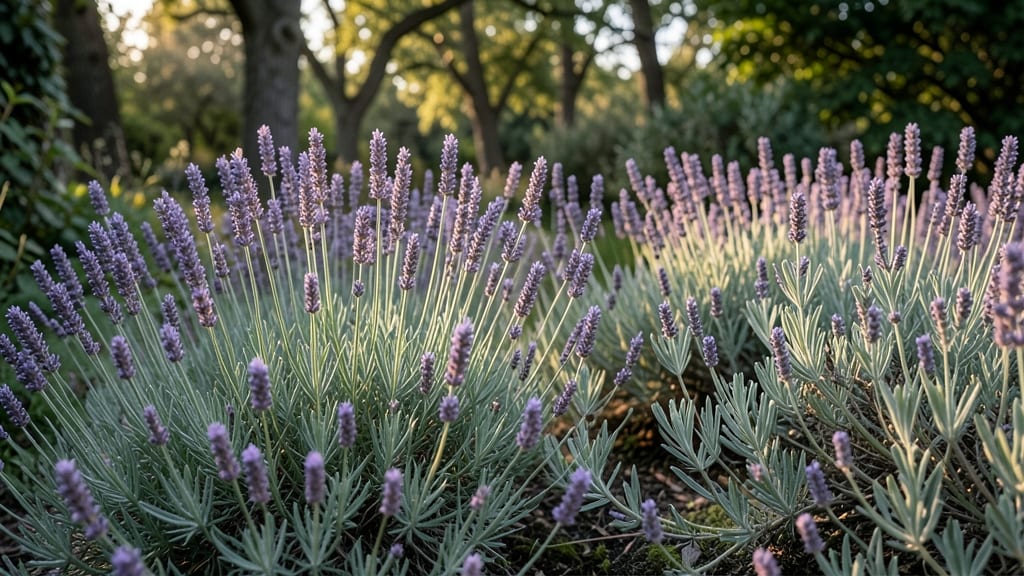
Struggling to grow herbs in your shady garden? These 10 part-shade-tolerant varieties thrive with minimal sunlight while delivering bold flavors and aromatic benefits—ideal for under trees, north-facing patios, or container gardens.
Sweet Woodruff for Fragrant Ground Cover
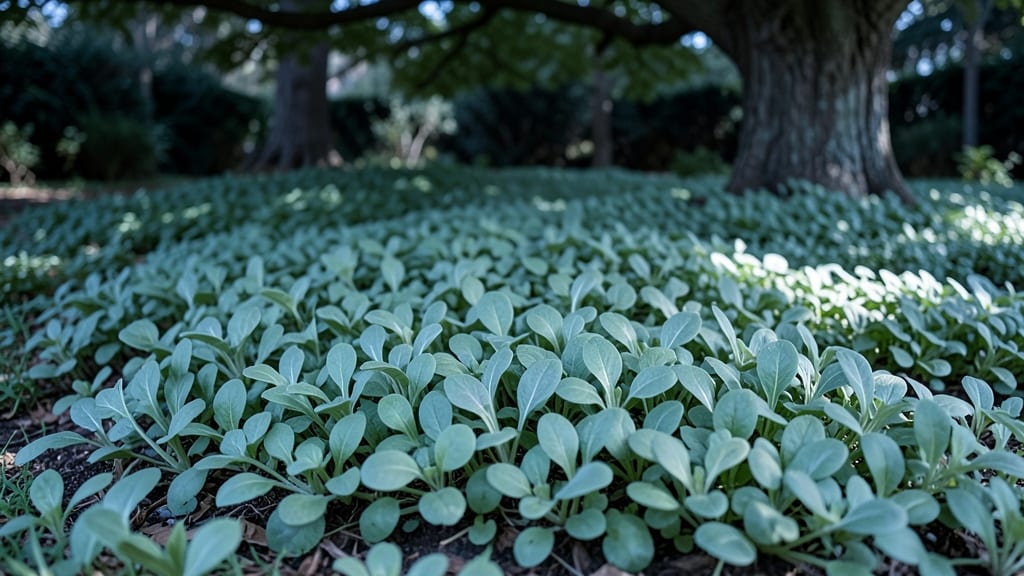
Tired of shady garden spots that feel abandoned? Sweet woodruff transforms those forgotten corners into a fragrant, weed-suppressing carpet with its delicate vanilla-scented leaves. This low-growing herb thrives in deep shade, making it ideal for under trees or north-facing beds where most plants struggle.
Plant it in well-draining soil and water moderately—it spreads quickly to crowd out weeds while attracting pollinators with its delicate white flower clusters in spring. Harvest leaves anytime for teas or potpourri, but avoid over-trimming to maintain its lush ground cover. Perfect for gardeners who want both beauty and function in low-light areas. 💚
Culinary Mint Varieties in Containers
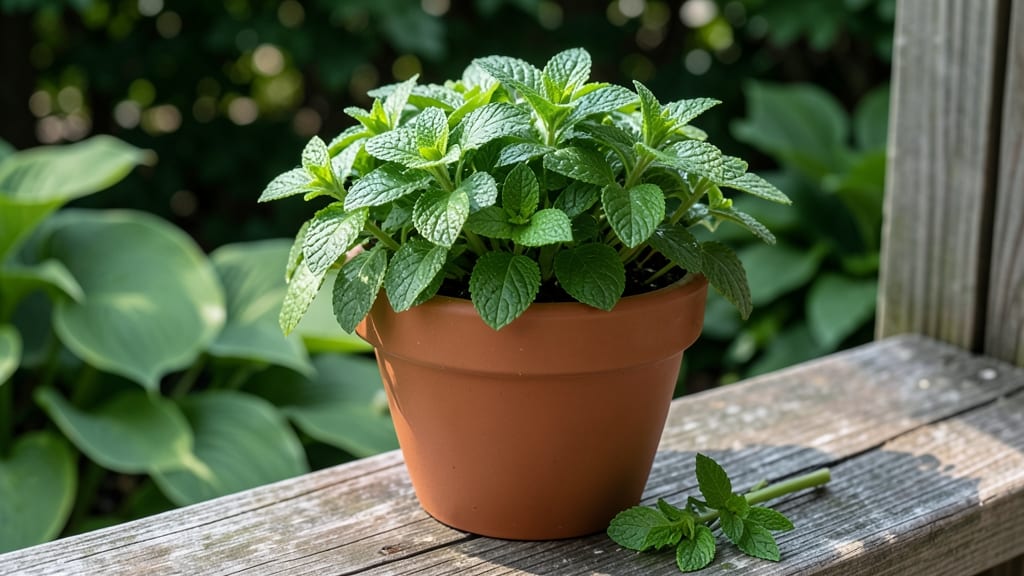
Tired of mint taking over your garden? Culinary mint varieties in containers let you enjoy fresh leaves without the chaos—while thriving in partial shade where other herbs struggle. This fast-growing herb spreads aggressively but stays contained in pots, making it perfect for patios, balconies, or even windowsills.
Choose from varieties like spearmint (classic flavor) or peppermint (stronger aroma) for teas, cocktails, or cooking. Plant in well-draining soil with 6+ hours of indirect light and water when the top inch feels dry. Prune regularly to encourage bushier growth and prevent legginess. 💡
Urban gardeners and small-space growers will love how mint’s year-round productivity turns a simple pot into a fresh-herb powerhouse. Just be ready for its enthusiasm—harvest often to keep it happy and contained! 🌱
Lemon Balm for Citrusy Shade Gardens
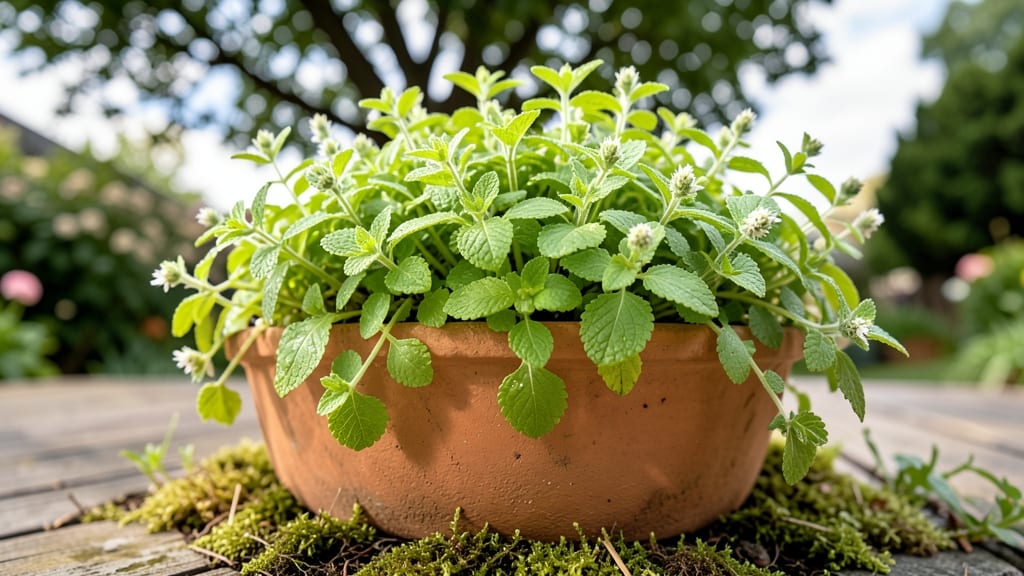
Tired of herbs that wilt in shady spots? Lemon balm thrives where others struggle, offering a bright citrus scent and versatile uses—all while requiring just 3-6 hours of indirect light daily.
This hardy perennial spreads easily but stays contained in containers, making it perfect for balconies or garden edges. Snip leaves for lemon-flavored teas or infuse oil for homemade pest repellent sprays. It even attracts pollinators with its small white flowers! Plant in moist, well-drained soil and watch it flourish with minimal fuss.
Urban gardeners and tea enthusiasts will love this low-maintenance herb that doubles as a natural remedy. Its cheerful aroma instantly brightens any shady corner! 🌿
Chives with Purple Stems for Edible Beauty
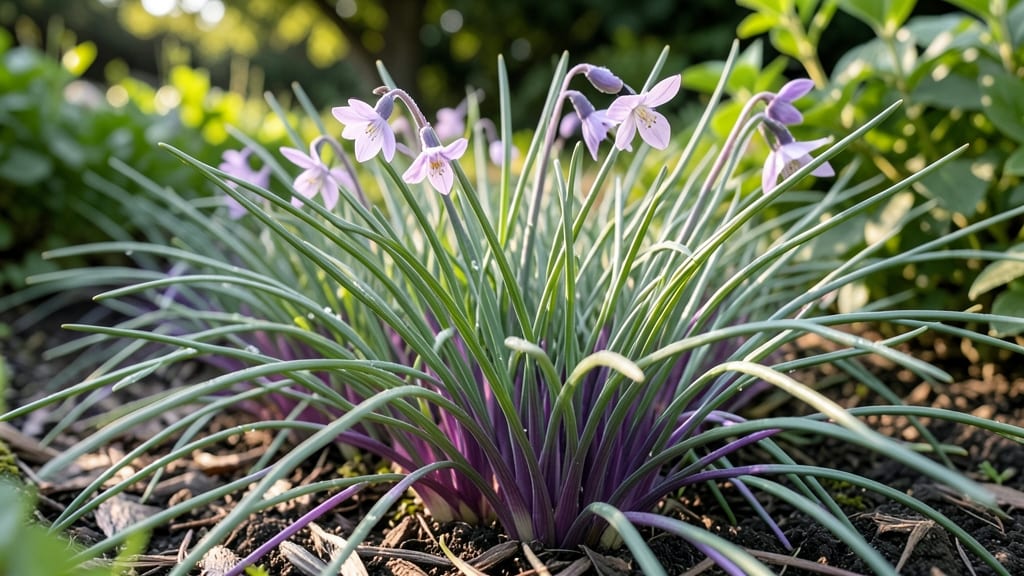
Looking for an herb that doubles as both a border plant and a culinary gem? Chives with purple stems are your answer—this underrated variety thrives in partial shade while producing delicate, edible blossoms that add subtle onion flavor to salads and garnishes.
Unlike traditional chives, this shade-tolerant cultivar features striking purple stems that add visual interest to garden beds. It’s also a magnet for beneficial insects like bees and hoverflies, which pollinate your garden while you harvest the leaves. Simply snip as needed—it regrows quickly and handles light pruning beautifully.
Perfect for urban gardeners with limited sun or beginners who want a low-maintenance, dual-purpose herb. 🌱
Hostile-Free Parsley in Shady Spots
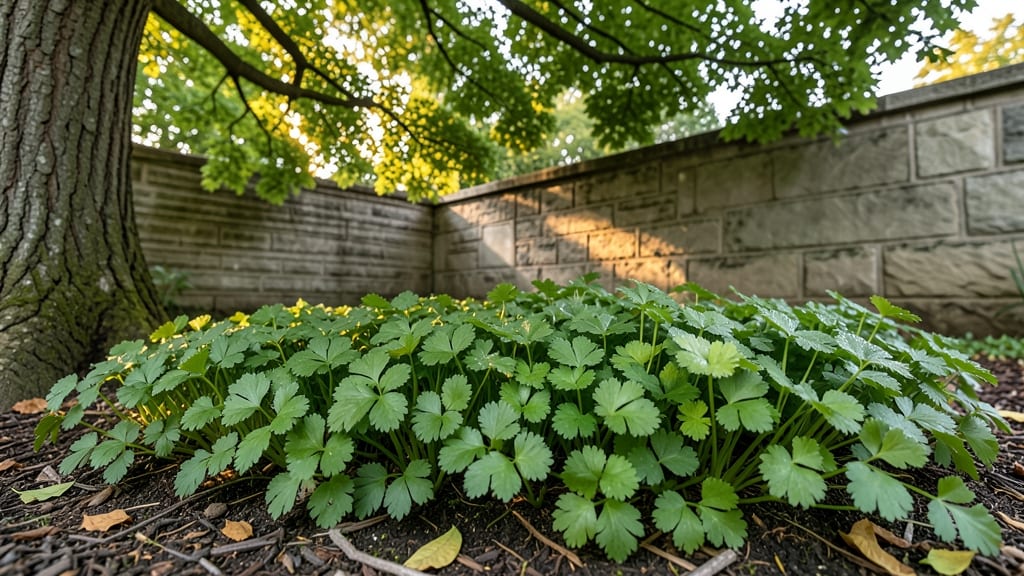
Tired of herbs that demand full sun? Parsley thrives in partial shade, making it the perfect low-maintenance herb for shady spots under trees or along north-facing walls. Unlike fast-growing herbs, parsley grows slowly but reliably, ensuring you always have fresh leaves for soups and salads without competing for sunlight with other plants.
Both curly-leaf and flat-leaf varieties adapt well to 3-6 hours of sun daily, with flat-leaf being slightly more shade-tolerant. Keep the soil consistently moist but well-draining, and harvest leaves regularly to encourage bushier growth. This herb is ideal for beginners or gardeners with limited sun exposure.
Its hardiness and versatility make parsley a must-have for any shade garden, offering both culinary and ornamental value with minimal effort. 🌱
Golden Sage for Ornamental Shade Tolerance
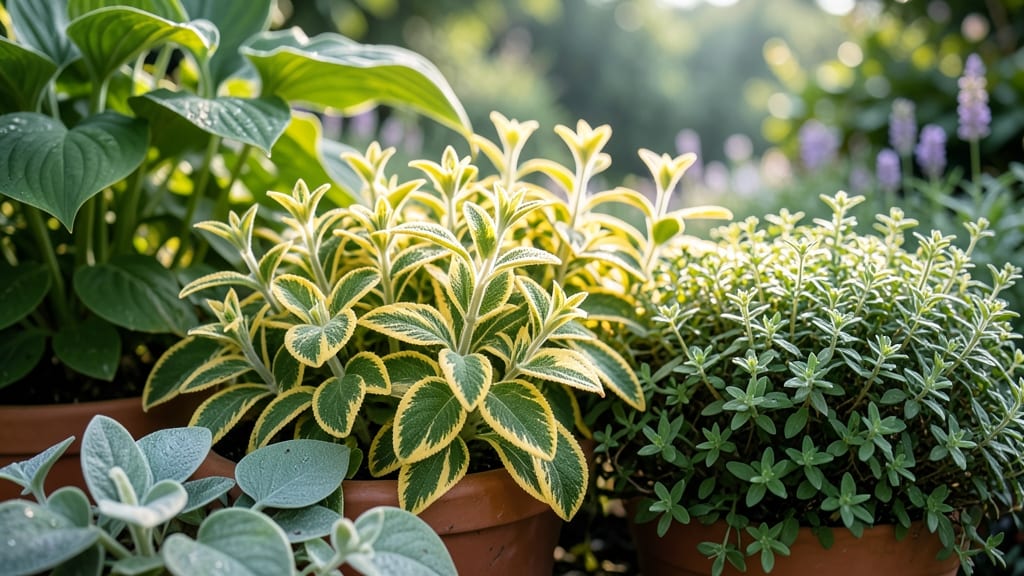
Looking for an herb that adds golden-yellow drama to your shady garden while requiring almost no maintenance? Golden sage (like 'Berggarten' or 'Tricolor') thrives in partial shade with its striking variegated foliage—perfect for borders, containers, or even as a drought-resistant ground cover.
This culinary and ornamental dual-purpose plant handles 4-6 hours of shade daily and tolerates dry soil once established. Prune lightly after flowering to encourage bushier growth, and harvest leaves anytime for savory dishes or pest-repellent sprays. Its silvery-gold foliage also contrasts beautifully with deep greens.
Urban gardeners and beginners will love how golden sage brightens shady spots without fuss—just water occasionally and watch it flourish. 🌟
Stevia for Sweetener Production in Low Light
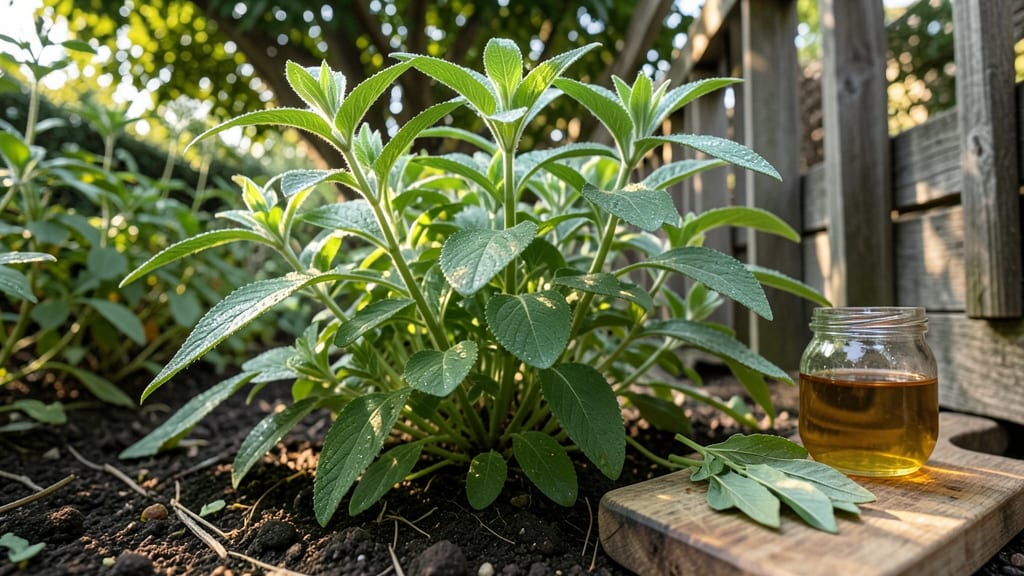
Want to grow your own natural sweetener without sacrificing sunlight? Stevia thrives in partial shade, making it perfect for shady patios, north-facing windows, or understory garden beds where other herbs fail. Its lance-shaped leaves produce a sweet compound 20-30 times sweeter than sugar—ideal for diabetics or those seeking sugar-free alternatives.
This tender perennial prefers well-draining soil and moderate moisture, tolerating 3-6 hours of indirect light daily. Harvest leaves when they reach 2-3 inches long for drying or fresh use in teas, cocktails, or baking. Unlike sugar, stevia has zero glycemic impact, making it a game-changer for health-conscious gardeners.
Perfect for urban gardeners with limited sun or those who want a functional herb with minimal space requirements, stevia delivers both practical benefits and a unique growing challenge. 🌱
Anise Hyssop for Pollinators and Tea Blends
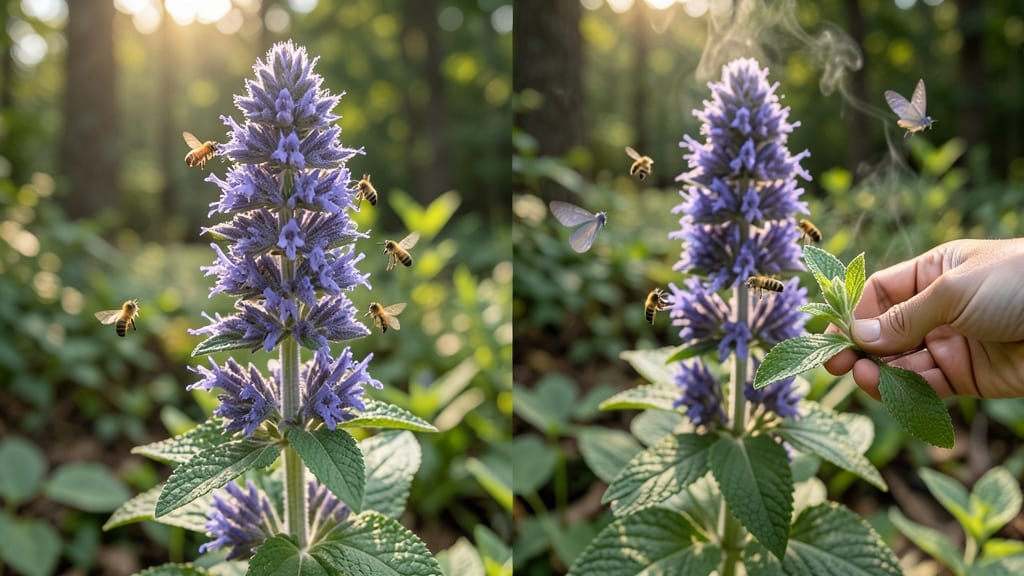
Want an herb that doubles as a pollinator magnet and a tea blend superstar—without needing full sun? Anise hyssop delivers lavender-blue blooms that buzz with bees while its minty-anise leaves steep into aromatic herbal teas. This drought-tolerant perennial thrives in partial shade, making it perfect for understory plantings or wildflower meadows.
Plant it in well-draining soil with 3-6 hours of indirect light daily, and watch it self-seed for years of low-maintenance beauty. Snip leaves for teas or garnishes, but leave some flowers to feed pollinators—this herb rewards both your palate and the ecosystem. Deadhead spent blooms to encourage bushier growth and prevent seed spread if containment is a concern.
Ideal for eco-conscious gardeners, tea enthusiasts, or anyone craving a multi-functional herb that thrives where others fail. 🌟
Winter Savory for Year-Round Harvesting
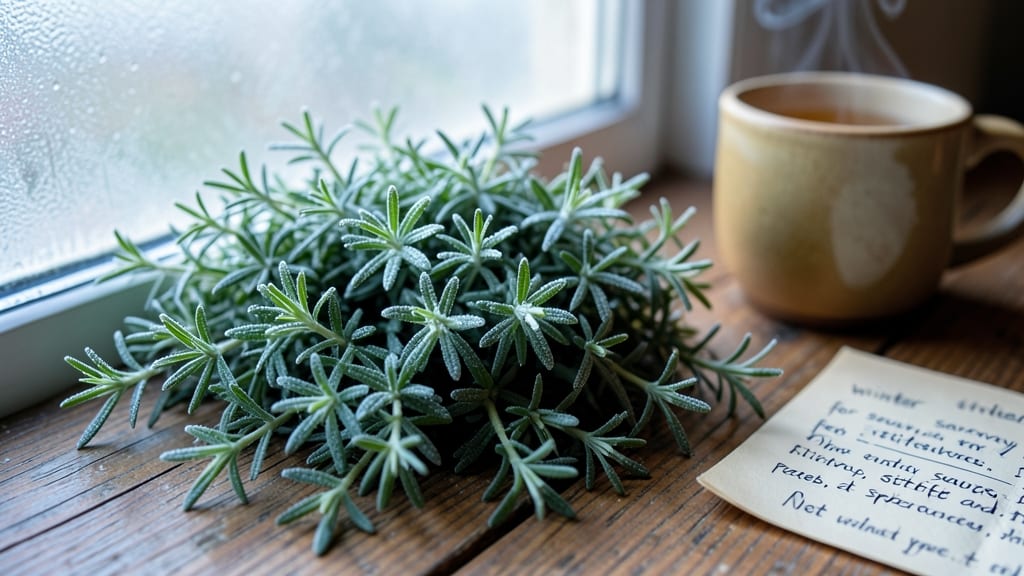
Want fresh herbs even when winter chills the air? Winter savory is the unsung hero of shade-tolerant herbs, thriving where others fade. This hardy perennial produces pine-scented leaves that stay flavorful through frost, making it perfect for soups, stuffings, or even homemade pest-repellent sprays.
Unlike most herbs, winter savory handles 3-6 hours of shade daily and tolerates light frosts, growing best in well-draining soil with occasional watering. Its compact size (12-18 inches tall) makes it ideal for containers or garden edges. Harvest leaves anytime—young leaves are milder, while mature ones pack a stronger savory punch.
Cold-climate gardeners and those with limited sun will love this herb's year-round productivity. Just avoid overwatering, and you'll have a steady supply of flavorful leaves even when snow blankets the ground. 🌱
Lavender for Fragrance in Partial Sun

Think your shady garden can’t handle lavender? Think again—English lavender and Spanish lavender varieties thrive in partial shade, especially in hot climates where afternoon sun becomes too intense. Their silvery foliage and calming scent transform shady corners into fragrant retreats, while their drought tolerance makes them low-maintenance stars.
For best results, plant in well-draining soil with 3-6 hours of morning sun and afternoon shade. Prune lightly after flowering to maintain shape, and harvest sprigs for sachets, teas, or culinary garnishes—just avoid over-trimming to preserve their woody stems. These varieties also repel pests naturally, making them a dual-purpose addition to any garden.
Perfect for urban gardeners with limited sun or those who want to extend lavender’s growing range beyond sunny borders, these shade-tolerant varieties prove that fragrance and beauty aren’t limited to full-sun spots. 🌿