
Flowers
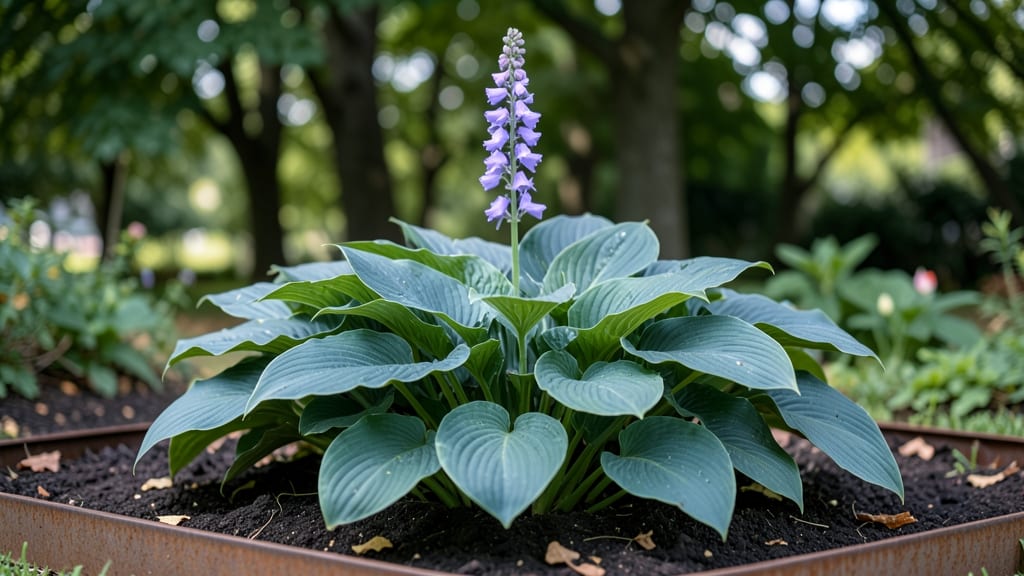
This ground cover that likes shade—the one that thrives under trees without fuss—finally revealed itself after years of trial and error, and it’s a game-changer for lazy gardeners. These aren't just fillers; they're the backbone of my woodland garden, suppressing weeds while keeping the soil moist.
The magic happens with native plants like creeping phlox and pachysandra, which spread effortlessly while outcompeting weeds. They handle dry spells better than most annuals and bloom in early spring, giving pollinators a head start.
Even hostas (yes, those shade queens) have compact varieties perfect for ground cover—just pick the right cultivar for your light conditions. By summer, you'll have a living mulch that stays green through droughts and keeps your soil cooler than bare earth. The best part?
No mowing, no weeding—just occasional trimming to keep them tidy. These plants work under oaks, along fences, or in those tricky spots where grass refuses to grow. For maximum impact, layer them with ferns or ajuga for texture contrast.
Start with a single plant, let it spread naturally, and watch your shaded areas become the envy of the neighborhood. Here's how to choose the right mix for your space.
📚 In This Guide
- What you need
- Instructions
- Tips and common mistakes
- Wrapping up and next steps
What you need
- ● Ground cover plants: Choose 3–5 drought-resistant, shade-tolerant varieties (e.g., Ajuga reptans, Helleborus, Lamium, or Pachysandra terminalis). Calculate 1–2 plants per square foot for full coverage.
- ● Organic mulch: 2–3 inches of pine bark fines, wood chips, or leaf mold (1–2 cubic yards per 100 sq. ft. of garden bed).
- ● Compost or slow-release fertilizer: 1–2 pounds per 100 sq. ft. (look for a balanced 10-10-10 or organic option like fish emulsion).
- ● Garden gloves: A pair of durable, breathable gloves (e.g., nitrile-coated for grip and protection).
- ● Hand trowel or transplanting spade: A 5–6 inch stainless steel trowel for digging small holes.
- ● Garden hose or watering can: With a fine mist nozzle for gentle watering.
- ● Pruners: Bypass pruners for trimming plants (sterilize with rubbing alcohol!).
- ○ Soaker hose (optional but helpful): For deep, slow watering (30–50 ft. length, depending on bed size).
- ● Ground fabric or landscape fabric: If weeds are a persistent issue, use a breathable, biodegradable option (e.g., jute or coconut coir) to suppress weeds without smothering roots.
- ● Edging tools: For clean borders, use plastic or metal edging (e.g., flexible aluminum strips).
- ● Slow-release watering granules: Like hydrogel crystals or polyacrylamide to retain moisture in dry spells.
- ● Mulch pins or landscape staples: To secure mulch in windy areas (e.g., galvanized staples).
- ● Knee pad or small stool: For comfort during long planting sessions!
- ● Test your soil: Use a pH test kit (aim for 6.0–7.0; most shade-loving ground covers thrive in slightly acidic to neutral soil). Adjust with lime (to raise pH) or sulfur (to lower pH) if needed.
- ● Clear the area: Remove weeds, rocks, or debris. Solarize the bed (cover with clear plastic for 4–6 weeks in summer) if weeds are stubborn.
- ● Check sunlight levels: Ensure your area gets less than 4 hours of direct sun daily. Use a light meter or observe shadows for accuracy.
- ● Plan your layout: Sketch a rough design, spacing plants 12–18 inches apart for optimal coverage.
How to select and install drought-resistant shade-loving ground covers
Here's the straightforward approach I've used to transform shady patches into lush, low-maintenance landscapes.
🌿 Step 1: Choose Plants That Thrive in Shade and Drought
Start with proven performers like creeping jenny (Lysimachia nummularia), wild ginger (Asarum canadense), or sweet woodruff (Galium odoratum)—all handle shade and occasional dry spells beautifully. These plants spread naturally, suppressing weeds while requiring minimal water once established. I always check the mature spread (typically 12-24 inches) to ensure they won't overcrowd your space.
For rock gardens or slopes, aluminum plant (Pilea cadierei) or creeping phlox (Phlox subulata) work wonders—they form dense mats that prevent erosion while staying drought-tolerant. Avoid anything labeled "moisture-loving" or "high-water-need" on the tag. The key is selecting plants with leathery or waxy leaves—they retain moisture better during dry spells.
🪴 Step 2: Prepare the Soil for Optimal Growth
Clear weeds and debris from the area, then loosen the top 6 inches of soil with a garden fork. Shade-loving ground covers prefer well-draining soil, so if your area stays soggy, amend with 2-3 inches of compost mixed into the topsoil. I never use garden soil alone—it compacts too easily and can suffocate roots.
For slopes or uneven ground, create contour lines with a string and stakes to guide planting. This prevents erosion and ensures even water distribution. If your soil is sandy, add 1 part peat moss to every 3 parts soil to help retain moisture without becoming waterlogged.
🌱 Step 3: Plant at the Right Depth and Spacing
Dig holes twice as wide as the root ball but only as deep as the container. Gently remove plants from their pots and tease apart any circling roots—this encourages outward growth. Place each plant so the top of the root ball sits just below soil level (never deeper). Shade-loving ground covers often struggle if buried too deep.
Space plants 12-18 inches apart for most varieties, but check the tag for specific spacing needs. Creeping types like creeping thyme can go as close as 6 inches apart since they spread aggressively. Water deeply after planting to settle the soil and eliminate air pockets around the roots.
☀️ Step 4: Water and Mulch for Retention
Water 1 inch per week for the first 4-6 weeks to help roots establish. After that, most drought-resistant ground covers only need watering when the top 2 inches of soil feel dry. I use a soaker hose set to a slow trickle—it delivers water directly to the roots without wetting the foliage, which reduces disease risk.
Apply 2-3 inches of mulch (like shredded bark or pine needles) around plants, keeping it 2 inches away from stems to prevent rot. Mulch slows moisture evaporation and keeps soil temperatures stable. Replenish mulch annually in spring—it breaks down over time and loses effectiveness.
✂️ Step 5: Maintain With Minimal Effort
Once established, most shade-loving ground covers need little to no pruning. In early spring, trim back any dead or leggy growth with clean, sharp shears to encourage bushier growth. For aggressive spreaders like creeping jenny, trim edges annually to keep them contained where you want them.
Fertilize lightly in spring with a balanced, slow-release fertilizer (10-10-10) if your soil is poor. Over-fertilizing leads to lush but weak growth that struggles in dry conditions. Watch for pests like slugs or snails—handpick them in the evening when they're most active, or use diatomaceous earth as a natural barrier.
Tips & tricks for perfect shade-loving ground cover installation
Transforming shady areas into lush, low-maintenance spaces takes a few key insights I've learned from years of trial and error. These simple adjustments make all the difference between a patchy garden and a thriving landscape.
Plant Selection Wisdom: When choosing ground covers, always check the mature spread on the plant tag—this tells you exactly how much space each plant will occupy at full size. I once planted creeping jenny too close together and spent months trying to separate overcrowded plants. For slopes or erosion-prone areas, aluminum plant and creeping phlox form dense mats that actually help stabilize soil while staying drought-tolerant. Look for plants with leathery or waxy leaves—they're nature's moisture-retaining trick.
Soil Prep Secret: The 6-inch soil loosening in Step 2 isn't just about aeration—it's about creating the perfect environment for roots to establish quickly. For clay-heavy soils, mix in 2-3 inches of compost to improve drainage without making the soil too loose. And here's what nobody tells you: if your soil is sandy, that 1:3 peat moss ratio is your moisture lifeline—it helps retain just enough water to prevent drought stress while still allowing excess to drain away.
Planting Depth Caution: That "just below soil level" guideline in Step 3 is critical—planting too deep suffocates roots by preventing oxygen flow, while planting too shallow exposes them to temperature swings. I learned this the hard way with sweet woodruff that kept dying back in winter. For aggressive spreaders like creeping thyme, that 6-inch spacing might seem tight, but it gives them room to establish strong root systems before they start filling in gaps.
Watering Strategy: The 1-inch weekly watering rule during establishment might seem generous, but remember—you're not just watering the plants, you're building their resilience. After that 4-6 week period, let the soil dry between waterings to encourage deep root growth. Pro tip: water in the morning so foliage has time to dry before evening, which dramatically reduces fungal diseases in shady conditions.
Pro Tips for Ground Cover That Likes Shade
- Transforming shady areas into lush, low-maintenance spaces takes a few key insights I've learned from years of trial and error.
- Plant Selection Wisdom: When choosing ground covers, always check the mature spread on the plant tag—this tells you exactly how much space each plant will occupy at full size.
- Soil Prep Secret: The 6-inch soil loosening in Step 2 isn't just about aeration—it's about creating the perfect environment for roots to establish quickly.
Frequently asked questions
Got questions about shade-loving ground cover? You’re not alone—here are some of the most common ones!
What’s the easiest shade-tolerant ground cover for beginners?
Start with creeping jenny (Lysimachia nummularia) or pachysandra. Both spread quickly, thrive in low light, and handle occasional foot traffic. For drought resistance, opt for sedge (Carex spp.)—it’s low-maintenance and stays lush even in dry spells.
How long does it take for shade ground cover to fill in?
Most shade-loving ground covers take 1–2 seasons to fully establish. Fast growers like creeping thyme or ajuga may fill gaps in 6–12 months, while slower options like heuchera (coral bells) take longer but offer stunning foliage. Patience pays off!
Do I need to water shade ground cover often?
Once established, many shade-tolerant options (like sword fern or lamium) are drought-resistant. Water deeply 1–2 times per week for the first year, then taper off. Mulch helps retain moisture—just avoid piling it directly against stems.
What’s the best way to keep pests away?
Slugs and snails love tender ground cover! Prevent them with:
- Copper tape barriers around beds
- Diatomaceous earth (food-grade only)
- Handpicking at dawn
Can I replace grass with shade ground cover?
Ground covers like world grass (Mondo grass) or creeping phlox outcompete weeds and stay green year-round. Remove grass first with glyphosate (if needed), then amend soil with compost before planting. No mowing required!
Will shade ground cover survive winter?
Most hardy options (e.g., pachysandra, sedge) handle frost well. Mulch with 2–3 inches of shredded leaves in fall to protect roots. Evergreens like ivy may need winter sun protection in harsh climates—just drape burlap if temps drop below 10°F.
Wrapping up and next steps
Transforming your shady garden into a lush, low-maintenance oasis is easier than you think!
With the right drought-resistant ground cover, you can enjoy vibrant greenery without the hassle—even in those trickier, low-light spots. 🌿 Whether you choose creeping thyme, heuchera, or ajuga, each plant brings its own unique charm while keeping weeds at bay.
Ready to take the next step? Start small—pick one or two plants to test in a corner of your garden, then expand as you see what thrives. Happy planting, and may your garden flourish with beauty and ease! 🌱