
Plants
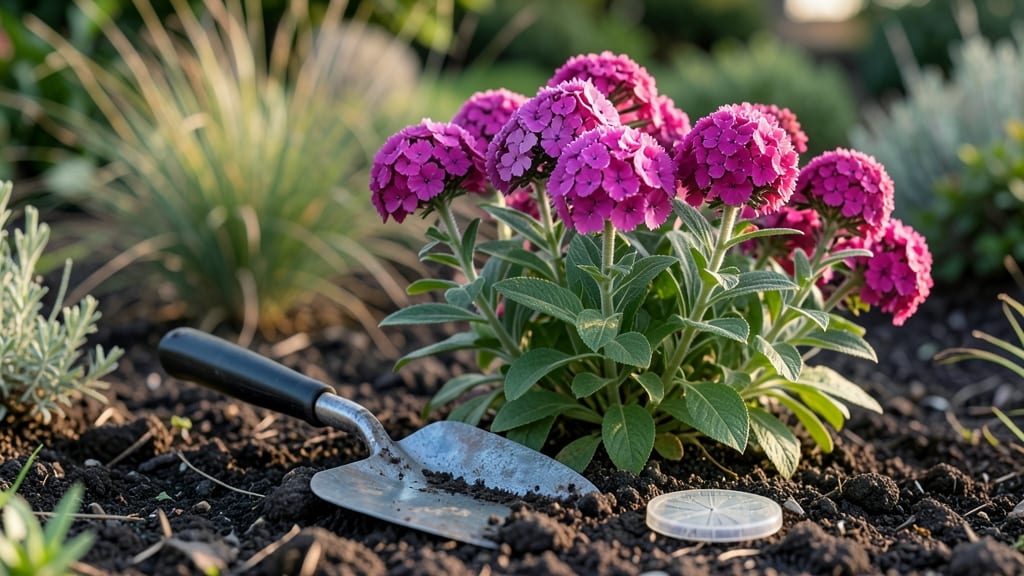
Do phlox like sun or shade—it depends on the variety, but most still need at least 6 hours of sunlight daily for vibrant blooms 🌸—too little light and you’ll get weak stems and sparse flowers.
Picture this: you’ve spent weeks nurturing your phlox, only to watch them stretch toward the sky like they’re begging for more light. Or worse, they wilt under the midday sun, their petals scorched before they even open.
The right light balance is the key to phlox that bursts with color from June through August.
Not all phlox are created equal—garden phlox (like Phlox paniculata) craves full sun, while woodland varieties (such as Phlox divaricata) thrive in partial shade. In hotter climates like USDA Zone 6a, a little afternoon shade can save your plants from heat stress while still delivering stunning blooms.
In this guide, I’ll break down the exact light needs for each type, how to spot when your phlox is struggling, and the best placement tricks to keep them happy all season long—whether you’re working with a sunny border or a shady corner.
 Best Window Placement
Sunlight requirements for different phlox varieties: full sun vs. partial shade guide
Phlox plants are garden superstars, offering clusters of vibrant blooms that attract pollinators and brighten borders. But not all phlox varieties thrive under the same light conditions.
Some crave full sun exposure, while others prefer partial shade to prevent scorching. Understanding these differences is key to growing healthy, blooming phlox all season long.
If you’ve ever wondered, "Do phlox like sun or shade?", the answer depends entirely on the variety. Garden phlox (Phlox paniculata) and creeping phlox (Phlox subulata) have very different light needs compared to woodland phlox (Phlox divaricata).
Planting them in the wrong light can lead to weak stems, sparse blooms, or even plant death.
For example, garden phlox thrives in full sun to partial shade, producing its best blooms when it gets at least 6 hours of sunlight daily. Meanwhile, woodland phlox prefers partial to full shade, especially in hotter climates where direct sun can cause leaf burn.
Knowing these preferences helps you design a garden layout that keeps each variety happy.
Here’s a quick guide to help you decide where to plant each type in your garden:
| Phlox Type | Ideal Sunlight | Tolerates | Best Garden Placement |
|---|---|---|---|
| Garden Phlox (Phlox paniculata) | Full sun to partial shade | 6+ hours sun; afternoon shade in hot zones | Back of borders, sunny perennials beds |
| Creeping Phlox (Phlox subulata) | Full sun to partial shade | 6+ hours sun; drought-tolerant in shade | Rock gardens, sunny slopes, ground cover |
| Woodland Phlox (Phlox divaricata) | Partial to full shade | 2-4 hours sun; avoid hot sun | Woodland gardens, shady borders, under trees |
When planting garden phlox, aim for a spot with morning sun and afternoon shade in hot climates. This prevents the leaves from scorching while still providing enough light for vibrant blooms. In cooler regions, they can handle full sun all day, producing even more flowers.
For creeping phlox, full sun is ideal, especially if you want a dense carpet of color in early spring. However, in areas with intense afternoon sun, partial shade helps prevent the foliage from drying out.
This variety is perfect for rock gardens or slopes where it can spill over edges beautifully.
Woodland phlox, on the other hand, thrives in dappled shade or understory conditions. Plant it near trees or along the north side of your house where it gets indirect light. Too much sun can cause the leaves to yellow or crisp, ruining the plant’s delicate appearance.
Pro tip: If your garden has limited sunlight, choose woodland phlox varieties like ‘Clouds of Perfume’ or ‘Blue Ridge’. For sunny spots, garden phlox like ‘David’ or ‘Jeana’ will reward you with tall, dramatic blooms.
Mixing varieties in your garden layout ensures you get color all season long, from early spring to late summer.
To maximize blooms, mulch around your phlox plants with 2-3 inches of organic mulch to retain moisture and regulate soil temperature. This is especially important for sun-loving varieties, which can dry out quickly in hot weather.
Water deeply once or twice a week, depending on your climate, to encourage strong root growth and abundant flowers.
By matching each phlox variety to its ideal light conditions, you’ll create a stunning, low-maintenance garden that thrives year after year. Whether you’re a seasoned gardener or just starting, getting the light right is the first step to growing phlox that bursts with color.
Signs your phlox isn’t getting the right light (and how to fix it)
Your phlox plants may look healthy at first glance, but subtle clues reveal whether they’re basking in ideal conditions or struggling with too much—or too little—sunlight. Leggy stems and pale blooms are classic red flags that your phlox isn’t getting the right light balance.
These issues often appear when plants stretch toward light or fail to produce vibrant flowers due to insufficient energy.
Another common sign is wilting during peak afternoon sun, especially in hot climates. Phlox can handle full sun exposure, but when temperatures soar above 85°F (29°C), even sun-loving varieties like Phlox paniculata may show stress.
Conversely, phlox left in deep shade often produces fewer blooms and develops weak stems that flop over, signaling a lack of light for photosynthesis.
🚨 callout warning
Phlox thrives in 6 hours of sunlight but can’t handle sudden light changes. If you move potted phlox from shade to full sun, leaf scorch or wilting may appear within 2-3 days. Acclimate plants gradually by increasing sun exposure over 1-2 weeks.
💡 Quick Fix: Use dappled shade cloth (30-50% coverage) to ease transitions.
To diagnose light issues, observe your phlox’s growth pattern. Healthy phlox grows 2-3 feet tall with sturdy stems and compact blooms. If stems stretch beyond 3 feet or flowers appear small and sparse, your plant is likely light-deprived.
On the flip side, yellowing leaves or brown leaf edges indicate too much direct sun, especially in afternoon hours.
Fixing light issues starts with pruning and mulching. For over-sunned phlox, prune back 1/3 of the plant to reduce stress and apply 2-3 inches of mulch to retain moisture.
If your phlox is under-lit, consider relocating it to a south-facing border or east-facing bed for gentle morning sun. For container-grown phlox, move pots to a sunniest spot or supplement with a grow light for 4-6 hours daily.
For woodland phlox varieties like Phlox divaricata, partial shade is ideal, but even these prefer at least 3-4 hours of morning sun.
If your garden has hot afternoon sun, plant phlox near taller shrubs or trees to filter harsh rays while still allowing dappled sunlight to reach the foliage. Pairing phlox with hostas or ferns creates a natural shade canopy that protects delicate blooms.
Finally, adjust your watering schedule based on light exposure. Phlox in full sun needs deep watering every 3-5 days, while those in partial shade can go 5-7 days between waterings.
Always water at soil level to avoid wetting leaves, which can lead to fungal diseases like powdery mildew—especially in humid, shady conditions. With the right light balance, your phlox will reward you with bold, long-lasting blooms all season long. 🌸