
Light Requirements
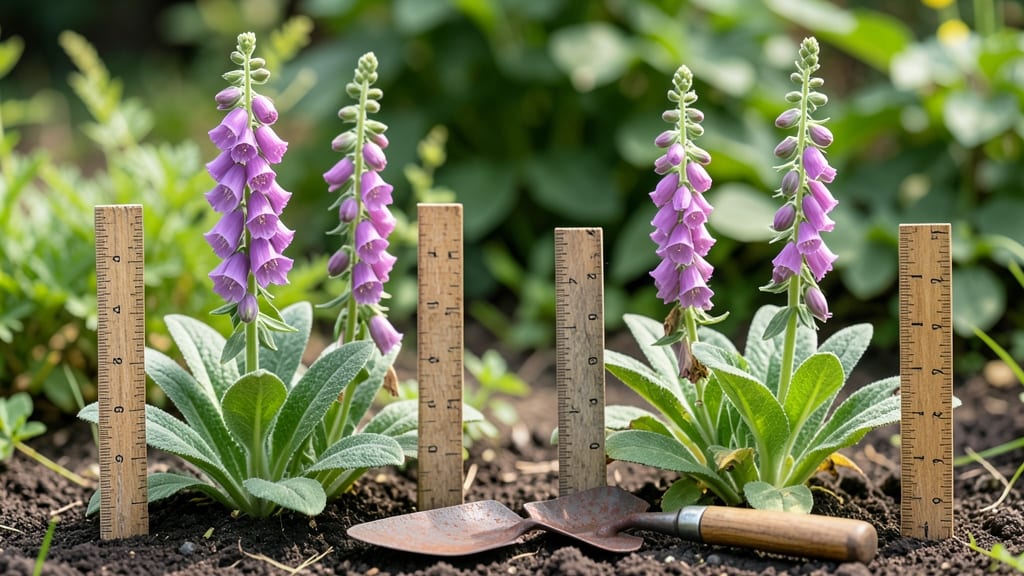
Foxglove thrives in full sun or shade, but the secret to those showstopping 🌸 blooms lies in understanding its light preferences—most gardeners get this wrong.
Picture this: You’ve waited all spring for your foxglove to bloom, only to find sparse flowers or leggy stems. The culprit? Too much direct afternoon sun or, ironically, too little light. Foxglove isn’t picky, but it does have preferences—and knowing them can turn your garden into a fairy-tale display.
In full sun, foxglove rewards you with bigger, bolder blooms, but only if your climate isn’t scorching. In cooler regions like USDA Zone 6a, it handles all-day sun like a champ. Meanwhile, shade-loving varieties shine in dappled light, where they avoid wilting and produce longer-lasting flowers.
Below, I’ll break down the exact light conditions foxglove craves, how to adjust for your garden’s microclimate, and the telltale signs your plant is begging for a spot change. Ready to grow foxglove that steals the show?

Foxglove sunlight needs: full sun vs shade tolerance explained
Most gardeners assume foxglove thrives only in partial shade, but this tall perennial actually handles far more sun than you’d expect. In fact, full sun exposure can produce larger blooms with more vibrant colors—if you meet a few key conditions.
The myth likely stems from foxglove’s native European habitats, where it grows in woodland edges with dappled sunlight. But modern cultivars have adapted beautifully to sunny gardens when given proper care. Let’s break down how to maximize foxglove’s potential in both sunny and shady conditions.
Understanding your garden’s microclimate is the first step. Foxglove’s tolerance varies by region and season. In hot, dry climates (like Zone 8-10), afternoon shade protects leaves from scorching, while in cooler zones (like Zone 4-6), it can bask in 6+ hours of direct sun without stress.
Even within one garden, a north-facing border might get only morning sun, while a south-facing bed could receive intense afternoon heat. Assessing these differences ensures you place foxglove where it’ll thrive—not just survive.
| Light Condition | Sunlight Hours | Bloom Size | Color Intensity | Growth Habit | Best For |
|---|---|---|---|---|---|
| Full Sun (6+ hours) | 6–8 hours | Large, bold spikes | Vibrant, deep hues | Taller stems (4–6 ft) | Cooler climates (Zones 4–6) |
| Partial Sun (3–6 hours) | 3–5 hours | Medium-sized blooms | Bright but slightly muted | Compact growth (3–4 ft) | Transitional zones (Zones 7–8) |
| Partial Shade (2–3 hours) | 2–3 hours | Smaller, delicate spikes | Soft, pastel tones | Slender stems (2–3 ft) | Hot climates (Zones 9–10) |
| Deep Shade (<2 hours) | <2 hours | Minimal blooms | Pale, washed-out colors | Leggy, weak growth | Avoid (unless using shade-tolerant cultivars) |
The color intensity of foxglove blooms is directly tied to sunlight. Plants grown in full sun develop deeper purples, pinks, and whites, while those in partial shade often produce softer, pastel shades.
For example, the ‘Excelsior’ variety turns a stunning deep magenta when given 6 hours of sun, but may fade to a muted rose in shadier spots. If you’re growing foxglove for cut flowers, prioritize sunnier locations to extend vase life and maintain vibrancy.
Regional adaptations matter more than you might think. In Pacific Northwest gardens, foxglove thrives in full sun because cool summers prevent leaf burn. But in Arizona or Texas, the same plant would need afternoon shade to prevent wilting or browning.
Start by observing how sunlight moves through your garden. Notice if afternoon shadows shift during summer solstice—this helps predict where foxglove might need temporary shade cloth on hot days. A simple trick: Place a white board in potential planting spots for a week to track sunlight patterns.
One common misconception is that foxglove needs shade to prevent bolting (premature flowering). However, bolting is usually caused by stress from heat or drought, not sunlight itself. If your foxglove bolts too early, check for overcrowded roots or poor soil moisture rather than blaming the sun.
In fact, well-watered foxglove in full sun often produces longer stems and more flowers than shaded plants. The key is consistent moisture—foxglove in sun needs 1–1.5 inches of water weekly.
For container gardening, sunlight needs change dramatically. A 5-gallon pot of foxglove in full sun may require daily watering in summer, while the same plant in partial shade could go 5–7 days between waterings. Choose terracotta pots for sun exposure—they wick away moisture faster than plastic.
If growing foxglove in containers, place them where they’ll get morning sun and afternoon shade, especially in Zone 9+ gardens. This balance prevents root rot while still encouraging vigorous blooming.
Seasonal adjustments are crucial. In spring and fall,
How to grow foxglove in full sun: pro tips for thriving blooms
Growing foxglove in full sun might seem risky—this plant has a reputation for preferring shade—but with the right approach, you can coax vibrant blooms and lush foliage. The key lies in soil moisture retention, strategic watering, and choosing the right location.
Many gardeners overlook how afternoon shade can protect foxglove from leaf scorch while still allowing morning sun exposure. Let’s unlock the secrets to thriving foxglove in sunny spots.
First, understand that foxglove’s sun tolerance varies by climate. In cooler regions like USDA Zone 4-6, foxglove can handle 6+ hours of direct sun daily, while hotter zones (Zone 7+) need morning sun with afternoon shade.
The goal is to balance sunlight with moisture retention—foxglove roots despise drying out. Start by amending your soil with organic matter like compost or well-rotted manure to improve water retention without compacting the soil.
- 🌿 1. Test & Amend Soil: Aim for 6.0-7.0 pH with 30% organic content (compost + peat moss).
- 💧 2. Water Deeply: 1-1.5 inches weekly (morning only) to prevent root dehydration.
- ☀️ 3. Provide Afternoon Shade: Use lightweight shade cloth (30-50%) in hot climates.
- 🌱 4. Mulch Heavily: 3-inch layer of mulch (straw or wood chips) to retain moisture.
- 🌸 5. Deadhead Sparingly: Remove spent blooms to encourage second flushes in mild climates.
- 🌿 6. Fertilize Lightly: Balanced 10-10-10 in early spring only—over-fertilizing causes leafy growth over blooms.
One of the biggest mistakes gardeners make is overwatering foxglove in full sun. While consistent moisture is crucial, waterlogging leads to root rot and stunted growth. Instead, focus on deep, infrequent watering—aim for 1-1.5 inches per week, delivered in the early morning to reduce evaporation.
A drip irrigation system works best, as it delivers water directly to the roots without wetting the foliage (which can promote fungal diseases).
For maximum bloom production, pair foxglove with companion plants that share its water needs. Try columbine, delphinium, or Russian sage—these plants thrive in similar conditions and provide visual contrast while suppressing weeds.
Avoid planting foxglove near aggressive spreaders like mint or creeping charlie, which compete for moisture and nutrients. In container gardens, use large pots (18+ inches deep) with fast-draining mix (60% soil, 30% perlite, 10% compost) to prevent water pooling.
Watch for signs of stress like yellowing leaves or drooping flower spikes, which often indicate underwatering or excessive heat stress. If you notice leaf scorch (brown edges on leaves), provide immediate afternoon shade and increase mulch thickness.
In extreme cases, bolting (premature flowering) can occur due to heat—this reduces bloom quality. To combat this, prune back leggy stems in early summer to encourage bushier growth.
Seasonal care is just as important as daily maintenance. In late summer, reduce watering slightly to prep plants for dormancy, but keep soil lightly moist until the first frost. After flowering, leave seed pods on the plant for natural reseeding (foxglove self-sows readily).
In spring, cut back dead foliage to 6 inches tall to encourage fresh growth. With these pro tips, your foxglove will reward you with showstopping blooms year after year—even in full sun!