
Light Requirements
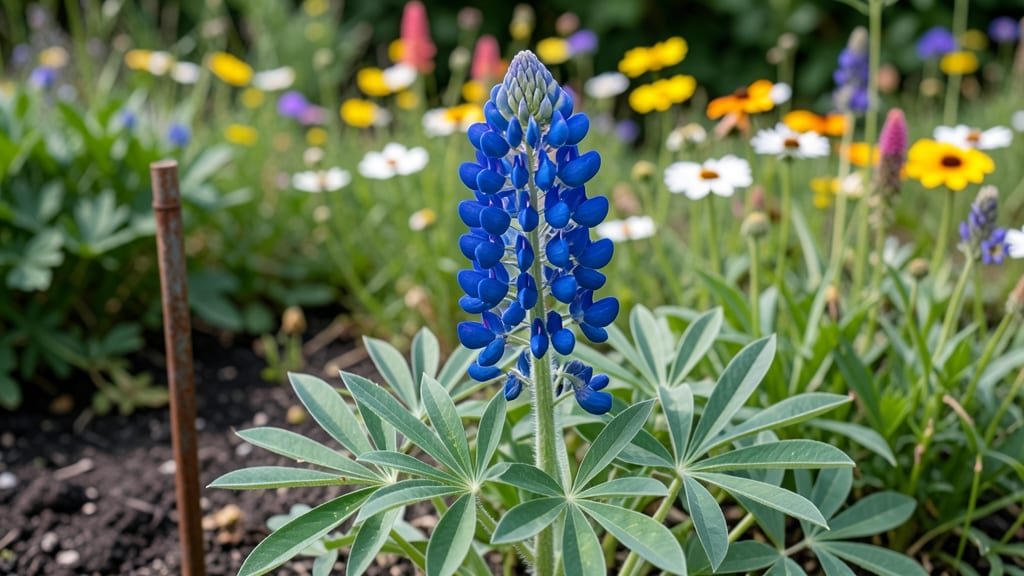
Growing lupines in full sun or shade depends entirely on your climate and the variety you choose — but most gardeners get this wrong, and it shows in their blooms.
Picture this: your 🌸 lupine plants are leggy and sparse, their flowers half the size they should be, all because you assumed "sun-loving" meant "scorching afternoon rays." The truth? Lupines are adaptable, but their light needs shift with temperature and soil moisture.
Too much sun in hot zones can stress them, while too little light in cooler climates stunts their growth.
In USDA Zone 6a, where spring arrives late, lupines often do better with morning sun and afternoon shade — a balance that keeps roots cool and blooms abundant.
Meanwhile, in warmer regions, they’ll reward you with taller stems and brighter flowers if planted in full sun, provided the soil stays moist. The key isn’t just sun or shade; it’s matching the light to your lupine’s natural rhythm.
Below, I’ll break down the exact light conditions that trigger stronger stems, more flowers, and fewer stress signals — plus how to adjust watering and soil based on where you plant them. No guesswork, just science-backed tips to turn your lupines into the showstopper they’re meant to be.

Lupine light requirements: full sun vs. partial shade explained
Lupines are stunning perennials that can transform your garden with their vibrant blooms, but their light requirements often confuse gardeners. While they’re famously adaptable, 6-8 hours of sunlight unlocks their full potential.
Too little light leads to leggy stems and sparse flowers, while too much can scorch leaves in hot climates. Let’s break down the science and practical tips to get your lupines thriving.
The key to lupine success lies in understanding their native habitat preferences. Wild lupines grow in open meadows and coastal cliffs, where they experience bright, filtered light.
This means they tolerate partial shade but perform best with morning sun and afternoon shade in warmer regions. The trick is balancing intensity—lupines hate intense midday heat without relief.
Here’s where many gardeners go wrong: assuming all lupines handle full sun equally. Tall varieties like Lupinus polyphyllus (Russian lupine) thrive in full sun, while dwarf types like Lupinus nanus prefer partial shade. Even within species, leaf color (silvery vs. green) affects light tolerance. Let’s compare their needs in detail.
Science backs up this variety-specific approach: lupines use photosynthesis efficiency to adapt. In full sun, they develop thicker cuticles to retain moisture, while shade-grown lupines prioritize leaf surface area for light capture.
This explains why sunburned leaves (brown patches) appear on full-sun plants in dry climates—even though lupines can handle full sun.
Another critical factor is soil temperature. Lupine seeds need warm soil (60°F+) to germinate, but established plants in hot, dry climates suffer without afternoon shade. I’ve seen lupines wilt dramatically in 100°F+ heat unless given dappled light.
The solution? Plant them where they get morning sun and afternoon shade—this mimics their native coastal habitats.
Let’s address the most common mistakes gardeners make. First, assuming all lupines are sun-lovers. Wild lupines (Lupinus perennis) often fail in full sun because they’re adapted to woodland understories. Second, overcrowding plants in shade—lupines need air circulation to prevent fungal issues like powdery mildew.
Finally, ignoring leaf color cues: silvery foliage varieties (like Lupinus ‘Silver Showers’) need more light than deep green types.
For container growing, lupines in full sun require daily watering to prevent soil drying, while shade-grown plants need weekly checks. I recommend using self-watering pots for sun-exposed lupines—they dry out faster. In ground plantings, mulch heavily (3-4 inches) to regulate soil temperature, whether in sun or shade.
Pro tip: Test your garden’s light conditions with a light meter app (like Light Meter for iOS). Lupines thrive in 4,000-6,000 foot-candles of light. If your spot measures below 3,000 foot-candles, choose shade-tolerant varieties or supplement with a grow light during winter.
Remember, lupines are perennials with patience. First-year plants focus on root growth, so don’t expect dramatic blooms. By year two, proper light exposure will reward you with taller stems and more flowers.
If your lupines look leggy or pale, they need more light. If leaves yellow or crisp, they’re getting too much sun—move them to dappled shade immediately.
How to adjust lupine care for sun or shade conditions
Lupines are stunning perennials that adapt surprisingly well to different light conditions—but their care shifts dramatically based on whether they’re basking in full sun or tucked into shade.
In full sun, your lupines will reward you with bold, vibrant blooms and sturdy stems, but they’ll need extra attention to prevent stress. Meanwhile, in partial shade, they’ll grow slower but stay healthier in hot climates. Let’s break down how to tailor your care routine for each scenario.
First, let’s address the most common mistake: assuming all lupines thrive equally in both conditions. While they’re famously adaptable, soil moisture and air circulation become critical factors when adjusting light exposure.
For example, lupines in full sun dry out faster, while those in shade may develop leggy stems if they stretch toward any available light. Understanding these nuances is key to keeping your plants happy and blooming.
- Yellowing leaves in full sun? Your lupine is overheating—increase shade or mulch heavily.
- Leggy, sparse growth in shade? It’s light-starved—move to brighter conditions or prune for bushiness.
- Wilting despite watering? The roots may be rotting from poor drainage in shade.
Act fast—these signs can lead to permanent decline if ignored.
When caring for lupines in full sun, prioritize well-draining soil to prevent root rot from heat stress. Amend your soil with compost or sand if it’s heavy clay, and water deeply once a week (more in extreme heat).
Mulch with gravel or straw to retain moisture and keep roots cool. In contrast, lupines in partial shade (4-6 hours of sun) need slightly more frequent watering—every 5-7 days—since their soil stays moister longer.
Fertilizing also changes based on light. Lupines in full sun benefit from a light feeding of 10-10-10 fertilizer in early spring to boost flowering, while shaded lupines may not need extra nutrients unless their growth stalls.
Always fertilize in the morning to avoid burning leaves, and avoid high-nitrogen formulas, which promote foliage over blooms.
Pruning is another light-dependent task. In full sun, deadhead spent blooms regularly to encourage more flowers, but avoid cutting back more than one-third of the plant at a time.
In shade, prune lightly in early spring to shape leggy growth and redirect energy to flowering. Never prune after mid-summer, as lupines need time to harden off before winter.
Finally, monitor your lupines’ foliage color and stem strength as seasonal light shifts. If your lupines suddenly droop in summer, they may need temporary shade cloth (30-50% shade).
Conversely, if they’re struggling in winter shade, consider moving containers to a sunnier spot or using artificial grow lights for 6-8 hours daily.
With these adjustments, your lupines will thrive whether they’re soaking up full sun or basking in dappled shade. The key is observing their cues and adapting your routine seasonally—your plants will thank you with healthier growth and longer blooming seasons. 🌸