
Light Requirements
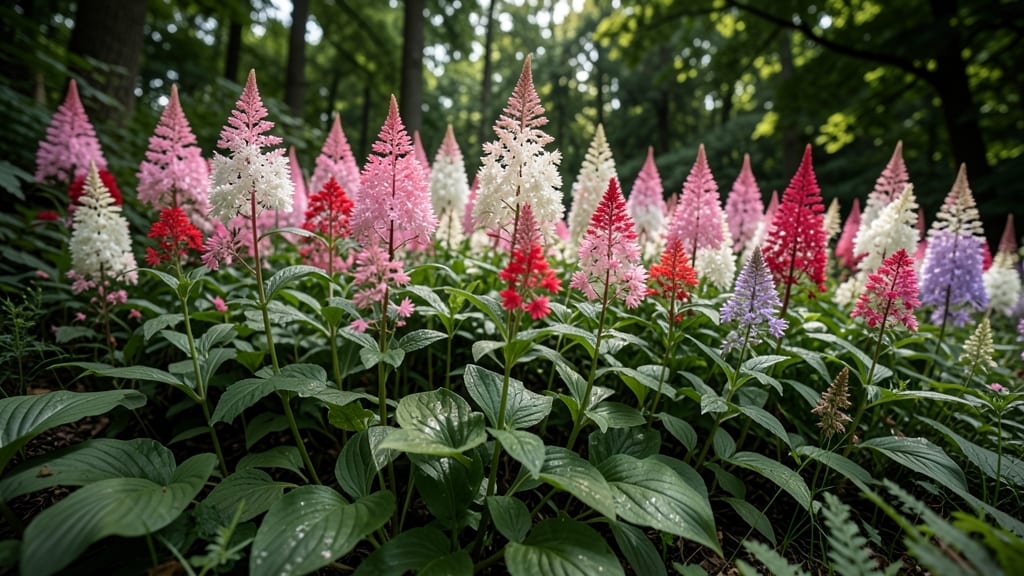
Struggling to grow vibrant flowers in your shady garden? These seven low-maintenance bloomers thrive in partial shade while adding color and life to your outdoor space with minimal effort.
Hostas with Lavender Blooms
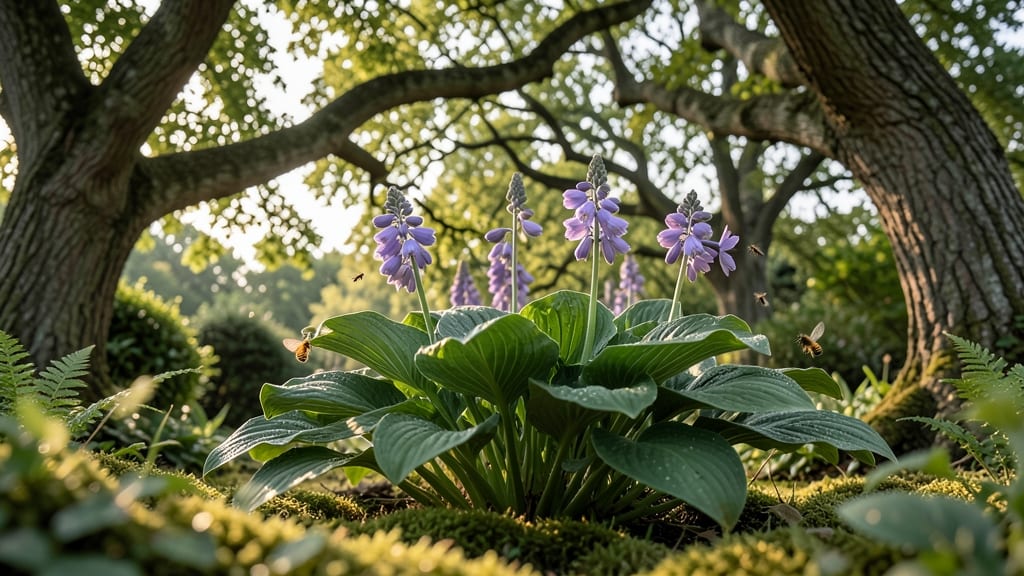
Want a shade garden that’s both stunning and effortless? Hostas with lavender blooms combine lush foliage with delicate purple flowers, creating a two-season show without demanding extra care. These perennials thrive in partial shade and even attract pollinators, making them a gardener’s secret weapon.
Most hostas focus on foliage, but varieties like 'Halcyon' or 'June' produce striking lavender flower spikes that rise above the leaves in summer. They’re happy with occasional watering once established and tolerate most soil types, including clay. For best results, plant in well-draining soil and mulch to retain moisture.
Perfect for beginners or busy gardeners, these hostas deliver year-round interest—even after blooms fade, their bold leaves keep the show going. Add them to borders, woodland gardens, or containers for instant shade-friendly drama. 🌿
Bleeding Heart Flowers
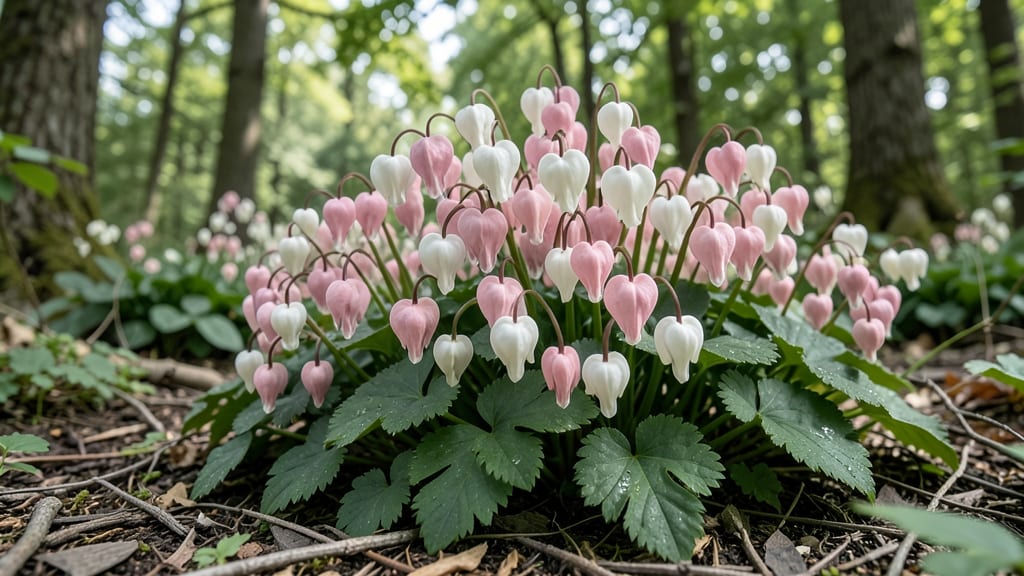
If you dream of a romantic garden that feels like a secret woodland retreat, bleeding heart flowers (Dicentra spectabilis) are your perfect match. These delicate, heart-shaped blooms cascade like pink and white waterfalls, creating a whimsical focal point that’s as easy to grow as it is beautiful.
Ideal for woodland conditions, they thrive in partial shade with moist, well-drained soil—think dappled light under trees or along north-facing borders. Unlike many shade plants, they require minimal fertilizer; a light application of compost in spring is often enough. Plant them in clusters for a dramatic effect, and enjoy blooms from late spring through summer before their lush foliage provides year-round texture.
Perfect for gardeners who love low-maintenance romance, bleeding hearts are especially forgiving for beginners. Pair them with ferns or hostas to extend their seasonal appeal. 💚
Hydrangeas for Shade Gardens
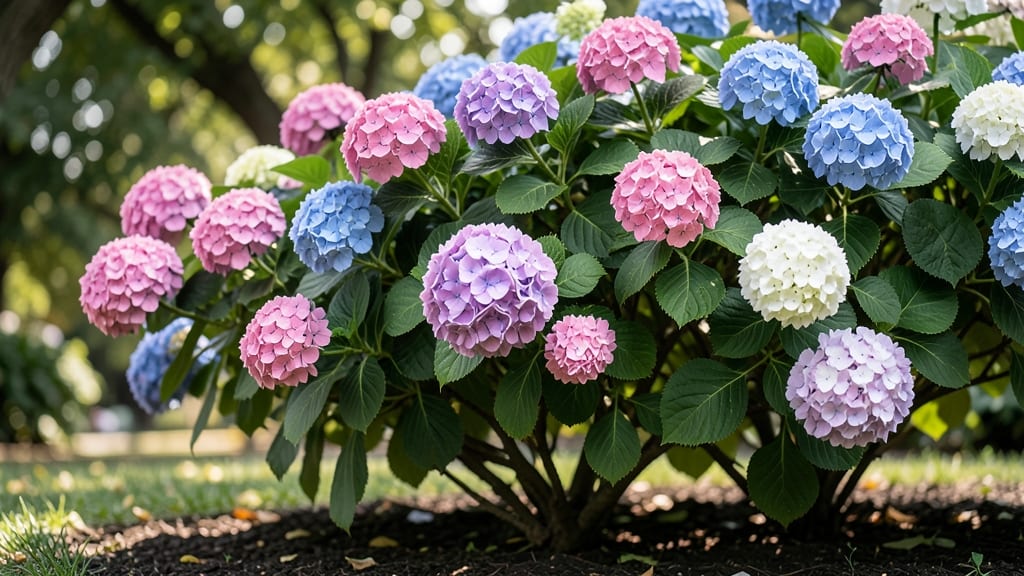
Transform your shady garden into a colorful statement piece with hydrangeas—the ultimate shade-loving shrubs that deliver bold, show-stopping blooms with minimal sunlight. Unlike sun-hungry plants, these thrive in 3-6 hours of partial shade, making them perfect for north-facing yards or tree-filtered spots.
Choose from bigleaf, panicle, or oakleaf varieties to shift colors with soil pH—blue in acidic soil, pink in alkaline. Prune spent blooms in late winter to encourage larger, more abundant flowers the following season. Their large, lush foliage also provides year-round structure, even when not in bloom.
Urban gardeners and first-time shrub growers will love how hydrangeas mask less-than-ideal soil while demanding little beyond regular watering. Plant them as focal points or along borders for instant drama. 🌻
Impatiens Annual Flowers
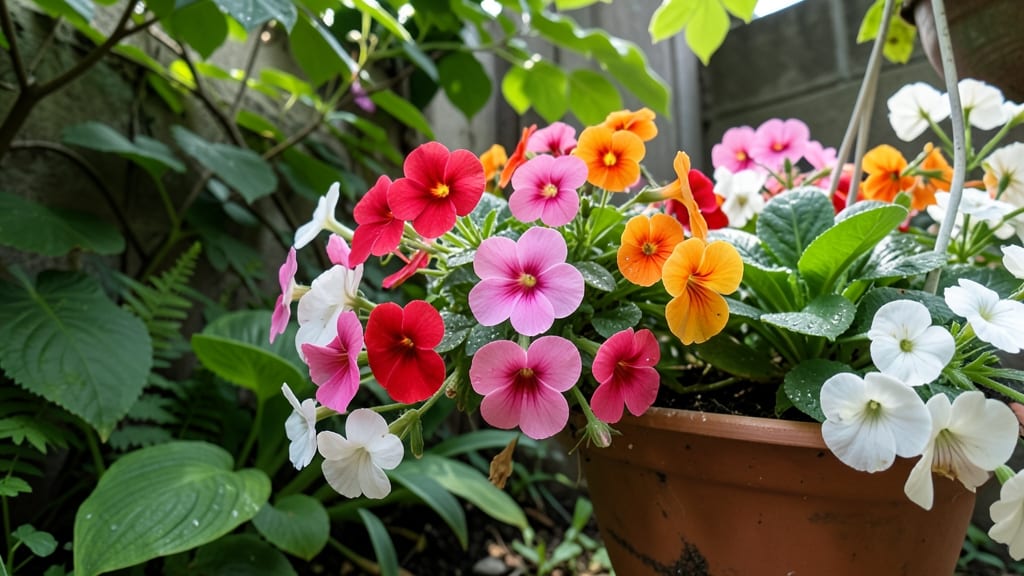
Tired of dull, shade-starved garden spots? Impatiens are the secret weapon for instant color—these cheerful annuals burst into bloom in partial shade where other flowers struggle. Their vibrant blooms come in shades of pink, red, orange, and white, making them perfect for containers, hanging baskets, or garden beds.
Unlike perennials, impatiens deliver nonstop color from spring until frost, thriving in moist, well-draining soil with morning sun or dappled shade. They’re especially forgiving for beginners—just keep soil consistently damp (they wilt quickly in dry conditions) and pinch back leggy stems for bushier growth. Their compact size (12-18 inches tall) makes them ideal for urban balconies or as underplanting for taller shrubs.
Urban gardeners and container lovers will adore how impatiens transform shady corners into lively displays with almost no effort. Just avoid overhead watering to prevent mildew—these cheerful bloomers will reward you with months of effortless beauty. 🌻
Japanese Anemones
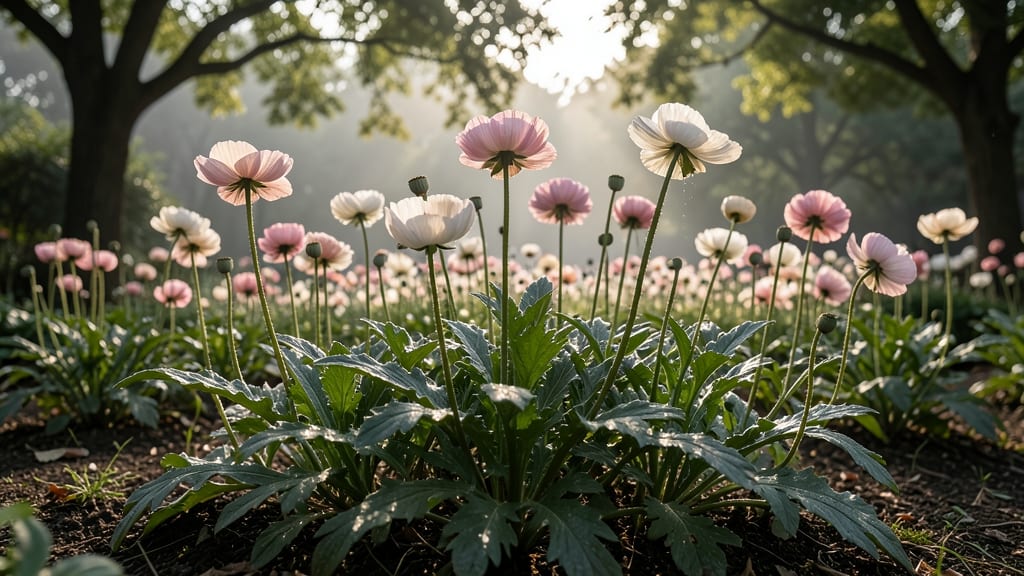
When your garden needs a dramatic late-season showpiece, Japanese anemones deliver effortless elegance with their delicate, papery blooms. Unlike spring ephemerals, these perennials shine in September and October, when most shade gardens feel tired and spent.
Plant them in well-drained soil under trees or along shady borders where they’ll reach 3-5 feet tall, towering over hostas and ferns. Deadhead spent blooms to encourage a second flush, but otherwise, they’re low-maintenance—no staking, no fuss. Their drought-tolerant once established, making them perfect for busy gardeners.
Best for gardeners who love height and texture without high-maintenance demands, Japanese anemones pair beautifully with astilbes and hellebores for a layered, woodland-inspired look. 🌻
Astilbe Fern-Like Flowers
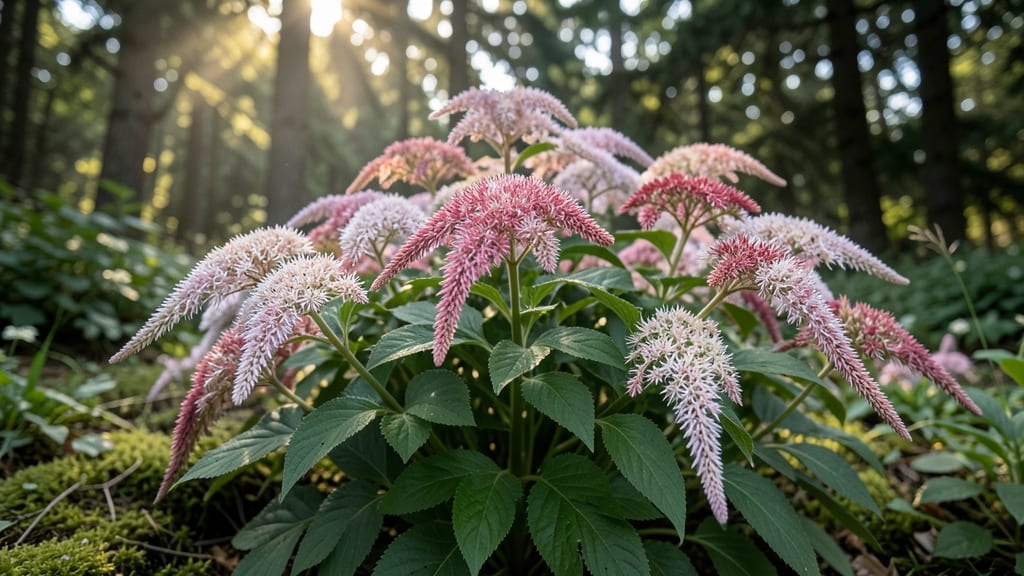
Looking for a shade-loving plant that delivers bold texture and color without fuss? Astilbe transforms shady spots into lush, feathery displays with plumes in pink, red, white, or lavender—all while thriving where other flowers struggle. These perennial powerhouses are the unsung heroes of woodland gardens, offering season-long interest from early summer until frost.
Perfect for moist, well-drained soil under trees or along north-facing borders, astilbe tolerates 3-6 hours of filtered light and even handles urban conditions with reflected light. Their fern-like foliage adds structure, while the airy plumes attract butterflies and hummingbirds. For best results, mulch to retain moisture (they hate drying out) and cut back stems in early spring—no staking or heavy pruning required.
Ideal for urban gardeners, container lovers, and beginners, astilbe pairs beautifully with hostas and ferns for layered shade gardens. Plant in masses for maximum impact or tuck single stems into borders—either way, you’ll enjoy months of effortless elegance with almost no maintenance. 🌷
Foxgloves for Woodland Gardens
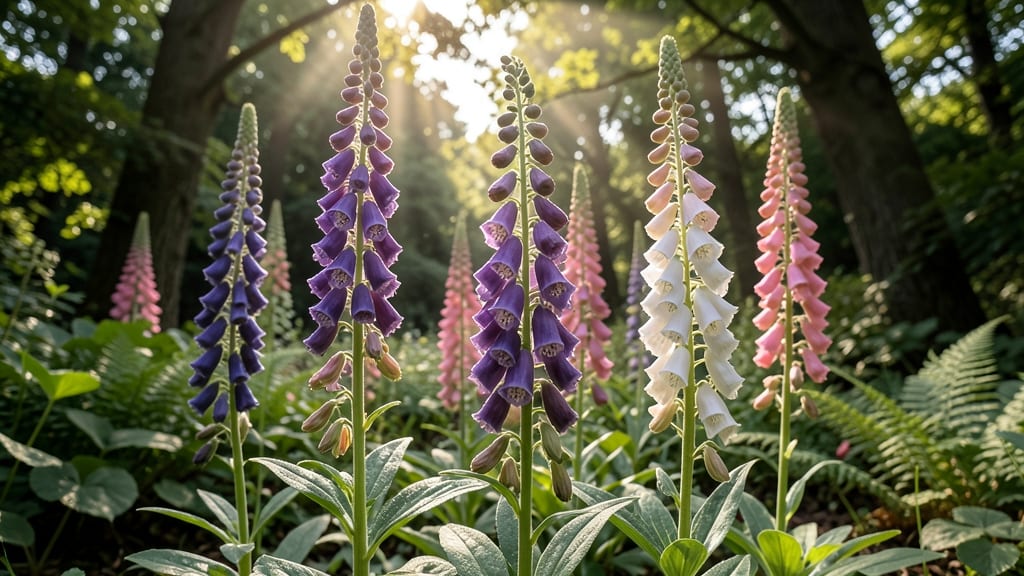
Looking to add vertical drama to your woodland garden without sacrificing shade? Foxgloves (Digitalis) are the answer—towering spikes of bell-shaped flowers that reach 3-5 feet tall, creating natural focal points in dappled sunlight. Their hummingbird-friendly nectar makes them a pollinator magnet, while their rugged nature means they thrive in poor, well-drained soil where other plants might struggle.
These biennials or short-lived perennials bloom in late spring to early summer with colors ranging from white and pink to deep purple. Plant seeds directly in fall or transplant young plants in early spring, spacing them 12-18 inches apart. While they’re self-seeding, deadhead spent blooms to prevent unwanted volunteers. Foxgloves also tolerate light frost, extending their display in cooler climates.
Perfect for cottage gardens, woodland edges, or as dramatic backdrops for shorter perennials, foxgloves bring old-world charm with minimal care. Gardeners who love low-maintenance height and wildlife-friendly plants will adore how these spikes transform shady corners into enchanting vertical gardens. 🌷