
Flowers
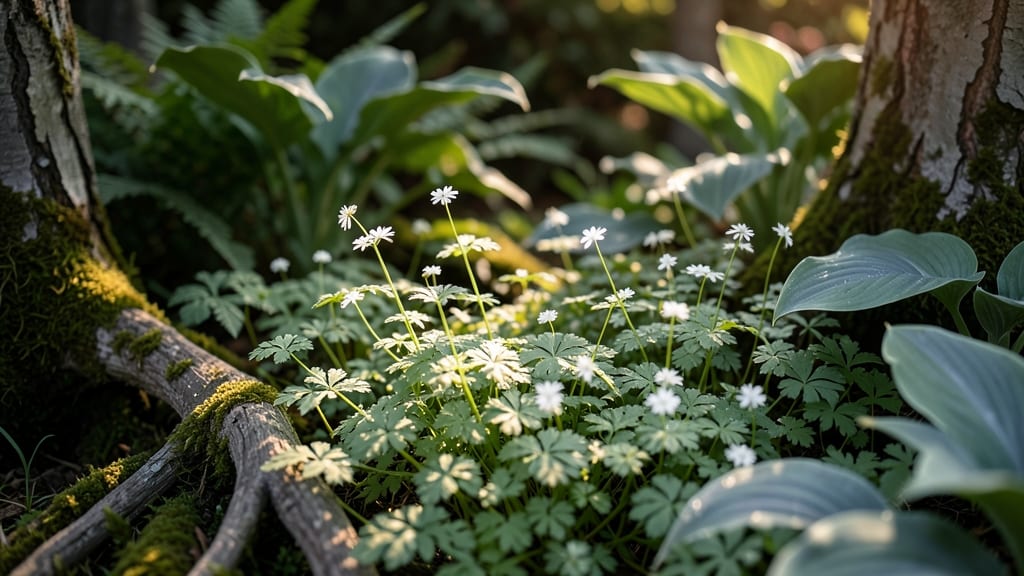
Struggling to make your shady garden spots bloom? These 10 resilient perennial flowers thrive in low light while requiring minimal care, transforming dull corners into vibrant, long-lasting displays that return year after year.
Hostas for Textured Green Leaves
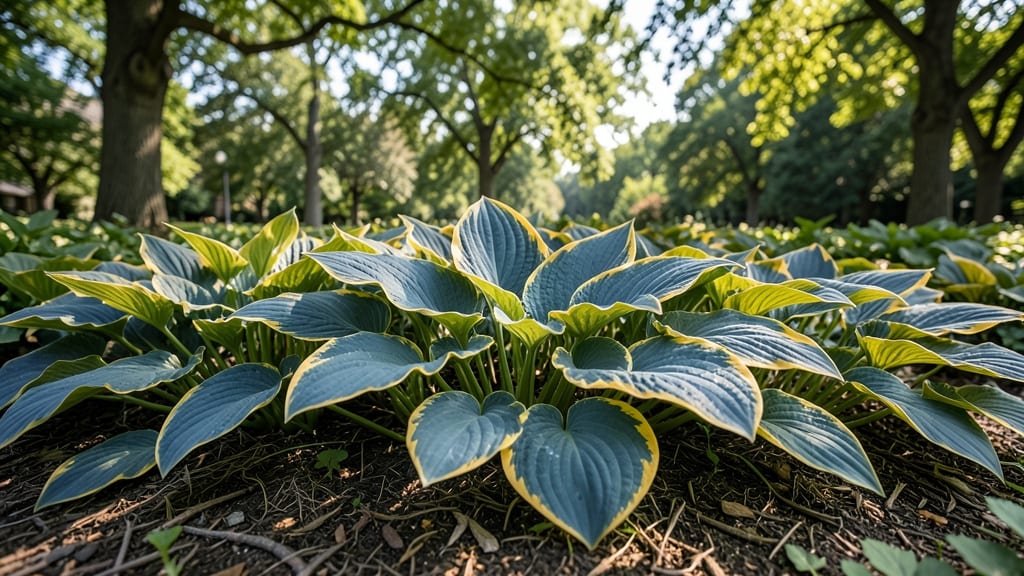
Want a low-maintenance shade plant that thrives while looking stunning? Hostas are the perfect answer—with their lush, textured leaves in shades of blue, green, and gold, they’ll transform any shady spot into a lush, weed-suppressing carpet.
These beginner-friendly perennials grow in almost any soil and prefer partial to full shade, making them ideal for under trees or north-facing beds. Their broad leaves create a dense ground cover that naturally crowds out weeds, saving you time and effort. Choose from dwarf varieties for borders or giant types as statement plants—each offers unique foliage patterns.
Hostas are the ultimate no-fuss choice for gardeners who love foliage over flowers. Their versatility makes them perfect for containers, borders, or woodland gardens, ensuring your shady spots stay vibrant all season. 💚
Bleeding Heart Blooms in Spring
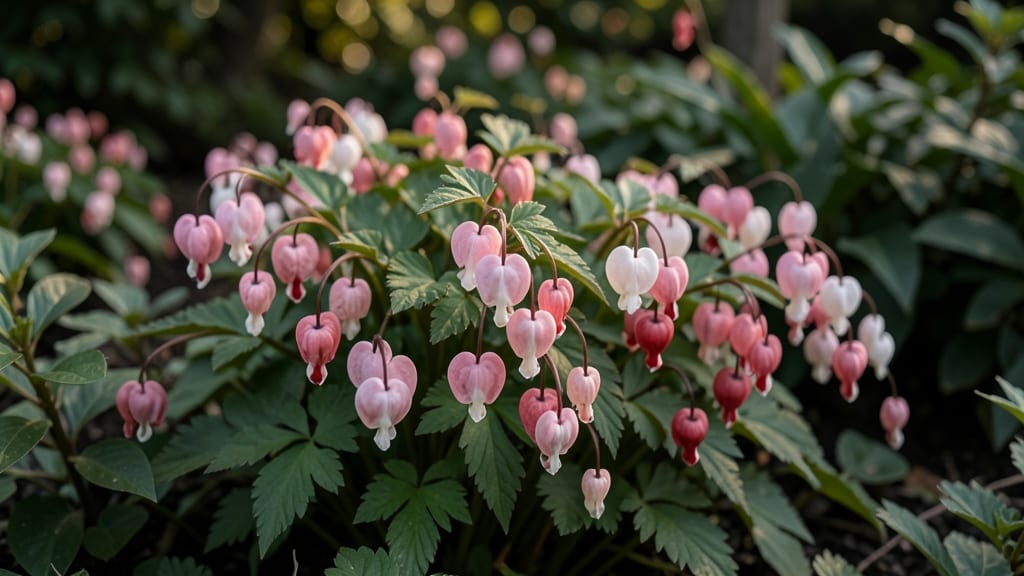
If you crave a romantic, storybook garden without sacrificing shade tolerance, bleeding heart (Dicentra spectabilis) is your secret weapon. This classic cottage-garden staple produces cascading clusters of heart-shaped blooms in soft pink, white, or red—perfect for adding whimsy to dark corners where most flowers struggle.
Unlike many shade perennials, bleeding heart reblooms reliably when given consistent moisture and well-draining soil enriched with organic matter. Plant in partial to full shade (3-6 hours of sun) and water deeply during its active growth period in spring. Deadhead spent blooms to encourage a second flush of flowers, though the first display is always the most dramatic. For experienced gardeners, this plant rewards patience with year-round interest—even its fern-like foliage stays attractive long after blooms fade.
Ideal for gardeners who love textural contrast and seasonal romance, bleeding heart pairs beautifully with hostas or ferns. Just be prepared to divide clumps every few years—they spread happily but can become overcrowded. 🌷
Hellebores for Winter Interest
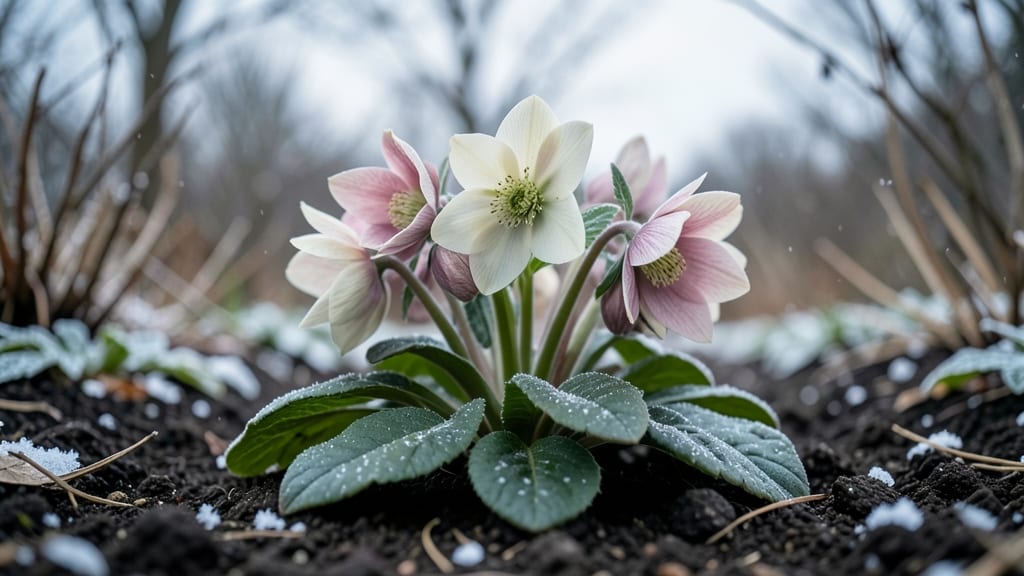
When your garden looks like a blank canvas in winter, helleborus (commonly called hellebores) steps in as the unsung hero. These late-winter bloomers defy the season's dormancy, offering delicate flowers when most perennials are still asleep under snow or frost.
Hellebores thrive in partial to full shade and tolerate poor soil, making them ideal for under trees or rocky areas where other plants struggle. Their nodding blooms—available in whites, pinks, purples, and greens—last for weeks, often lasting into early spring. Deadhead spent blooms to encourage more flowers, but otherwise, they're nearly maintenance-free once established.
Perfect for gardeners who crave year-round interest, hellebores also deter deer and rabbits, making them a practical choice for rural or suburban shade gardens. 🌱
Astilbes with Feathered Plumes
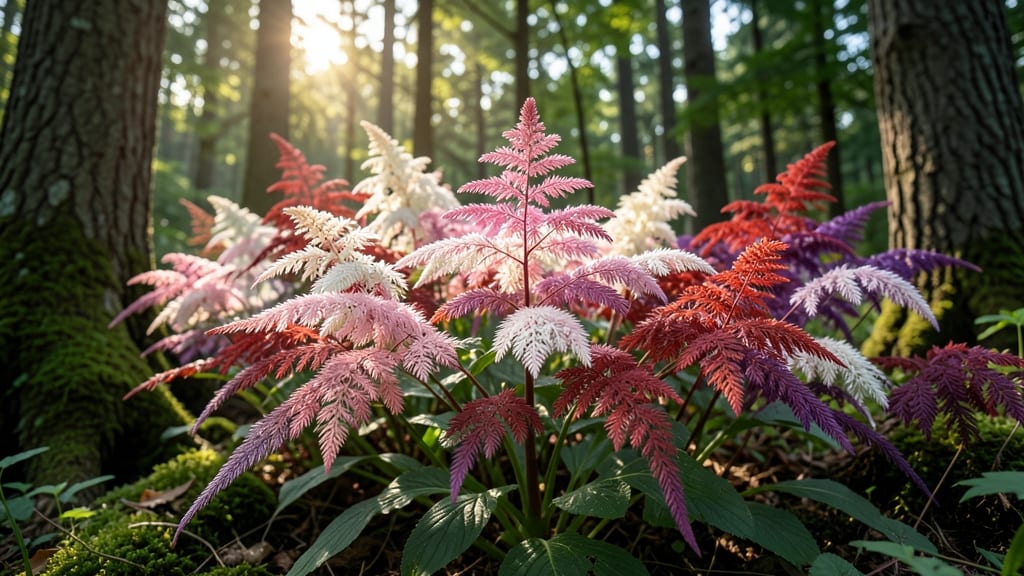
Tired of shady spots that look dull and lifeless? Astilbes bring drama to your darkest corners with their feathered plumes that dance in pink, white, red, or purple—like nature’s own confetti. These shade specialists thrive where others fail, especially in moist, woodland conditions or near ponds where their delicate foliage stays lush all season.
Plant astilbes in partial to full shade (they hate hot afternoon sun) and keep their soil consistently moist but well-draining. Their fern-like leaves provide year-round texture, while summer blooms attract butterflies and hummingbirds. Choose compact varieties like 'Fanal' for borders or tall types like 'Deutschland' for dramatic backdrops. Mulch heavily to retain moisture and suppress weeds—these plants reward your attention with bold color when most shade gardens fade.
Perfect for gardeners who love romantic, layered planting, astilbes pair beautifully with hostas or ferns. They’re also deer-resistant, making them a practical choice for rural or suburban shade gardens. 🌻
Lungwort for Healing Beauty
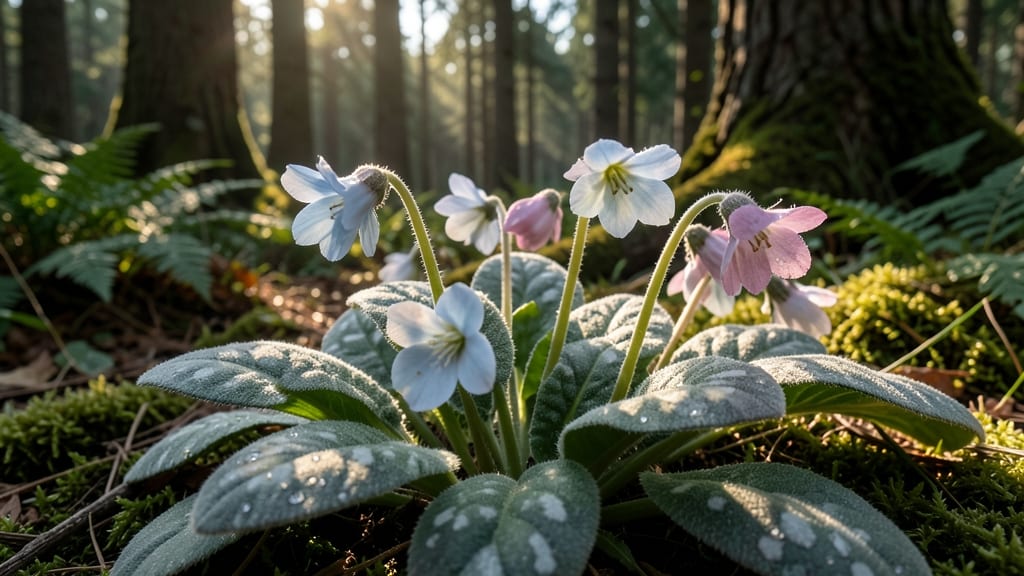
Looking for a shade-loving perennial that combines medicinal heritage with stunning visual appeal? Lungwort (Pulmonaria) delivers both—its silvery-spotted leaves were once used to treat lung ailments, while its delicate blue flowers attract bees early in the season when few other plants bloom.
This hardy plant thrives in partial to full shade and tolerates a wide range of soils, making it ideal for woodland gardens or understory plantings. The unique silver flecks on its leaves fade as they age, creating a natural color transition that adds visual interest. For herbal gardeners, lungwort's leaves contain saponins and can be harvested fresh or dried—just avoid roadsides due to potential contamination.
Perfect for gardeners who love dual-purpose plants, lungwort offers both beauty and practicality. Its early spring blooms provide vital nectar for pollinators, while its evergreen foliage remains attractive through winter. 💚
Japanese Painted Fern
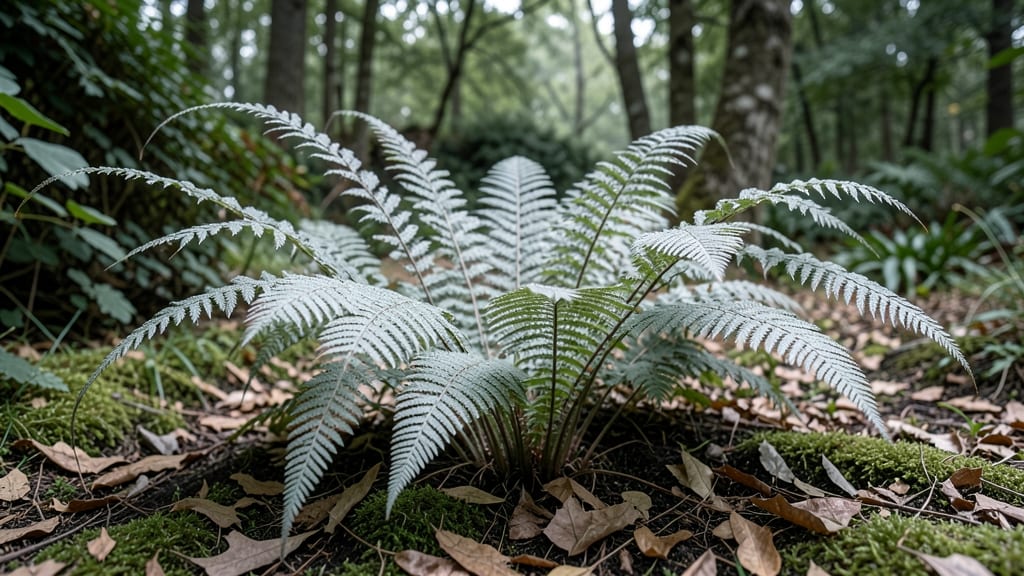
Skip the seasonal drama and embrace year-round texture with the Japanese painted fern (Athyrium niponicum var. pictum)—a shade garden MVP that delivers striking silver-and-green foliage without ever needing flowers. This understated star thrives in partial to full shade, making it perfect for modern gardens where clean lines and subtle elegance matter more than blooms.
Its fronds unfurl in a delicate, layered pattern that catches light beautifully, especially when backlit by dappled sunlight. Unlike flowering perennials, this fern offers consistent interest from spring through winter, with colors deepening as temperatures drop. Plant in moist, well-draining soil enriched with compost, and space 18-24 inches apart for full visual impact. It pairs beautifully with hostas or hellebores for a cohesive, low-maintenance shade palette.
For gardeners who prioritize structure over spectacle, this fern is the ultimate foil to flashy blooms. Its deer-resistant nature makes it a practical choice too—ideal for urban courtyards or woodland edges where maintenance is minimal but style is everything. 💚
Solomon's Seal for Graceful Arches
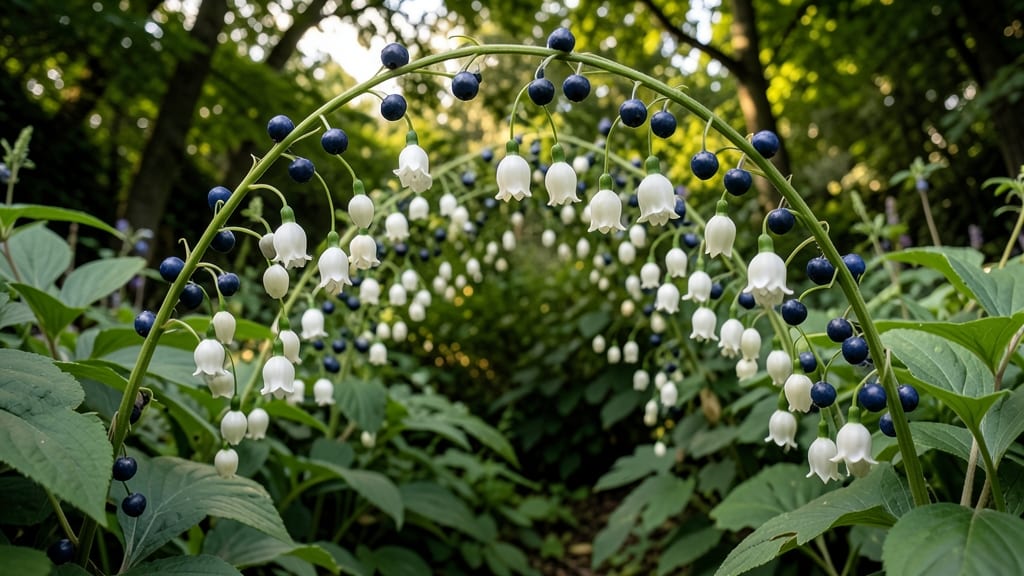
Ready to add a touch of whimsical elegance to your shade garden? Solomon's Seal (Polygonatum) creates natural, arching tunnels with delicate white blooms that transition into striking blue berries—like a living sculpture that evolves through the seasons.
This low-maintenance perennial thrives in partial to full shade and tolerates most soil types, making it perfect for understory planting or woodland gardens. Its graceful, curved stems reach 3-5 feet tall, creating vertical interest without requiring staking. The late spring flowers attract hummingbirds, while the berries provide winter interest for birds and gardeners alike.
Ideal for gardeners who love textural contrast and seasonal transformation, Solomon's Seal pairs beautifully with hostas or ferns. Its deer-resistant nature makes it a practical choice for rural or suburban shade gardens. 🌿
Coral Bells with Variegated Leaves
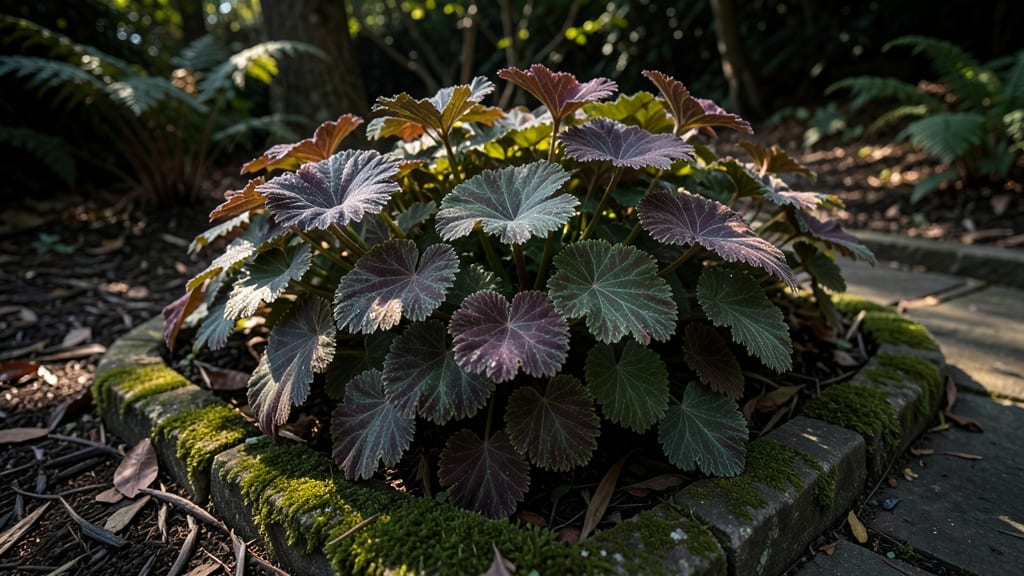
If your shady garden spots feel like forgotten backwaters where most perennials wilt, coral bells (Heuchera) with their variegated leaves are your secret weapon. Unlike fussy shade plants that demand constant moisture, these beauties thrive in dry shade—where many perennials refuse to grow—while delivering bold foliage and cheerful summer flowers.
Choose from purple, silver, or lime-green leaves with striking patterns to create visual drama, then top it off with pink, white, or red flower spikes that hummingbirds adore. Plant in well-draining soil (they hate soggy roots) and water only when the top inch feels dry—these drought-tolerant stars need far less care than moisture-loving astilbes or hostas. For maximum impact, group them with low-growing ferns or sweet woodruff to create a lush, layered look.
Perfect for urban gardeners with dry shade or woodland gardeners who want low-maintenance color, coral bells keep their foliage vibrant all season and reward you with flowers that last from late spring to summer. 💚
Toad Lilies for Dramatic Height
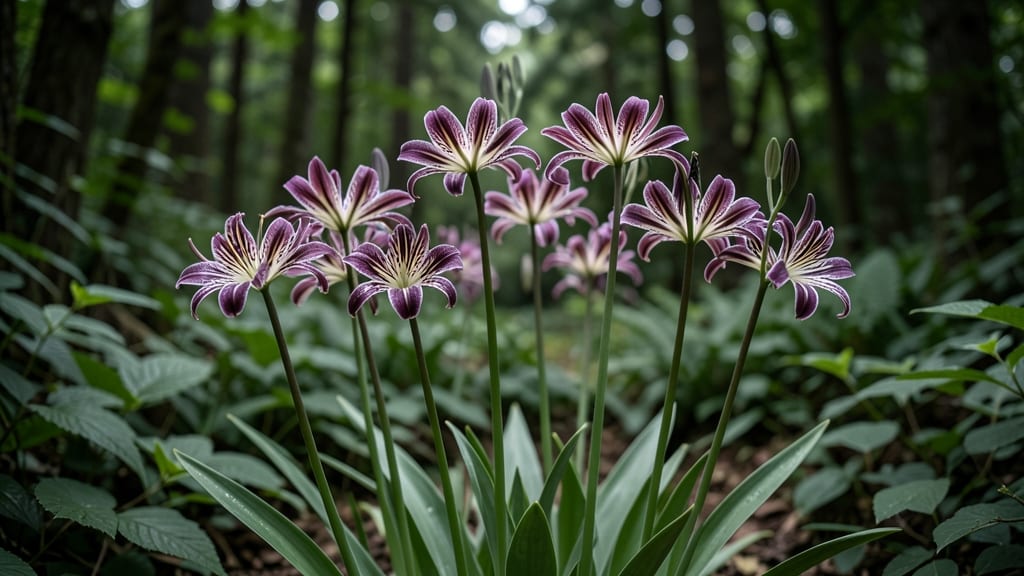
Want to inject tropical drama into your shade garden without needing direct sunlight? Toad lilies (Tricyrtis) deliver bold, exotic-looking blooms on slender stems that reach 2-3 feet tall, creating vertical impact where most shade plants stay low. Their striking purple-and-white striped flowers appear in late summer to fall, when many gardens feel tired.
These woodland natives thrive in partial to full shade and prefer moist, well-draining soil—ideal for understory planting or near ponds. Unlike sun-loving tropicals, toad lilies handle humidity and cooler temperatures beautifully, making them perfect for northern climates. Deadhead spent blooms to encourage more flowers, but otherwise, they're nearly self-sufficient once established.
Perfect for gardeners who love height and contrast, toad lilies pair stunningly with hostas or ferns. Their deer-resistant nature makes them a practical choice too—ideal for shady borders where you want both beauty and resilience. 🌿
Sweet Woodruff for Fragrant Ground Cover

Want to turn a shady garden corner into a fragrant retreat without the fuss? Sweet woodruff (Galium odoratum) is your secret weapon—this delicate ground cover spreads gently while filling gaps between larger shade plants with its lacy foliage and tiny white flowers. Unlike bold bloomers, it thrives under trees where light is dappled, making it perfect for understory planting or woodland gardens.
Crush the leaves for a fresh, vanilla-like scent that lingers in the air—ideal for creating sensory pathways or fragrant borders. It spreads slowly (12-18 inches per year) and prefers moist, well-draining soil, making it a great companion for hostas or ferns. While its blooms are subtle, the foliage's fragrance makes it a standout for gardeners who love scented plants with minimal maintenance.
Perfect for urban gardeners or small spaces, sweet woodruff adds a whimsical touch without overwhelming other plants. Just avoid overwatering—it prefers consistent moisture but hates soggy soil. 🌿