
Companion Plants
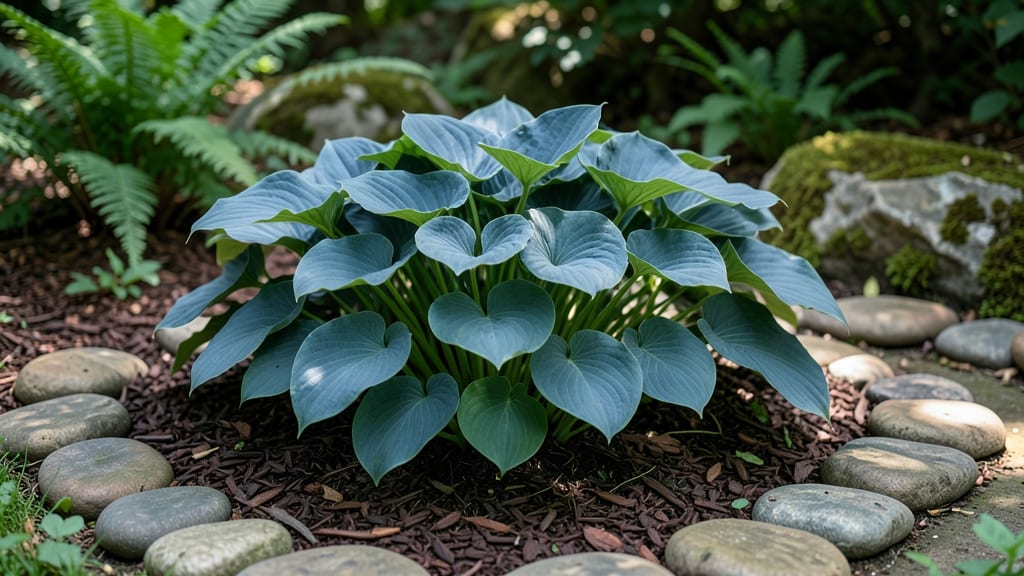
The right flowering plants that do well in shade can turn even the gloomiest corners into a lush, blooming paradise—no sun needed. 🌿 I’ve transformed my north-facing yard into a vibrant sanctuary by swapping sun-loving annuals for shade-tolerant bloomers like impatiens, astilbes, and bleeding hearts.
The secret isn’t more light, but matching plants to their natural light preferences. These low-light stars thrive under trees or along north-facing walls where sunlight barely touches. Most need 4-6 hours of dappled light daily, with some happy in full shade (less than 4 hours). The key?
Rich, moist soil and regular watering—dry shade is a recipe for wilting. My astilbes, for example, explode with pink plumes every summer with just afternoon shade. By late spring, you’ll see blooms that last well into fall, with foliage that stays lush even when other gardens fade.
The scent of sweet alyssum or the velvety leaves of heucheras add texture and fragrance without demanding full sun. Pair them with ferns or hostas for a layered, year-round display. Works for patios, woodland edges, or under eaves—anywhere sun is scarce. Let’s pick the perfect shade-loving bloomers for your space!
📚 In This Guide
- What you need
- Instructions
- Tips and common mistakes
- Wrapping up and next steps
What you need
- ● Flowering plants (shade-tolerant varieties): 1–3 Impatiens (e.g., 'Super Elfin' or 'New Guinea' hybrids)
- ● 1–2 Bleeding Heart (Dicentra spectabilis)
- ● 1 Hosta (e.g., 'Blue Angel' or 'Francee' for foliage + occasional blooms)
- ● 1 Foxglove (Digitalis purpurea) (biennial, self-seeds)
- ● 1–2 Astilbe (e.g., 'Fanal' for feathery plumes)
- ● 1 Lungwort (Pulmonaria) (early spring bloomer)
- ● Potting soil: 1–2 bags (5–10 gallons) of well-draining, organic-rich soil (e.g., Miracle-Gro Garden Soil or FoxFarm Ocean Forest).
- ● Containers or garden bed: Containers: 5–10 gallon pots with drainage holes (1 per plant).
- ● Garden bed: Partially shaded area (4+ hours of dappled light or deep shade).
- ● Fertilizer: Slow-release balanced fertilizer (10-10-10) or orgainc (e.g., Espoma Organic Plant Food).
- ○ Optional: Fish emulsion (for a nitrogen boost, 1–2 tbsp per plant).
- ● Mulch: 1–2 bags of organic mulch (e.g., shredded bark or pine straw) to retain moisture.
- ● Watering can or hose: With a gentle spray nozzle (to avoid disturbing soil).
- ○ Gloves & pruners: Sharp, clean pruners (for trimming dead blooms) and gardening gloves (optional but handy!).
- ● Peat moss or perlite (to improve drainage in heavy clay soil).
- ● Slow-release shade plant tablets (e.g., Osmocote Smart-Release Plant Food).
- ● Decorative stones or pebbles (for a polished container look).
- ● Shade cloth (if your area gets too much indirect light on hot days).
- ● Plant labels (to track varieties and care needs).
How to select and grow flowering plants for shady spaces
Here’s how to choose and cultivate shade-loving bloomers that bring color to dim corners.
🌱 Step 1: Identify Your Shade Level
Not all shade is equal—some spots get just a few hours of filtered light, while others are nearly pitch-black. I categorize shade into three types: dappled shade (sunlight through trees), partial shade (3-6 hours of light), and full shade (less than 3 hours). Most flowering plants thrive in partial shade, so check your spot before buying. Use a light meter app for accuracy, or simply observe how much light reaches the area during the brightest part of the day.
If your space is full shade, focus on plants like bleeding heart (Dicentra spectabilis) or heuchera (coral bells)—they handle near-darkness better than sun-loving varieties. For partial shade, options expand to include impatiens, astilbe, and ferns. Watch for leaves turning yellow or stretching toward light—this means your plant needs more brightness or a different variety.
🌿 Step 2: Choose the Right Flowering Plants
Start with impatiens—they’re the workhorses of shade gardens, blooming nonstop in partial to full shade and tolerating humidity. For height, add astilbe, whose feathery plumes thrive in moist, shady soil and come in colors from pink to white. Bleeding heart adds drama with its heart-shaped leaves and drooping pink or white flowers, while heuchera (coral bells) delivers foliage color year-round. I always include hostas for their lush leaves and occasional blooms, though they’re more about texture than flowers.
For containers, begonias and fuchsias shine in bright, indirect light, producing vibrant blooms all season. If your shade is dry, opt for heuchera or ajuga—both handle less moisture better than moisture-loving impatiens. Avoid sun-worshippers like sunflowers or marigolds—they’ll wilt or fail to bloom in low light.
💧 Step 3: Prepare the Soil for Shade Lovers
Shade plants often struggle in compacted or dry soil, so amend your garden bed with 3-4 inches of compost mixed into the top 6 inches of soil. This improves drainage and adds nutrients. I test soil moisture by squeezing a handful—if it crumbles easily, it’s too dry; if it sticks together, it’s too wet. Aim for soil that holds moisture but doesn’t feel soggy. For containers, use a well-draining potting mix with 20% perlite or peat moss to prevent root rot.
Shade gardens stay moist longer, so mulch with 2-3 inches of shredded bark or leaves to retain humidity and suppress weeds. Avoid thick mulch layers—too much can smother roots and attract pests. Water deeply once or twice a week, depending on rainfall, and always water at the base of plants to avoid fungal diseases. Overhead watering in shade can lead to powdery mildew, so use a soaker hose or drip irrigation for precision.
☀️ Step 4: Plant and Maintain for Continuous Blooms
Dig holes twice as wide as the root ball but only as deep as the container’s base. This encourages roots to spread outward for stability. Space plants based on their mature size—impatiens can crowd, while astilbe needs 18-24 inches between stems. After planting, water deeply to settle the soil and remove any flowers that appear early in the season. This redirects energy to root growth instead of seed production.
Feed shade plants every 4-6 weeks with a balanced, water-soluble fertilizer (10-10-10 or 20-20-20). Too much fertilizer can burn roots, so dilute to half-strength if your soil is already rich. Deadhead spent blooms regularly—this encourages more flowers and keeps plants looking tidy. In late summer, reduce watering slightly to harden off plants for fall, but keep soil moist enough to prevent wilting.
⏰ Step 5: Extend the Season with Care
Most shade-loving flowers thrive in USDA zones 3-9, but their blooming season varies. Impatiens and begonias are annuals, so replant them each spring. Astilbe and heuchera are perennials and return yearly, but they may need light pruning in early spring to shape them before new growth emerges. Cut back dead or damaged foliage in late fall, but leave seed heads on perennials like bleeding heart—they add winter interest and attract birds.
For winter protection, mulch perennial shade plants with 3-4 inches of straw or shredded leaves after the first frost. This insulates roots from freezing temperatures. In containers, move tender plants like fuchsias indoors before temperatures drop below 40°F. Keep them in a bright, cool spot (like a garage or basement) and water sparingly until spring. With the right care, your shade garden will reward you with color and life all season long.
Tips & tricks for thriving shade garden blooms
Here's what I've learned from years of growing vibrant shade gardens—these tricks make all the difference between a struggling patch and a lush, colorful oasis.
Light Meter Insight: Your shade assessment in Step 1 is crucial, but don't rely on guesswork. I've found that using a light meter app for just 10 minutes gives you precise data about your space. For example, what you think is "partial shade" might actually be closer to "full shade" (less than 3 hours of light). This clarity helps you select the perfect plants—like choosing bleeding heart for true full shade spots or astilbe for that perfect 3-6 hour zone. The difference between these categories determines whether your plants will thrive or struggle.
Soil Science: When amending soil in Step 3, don't just add compost—think about texture. I mix in 20% perlite or peat moss with my compost to create that ideal balance of moisture retention and drainage. For containers, I use a pre-mixed shade plant formula with these amendments already included. The key is soil that feels like a damp sponge—not too wet, not too dry. Test it by squeezing a handful: if water drips out immediately, it's too dry; if it stays clumped, it's too wet.
Plant Placement Strategy: In Step 4, spacing is everything. I always place my astilbe (which needs 18-24 inches between stems) at the back of borders, while crowding impatiens together in the front. This creates that layered look while ensuring each plant gets the right amount of light and air circulation. Pro tip: Plant taller varieties on the north side of your garden to prevent them from shading shorter plants that need light.
Fertilizer Timing: The 4-6 week feeding schedule in Step 4 works, but I've found that shade plants actually benefit from more frequent light feedings. Instead of heavy doses every 6 weeks, I use a diluted fertilizer (half-strength) every 3 weeks. This prevents root burn while keeping nutrients flowing. I also switch to a low-phosphorus fertilizer in late summer to encourage root development rather than blooms as the season winds down.
Pro Tips for Flowering Plants That Do Well In Shade
- Here's what I've learned from years of growing vibrant shade gardens—these tricks make all the difference between a struggling patch and a lush, colorful oasis.
- Light Meter Insight: Your shade assessment in Step 1 is crucial, but don't rely on guesswork.
- Soil Science: When amending soil in Step 3, don't just add compost—think about texture.
Frequently asked questions
Got questions about growing flowering plants in shade?
You’re not alone! Here are some of the most common concerns—and their solutions—to help you create a lush, low-light garden with confidence.
What are the easiest flowering plants to grow in deep shade?
If you’re dealing with very low light (like under trees or north-facing walls), opt for hardy bloomers like bleeding heart (Dicentra spectabilis), Japanese painted fern (Athyrium niponicum), or heuchera (coral bells). These thrive with 2–4 hours of dappled light and minimal fuss. For slightly brighter shade (4+ hours), try impatiens, ferns, or hostas—they’re forgiving and burst with color!
How long does it take for shade-loving flowers to bloom?
Most shade plants take 6–12 weeks to establish roots before blooming, but timing varies:
- Annuals (like impatiens or begonias): Often flower 4–8 weeks after planting.
- Perennials (e.g., hostas, astilbes): May take 1–2 seasons to reach full bloom potential.
- Bulbs (e.g., snowdrops, glory-of-the-snow): Bloom early spring but need patience—some take years to naturalize!
Do shade plants need extra watering?
Yes! Shady spots can stay damp longer, but overwatering is a bigger risk than drought. Most shade flowers prefer:
- Moist but well-draining soil (amend clay with compost).
- Water deeply 1–2x/week (adjust for rain).
- Avoid soggy soil—mulch with 3–4 inches of shredded bark to retain moisture and prevent root rot.
Can I grow flowering plants in no sunlight?
Technically, no plant thrives in absolute darkness (like a basement or dense evergreen shade), but you can work with near-total shade by:
No blooms? Don’t panic—it’s often fixable! Common culprits:
Alternative idea: Try a shade-tolerant container garden with self-watering pots for flexibility.
Why aren’t my shade flowers blooming?
Issue
Solution
Too little light (e.g., <4 hours of shade)
Move plants to a sunnier spot or supplement with a reflective surface (like a white wall or mirror).
Over-fertilizing with nitrogen (leads to lush leaves, no flowers)
Switch to a low-nitrogen, high-phosphorus fertilizer (like 5-10-10) in early spring.
Stress from transplant shock or pests
Check for aphids or slugs; water consistently and mulch to stabilize soil temps.
Wrong plant for your shade type (e.g., impatiens in deep shade)
Replace with hostas, astilbes, or lungwort—they’re tougher in low light.
Wrapping up and next steps
Transforming your shady spots into vibrant gardens is easier than you think! With the right flowering plants that thrive in low light, you can enjoy bursts of color and life—no sunshine required. 🌿 From Hosta to Bleeding Heart, these beauties prove that shade doesn’t mean sacrificing charm.
Ready to get started? Pick one (or two!) plants from our list, grab your gardening tools, and give your shady corners a fresh, flourishing makeover. Your future garden—full of blooms and joy—awaits!