
Plants
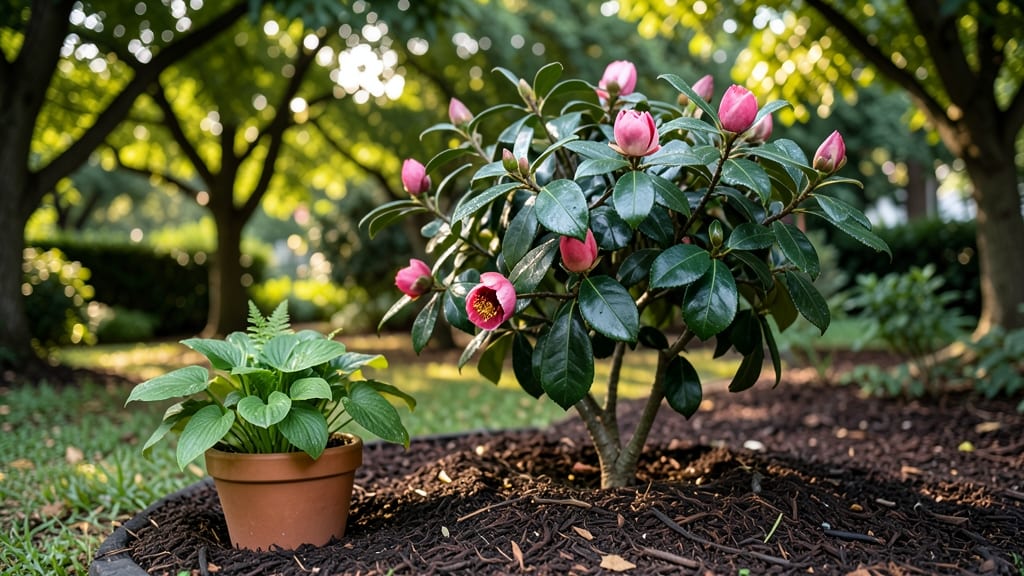
Camellias do like shade—but not the deep, dark kind that leaves them struggling to bloom 🌸. The secret lies in finding the right balance between filtered light and protection from harsh sun, which is where most gardeners trip up.
Picture this: your camellia sits under a canopy of trees, basking in morning sun but shielded from the afternoon heat. That’s the sweet spot for most varieties, especially in hotter zones like 8b or 9a where full shade can stunt flowering.
Too little light, and you’ll get leggy growth with few blooms; too much, and those glossy leaves turn crispy at the edges.
Here’s the game-changer: partial shade—think 4 to 6 hours of bright, indirect light daily—is what keeps camellias thriving in Zone 6 through 9b.
Whether you’re in a coastal garden or a humid inland climate, I’ll show you how to read your plant’s light needs and adjust care to keep those showstopping blooms coming year after year.
From choosing the right spot to troubleshooting pale leaves or sparse flowers, you’ll learn exactly how to give your camellia the perfect light conditions—no guesswork, just lush, healthy growth.
 Best Window Placement
Camellia light requirements: how much shade can they tolerate?
Camellias thrive in partial shade, but their exact light needs depend on your climate zone and variety. Unlike sun-loving plants, they avoid harsh afternoon rays, which can scorch delicate leaves and buds. The key is finding that sweet spot—enough light for vibrant blooms but protection from intense heat. Let’s break down how much shade camellias can handle and how to optimize their environment for year-round beauty.
Most camellia varieties prefer 4-6 hours of filtered sunlight daily, ideally from morning sun or dappled light through trees. In hot climates (Zone 9b+), they may need full afternoon shade to prevent stress.
Meanwhile, in cooler zones (6a-8a), they can tolerate morning sun and light afternoon shade. Understanding these nuances ensures your camellia stays healthy and blooms prolifically.
Here’s the science behind it: camellias have a photosynthesis threshold that triggers stress when exposed to direct sunlight for more than 6 hours. Their leaves contain anthocyanins, which help protect against UV damage, but prolonged exposure still causes chlorosis (yellowing) or sunburn.
The right balance keeps their chlorophyll active while minimizing oxidative stress.
| Camellia Type | Ideal Light Conditions | Shade Tolerance | Best For |
|---|---|---|---|
| Camellia japonica | Morning sun + afternoon shade (4-6 hrs) | Moderate (avoid deep shade) | Cooler climates (Zones 6a-8a) |
| Camellia sasanqua | Partial shade (3-5 hrs filtered light) | High (tolerates deep shade) | Hot climates (Zones 7b-9b) |
| Camellia reticulata | Bright indirect light (5-6 hrs) | Low (needs some light) | Greenhouses or sheltered spots |
| Dwarf varieties (e.g., 'Donation') | Partial shade (3-4 hrs) | Very high (thrives in shade) | Container gardens or shaded patios |
If you’re growing Camellia japonica, aim for morning sun and afternoon shade—this mimics their natural habitat in East Asian forests. In contrast, Camellia sasanqua varieties, like ‘Yuletide’, are more shade-tolerant and can handle deep shade in hot climates.
For container-grown camellias, place them near an east-facing window or under a tree canopy to filter harsh light.
Regional adjustments matter too. In southern climates (Zone 9b+), camellias often need full afternoon shade to prevent leaf scorch. In northern zones (6a-7a), they can handle more direct light in spring and summer.
Always monitor your plant’s response—pale leaves signal too little light, while brown edges mean too much sun.
Pro tip: Use a light meter or observe your camellia’s growth patterns. If buds drop before opening, it’s likely stressed from heat. Conversely, if leaves grow leggy, it’s craving more bright indirect light.
Adjust pruning to thin out dense foliage and improve air circulation, which helps reduce heat stress.
For potted camellias, rotate the pot quarter-turns every 2 weeks to ensure even light exposure. This prevents one-sided growth and keeps the plant symmetrical. If your garden has limited shade options, consider whitewashing the pot—it reflects excess heat and protects roots.
Remember, camellias are adaptable, but they won’t thrive in deep, dark shade. Aim for at least 3-4 hours of filtered light daily to maintain healthy foliage and abundant blooms.
With the right light balance, your camellia will reward you with glossy leaves and show-stopping flowers for years to come.
🌿
Signs your camellia isn’t getting the right light exposure
Your camellia might be silently struggling if its leaves turn yellow or blooms fail to appear. These are classic signs of light exposure issues, whether from too much sun or not enough.
Camellias prefer partial shade, but they’re sensitive to sudden changes in light conditions, especially in hot climates.
One of the first clues is pale or chlorotic leaves, which indicate low light stress. If your plant is in full shade, it may also produce fewer flowers or smaller blooms since sunlight is essential for photosynthesis.
On the flip side, sunburned leaves with crispy edges signal too much direct sun, particularly in afternoon hours.
🌿
Camellias prefer partial shade (4-6 hours of filtered sunlight daily). Full shade stunts growth, while harsh afternoon sun causes leaf scorch. In hot climates (Zone 9b+), provide morning sun only and afternoon shade.
To diagnose the issue, observe your camellia’s growth pattern. If it’s growing tall and leggy with sparse foliage, it’s likely light-starved. Conversely, if new leaves appear crispy or browned, it’s getting too much direct sun.
Seasonal adjustments are key—young camellias need gentler light than mature plants.
Corrective actions depend on your climate. In cooler zones (6a-8a), aim for east-facing exposure to avoid harsh afternoon rays. In hotter zones (9a-9b), use lightweight shade cloth (30-50%) during peak sun hours.
For container-grown camellias, move pots to dappled shade areas like under trees with open canopies.
Pruning can also help. If your camellia is overcrowded, thin out dense branches to improve airflow and light penetration. Always prune after flowering to avoid sacrificing next year’s blooms.
Mulch with organic matter (pine bark or compost) to regulate soil temperature and retain moisture, which supports healthier light adaptation.
Regularly monitor your camellia’s light exposure throughout the year. Spring and fall are ideal for gradual adjustments, while summer’s intense sun requires immediate action. With the right balance, your camellia will reward you with vibrant blooms and lush foliage for years to come. 🌸