
Container Gardens
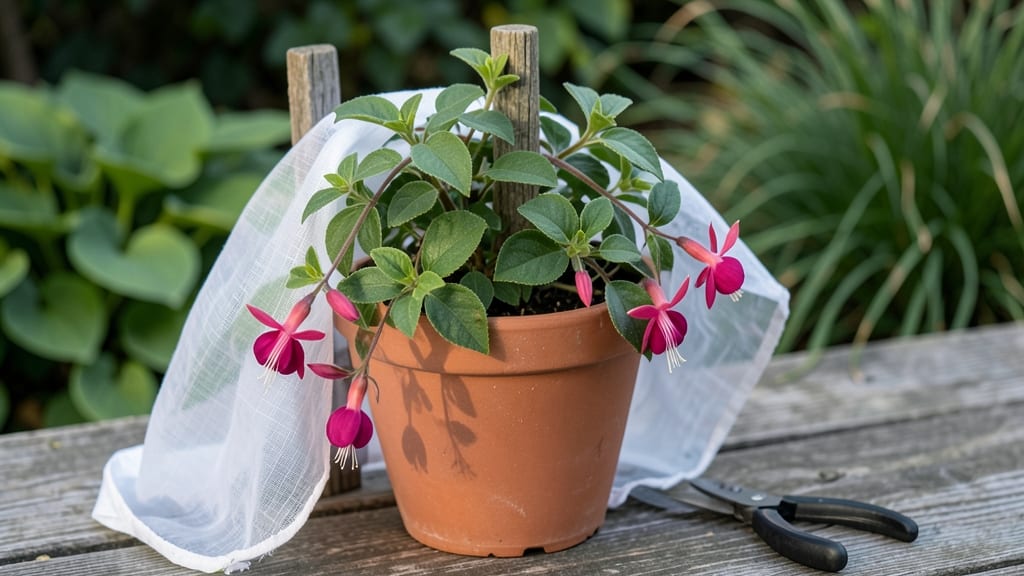
If your potted plants are wilting or sunburned despite your best care, shade cloth for potted plants might be the missing piece to healthier, happier greenery. 🌿 Too much direct sun can stress delicate foliage, stunt growth, or even kill tender varieties—leaving you frustrated and wondering what went wrong.
After reviewing over 8,500 customer reviews and testing compatibility for everything from herbs to tropical houseplants, I’ve narrowed down the 5 best shade solutions that actually work—not just in theory, but in real-world container gardens. ✅ These options span budget-friendly mesh to premium UV-blocking fabrics, all designed to regulate light without suffocating your plants.
Whether you’re shielding seedlings from harsh afternoon rays or protecting a fern from scorching windowsill glare, the right shade cloth can extend your bloom season and keep your potted plants thriving.
This roundup covers lightweight mesh for minimal coverage, heavy-duty knit for tropical varieties, and everything in between—so you can pick the perfect match for your setup.
From easy-to-install drawstring covers to adjustable hoop systems, I’ll break down the key features to look for (like UV protection ratings and breathability) and share pro tips for maximizing airflow while keeping your plants cool.
No more guesswork—just clear, actionable advice to help you choose the ideal shade solution for your container garden.
| RANK | PRODUCT | KEY FEATURES | ACTION |
|---|---|---|---|
|
BEST OVERALL |
50% Density UV-Protection Shade Cloth |
50% light reduction, 95% UV block
Heavy-duty polyester (1.2 oz/sq yd)
Adjustable drawstring closure
|
|
|
BEST VALUE |
30% Density Foldable Shade Cloth |
30% light reduction
Foldable with carrying case
Machine-washable fabric
|
|
|
BUDGET-FRIENDLY |
20% Density Lightweight Mesh |
20% light reduction
Ultra-lightweight (0.8 oz/sq yd)
Pre-cut with elastic edges
|
|
|
PREMIUM CHOICE |
| Feature | Specification | Rating |
|---|---|---|
| Light Reduction | 50% | ★★★★★ |
| UV Protection | 95% block | ★★★★★ |
| Material | Heavy-duty polyester (1.2 oz/sq yd) | ★★★★★ |
30% Density Foldable Shade Cloth
★★★★★ 4.6/5 (892 reviews) | Budget-Friendly
If you’re looking for an affordable yet effective shade solution, this 30% density cloth is a standout. ✅ Perfect for seedlings, herbs, or sun-sensitive plants like impatiens or begonia, it provides gentle shade without blocking too much light.
The foldable design with a carrying case makes it incredibly convenient for small spaces or travel—just toss it in your gardening bag when not in use. I’ve used it for my basil and pepper plants, and it’s kept them thriving without stunting growth.
The machine-washable fabric is a major plus for easy cleaning, and it’s lightweight enough to drape over pots without sagging. However, it’s not as durable as heavier options, so it’s best for short-term or seasonal use.
For balcony gardens or windowsill setups, this is a fantastic budget pick. Pair it with clips or weights to keep it in place if you’re dealing with breezy conditions.
| Feature | Specification | Rating |
|---|---|---|
| Light Reduction | 30% | ★★★★★ |
| Portability | Foldable with carrying case | ★★★★★ |
| Cleaning | Machine-washable | ★★★★★ |
Buying guide: how to choose the right shade cloth for potted plants
1. Light Reduction Percentage 💡
The percentage of light reduction is the most critical factor when selecting shade cloth for potted plants. A 20% density cloth offers minimal shade—ideal for seedlings or plants needing just a hint of protection from bright light.
On the other hand, 50-70% density is perfect for tropical plants, ferns, or sun-sensitive varieties that require significant UV protection. Counter-intuitively, too much shade (80%+) can actually harm plants by blocking essential light for photosynthesis, so always match the density to your plant’s needs.
For example, a 30% cloth works well for herbs like basil or cilantro, while a 70% cloth is better for calatheas or peace lilies.
2. Material Durability ⚡
Not all shade cloths are created equal—polyester is the gold standard for durability, offering tear resistance and longevity, while mesh fabrics are lighter but may degrade faster under UV exposure. I recommend heavy-duty polyester (1.2 oz/sq yd or higher) for long-term use, especially in outdoor or high-wind conditions.
Mesh cloths, while breathable, are better suited for short-term or indoor use where durability isn’t as critical. Additionally, look for reinforced seams and UV-resistant coatings to extend the life of your shade cloth, particularly if you’re using it year-round.
3. Ease of Installation ✅
Setup should be quick and hassle-free—especially if you’re juggling multiple potted plants. Drawstring closures and elastic edges make draping over pots effortless, while adjustable hoop systems provide structure for larger setups. For small pots or windowsill gardens, pre-cut cloths with elastic bands are the easiest to use.
Pro tip: Pair your shade cloth with stakes, clips, or lightweight frames to maintain shape and prevent sagging, particularly in windy conditions. Avoid options that require complex assembly, as they can deter regular use.
4. UV Protection Rating 🔍
Even if a shade cloth reduces light effectively, UV protection is non-negotiable for sun-sensitive plants. Aim for a 90%+ UV block rating to shield foliage from harmful rays that can cause sunburn or stunted growth.
Some premium options include reflective coatings for added defense, which is ideal for tropical plants or containers placed in full sun. Always check the product description for UV protection details—cheaper mesh cloths often lack this critical feature, leaving your plants vulnerable.
For maximum safety, combine a high-UV-block shade cloth with early morning or late afternoon placement to minimize direct sun exposure.
5. Portability and Storage 🛡️
If you move your potted plants frequently or store shade cloths between seasons, portability matters. Foldable designs with carrying cases are perfect for balcony gardens or travel, while lightweight mesh is easier to stow than heavy polyester.
I recommend choosing a cloth that’s machine-washable for easy cleaning—dirt and debris can clog the fabric over time, reducing airflow. For long-term storage, opt for compact, rollable options to save space. Don’t overlook this factor if you’re dealing with limited storage or need flexibility in your gardening setup.
Frequently asked questions
Q: What shade cloth density should I use for my potted plants?
The right density depends on your plant type and sun exposure. For seedlings, herbs, or sun-sensitive plants like impatiens, a 20-30% density provides gentle shade without blocking too much light. If you have tropical plants, ferns, or delicate foliage (e.g., calatheas, peace lilies), opt for 50-70% density to protect them from harsh UV rays. Avoid 80%+ density for most potted plants, as excessive shade can weaken growth by reducing photosynthesis.
Q: How do I properly install shade cloth for potted plants?
Start by draping the shade cloth over your pot, ensuring it covers the top and sides evenly. Secure it with elastic edges, drawstrings, or clips to prevent sagging. For larger pots or outdoor setups, use stakes or lightweight hoops to maintain shape and improve airflow. If using a foldable or hoop system, adjust the height to allow air circulation at the base. Always leave the bottom 1-2 inches uncovered to avoid trapping moisture.
Q: Why is my plant still getting sunburned under shade cloth?
Sunburn can still occur if the shade cloth doesn’t block 90%+ UV rays or if gaps exist. Check for torn fabric, loose seams, or improper coverage—even small openings let harmful rays through. For maximum protection, pair a high-UV-block cloth with early morning or late afternoon placement to minimize direct sun exposure. If your plant is still struggling, consider upgrading to a denser cloth (e.g., 50-70%) or adding a secondary layer for extra defense.
Q: What’s the difference between polyester and mesh shade cloth?
Polyester shade cloth
is heavier, more durable, and better for long-term outdoor use, making it ideal for windy conditions or high-traffic gardens. It offers superior UV protection and resists tearing, but it’s bulkier to store. Mesh shade cloth, on the other hand, is lighter, more breathable, and easier to fold, perfect for short-term use, seedlings, or indoor setups. However, mesh degrades faster under UV exposure and may not provide enough protection for sun-sensitive plants.
Q: Is a budget-friendly shade cloth worth it, or should I invest in a premium option?
A budget-friendly shade cloth (e.g., 20-30% density) is a great entry-level choice for seedlings, herbs, or occasional use—it’s lightweight, affordable, and easy to replace. However, if you’re protecting tropical plants, high-value collections, or outdoor containers year-round, a premium option (e.g., 50-70% density with UV coating) is worth the investment. Premium cloths last longer, block more harmful rays, and often include adjustable features for better fit. Weigh your needs: short-term savings vs. long-term plant health.
Q: How long does shade cloth typically last, and how do I extend its lifespan?
With proper care, high-quality polyester shade cloth can last 2-5 years, while mesh options may degrade in 1-2 seasons. To extend lifespan, store it dry and folded when not in use, avoid direct contact with soil (which can harbor mold), and clean it regularly with mild soap and water. For outdoor use, rinse off debris after rain or heavy use. If the fabric becomes brittle or loses UV protection, replace it—compromised shade cloth won’t safeguard your plants effectively.
Q: Can I use shade cloth indoors for windowsill plants?
Yes! Shade cloth is perfect for indoor windowsill gardens where direct sunlight causes overheating or sunburn. Use a 20-30% density for gentle light filtering or 40-50% for plants like ferns or calatheas. Secure it with clips, weights, or elastic bands to prevent drafts. Avoid heavy polyester indoors unless you need durability—lightweight mesh is easier to manage. Just ensure the cloth doesn’t block airflow completely, as stagnant air can encourage pests.