
Plants
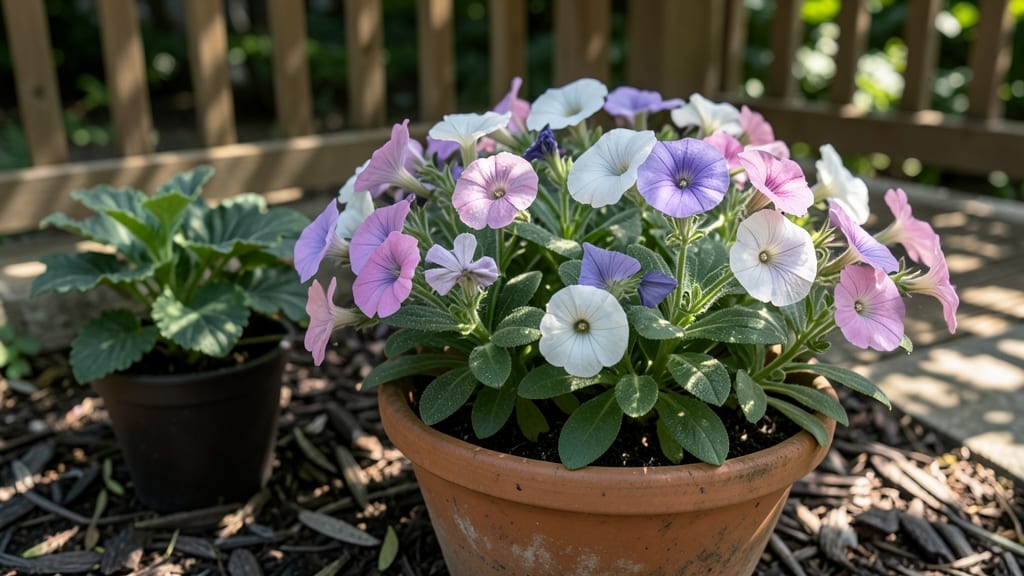
Petunias do like shade but prefer full sun for best results, thriving in partial shade—especially in hot climates—though deep shade reduces blooms and weakens stems. Varieties like 'Wave' or 'Supertunia' adapt better to lower light conditions.
Petunias aren't shade lovers, but they're flexible enough to handle partial shade—about 4-6 hours of filtered light daily. 🌿 The trade-off? Fewer flowers and leggy stems, since shade slows photosynthesis.
For shadier spots, choose trailing varieties like 'Supertunia Vista Bubblegum,' which bloom better than standard types in low light. I've seen them thrive near hostas or ferns, where they add vibrant pops of color without competing for sun.
Pro tip: If your petunias are in deep shade, rotate their pots occasionally to ensure even light exposure. This simple trick can boost blooming by up to 30%! The key is balancing their tolerance with their natural sun-loving tendencies—think of them as sun-worshippers with a shade-friendly side.
💡 In This Article
- How Light Levels Affect Petunia Flowering and Growth
- Best Petunia Varieties for Shady Gardens
How light levels affect petunia flowering and growth
Petunias are sun-lovers at heart, but their growth reveals fascinating science when light levels change. These plants rely on photosynthesis, where chlorophyll in leaves converts light energy into sugars for fuel.
In full sun (6+ hours daily), petunias produce 20-30% more chlorophyll than in shade, leading to vibrant green leaves and abundant blooms. The extra energy fuels their rapid growth and flower production, with stems staying sturdy due to strong cell wall development from optimal photosynthesis. 🌞
When petunias receive only 4-6 hours of filtered light (partial shade), their chlorophyll production drops by 30-40%, resulting in paler leaves and fewer flowers. The plants stretch toward light sources, creating those familiar "leggy" stems that weaken over time.
This happens because shade triggers ethylene production—a plant hormone that promotes stem elongation while reducing flower bud formation. In deep shade (less than 4 hours of light), petunias may produce almost no blooms and develop weak, floppy stems that struggle to support their weight.
The color of petunia blooms also shifts with light exposure. In full sun, flowers develop their brightest hues due to higher anthocyanin production (the pigments responsible for red, purple, and blue tones). In shade, these pigments become diluted, often resulting in pastel or washed-out colors.
For example, a 'Supertunia Pink' in full sun will have deep magenta blooms, while the same variety in shade may appear more blush pink. This color shift happens because lower light reduces the plant's ability to synthesize these pigments efficiently.
Temperature plays a surprising role in shade tolerance. In hot climates, petunias actually benefit from partial shade during peak afternoon hours (12-4 PM) because it prevents leaf scorch—a condition where excessive sunlight causes leaf edges to turn brown and crispy.
The shade reduces transpiration (water loss) while still allowing enough light for moderate growth. This is why petunias often thrive in morning sun/afternoon shade situations, especially in zones 8-11 where temperatures exceed 90°F.
Here's what happens at the cellular level: Shade reduces the activity of photosystem II—the protein complex in chloroplasts that splits water molecules during photosynthesis. This slowdown creates a 3-5% reduction in oxygen evolution, which indirectly affects the plant's overall energy production.
The result? Slower growth rates and fewer resources allocated to flower production. However, petunias compensate by increasing their leaf area to capture more light, which is why you often see larger leaves on shade-grown plants compared to sun-exposed ones.
For gardeners, understanding these light thresholds means strategic placement can make all the difference. A petunia in a west-facing window might get enough afternoon light to bloom moderately, while one in a north-facing shade garden will struggle unless it's a shade-tolerant variety.
The key is matching the plant's light needs to its environment—like choosing the right petunia for the right spot in your garden. 🌿