
Flowers
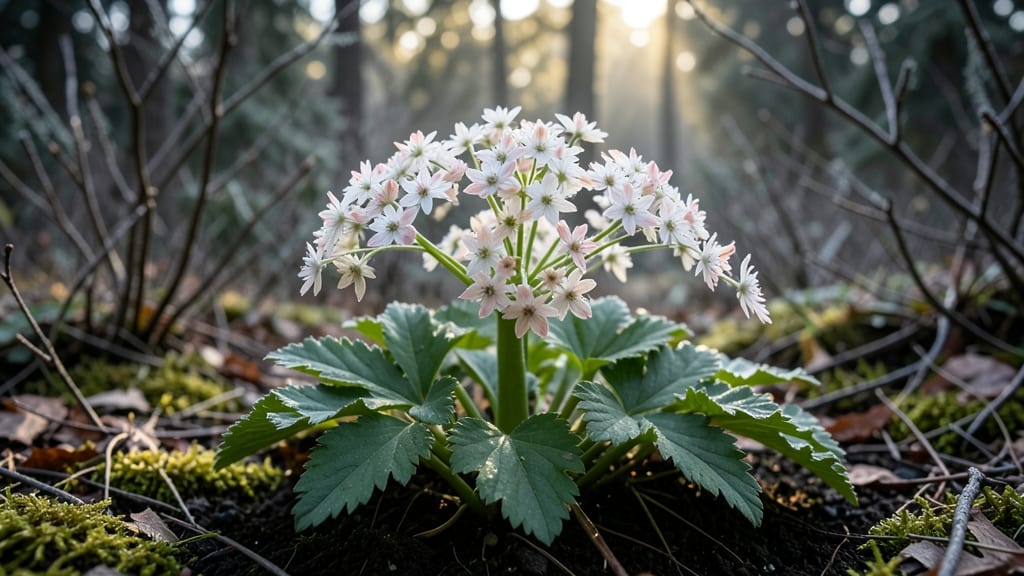
Struggling to brighten up shady garden spots? These 10 vibrant, shade-loving flowers thrive in low light while demanding minimal care—perfect for adding color where sunlight struggles to reach.
Impatiens for Bright Spots Under Trees
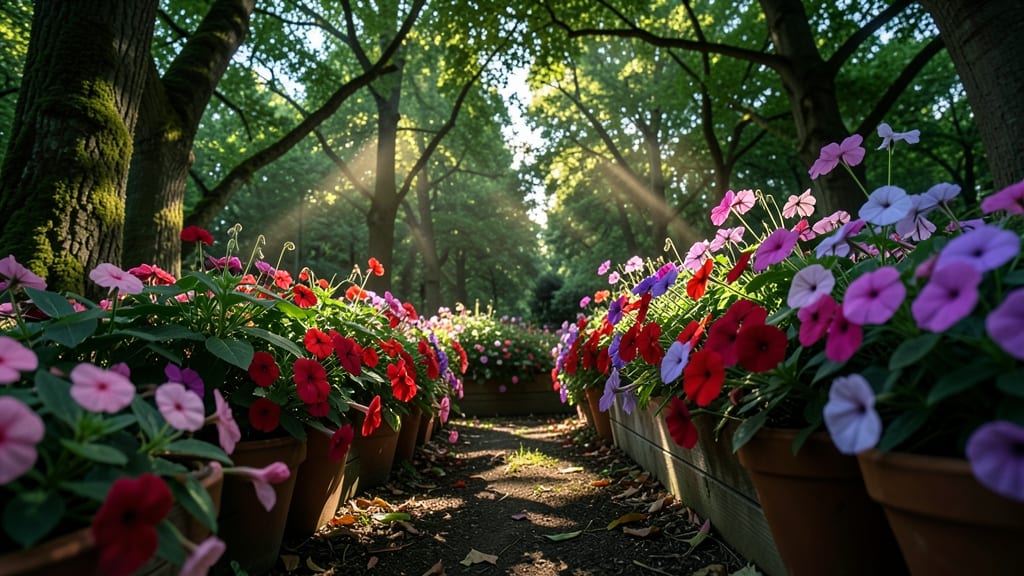
Tired of dull, shadowy corners under your trees? Impatiens are the secret weapon for instant color in deep shade, offering blooms in pink, red, and purple that seem to defy the darkness. These annuals thrive where most flowers refuse to grow, making them perfect for containers or garden beds beneath dense foliage.
Plant them in well-draining, moist soil and keep them consistently watered—they reward your care with non-stop blooms from spring until frost. Choose compact varieties for containers or let them spill over garden edges for a cascading effect. Deadhead spent flowers to encourage even more vibrant blooms all season long.
Urban gardeners and beginners love impatiens because they’re easy to grow and forgive occasional neglect. Just avoid heavy pruning—they bloom best when left to their natural, bushy form. 🌻
Hosta Varieties with Stunning Blue-Green Leaves
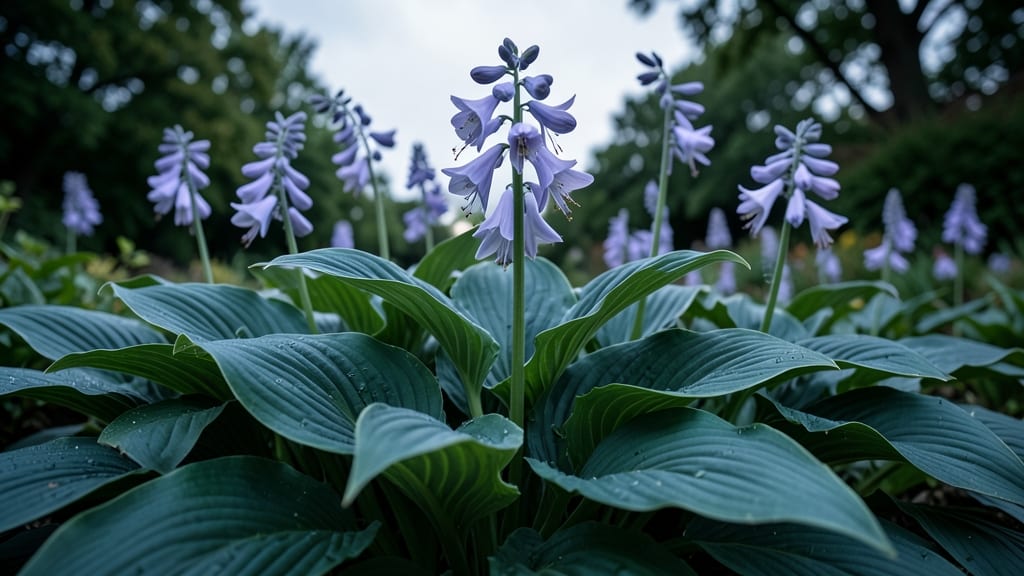
If you thought hostas were just about their stunning foliage, think again—varieties like 'Blue Angel' and 'Halcyon' deliver delicate lavender blooms that rise above their deep blue-green leaves, creating a two-tiered visual treat in shady spots.
These hostas thrive in full to partial shade, making them perfect for woodland gardens or north-facing beds where sunlight is scarce. Their lavender flower spikes appear in late summer, adding unexpected color that pairs beautifully with their glossy foliage. For best results, plant in moist, well-draining soil and mulch annually to protect roots and enhance their striking appearance.
Urban gardeners and cottage-style enthusiasts will love how these hostas add texture and color without demanding high maintenance. Their slow-growing nature also makes them ideal for long-term garden planning. 🌿
Bleeding Heart Flowers for Woodland Gardens
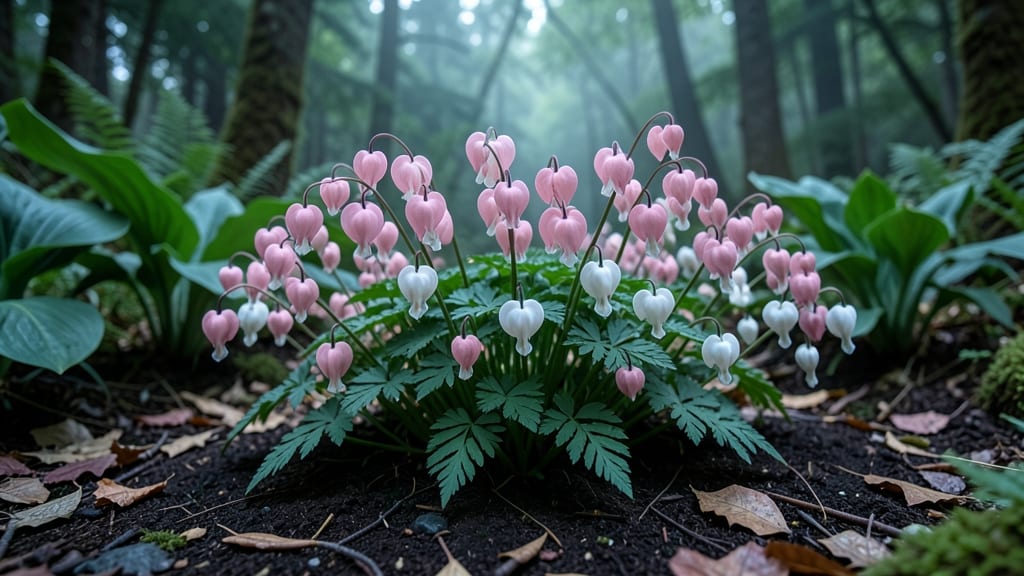
Transform your darkest garden corners into a dreamy woodland retreat with bleeding heart flowers (Dicentra spectabilis). These graceful perennials produce cascading clusters of heart-shaped blooms in blush pink or pure white, creating a romantic focal point that thrives in deep shade where other flowers falter.
Plant them in moist, well-draining soil enriched with compost, and provide afternoon shade for optimal blooming. Their fern-like foliage adds texture year-round, while their spring-to-summer flowers last 6-8 weeks. For cottage gardens, let them spill over stone walls or borders—just keep them consistently moist during their first growing season.
Perfect for gardeners who love whimsical, low-maintenance plants, bleeding hearts bring a touch of fairy-tale charm to shady spots. 🌷
Heuchera Coral Bells for Year-Round Color
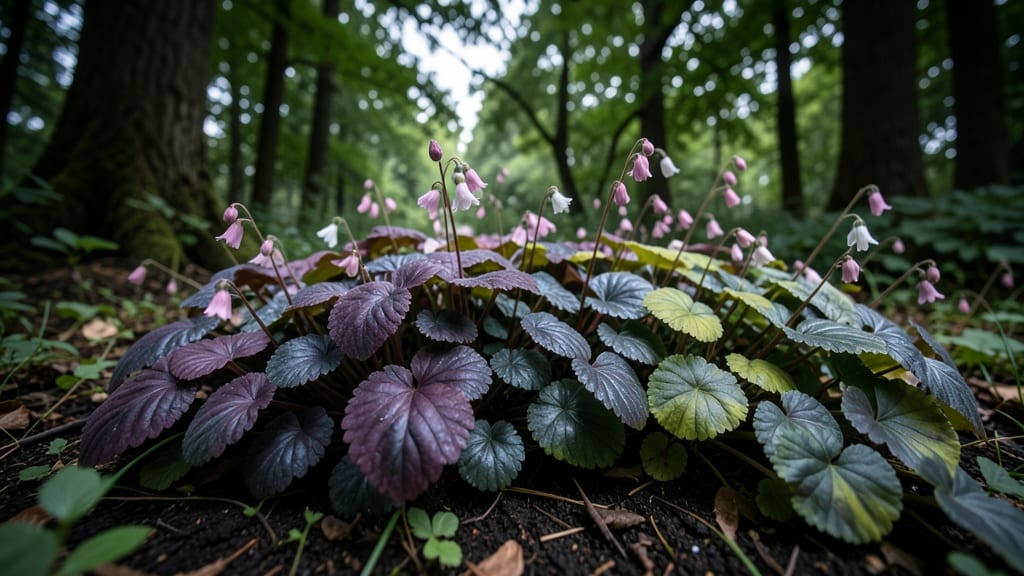
Tired of shade gardens that look dull and lifeless? Heuchera Coral Bells bring vibrant color to dark corners with their striking foliage in shades of purple, silver, or chartreuse—plus delicate flowers that add extra charm.
These hardy perennials thrive in partial to full shade and require minimal care, making them perfect for ground cover or edging. Their clumping habit spreads slowly, creating a lush carpet of color without overcrowding. Water occasionally to keep the soil moist but well-drained, and you’ll enjoy year-round interest with foliage that stays vibrant even in winter.
Urban gardeners and busy homeowners will love how Heuchera Coral Bells add texture and color to shady spots with almost no maintenance. Pair them with ferns or hostas for a stunning, low-light garden that’s as easy to care for as it is beautiful. 💚
Astilbe Plumes in Soft Pastels
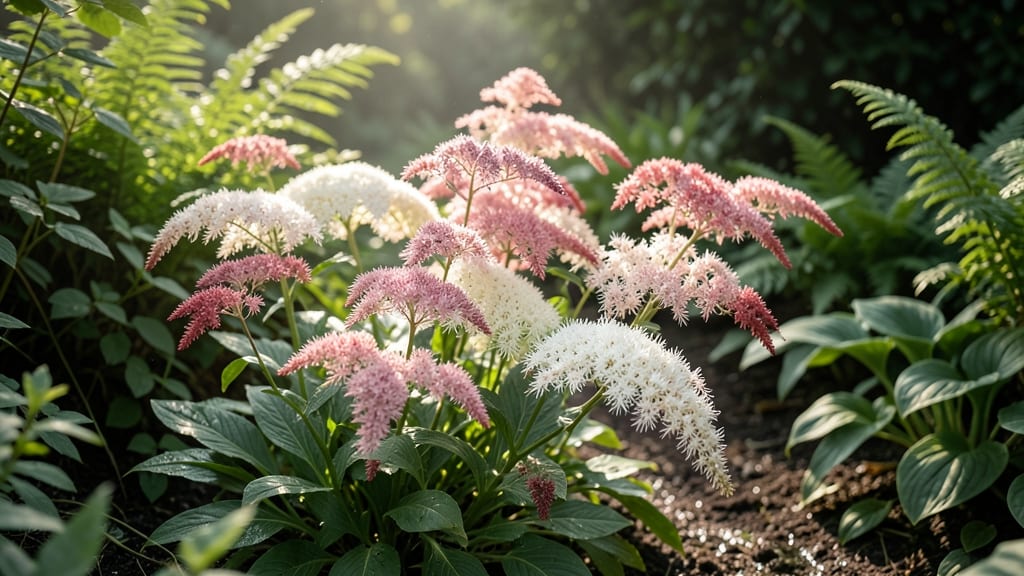
Want to add a dreamy, airy touch to your shady garden without sacrificing color? Astilbe delivers feathery plumes in soft pink, white, or red that dance in the breeze—perfect for borders, containers, or cutting gardens where sunlight is scarce. These perennials thrive in partial to full shade and produce long-lasting blooms that last from early summer to fall.
Plant them in moist, well-draining soil enriched with organic matter, and keep the roots consistently damp (but not soggy). Their fern-like foliage adds lush texture year-round, while their plume-like flowers create movement that catches the eye. For cutting gardens, harvest stems early in the morning when blooms are freshest—each stem lasts 7-10 days in a vase.
Gardeners with limited sunlight or small spaces will love astilbe’s versatility. Pair it with hostas or ferns for a woodland-inspired look, or use it as a standalone focal point in containers. The secret to their success? Regular watering and a spot where they won’t bake in afternoon sun. 🌿
Fuchsia Flowers for Hummingbird Visitors
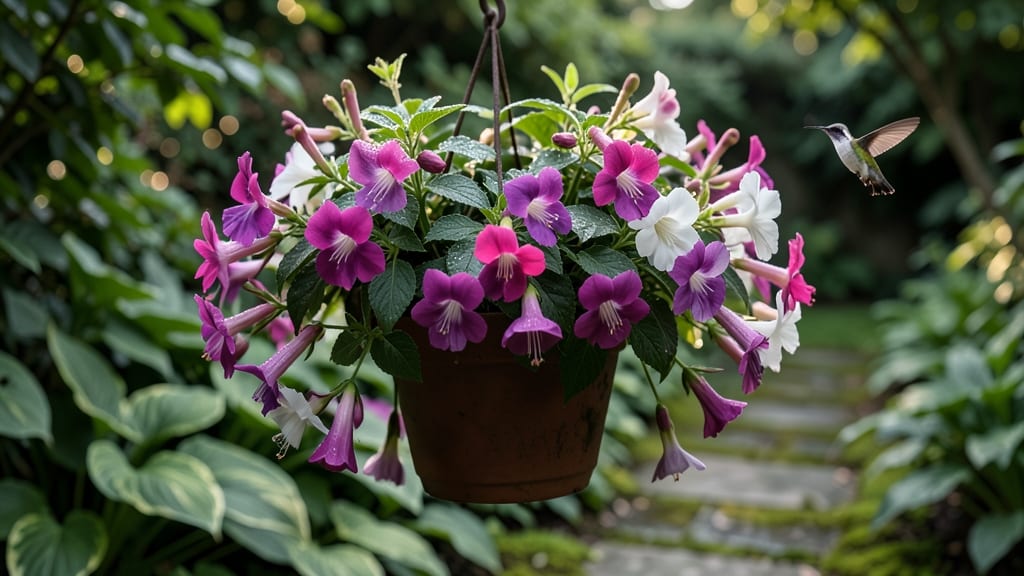
Want to turn your shady garden into a hummingbird hotspot? Fuchsias are the answer—these vibrant, tubular flowers in magenta, purple, or white not only thrive in partial shade but also act as irresistible magnets for pollinators. Their cascading or upright growth habits make them ideal for hanging baskets, window boxes, or borders where sunlight is limited.
Choose between trailing varieties for containers or upright types for garden beds, and plant in well-draining soil with consistent moisture. Fuchsias bloom prolifically from summer through fall, providing continuous color while supporting local ecosystems. For extra impact, pair them with other shade-loving plants like heuchera or astilbe to create layered visual interest.
Perfect for urban balconies, small gardens, or woodland edges, fuchsias bring both beauty and ecological benefits with minimal fuss. 🌻
Lungwort for Medicinal and Ornamental Value
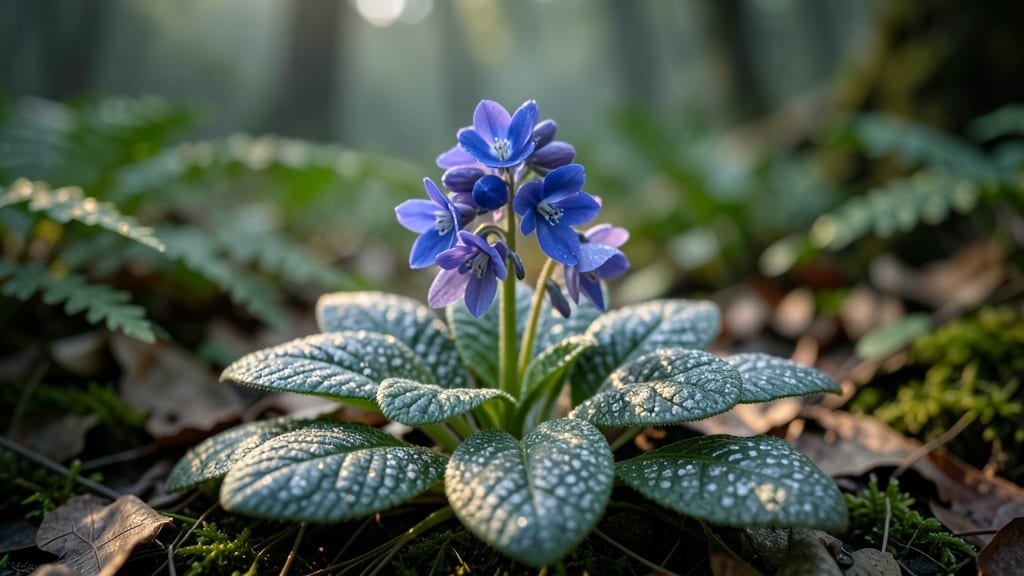
Looking for a shade-loving plant that does double duty as both a beauty and a historical remedy? Lungwort (Pulmonaria) delivers silver-spotted leaves and clusters of blue or purple flowers that bloom early in the season, often before most other perennials. Its common name comes from its traditional use in herbal medicine for lung ailments, though modern gardeners grow it primarily for its striking foliage and cheerful blooms.
This hardy perennial thrives in partial to full shade, making it perfect for woodland gardens or cottage-style beds where sunlight is limited. Plant it in moist, well-draining soil enriched with compost, and expect its unique silver-and-green foliage to remain vibrant year-round. The flowers appear in early spring, attracting pollinators before other blooms emerge, while the leaves provide a stunning contrast in late winter or early spring.
Gardeners who love low-maintenance perennials with historical charm will appreciate lungwort's resilience and versatility. It pairs beautifully with ferns, hostas, and bleeding hearts in shady garden corners, offering both practical benefits and a touch of old-world magic. 🌷
Japanese Painted Fern for Dramatic Foliage
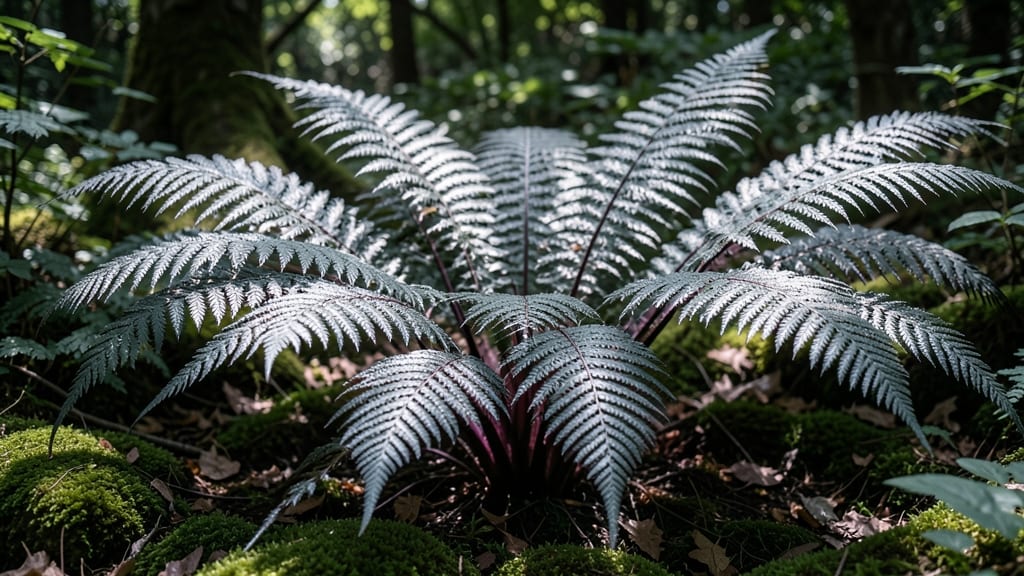
Want to add drama to your shade garden without the fuss of high-maintenance flowers? The Japanese Painted Fern (Athyrium niponicum var. pictum) delivers bold, architectural foliage with its striking mix of silver and black fronds, creating a moody yet elegant contrast that thrives in low-light conditions.
This versatile fern grows best in partial to full shade and prefers consistently moist, well-draining soil—ideal for woodland gardens or under tree canopies. Its slow-spreading habit makes it perfect for edging or mass planting, while its year-round interest ensures your garden stays visually compelling even in winter. For extra impact, pair it with hostas or astilbe to create a layered, textured display that requires minimal upkeep.
Perfect for gardeners who love low-maintenance yet high-impact plants, this fern adds sophistication to shady spots while attracting pollinators with its delicate fronds. 🌱
Sweet Woodruff for Fragrant Ground Cover
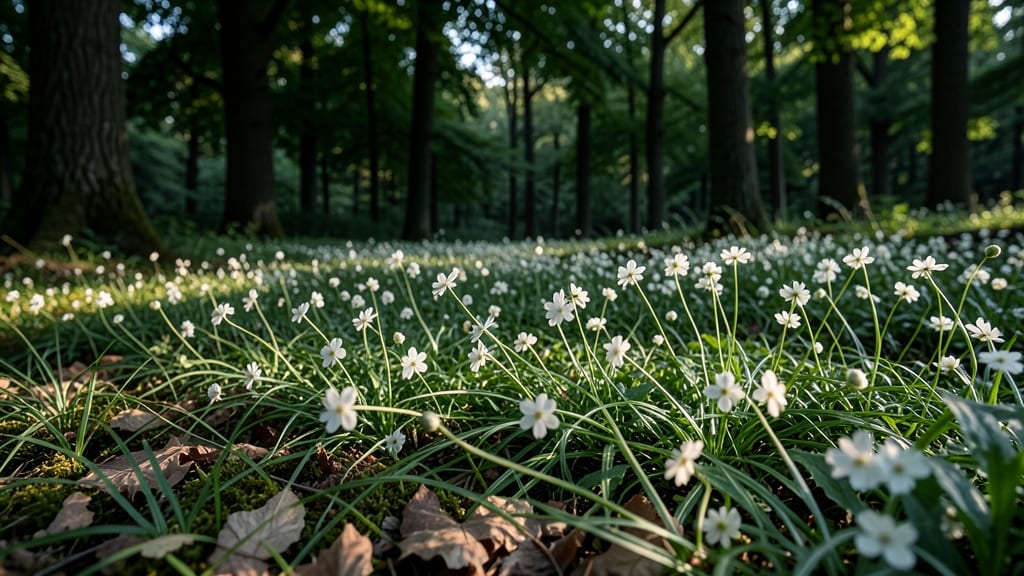
Looking for a fragrant ground cover that transforms shady spots into a sensory garden experience? Sweet woodruff (Galium odoratum) spreads quickly under trees or along walkways, filling gaps with delicate white flowers and a subtle vanilla-like scent when crushed—nature’s own perfume.
This hardy perennial thrives in partial to full shade, spreading 12-18 inches wide through its low-growing stems. Plant it in well-draining, moist soil enriched with compost, and water regularly during its first year to establish roots. Sweet woodruff’s lush green foliage creates a dense carpet that suppresses weeds while its late spring blooms attract pollinators. For best results, shear back in early spring to encourage fresh growth.
Perfect for gardeners who love low-maintenance plants with sensory appeal, sweet woodruff is especially ideal for cottage gardens, woodland edges, or under fruit trees where its fragrant leaves can be used to make herbal tea. 🌿
Tiarella Foamflower for Early Spring Color

When most of your garden is still wrapped in winter’s grip, Tiarella Foamflower bursts onto the scene with its delicate, lace-like blooms in white or soft pink. This early spring bloomer thrives in shade where few other plants dare to grow, making it the perfect solution for brightening dark corners before summer’s full foliage emerges.
Plant Tiarella in well-draining, moist soil enriched with organic matter, and watch its whorls of tiny flowers appear above deep green, textured leaves. Unlike many spring bloomers, it tolerates dry shade once established, making it ideal for woodland gardens or understory plantings. For best results, divide clumps every 3-4 years to maintain vigor and encourage more abundant blooming.
Perfect for woodland gardeners, cottage-style enthusiasts, and anyone craving early color, Tiarella adds a touch of whimsy without demanding high maintenance. Its ability to bloom before leaves emerge makes it a standout performer in shady spots. ✨