
Plants
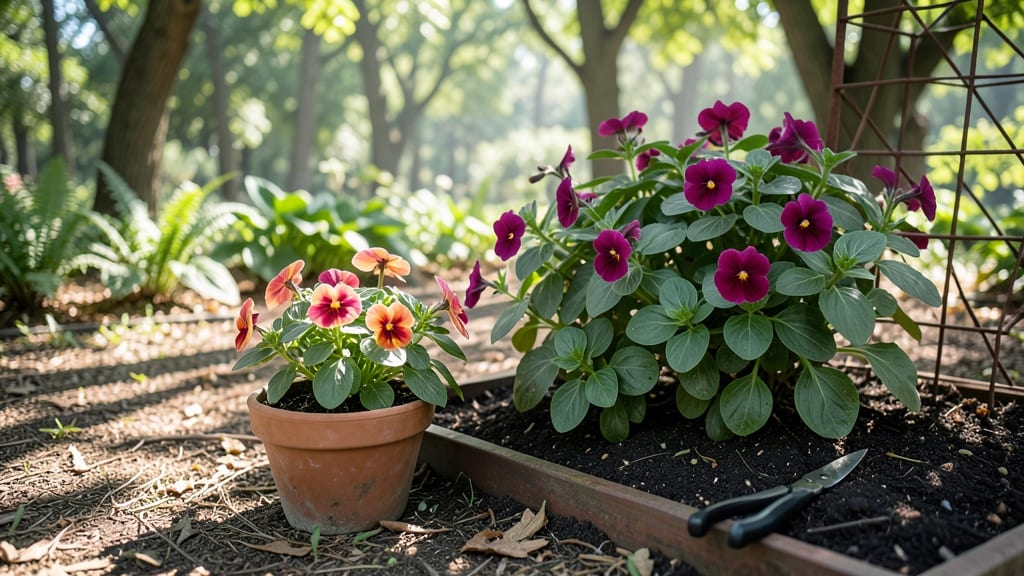
Do New Guinea impatiens like sun or shade, thriving best in partial shade with bright, indirect light—they despise harsh afternoon sun but can handle morning rays.
Picture this: your vibrant New Guinea impatiens wilting by midday, their leaves scorched by relentless sun, while others nearby flourish in dappled light. That’s the difference between a sunburned disaster and a lush, blooming beauty—and it all comes down to where you place them.
These tropical plants love morning sun but need protection from the intense midday rays that can bleach their leaves or stunt growth. In Zone 6a, that means positioning them near trees or under patio umbrellas, where they get light without the heat.
Below, I’ll show you exactly how to balance their light needs—whether you’re growing them in containers, garden beds, or even indoors—so your impatiens stay healthy, colorful, and blooming all season.
 Best Window Placement
Ideal light conditions for New Guinea impatiens: sun vs shade breakdown
New Guinea impatiens thrive in bright, indirect light—their tropical origins mean they can't handle harsh direct sunlight. Unlike their shade-loving cousins, these beauties need more light than most impatiens but won't tolerate the midday sun that can scorch their delicate foliage.
Think of them as the Goldilocks of plants: not too much sun, not too little, but just right.
The key to happy New Guinea impatiens lies in morning sun exposure (2-4 hours max) followed by afternoon shade. This balance prevents leaf burn while ensuring enough light for vibrant blooms and lush foliage.
If you're growing them indoors, an east-facing window is your best bet—it provides gentle morning light without the intense afternoon heat.
Here's where many gardeners go wrong: assuming "shade" means deep darkness. New Guinea impatiens need bright indirect light, not dim corners. They'll tell you when they're unhappy—leggy growth or sparse blooms are classic signs of insufficient light, while crispy edges mean too much sun.
Let's break down the perfect light conditions in this comparison.
| Light Condition | Daily Exposure | Best Locations | Plant Response | Seasonal Adjustments |
|---|---|---|---|---|
| Bright Indirect Light | 4-6 hours | East-facing windows, dappled shade under trees | Vibrant blooms, healthy foliage, compact growth | Spring/Summer: Morning sun + afternoon shade |
| Morning Sun Only | 2-4 hours | West-facing windows (north hemisphere), protected garden beds | Good growth, fewer blooms than ideal light | Fall/Winter: Can tolerate more direct light |
| Direct Midday Sun | 2+ hours | South-facing windows, open sunny spots | Leaf burn, yellowing, stunted growth | Never ideal—provide shade cloth if unavoidable |
| Deep Shade | <2 hours | North-facing windows, dense forest understory | Leggy stems, sparse blooms, pale leaves | Use grow lights for indoor plants |
| Dappled Shade | 4-6 hours filtered | Under deciduous trees, lattice structures | Best compromise for outdoor growing | Move to sunnier spot in winter |
In my own garden, I've learned that seasonal adjustments are crucial for year-round success. During summer's intense heat, I move my potted New Guinea impatiens to afternoon shade spots under my oak tree, while in cooler months, they happily bask in morning sunlight on my deck.
This flexibility helps maintain their vibrant colors and robust growth patterns.
For container growers, choose pots with light-colored surfaces to reflect excess heat, and always use well-draining soil mixed with perlite. The right container can make a big difference in temperature regulation.
I've found that terracotta pots work beautifully because they breathe better than plastic, helping prevent root rot from overwatering—which is especially important when plants are stressed by improper light conditions.
One common misconception is that all shade plants thrive in the same conditions. New Guinea impatiens are different—they need bright indirect light to prevent etiolation (that stretched-out, weak growth).
If your plants look like they're reaching for the sky, it's time to move them closer to a light source or supplement with a grow light for indoor varieties.
When selecting a garden spot, observe the area throughout the day. Notice where the sun moves across your yard—what seems like shade at 10 AM might become full sun by noon. I always test locations for at least a week before planting to understand the light dynamics of my space.
This simple step has saved me from multiple plant casualties over the years.
Pro tip: If you're growing New Guinea impatiens in containers on a patio, rotate them weekly. This ensures even growth as they naturally lean toward the light source.
I mark my pots with a small arrow to remember which direction they were facing—it's a simple trick that makes a big difference in plant symmetry and health.
Remember that indoor growing requires extra attention. South-facing windows provide the most light, but even there, you might need to supplement with artificial lighting during winter months when days are shorter. A simple LED grow light on a timer can work wonders for maintaining your impatiens' vigor year-round.
Your New Guinea impatiens will reward you with bold foliage and continuous blooms when you get their light needs just right. Start with bright indirect light, monitor their response, and adjust as seasons change.
With this approach, you'll enjoy these tropical beauties at their absolute best—whether in your garden beds, hanging baskets, or indoor spaces.
Signs your New Guinea impatiens aren’t getting the right light (and how to fix it)
If your New Guinea impatiens look less vibrant than expected, light issues are often the culprit. These tropical plants thrive in bright indirect light, but too much sun or too little can both cause problems.
Watch for yellowing leaves, leggy stems, or fewer blooms—these are classic signs your plant isn’t happy with its current lighting. The good news? Adjusting their environment can bring them back to full glory.
One of the most common mistakes is placing them in direct afternoon sun, which can scorch their delicate foliage. On the flip side, deep shade causes weak stems and pale leaves as the plant stretches toward any available light.
Understanding these signs helps you act quickly before the problem worsens. Let’s dive into the specific symptoms and solutions to keep your impatiens thriving.
⚠️ Warning: New Guinea Impatiens and Sun Exposure
These plants do not tolerate full sun. Even morning sun should be filtered—think dappled shade under trees or a sheer curtain. Afternoon sun (1 PM+) is especially dangerous, causing leaf burn within hours. If your impatiens are outdoors, move them to a spot with 6+ hours of bright, indirect light but no harsh rays.
Start by examining your plant’s leaves for color changes. Yellowing leaves often indicate too much sun, while dark green but sparse foliage suggests insufficient light. Another red flag is leggy growth, where stems stretch unnaturally toward the nearest light source.
This happens when the plant isn’t getting enough light to photosynthesize efficiently. If you notice these signs, it’s time to reassess their placement.
For indoor impatiens, east-facing windows are ideal, providing gentle morning light without the intensity of south or west exposures. If your space lacks natural light, consider a grow light placed 6–12 inches above the plant for 12–14 hours daily.
LED grow lights with a cool white spectrum are energy-efficient and effective. Rotate the plant weekly to ensure even growth, as they’ll lean toward the light source otherwise.
Outdoor gardeners should prioritize morning sun and afternoon shade. Use nearby trees or shrubs to create natural shade, or install a lightweight shade cloth (30–50% shade) if needed. If your impatiens are in containers, you can also move them to a shadier spot during peak afternoon hours.
Repot if necessary—small containers dry out faster and can stress plants, making them more vulnerable to light-related issues.
Finally, don’t forget to monitor seasonal changes. In summer, when sun is more intense, your impatiens may need extra protection. Conversely, in winter, supplement with grow lights if natural light diminishes.
With these adjustments, your New Guinea impatiens will reward you with lush foliage and abundant blooms all season long.
🌿