
Plants
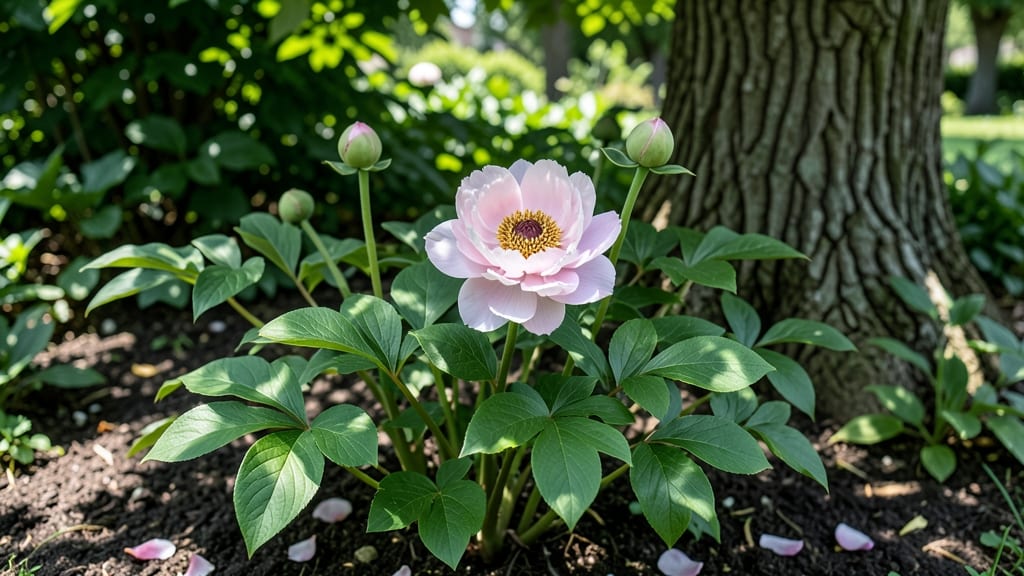
Do peonies like shade—or do they prefer a bright, breezy spot with just a touch of afternoon relief to keep their roots cool and blooms bold?
If you’ve ever wondered why your 🌸 peonies aren’t blooming as vibrantly as they should, sunlight (or lack thereof) might be the culprit. These lush flowers aren’t as picky as you’d think, but too much shade can leave them struggling to produce those showstopping blooms.
Most gardeners assume peonies need full sun, but the truth is more nuanced. In USDA Zone 6a, where these hardy plants love to grow, they actually perform best with 4-6 hours of sunlight daily — especially in hot afternoons.
The key is finding that sweet spot where they get enough light to bloom without overheating.
In this guide, I’ll break down exactly how much shade your peonies can handle, which varieties do best in low-light spots, and how to adjust care for healthier growth — even in shadier gardens. Let’s get those blooms thriving!
 Best Window Placement
Peony sunlight requirements: how much light for optimal blooms?
Peonies are often called the "queens of perennials," but their sunlight requirements can be confusing. While they do tolerate shade, full sun produces the most vibrant blooms and robust growth.
The key is understanding how much light your peonies truly need—and how to adapt based on your USDA hardiness zone and regional climate.
In ideal conditions, peonies thrive with 6 to 8 hours of sunlight daily. However, they can adapt to partial shade, especially in hotter climates where afternoon sun can scorch delicate leaves.
The trade-off? Fewer blooms and slightly smaller flowers when light is limited. Let’s break down the specifics to help you maximize your peonies’ potential.
🌸
Peonies in full sun (6+ hours) produce the most dramatic blooms, with larger flowers and darker, richer colors. However, in hot, dry climates like USDA Zones 7–9, afternoon sun can stress plants.
If your garden gets intense midday heat, consider morning sun with afternoon shade to protect foliage while still encouraging blooms.
In partial shade (3–6 hours), peonies will still bloom, but expect smaller flowers and fewer stems. This is common in woodland gardens or under tall trees. If you’re growing peonies in shade, prioritize well-draining soil and regular watering to compensate for reduced photosynthesis.
For gardeners in USDA Zones 3–5, full sun is ideal because cooler temperatures prevent heat stress. In contrast, Zones 6–9 may benefit from filtered light, especially in areas with intense afternoon sun.
Always observe your peonies’ leaves: yellowing or crispy edges signal too much sun, while pale, weak growth means they need more light.
One common misconception is that peonies must have full sun to thrive. While they prefer it, adaptability varies by variety. Some herbaceous peonies handle shade better than tree peonies, which are more sun-dependent.
If your garden is shady, choose shade-tolerant cultivars like 'Sarah Bernhardt' or 'Bowl of Beauty,' which perform well with 4–6 hours of light.
To maximize blooms in partial shade, pair peonies with taller plants (like delphiniums) to create a dappled light effect. Mulch with organic matter to improve soil fertility, and avoid over-fertilizing with nitrogen, which promotes leafy growth at the expense of flowers.
A balanced 5-10-10 fertilizer in early spring will support both foliage and blooms.
If you’re unsure about your garden’s light conditions, use a sunlight tracker for a week. Note how many hours of direct sun each spot receives—this will help you decide whether to relocate peonies, prune nearby trees, or adjust care practices like watering and fertilizing.
Even a few extra hours of light can make a noticeable difference in bloom size and plant vigor.
Remember, peonies are perennial powerhouses, and with the right light balance, they’ll reward you with decades of stunning blooms. Whether you’re in a sun-drenched border or a shady woodland garden, understanding their sunlight needs is the first step to growing peonies that steal the show every spring.
🌿
Signs your peonies are getting too much or too little shade
Peonies are famously finicky about sunlight, and their leaf color, stem strength, and bloom production all scream for balance. Too much shade weakens them, while scorching afternoon sun can scorch their delicate foliage.
The key is finding that sweet spot of partial shade—typically 4-6 hours of morning sun with afternoon relief.
If your peonies are struggling, their foliage and flowers will give you clues. Yellowing leaves or stunted growth often signal insufficient light, while brown leaf edges or bleached petals mean they’re getting too much. Even the bloom size shrinks when light is off—small, sparse flowers are a classic shade warning.
⚠️ callout warning ⚠️
⚠️ Peonies HATE Extreme Shade
Too little light = Leggy stems, fewer blooms, and weak roots. Too much sun = Burned leaves and drooping buds. The fix? Prune nearby trees or relocate plants to a morning-sun spot by late summer.
Spring is the critical season for peonies—this is when they need strong morning light to fuel their energy for blooming. If your garden gets hot afternoon sun, provide afternoon shade with a lightweight shade cloth (30-50% coverage) or plant them near tall shrubs that cast dappled shade.
Weak stems are another red flag. When peonies don’t get enough light, their cell walls weaken, leading to flopping blooms or stems that snap easily. To strengthen them, stake taller varieties early in the season and mulch heavily (3-4 inches) to protect roots from temperature swings.
For sparse or no blooms, check your peony’s light exposure. Peonies need at least 6 hours of light to set buds properly. If they’re in deep shade, try moving them gradually (over 2-3 weeks) to avoid shocking the plant.
A north-facing window or east-facing border often works best for container peonies.
Adjust care based on the season: Spring = more light, Summer = afternoon shade. If your peonies are struggling in heat, water deeply in the early morning and avoid overhead sprinklers to prevent leaf scorch.
With the right balance, your peonies will reward you with bold, lush blooms for decades. 🌸